

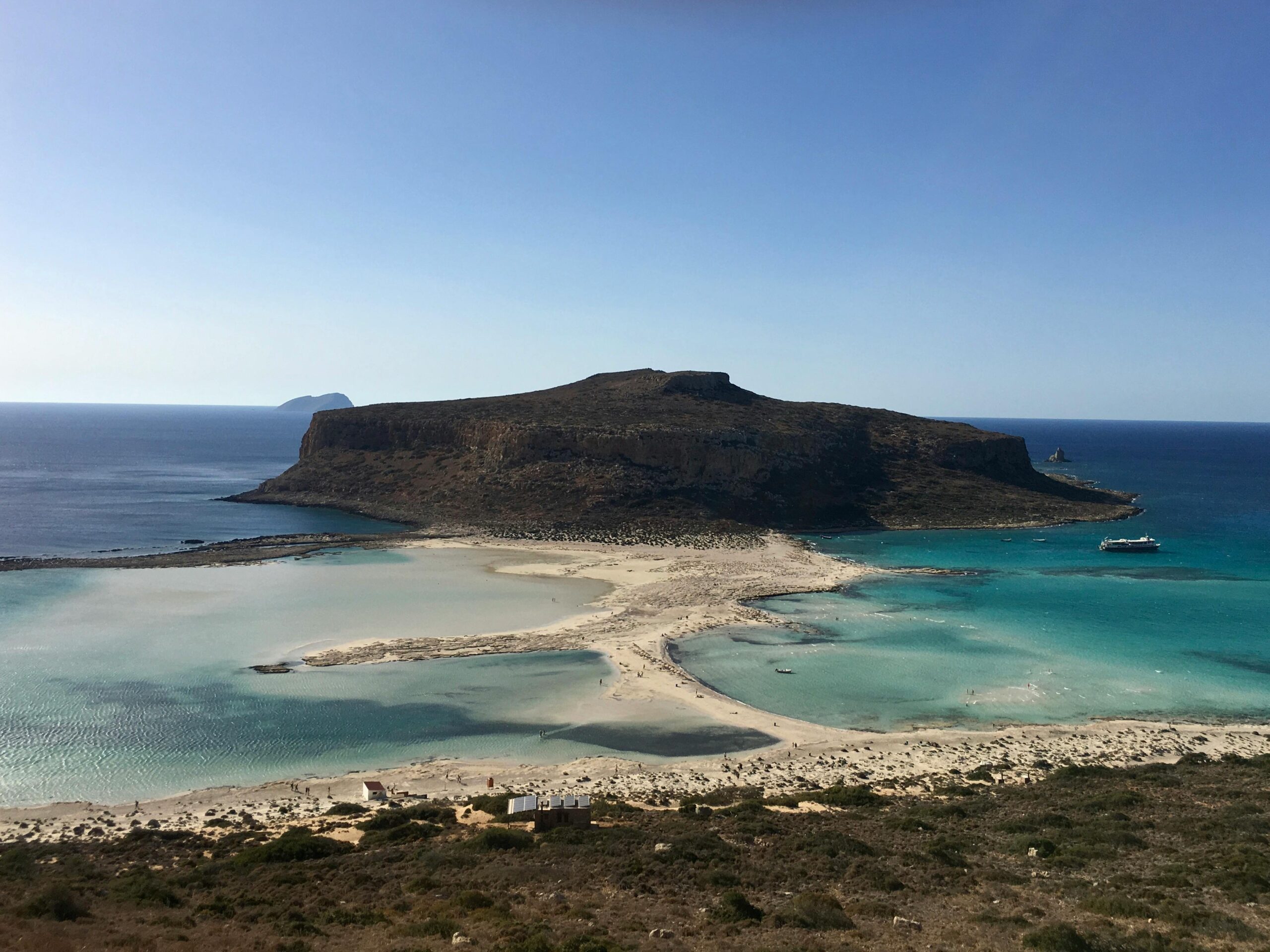
Why Planning a Trip to Crete Without Local Insight Means Missing Its Soul is a critical realization for anyone aiming to understand this island beyond surface-level tourism. Crete is large, culturally diverse, and divided into regions that feel like separate worlds, making uninformed itineraries shallow and often frustrating.
Most travelers underestimate the scale and cultural complexity, leading to an itinerary full of tourist traps and missed opportunities for genuine engagement.

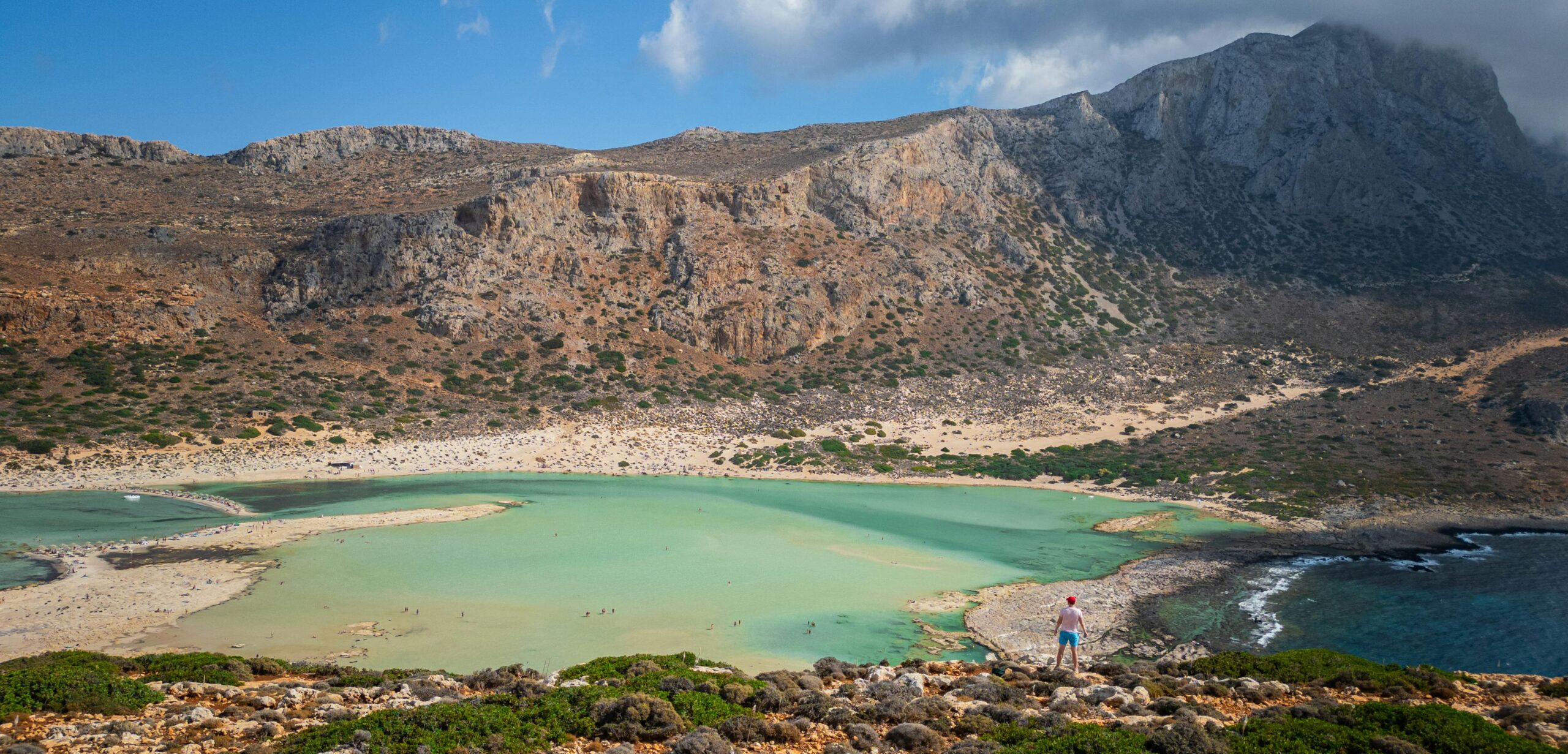
Why Planning a Trip to Crete Without Local Insight Means Missing Its Soul
Common Errors Travelers Make on Crete
Two mistakes dominate: treating Crete like a compact island and assuming the entire island offers uniform experiences. Crete is Greece’s largest island, roughly the size of Cyprus, and culturally fractured into western, central, and eastern parts with distinct traditions, dialects, and landscapes. Expecting to cover all key highlights in a few days results in superficial visits. Also, many ignore inland villages, focusing solely on coastal resorts, which are often overdeveloped and lack authentic local life.
Essential Places to Understand Crete’s Diversity
Starting with Chania’s old town reveals Venetian and Ottoman layers still vibrant in daily life. Moving east, Rethymno balances historic charm with a livelier nightlife scene. The Lasithi Plateau offers a glimpse into Cretan rural traditions and is a stark contrast to the bustling north coast. Further east, Agios Nikolaos and Elounda cater to luxury travelers but also serve as gateways to ancient sites like Spinalonga. Heraklion, Crete’s capital, is often dismissed as merely a transit hub but houses critical museums and markets that illuminate Cretan history and cuisine.
Who This Suits—and Who It Doesn’t
Crete suits travelers who appreciate cultural depth, varied landscapes, and are willing to plan thoughtfully to avoid tourist clichés. It is not ideal for those expecting a straightforward beach holiday or those with limited mobility; much of the island’s character lies in its mountainous villages and less accessible areas. Solo travelers seeking easy navigation and rapid sightseeing may find Crete’s scale and complexity challenging without guidance.
A Counterintuitive Observation About Crete’s Appeal
Contrary to popular belief, the most authentic Cretan experiences are often found away from the coast. Many travelers flock to beaches and well-known towns, but the island’s soul reveals itself in interior villages like Archanes or Zaros, which offer traditional cuisine, local festivals, and genuine hospitality. These places lack tourist infrastructure, which can be inconvenient, but they provide a far more accurate picture of Cretan life than the crowded waterfronts.
Why Planning a Trip to Crete Without Local Insight Means Missing Its Soul: The Planning Consequences
Without local insight, travelers typically sequence their visits poorly, leading to unnecessary backtracking and wasted time. For example, grouping Heraklion and Elounda without considering the inland sites in between misses key cultural stops and creates long, tiring drives. Ignoring the island’s seasonal rhythms—like avoiding the shoulder seasons when villages are quieter but more welcoming—can result in closed attractions or a lack of authentic encounters. Missing these nuances turns Crete into a checklist rather than an immersive experience.
Trade-offs: What You Gain and What You Give Up
Engaging deeply with Crete means sacrificing a fast-paced itinerary for slower exploration. You gain access to local festivals, family-run tavernas, and nuanced history that no resort can replicate. Yet, this approach requires flexibility and acceptance of less polished infrastructure, especially in rural areas. If you prioritize luxury and convenience above all, Crete’s authentic soul will remain out of reach—its ruggedness is part of its identity.
Conclusion
Greece rewards travelers who arrive with a plan built around how they actually travel — not a generic template. The difference between a frustrating trip and a remarkable one often comes down to sequence, timing, and knowing which trade-offs matter for your situation.
For those seeking a deeper understanding of Crete’s cultural layers, official resources like the
Greek Ministry of Culture and the official tourism site provide valuable background that should inform itinerary decisions before arrival.
Recommended experiences
Some experiences mentioned here are curated and managed by Elite Greece Travels.
- 5 Days Trip From Athens To Crete — Itinerary (managed by Elite Greece Travels).
- Best Of Greece Athens Paros Crete 7 Day Itinerary 6 Nights — Itinerary (managed by Elite Greece Travels).
- Athens Mykonos Santorini Crete Itinerary 9 Days — Itinerary (managed by Elite Greece Travels).
Frequently asked questions
Why can’t I just visit Crete’s popular coastal towns to experience the island?
Focusing only on coastal towns limits your exposure to authentic Cretan culture, which thrives in inland villages and less touristy areas. These places offer traditions, cuisine, and daily life that coastal resorts often lack.
Is Crete suitable for first-time visitors to Greece?
Crete can overwhelm first-timers due to its size and diversity. Without local insight or careful planning, visitors risk superficial experiences and logistical frustrations.
When is the best time to visit Crete to avoid tourist traps but still enjoy open attractions?
Shoulder seasons like late spring (May) and early autumn (September to October) balance fewer tourists with open sites and hospitable local communities.
Are there areas in Crete that luxury travelers should avoid?
Luxury travelers often find authentic experiences lacking in the most developed resorts, where international hotel chains dominate. For genuine local engagement, some rural areas lack luxury amenities but offer unmatched cultural value.
How important is local knowledge when visiting archaeological sites on Crete?
Local insight is crucial to understand the context and significance of sites beyond basic guidebooks. This knowledge transforms a visit from a mere photo stop into a meaningful cultural encounter.
Can I rely on public resources alone to plan an authentic trip to Crete?
Official websites provide good general information, but they lack the nuanced, ground-level perspective needed to avoid common pitfalls and uncover lesser-known but valuable experiences.
What are the risks of poor itinerary sequencing on Crete?
Improper sequencing leads to long drives, repeated routes, and missed opportunities to experience diverse regions efficiently, which can turn a trip exhausting and unsatisfying.