

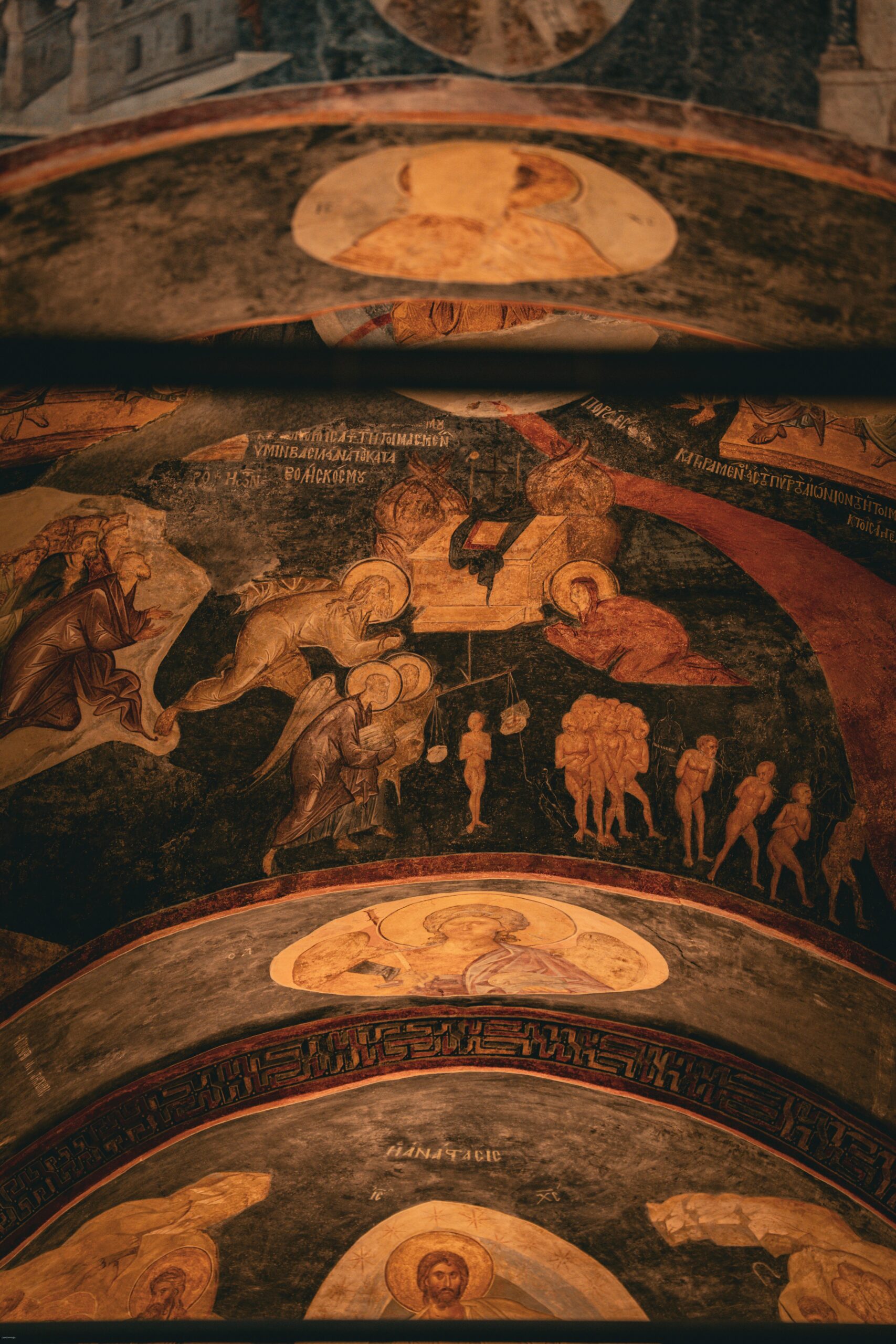
Why Planning a Trip to Meteora Without a Local Guide Is a Mistake is a reality that many travelers learn the hard way. Meteora’s complex terrain and strict monastery regulations require nuanced understanding that generic travel advice misses completely.
Ignoring this expertise often leads to missed opportunities and frustrating logistics. This article breaks down the common errors and explains why local insight is indispensable for a successful Meteora visit.
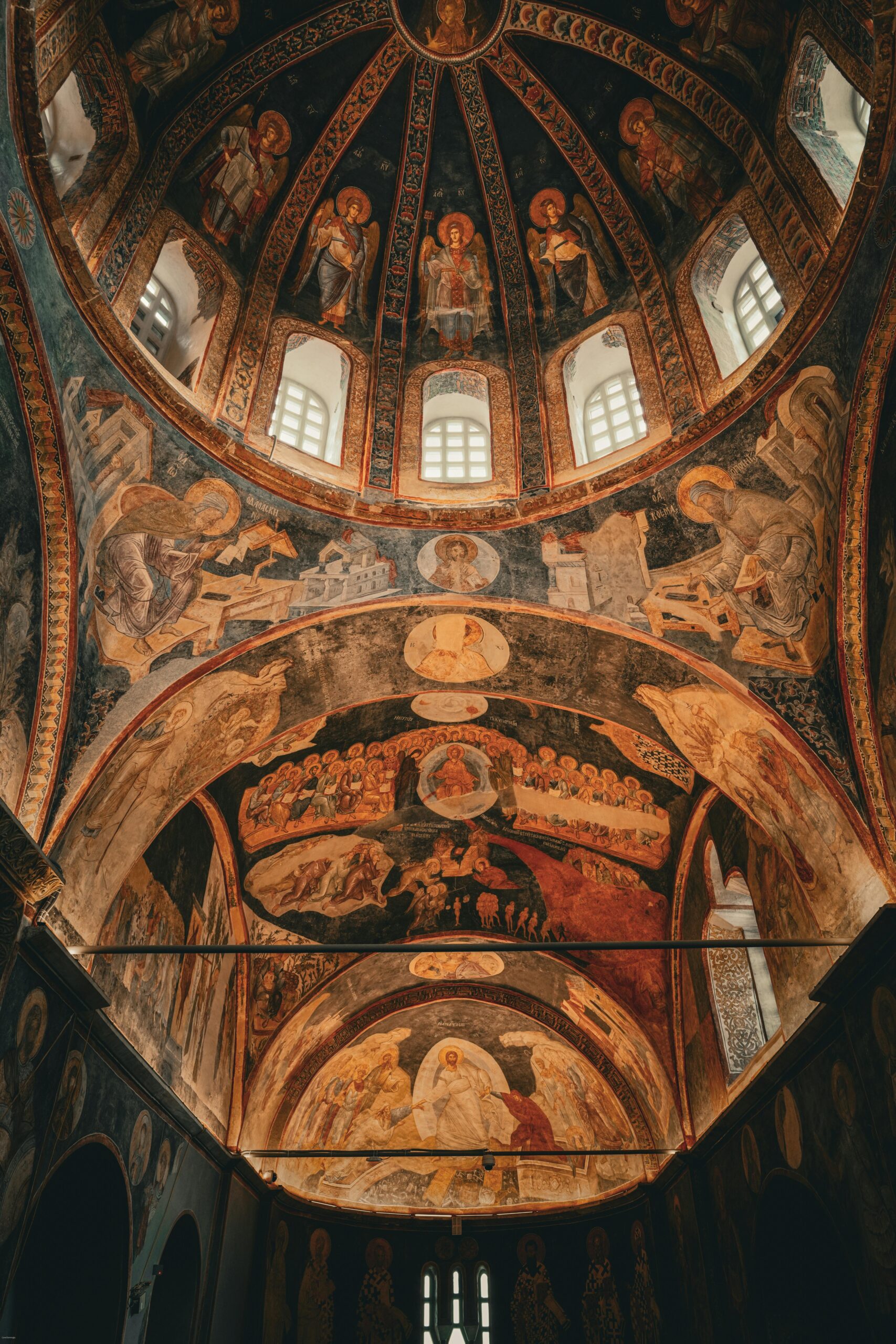
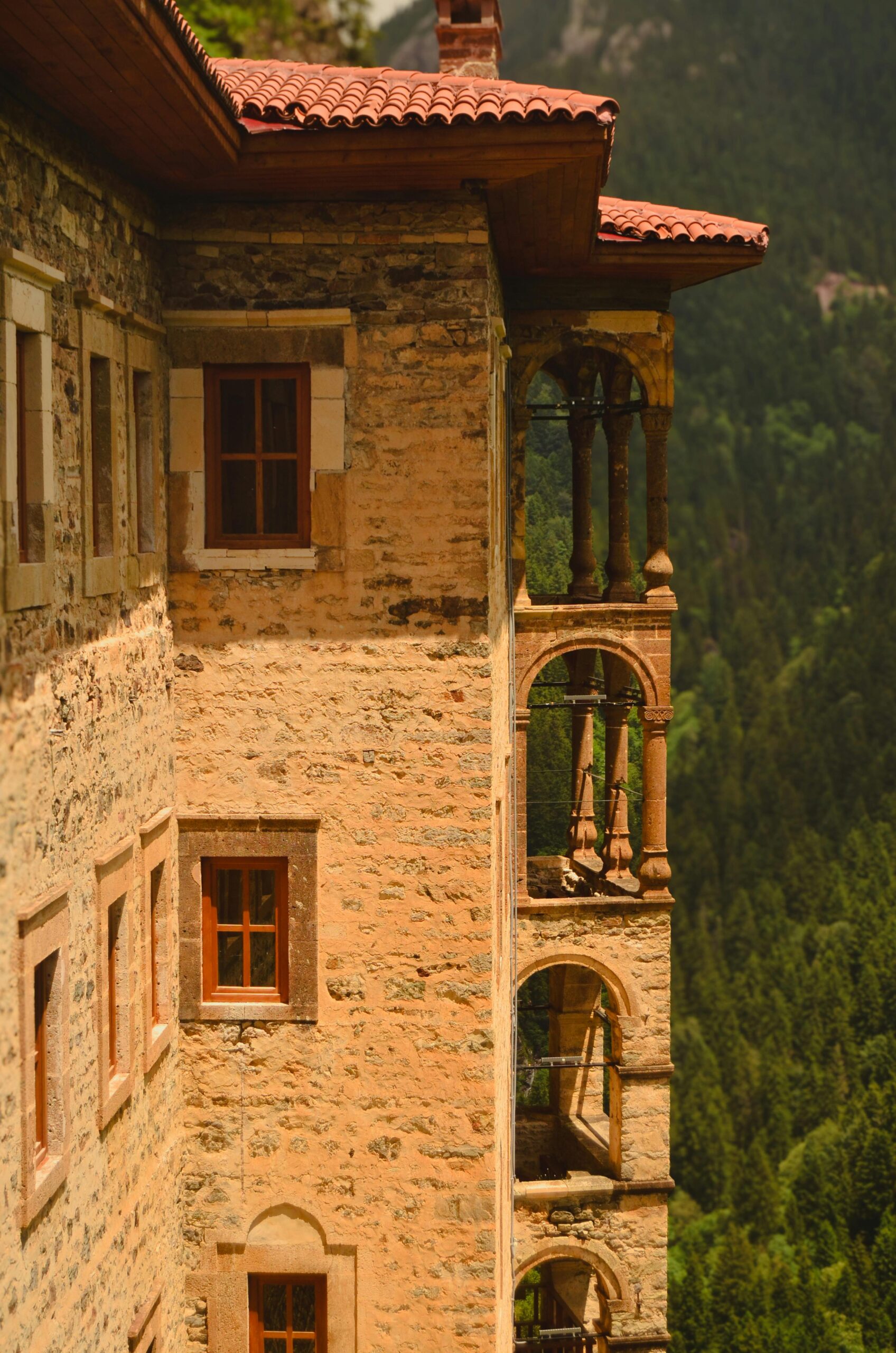
Why Planning a Trip to Meteora Without a Local Guide Is a Mistake
Meteora’s Landscape Demands More Than a Map
The dramatic rock formations of Meteora are not just scenic backdrops; they present real challenges for navigation and timing. Trails can be steep, poorly marked, and physically demanding. Many travelers underestimate this and plan tight schedules that become exhausting or impossible to follow.
Access to Monasteries Is Highly Regulated and Nuanced
Visitors frequently overlook the strict rules governing monastery visits—opening hours vary by season, and some monasteries close unexpectedly for religious holidays or restoration. Without local guidance, travelers risk arriving at closed doors or missing critical permits for entry.
Key Areas and Neighborhoods to Know
Understanding Meteora’s geography means recognizing the strategic value of certain villages and monasteries:
- Kastraki Village – Ideal base for proximity to several monasteries and hiking paths.
- Kaloneri – A quieter spot often ignored but useful for less crowded access.
- Great Meteoron Monastery – The largest and most popular; requires timing to avoid crowds.
- Varlaam Monastery – Offers a balance of accessibility and fewer visitors.
- Roussanou – Convenient for those with limited mobility but still requires careful scheduling.
- Agia Triada – Remote and less visited; needs local insight to reach efficiently.
Why Planning a Trip to Meteora Without a Local Guide Is a Mistake: The Real Consequences
Attempting Meteora independently often results in wasted time and missed experiences. For example, travelers may spend hours driving between monasteries without knowing that some are better combined on foot, or arrive when the sites are closed. This leads to rushed visits or skipping highlights entirely, undermining the value of the trip.
Who This Suits—and Who Should Look Elsewhere
Meteora with a local guide suits travelers who value deep historical context, manageable hiking, and seamless monastery access. It is not ideal for those who prefer spontaneous exploration or minimal structure. Independent adventurers without good fitness often struggle here, as do travelers expecting easy, quick visits to every site.
A Counterintuitive Observation: Peak Season Isn’t Always Best
Many assume summer is the best time for Meteora. The truth is, peak season brings crowds that diminish the experience and complicate logistics. Winter visits, while colder and with limited monastery hours, offer quieter trails and a more contemplative atmosphere. Without local guidance, navigating off-season conditions becomes even more challenging.
Trade-Offs: What You Gain and What You Give Up
Using a local guide means gaining insider knowledge that unlocks Meteora’s full potential—optimized routes, historical insights, and smooth monastery access. The trade-off is less spontaneity and a higher upfront cost. Travelers who skip guides often save money but pay in lost time, missed sites, and unnecessary fatigue.
Additional Cultural Context Enhances Your Visit
Meteora’s monasteries are living religious centers with ongoing traditions. A local guide can connect you to the broader cultural fabric of Greece, something that generic travel resources rarely achieve. For a richer understanding, consider resources like the
Greek Ministry of Culture or national heritage sites such as the Acropolis Museum for contextual background before your trip.
Conclusion
Greece rewards travelers who arrive with a plan built around how they actually travel — not a generic template. The difference between a frustrating trip and a remarkable one often comes down to sequence, timing, and knowing which trade-offs matter for your situation.
Recommended experiences
Some experiences mentioned here are curated and managed by Elite Greece Travels.
- Greece 7 Day Itinerary Athens Delphi Meteora Santorini — Itinerary (managed by Elite Greece Travels).
- Athens Meteora Olympia Delphi Itinerary 7 Days — Itinerary (managed by Elite Greece Travels).
- Athens Meteora Santorini Itinerary 7 Days — Itinerary (managed by Elite Greece Travels).
Frequently asked questions
Can I visit Meteora’s monasteries without a guide?
Yes, but navigating access rules, opening hours, and routes without local knowledge often leads to missed visits or long waits.
Is Meteora suitable for travelers with limited mobility?
Some monasteries like Roussanou are more accessible, but most require climbing steep stairs. A guide can help plan accordingly.
What is the best time of year to visit Meteora?
Spring and fall offer the best balance of weather, monastery availability, and fewer crowds. Peak summer often means long lines and heat.
Are hiking trails around Meteora well-marked?
Not consistently. Trails can be confusing or physically demanding. Local guides ensure you follow safe and efficient routes.
Do I need special permits to enter the monasteries?
No special permits are required, but strict dress codes and opening hours must be observed. Guides keep you informed of these rules.
How much time should I allocate for a proper Meteora visit?
At least two full days are recommended to experience multiple monasteries and hiking routes without rush.
Is it possible to visit Meteora independently without a local guide?
It is possible, but many travelers encounter logistical challenges that reduce the quality of their visit. Expert guidance eliminates these issues.