

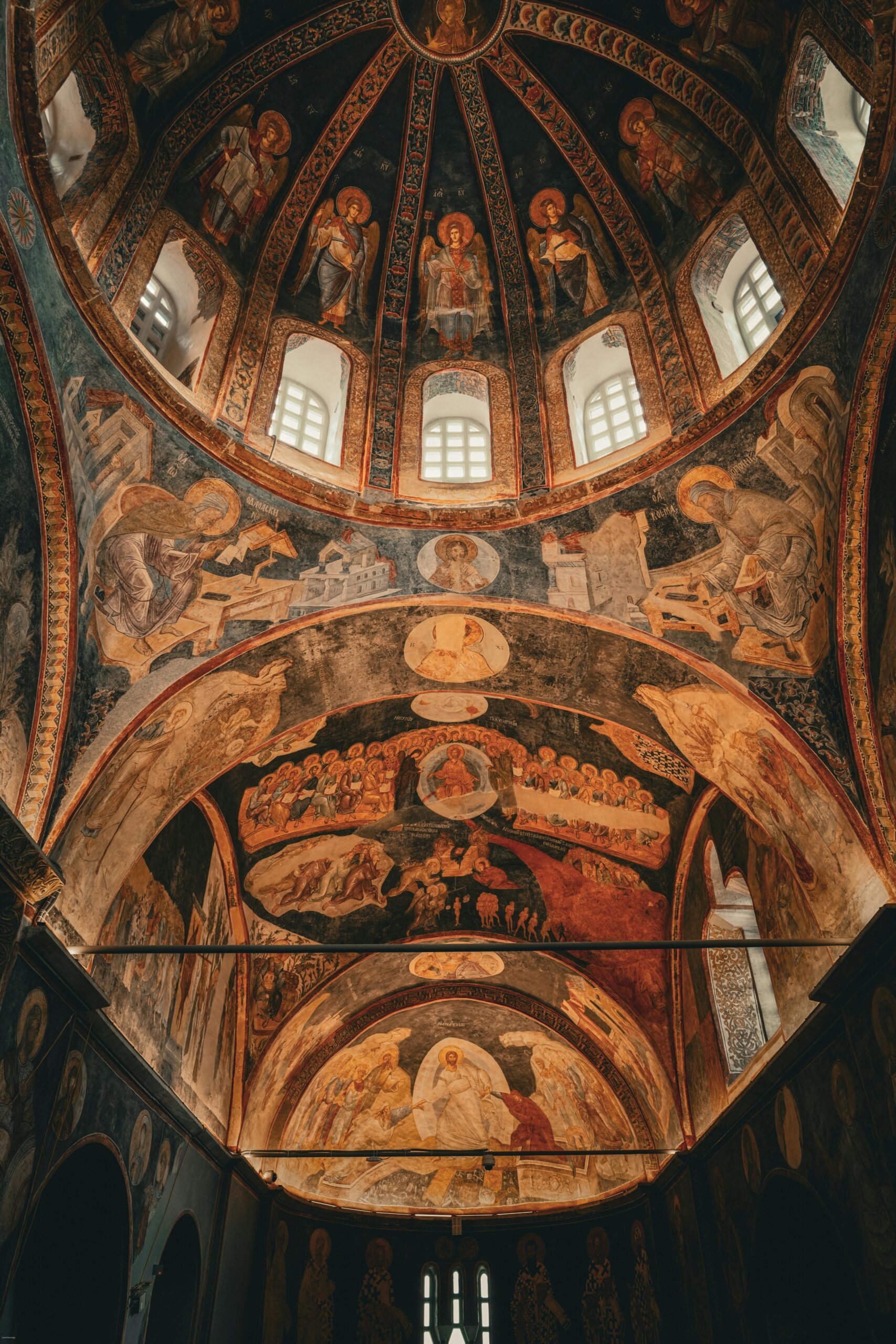
Why Planning a Trip to Meteora Without an Expert Is a Risk of Missing the Sacred Essence is a reality many travelers face when visiting this complex UNESCO site. Meteora’s layered spiritual significance and challenging geography require more than casual preparation to appreciate fully. Without expert guidance, visitors often reduce their experience to ticking off monasteries rather than understanding the profound context behind them.
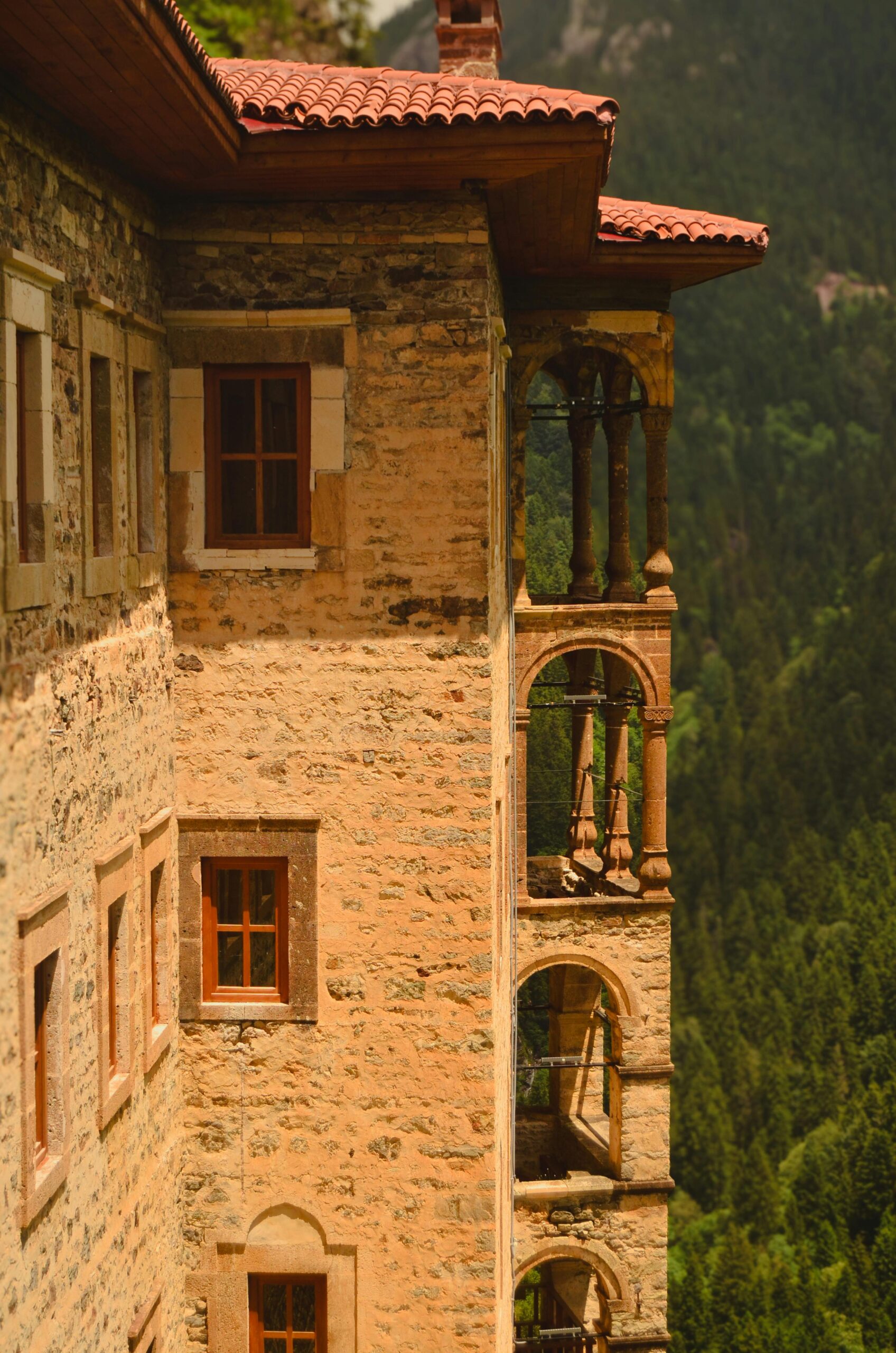
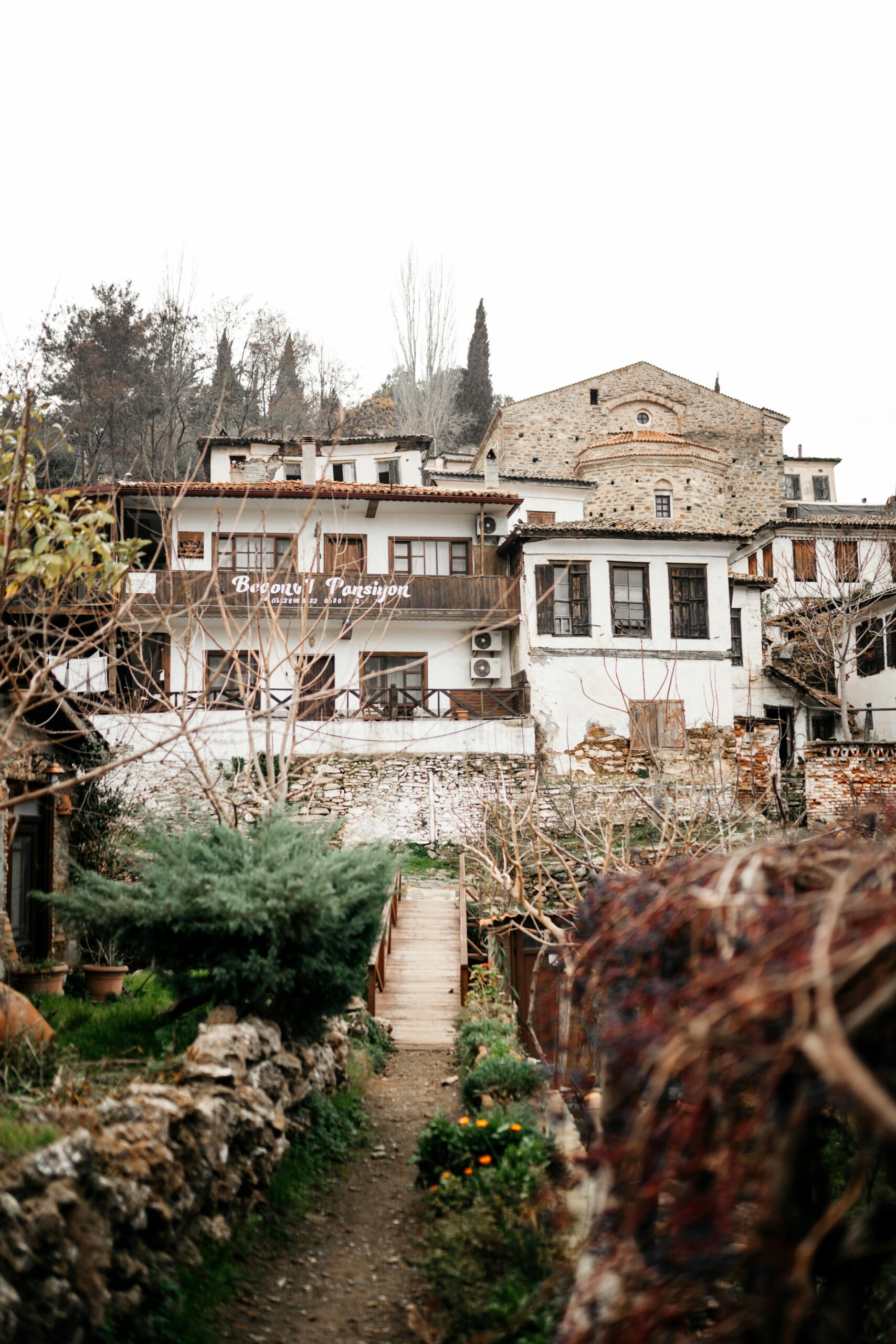
Why Planning a Trip to Meteora Without an Expert Is a Risk of Missing the Sacred Essence
Common Mistakes Travelers Make at Meteora
First, many visitors underestimate how physically demanding the site is. The monasteries perch on towering rock pillars, and reaching them involves steep climbs and uneven paths. Without proper advice, travelers often pick the wrong monasteries to visit, wasting time on less significant ones or missing key sites entirely. Second, the spiritual dimension of Meteora is frequently overlooked. Visitors treat it as a sightseeing spot rather than a living monastic community with strict visiting hours and behavioral expectations.
Key Sites and Neighborhoods to Understand
Meteora is not a single destination but a cluster of six active monasteries, each with its own history and character. The Great Meteoron Monastery is the largest and offers the most comprehensive insight into monastic life. Varlaam is known for its impressive frescoes, while Rousanou is more accessible but less spiritually intense. Nearby Kastraki village provides a quieter base with authentic local atmosphere, contrasting with Kalambaka town, which caters more to tourists. Understanding these distinctions is crucial to avoid a generic experience.
Why Planning a Trip to Meteora Without an Expert Is a Risk of Missing the Sacred Essence: Logistical and Spiritual Layers
The timing of visits is critical. Monasteries close early, and some are closed on specific weekdays or religious holidays, which are not always clearly communicated online. An expert planner knows these nuances and sequences visits to avoid disappointment. Moreover, the spiritual essence is tied to the monks’ daily routines and rituals, which are not visible to casual visitors. Without context, the place feels like a backdrop rather than a living sacred site.
Who This Suits — And Who Should Look Elsewhere
Meteora is ideal for travelers who value history, religion, and physical activity combined. Those interested in Orthodox spirituality or serious cultural study will find it rewarding. It is less suitable for casual tourists seeking easy sightseeing or families with very young children due to the physical demands and strict monastery rules. Travelers expecting a resort-style experience will be disappointed.
A Counterintuitive Observation About Meteora
Contrary to popular belief, visiting Meteora in peak summer is often the worst choice. The heat intensifies the physical challenge, and crowds dilute the contemplative atmosphere. Early spring or late autumn visits, while cooler and less crowded, require more precise planning due to shorter monastery hours and unpredictable weather. This contradicts the common advice to visit during high season for better access and amenities.
Trade-offs: What You Gain and What You Give Up
Engaging an expert planner means gaining access to insider knowledge about monastery schedules, local customs, and optimal routes. You avoid wasted time and the frustration of closed sites or missed spiritual moments. The trade-off is less spontaneity and a more structured itinerary, which some travelers find restrictive. However, the depth of understanding and respect for the site’s sacredness justifies this approach.
Additional Context: Meteora in the Broader Greek Cultural Landscape
Understanding Meteora’s place in Greek Orthodox tradition enhances the visit. The monasteries are repositories of Byzantine art and religious manuscripts. For those interested in Greece’s cultural heritage beyond the classical era, Meteora offers a vital perspective. Resources like the
Hellenic Ministry of Culture provide valuable background. Also, pairing Meteora with visits to Athens’ museums, such as the Acropolis Museum, creates a richer narrative of Greece’s historical layers.
Conclusion
Greece rewards travelers who arrive with a plan built around how they actually travel — not a generic template. The difference between a frustrating trip and a remarkable one often comes down to sequence, timing, and knowing which trade-offs matter for your situation.
Recommended experiences
Some experiences mentioned here are curated and managed by Elite Greece Travels.
- Greece 7 Day Itinerary Athens Delphi Meteora Santorini — Itinerary (managed by Elite Greece Travels).
- Athens Meteora Olympia Delphi Itinerary 7 Days — Itinerary (managed by Elite Greece Travels).
- Athens Meteora Santorini Itinerary 7 Days — Itinerary (managed by Elite Greece Travels).
Frequently asked questions
Can I visit all Meteora monasteries in one day without expert help?
Attempting to visit all six monasteries in one day without expert guidance often leads to rushed visits and closed sites. Expert planning ensures you prioritize the most significant monasteries and visit them during open hours.
Is Meteora suitable for travelers with mobility issues?
Most monasteries require climbing steep stairs and navigating uneven paths, making Meteora challenging for travelers with mobility issues. Expert advice can help identify the most accessible sites and alternatives.
What is the best season to visit Meteora to avoid crowds and heat?
Early spring and late autumn offer cooler temperatures and fewer tourists, but require careful planning due to reduced monastery hours. Summer is crowded and hot, which can diminish the experience.
Do I need special permissions to enter the monasteries at Meteora?
No special permissions are needed, but monasteries have strict visiting hours and dress codes. An expert planner can provide up-to-date information to avoid being turned away.
How does Meteora compare to other religious sites in Greece?
Meteora’s combination of dramatic geology and active monastic life is unique. Unlike more commercialized religious sites, it demands respect for ongoing spiritual practices, which expert guidance helps navigate.
Is it possible to experience Meteora’s spiritual essence without staying overnight nearby?
Day trips from Kalambaka are common but limit exposure to the site’s contemplative atmosphere. Staying overnight in Kastraki or Kalambaka allows for early morning or late afternoon visits when the site is quieter.
Are guided tours necessary to appreciate Meteora fully?
While not mandatory, guided tours or expert planning significantly enhance understanding of Meteora’s history, art, and spiritual significance, transforming a checklist visit into a meaningful experience.