

Why Planning an Authentic Hydra Trip Without Insider Help Often Ends in Overcrowding is not just a catchy phrase—it reflects a persistent problem travelers face on this small, popular island. Hydra’s compact size and high visitor volume make it easy to get stuck in tourist throngs unless your itinerary is carefully curated.
Ignoring local nuances usually means missing out on the island’s quieter corners and genuine experiences, leaving you with the familiar, crowded snapshot many visitors complain about.
Why Planning an Authentic Hydra Trip Without Insider Help Often Ends in Overcrowding
Two Common Missteps Travelers Make on Hydra
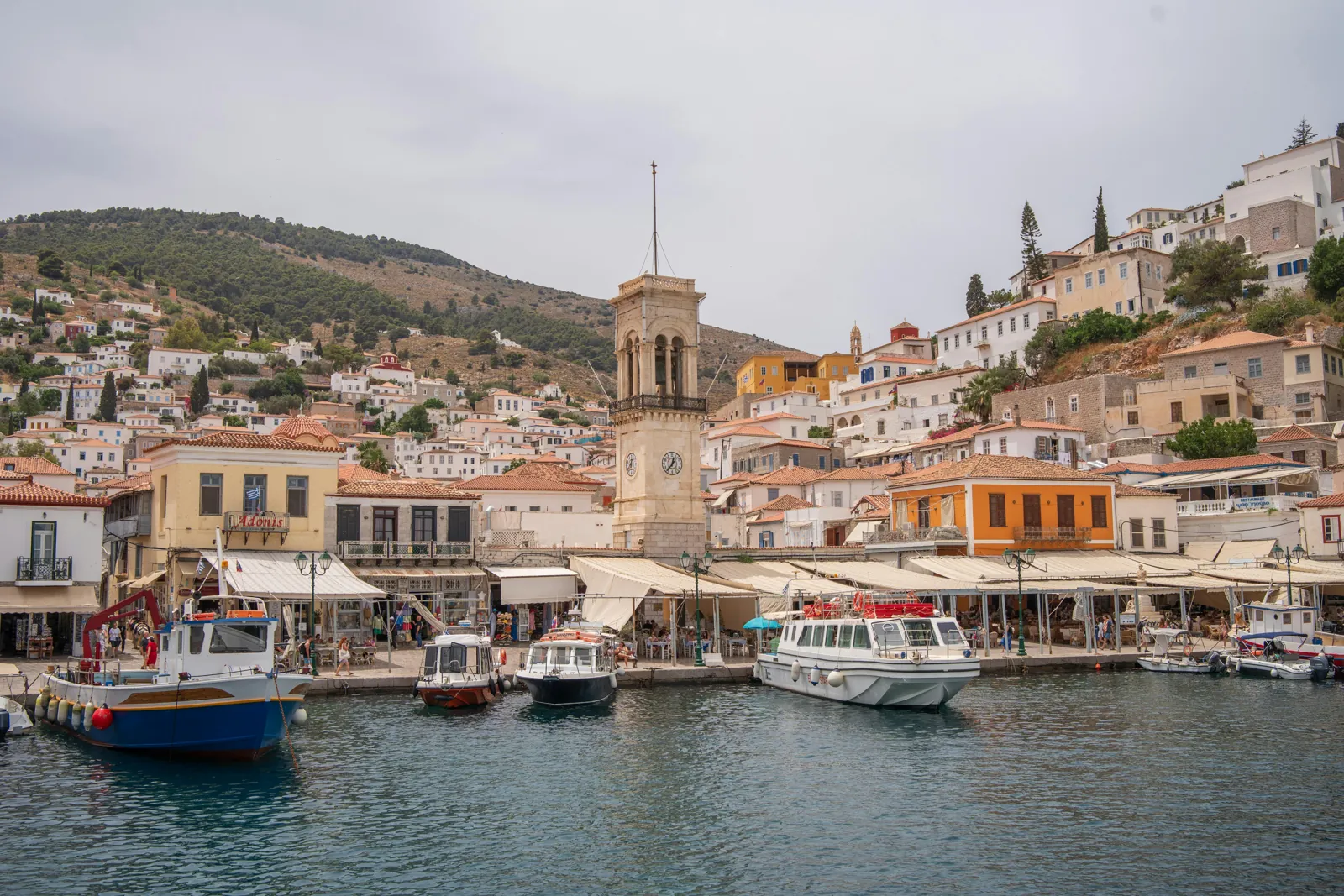
First, most visitors concentrate their stay exclusively around Hydra Town’s main harbor area. This zone is the island’s commercial heart and draws the largest crowds daily, especially during July and August. Expecting authentic local life here is unrealistic—it’s a curated tourist zone with inflated prices and limited genuine cultural interaction.
Second, travelers often underestimate the island’s limited infrastructure. Hydra has no cars, which means everything moves on foot, donkey, or boat. Overestimating how much ground you can cover in a day leads to rushed visits, forcing you back into tourist hotspots instead of exploring less trafficked neighborhoods.
Key Neighborhoods and Spots That Define Hydra’s Real Experience
Beyond the well-trodden harbor, neighborhoods like Vlychos offer a quieter, authentically local atmosphere with year-round residents and traditional fishing activity. Kamini, a small fishing village, provides a balance of local tavernas and less congested waterfront views. Mandraki, a tiny port on the west side, is where you find fewer tourists and an honest glimpse into island life, especially early mornings.
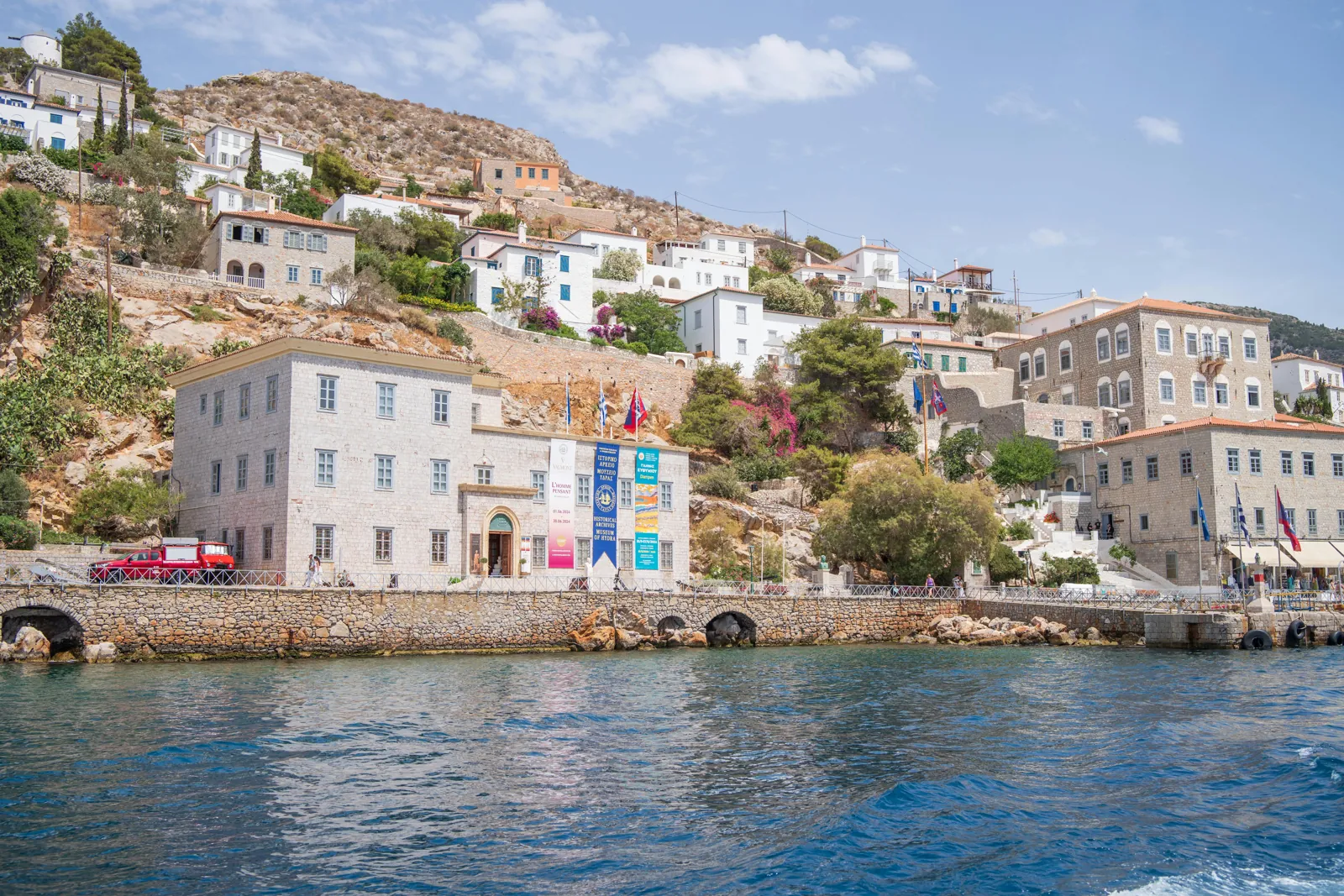
For history buffs, the Hydra Museum Historical Archives offers insight into the island’s maritime past, while the Monastery of the Assumption of Virgin Mary stands apart from the crowds, granting a peaceful retreat. These places require planning to fit into your schedule but reward with depth missing from the harbor scene.
Why Planning an Authentic Hydra Trip Without Insider Help Often Ends in Overcrowding: The Nuanced Reality
The island’s small size paradoxically amplifies overcrowding. When everyone targets the same half-dozen spots, density spikes exponentially. Insider knowledge allows staggered timing and alternative routes that smooth visitor flow, making local experiences attainable. Without this, even early arrivals or “off hours” visits can feel claustrophobic.
Moreover, the peak summer months bring an influx of day-trippers from Athens, compounding the problem. Many travelers mistakenly believe arriving midweek or staying just one night avoids crowds. In reality, without local insight, you end up confined to the same busy streets, hotels, and tavernas as everyone else.
Who This Suits—and Who It Doesn’t
Hydra suits travelers who can navigate a slower pace and are willing to leave the harbor area. Those seeking genuine local culture, quiet mornings, and historical context will find the island rewarding. It’s ideal for couples, history enthusiasts, and travelers comfortable with modest accommodations and walking.
Hydra is not for travelers wanting a nightlife scene, large-scale resort amenities, or easy transport options. Families with very young children or mobility issues may find the lack of vehicles and steep paths challenging. Also, those expecting modern convenience should reconsider; Hydra preserves its 19th-century character at the expense of contemporary ease.
Counterintuitive Truth: Peak Season Isn’t Always the Worst Time
Surprisingly, the busiest months on Hydra can sometimes offer the most authentic social experience—if you know where to go. Local festivals and community events happen mostly in July and August, providing cultural depth absent in low season. The trick is to avoid the harbor’s main drag and instead plan around these events with local advice.
Visiting in shoulder seasons might reduce crowds but also limits access to many local businesses that close in winter. This seasonal trade-off is often overlooked by travelers who assume fewer tourists equals better experience.
Trade-offs: What You Gain and What You Give Up
Choosing a well-planned Hydra trip means gaining access to genuine local encounters, quieter neighborhoods, and historical sites that most visitors overlook. You avoid the inflated prices and overcrowding that plague the harbor area during peak season.
In exchange, you give up the convenience of hotels and restaurants clustered around the main port, the ease of spontaneous nightlife, and the comfort of modern transportation. Hydra requires patience and effort to appreciate fully, but the payoff is an experience that goes beyond the postcard image.
For more on Greek cultural events and museum offerings that can enrich your Hydra visit, check resources like the
Greek Ministry of Culture and the Acropolis Museum websites.
Conclusion
Most Greece trips follow the same tired script. The ones that don’t — the ones travelers still talk about years later — were built around a real understanding of how this country works. That kind of understanding takes time, or it takes someone who already has it.
Recommended experiences
Some experiences mentioned here are curated and managed by Elite Greece Travels.
- Saronic Islands Full Day Cruise Hydra Poros Aegina — Itinerary (managed by Elite Greece Travels).
- Discover Authentic Mykonos — Tour (managed by Elite Greece Travels).
Frequently asked questions
Why is Hydra so crowded despite its small size?
Hydra’s compact area concentrates visitors into a few popular spots, mainly the harbor, creating high density. Limited transport options and peak season day-trippers from Athens exacerbate overcrowding.
Can I avoid the crowds by visiting Hydra in the off-season?
Off-season visits reduce tourist numbers but many local businesses close, limiting authentic experiences. Some cultural events only occur in peak season, offering deeper local engagement.
Are there quieter neighborhoods on Hydra worth exploring?
Yes. Neighborhoods like Vlychos, Kamini, and Mandraki offer less touristy, more authentic environments with local tavernas, fishing life, and fewer visitors.
Is Hydra suitable for families with young children?
Hydra’s lack of vehicles and steep, uneven paths make it challenging for families with very young children or mobility issues. It’s better suited for travelers comfortable with walking and minimal modern conveniences.
What’s a common mistake travelers make when planning a Hydra trip?
A frequent error is focusing only on the harbor area and underestimating how slowly you can move around the island, leading to rushed schedules and forced returns to crowded spots.
Does visiting during local festivals help avoid tourist traps?
Local festivals attract crowds but also provide genuine cultural experiences away from typical tourist zones. Planning around these events with insider knowledge makes a significant difference.
Why is insider knowledge important for planning a Hydra trip?
Insider knowledge helps stagger visits, select authentic neighborhoods, and time activities to avoid overcrowding. Without it, travelers often repeat the same congested routes and miss the island’s true character.