

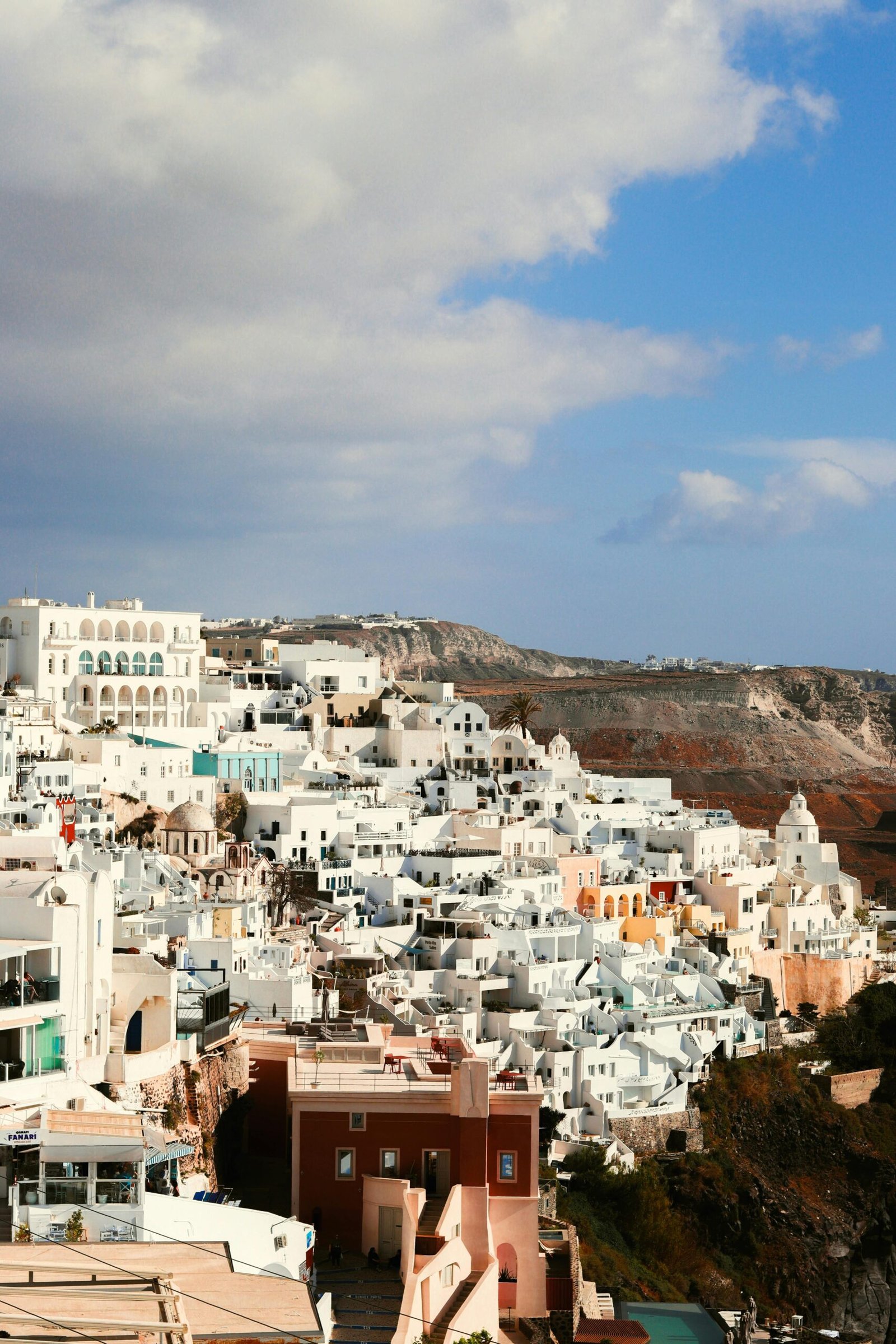
Why Santorini Feels Overplanned and Still Underserving of You is simple: the island is not failing at scenery, it is failing many travelers at delivery. People arrive expecting a smooth luxury experience and instead run into crowd pressure, inflated pricing, and a daily rhythm that punishes vague plans.
The mistake is assuming Santorini behaves like a polished resort destination. It does not. It behaves like a high-demand island with narrow capacity, limited tolerance for spontaneity, and a lot of money being charged for things that are not always well executed.
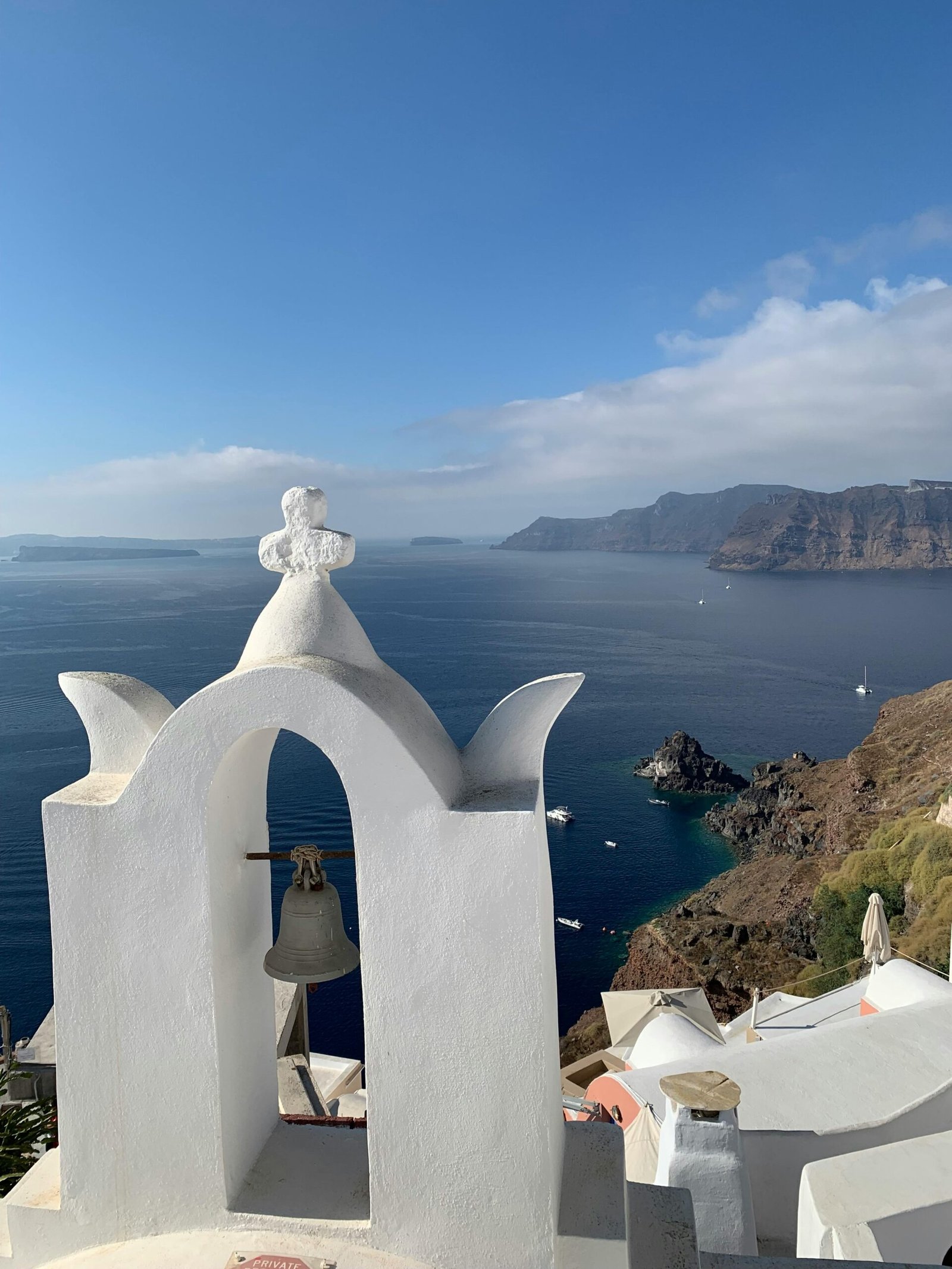
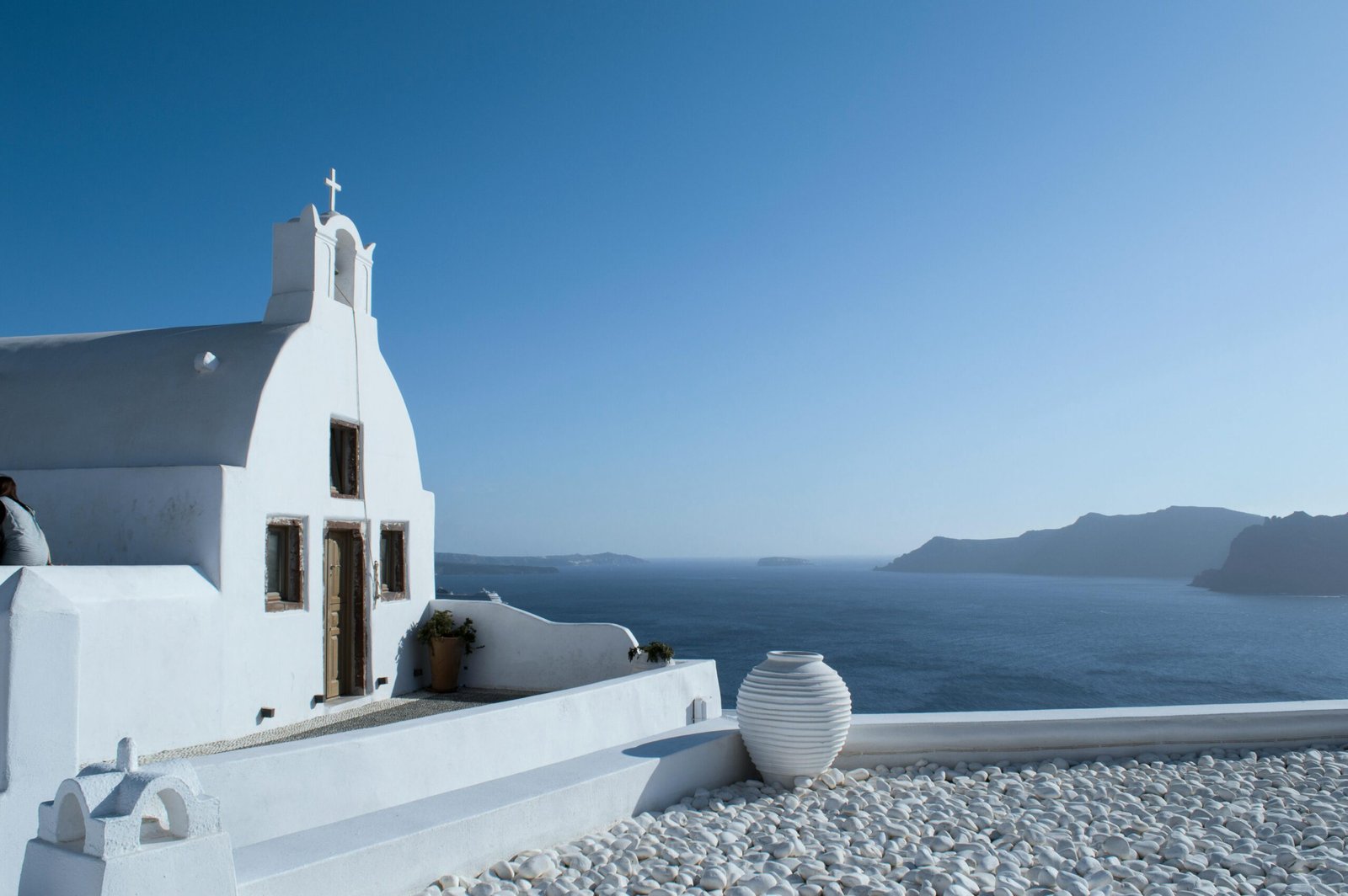
Why Santorini Feels Overplanned and Still Underserving of You
Santorini gets sold as a once-in-a-lifetime island, and in one narrow sense that is true: the caldera setting is distinctive, and few places in Greece produce the same immediate visual impact. The problem is that the experience around that view is often overmanaged, overbooked, and overpriced in ways that many travelers only notice after they have committed time and money.
This is why Why Santorini Feels Overplanned and Still Underserving of You is not a cynical headline. It is a practical warning. The island can still be worth it, but only for travelers who understand that the main friction is not the scenery; it is the operational reality around it.
Why Santorini Feels Overplanned and Still Underserving of You in practice
Most travelers assume Santorini’s problem is crowds alone. That is too shallow. The real issue is that nearly every part of the island’s visitor economy has been optimized for high spend and short attention spans, which means good judgment matters more here than in many Greek destinations.
You feel this in the pricing, in the pressure to pre-book, in the way certain areas are overloaded at predictable times, and in the fact that a “luxury” stay can still feel rushed or transactional. The island does not reward passive travel. It rewards travelers who know exactly what they want and what they are willing to skip.
When Santorini is worth it, and when it is not
Choose Santorini if your priority is a dramatic setting, a high-end hotel stay, and a trip built around a few carefully chosen experiences rather than constant movement. It suits couples, first-time Greece visitors with a strong budget, and travelers who are comfortable paying for convenience and accepting that convenience still has limits.
Do not choose Santorini if you want relaxed wandering, value for money, or the sense that the island is working for you rather than extracting from you. Families who need flexibility, travelers who dislike queues and timed reservations, and people who expect a broad range of authentic, low-friction local life usually come away frustrated.
Visit Greece can help you compare the island with other parts of the country before you commit to the wrong fit.
My position is clear: Santorini is not a good default choice. It should be a deliberate choice, made with full knowledge of the trade-offs. If you are choosing it because you think it is the safest Greece option, you are already starting from the wrong assumption.
What travelers consistently underestimate
Most travelers assume a famous island will be easy to enjoy once they arrive. In Santorini, that assumption breaks down fast. The island’s small scale means that a few bad decisions, such as staying in the wrong area for your style or expecting everything to feel effortless, can distort the entire trip.
The most common mistake is treating Santorini like a place where you can improvise each day. That sounds flexible, but in reality it often creates wasted time, higher costs, and a lot of friction around meals, viewpoints, and timing. Greece rewards travelers who arrive with a plan, and Santorini punishes those who confuse planning with overconfidence.
Another underappreciated issue is emotional fatigue. The island can be visually intense and operationally demanding at the same time, which is a bad combination for travelers who wanted a restorative holiday. You may leave with good photos and a sense that the trip was expensive in more ways than one.
Trade-off matrix: what changes by traveler type and season
Different travelers experience Santorini very differently, and that is where many online recommendations fail. The same island can feel efficient to one person and exhausting to another, depending on budget, timing, and tolerance for friction.
- Couples on a luxury budget: Best fit if you value privacy, views, and polished hotel service more than variety.
- Families: Often a mixed fit because costs rise quickly and flexibility drops.
- Budget travelers: Usually the worst-value group on the island unless expectations are tightly managed.
- Shoulder season travelers: Better balance, but still not a low-friction destination.
- Peak season travelers: Highest risk of crowd pressure, inflated rates, and a trip that feels scheduled by necessity.
One counterintuitive truth: Santorini can feel more disappointing to high-budget travelers than to moderate-budget travelers. That is because people paying premium rates expect premium control, and the island does not always deliver that control. The more you pay, the less patient you become with basic friction.
Most travelers assume the views are the product, but actually the logistics are
This is the most important correction. Most travelers assume the caldera view is what they are buying, but actually they are buying access to that view under crowded, tightly priced, and often highly scheduled conditions. The view is real; the ease is not.
That is why a beautiful stay can still feel underwhelming. If the room is too exposed, the service too rigid, or the pacing too compressed, the island starts to feel like a performance you are paying to attend. For travelers who want a cleaner sense of Greek heritage and context, a broader Greece trip often makes more sense, and official resources like the Hellenic Ministry of Culture are a better starting point for understanding what kind of experience you are actually building.
How to avoid the biggest Santorini mistake
The biggest mistake is treating Santorini as the centerpiece of a long Greece trip when it should often be a controlled, limited part of the itinerary. If you over-allocate time here, the island’s repetitive rhythm and high costs become more noticeable, not less.
Be especially careful if your travel style is spontaneous. Santorini is not the place where improvisation saves money or improves quality. The island tends to punish indecision with delays, bad timing, and higher spend.
If you do go, go with a defined purpose: a special stay, a milestone trip, or a short, deliberate stop that you know is worth the premium. That is the only version that consistently makes sense.
Clear guidance for the most common traveler scenarios
If you are a first-time visitor to Greece and want one iconic island experience, Santorini can work, but only if you accept the price of popularity. If you want a more balanced island trip with less friction, it is not the best place to start.
If you are traveling as a couple and care more about atmosphere than activity, Santorini is one of the few places in Greece that can justify its reputation. If you are traveling with children, moving on a budget, or hoping for an easygoing island base, there are stronger choices.
If you are still undecided, that is usually a sign you should compare alternatives rather than defaulting to Santorini out of habit. The island is not bad; it is simply unforgiving when chosen for the wrong reason.
The right answer depends on how you actually travel — your pace, your priorities, and what you’re willing to trade off. If you’re not sure which option fits, that uncertainty is itself useful information.
Recommended experiences
Some experiences mentioned here are curated and managed by Elite Greece Travels.
- Athens Milos Santorini Itinerary 9 Days — Itinerary (managed by Elite Greece Travels).
- Greece 7 Day Itinerary Athens Delphi Meteora Santorini — Itinerary (managed by Elite Greece Travels).
- Santorini Sunset Cruise With Dinner In The Caldera — Cruise (managed by Elite Greece Travels).
Frequently asked questions
Why does Santorini feel overplanned compared with other Greek islands?
Because so much of the island is built around high-demand visitor flow. That creates pressure to pre-book, pay more, and accept less flexibility than travelers expect from an island holiday.
Is Santorini still worth visiting if I know it is expensive?
Yes, if you want the setting enough to accept the premium and you are planning a short, deliberate stay. It is much less satisfying when you expect value, ease, or variety.
What kind of traveler is Santorini best for?
Couples, luxury travelers, and first-time visitors who want a concentrated iconic experience. It is weaker for families, budget travelers, and anyone who dislikes crowd pressure.
What do most travelers get wrong about Santorini?
They assume the view is the main purchase. In reality, the trip is shaped by logistics, timing, pricing, and how much friction you are willing to tolerate.
Is Santorini a good choice in peak season?
Only if you are comfortable paying more and dealing with more crowd pressure. Peak season is when the island’s weaknesses are most obvious.
Should I use Santorini as my main Greece destination?
Usually no. It is better treated as one deliberate part of a broader Greece trip rather than the default centerpiece.