

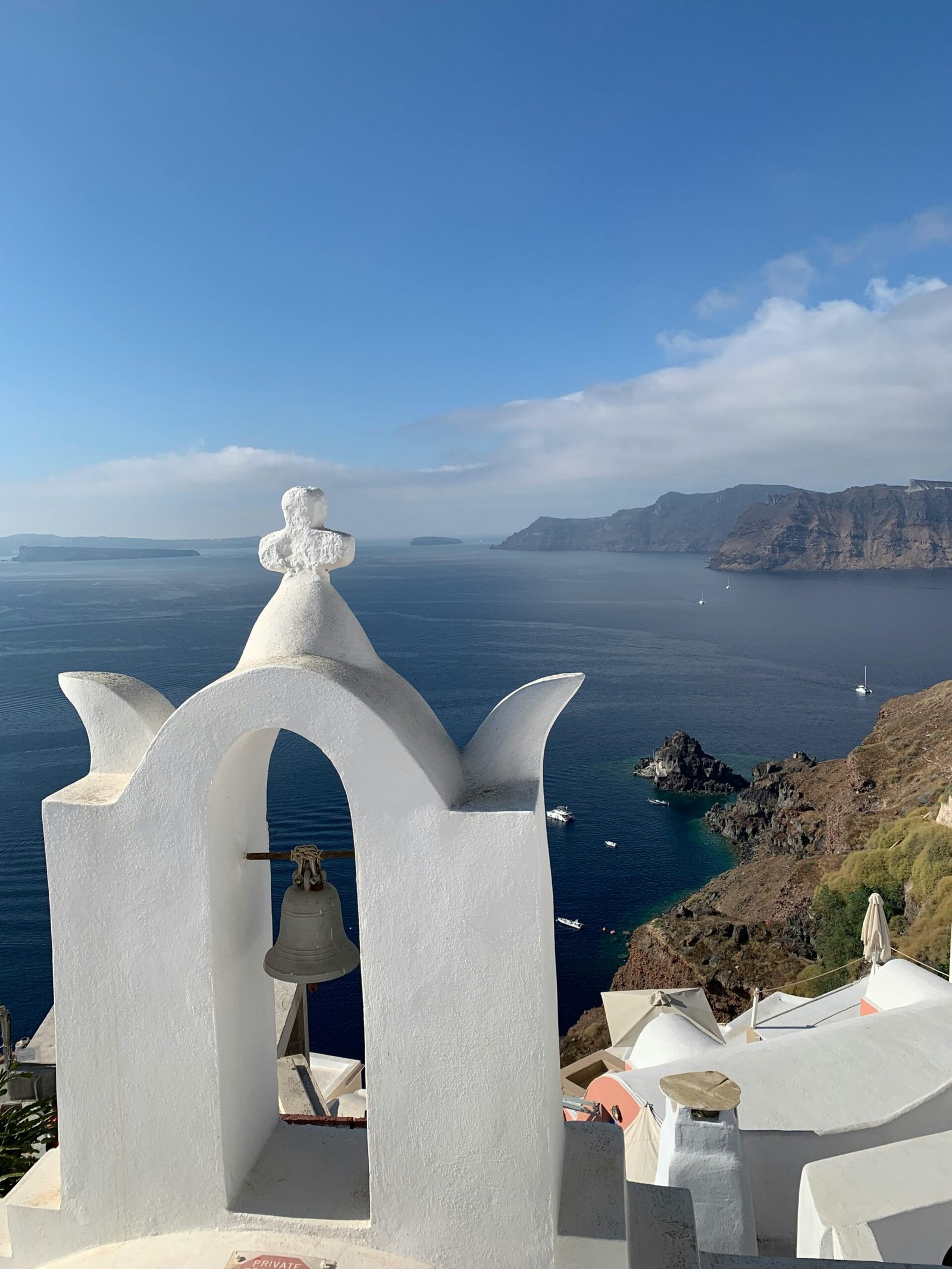
Why Santorini Feels Smaller, Pricier, and More Rushed Than You Expect because the island’s reputation is much bigger than its usable space. First-time visitors picture a relaxed Aegean stay; what they often get is a compact destination with concentrated demand, premium pricing, and very little margin for sloppy planning.
The island can still be worth it, but only if you understand what you are buying into. Santorini is not difficult in the sense of being unsafe or unworkable; it is difficult in the sense that small mistakes cost you time, money, and patience fast.
Why Santorini Feels Smaller, Pricier, and More Rushed Than You Expect
Santorini is one of the easiest Greek islands to overestimate and one of the hardest to enjoy casually. The problem is not that it lacks appeal; the problem is that too many travelers arrive expecting a spacious island holiday and find a tightly packed, premium-priced destination that runs on demand spikes and short attention spans.
My clear position: Santorini is a strong choice for travelers who want a high-intensity, high-visibility trip and are willing to pay for it. It is a poor choice for anyone hoping for a low-friction island escape where meals, views, and movement feel easy and unforced.
Why Santorini Feels Smaller, Pricier, and More Rushed Than You Expect
The island is physically small, but the real issue is how much of it is actually usable in the way travelers imagine. Much of the attention goes to a few cliffside villages and a few famous viewpoints, so the same places get hit repeatedly while the rest of the island feels secondary to most visitors.
That compression changes everything. Restaurants fill faster, premium rooms disappear earlier, and even a simple evening out can start to feel scheduled rather than spontaneous. This is why Santorini often feels less like a loose island stay and more like a tightly managed experience.
Most travelers assume a small island should feel easy to cover, but actually Santorini is small in area and large in friction. The island’s popularity has outgrown the amount of space, access, and service capacity that first-time visitors expect. That mismatch is the root of the disappointment.
Where the Money Goes Faster Than People Expect
Santorini is not just expensive in the obvious headline categories. The real cost creep shows up in room rates, dining in the most sought-after areas, and the premium attached to anything with a view or a convenient location. People who budget as if they are going to a standard Greek island usually feel the difference quickly.
This is one reason the island frustrates value-focused travelers. You can spend a lot and still feel boxed in if you chose the wrong area or the wrong property category. A mediocre room in the wrong place is especially painful here because there is no sense that you are getting space or ease in return.
If you want a broader sense of how Greece positions its major destinations, use official sources like
Visit Greece for baseline context, then price the real-world premium on top of that. Santorini is one of those places where the brochure version and the operational reality are very different.
Decision Logic: When Santorini Makes Sense, and When It Does Not
Choose Santorini if your priority is a concentrated, visually strong trip and you are comfortable paying for convenience, views, and a polished setting. It works for couples, milestone trips, and travelers who value a short, focused stay more than a relaxed island rhythm.
Do not choose Santorini if you want long beach days, roomy villages, easy wandering, or the feeling that you can improvise your day without consequence. It is also a weak fit for families who need flexibility, travelers who dislike crowds, and anyone who gets frustrated when a destination feels overengineered for visitors.
One practical reality: Santorini rewards decisiveness and punishes indecision. If you arrive without a clear sense of what kind of stay you want, you will spend too much time reacting to prices, crowds, and limited availability instead of actually enjoying the island.
Trade-Off Matrix: Traveler Type, Season, and Style
Santorini changes a lot depending on who is going, when they go, and how they like to travel. The mistake is assuming the island offers one universal experience. It does not.
- Couples on a short trip: Strong fit if the budget allows for a deliberate stay and you care more about atmosphere than space.
- Families: Often a strained fit unless expectations are realistic and the trip is kept simple.
- Luxury travelers: Good fit if you want a polished, high-cost experience and accept that the premium is partly for access and positioning.
- Budget travelers: Weak fit. The island can swallow a budget fast, especially once location and dining are factored in.
- Shoulder season visitors: Better value and less pressure, but still not a place that suddenly becomes spacious.
- Peak season visitors: Highest friction, highest prices, and the least forgiving version of the island.
The counterintuitive part is that a shorter stay can feel better than a longer one here. Santorini often works best when it is treated as a concentrated stop, not a base for slow exploration. Stretching it out can expose its limitations instead of its strengths.
The Biggest Mistake: Treating Santorini Like a Normal Island
Most travelers assume they can approach Santorini the way they would approach Naxos, Paros, or even a larger mainland destination. Actually, Santorini behaves more like a premium, high-demand resort environment with Greek geography underneath it. That is a very different operating model.
This matters because the island’s famous views are not the same thing as a relaxed travel experience. You can have an excellent stay and still feel the pressure of crowds, prices, and limited room to move. People who expect an easygoing island holiday are the ones most likely to leave underwhelmed.
For context on Greece’s broader cultural and destination framework, the Hellenic Ministry of Culture is useful for understanding how heavily visited heritage areas are managed across the country. Santorini is not a museum, but it behaves like a destination where popularity creates its own constraints.
What Travelers Consistently Underestimate
The first thing people underestimate is how quickly the day gets compressed by crowds and timing pressure. Even simple choices can become slower than expected, especially if you want a particular setting or a specific dining window. That is where the “rushed” feeling comes from.
The second thing is how much the island’s premium pricing narrows your margin for error. If you book the wrong area, the wrong room type, or the wrong length of stay, the cost is not just financial. It changes the whole trip mood.
The third thing is that Santorini is not equally rewarding across all traveler styles. People who like structure and a strong visual payoff often do well here. People who want variety, ease, and room to breathe usually do not.
Clear Guidance for the Most Common Traveler Scenarios
If you are planning a honeymoon or anniversary trip and want a high-impact stay, Santorini can be the right call. Keep the trip focused, accept the premium, and avoid the fantasy that you are buying peaceful isolation.
If you are traveling on a moderate budget, I would be blunt: Santorini is usually not the best value for money. You may still enjoy a short visit, but you should not expect the island to feel generous or easy.
If you are deciding between Santorini and a less compressed island, choose Santorini only if the specific experience matters more than flexibility. That is the real test. If you want a trip that feels calmer, larger, and less financially punishing, this is not the island to force into that role.
Conclusion: Santorini is worth it for travelers who understand its limits and plan around them; it disappoints travelers who expect a spacious, relaxed island escape. The right answer depends on how you actually travel — your pace, your priorities, and what you’re willing to trade off. If you’re not sure which option fits, that uncertainty is itself useful information.
Recommended experiences
Some experiences mentioned here are curated and managed by Elite Greece Travels.
- Athens Milos Santorini Itinerary 9 Days — Itinerary (managed by Elite Greece Travels).
- Greece 7 Day Itinerary Athens Delphi Meteora Santorini — Itinerary (managed by Elite Greece Travels).
- Santorini Sunset Cruise With Dinner In The Caldera — Cruise (managed by Elite Greece Travels).
Frequently asked questions
Why does Santorini feel smaller than other Greek islands?
Because the parts most travelers actually use are concentrated into a few villages and viewpoints. The island is not tiny in a practical sense, but the visitor experience is compressed into a narrow set of high-demand areas.
Is Santorini always expensive?
No, but the island is structurally premium. The closer you get to the famous caldera views, the more you pay, and the cost climbs quickly when you want convenience, good positioning, or peak-season availability.
Why does Santorini feel rushed even on a short trip?
Crowds, limited availability, and concentrated sightseeing create pressure. People spend more time navigating around demand than they expect, so the day feels shorter and more scheduled.
Is Santorini worth visiting for first-time travelers to Greece?
Yes, if they want a focused, high-profile destination and are comfortable with the cost. No, if they want their first Greece experience to feel easy, spacious, and good value.
What type of traveler is Santorini best for?
Couples, milestone travelers, and people who want a polished stay with strong visual impact. It is less suitable for budget travelers, families needing flexibility, and anyone who dislikes crowds.
When is Santorini least frustrating?
Outside peak season, when the pressure is lower and prices are less punishing. Even then, it stays compact and premium, so the island’s basic character does not change.
Should I stay longer in Santorini to make it worth the cost?
Not automatically. For many travelers, a shorter, more deliberate stay works better than stretching the visit and exposing more of the island’s limitations.