

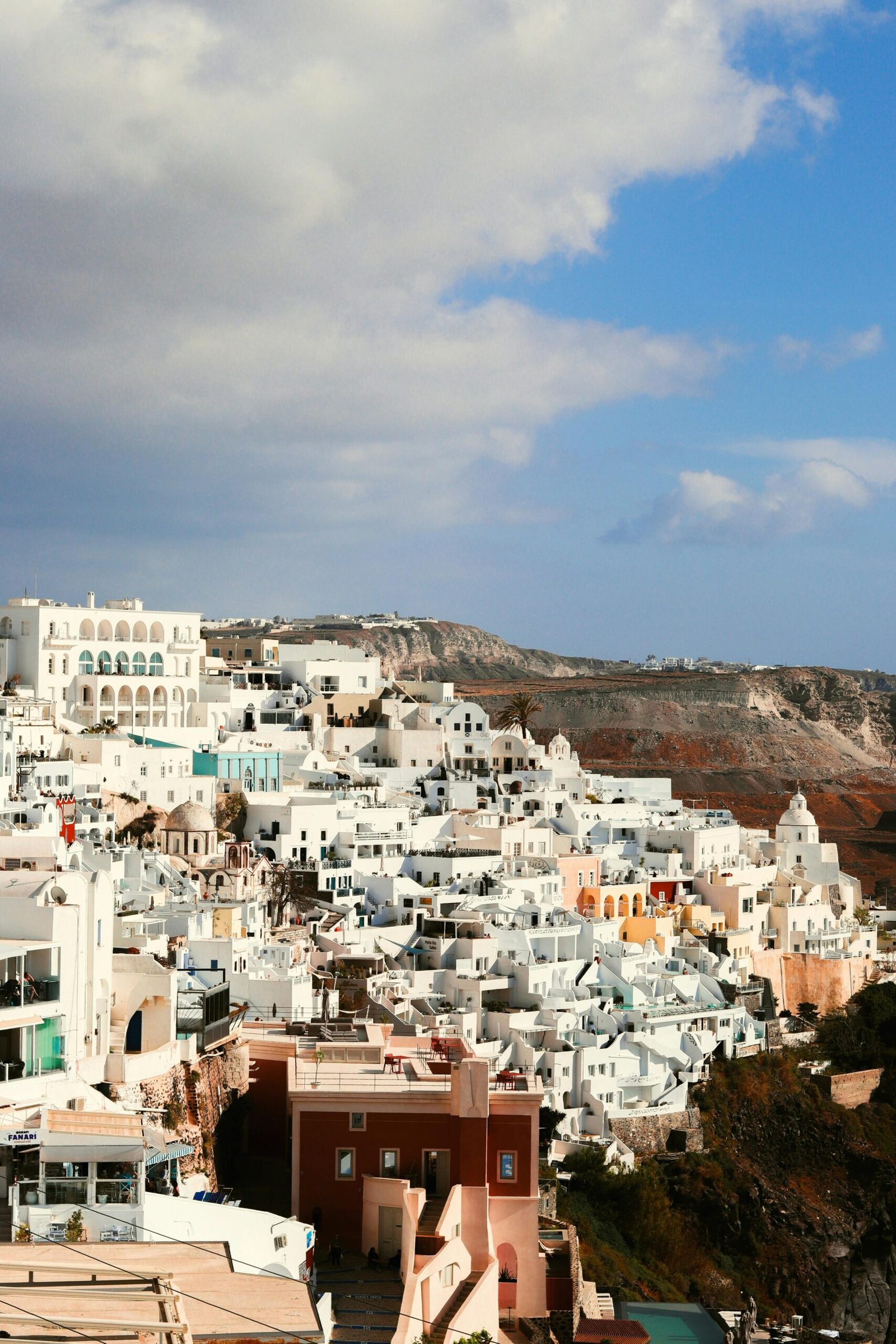
Why Santorini Feels Wrong If You Plan It Like a Normal Island because it is not built for wandering, improvising, or treating every day like a loose beach holiday. It is a high-demand, high-friction destination that works best when you accept its crowds, timing, and narrow set of good experiences.
Most travelers think of islands as places where you can show up, drift around, and let the day take shape. Santorini punishes that approach. If you want to enjoy it, you need to understand what it actually is: a short-stay, peak-time, expectation-sensitive destination that rewards structure and punishes casual planning.
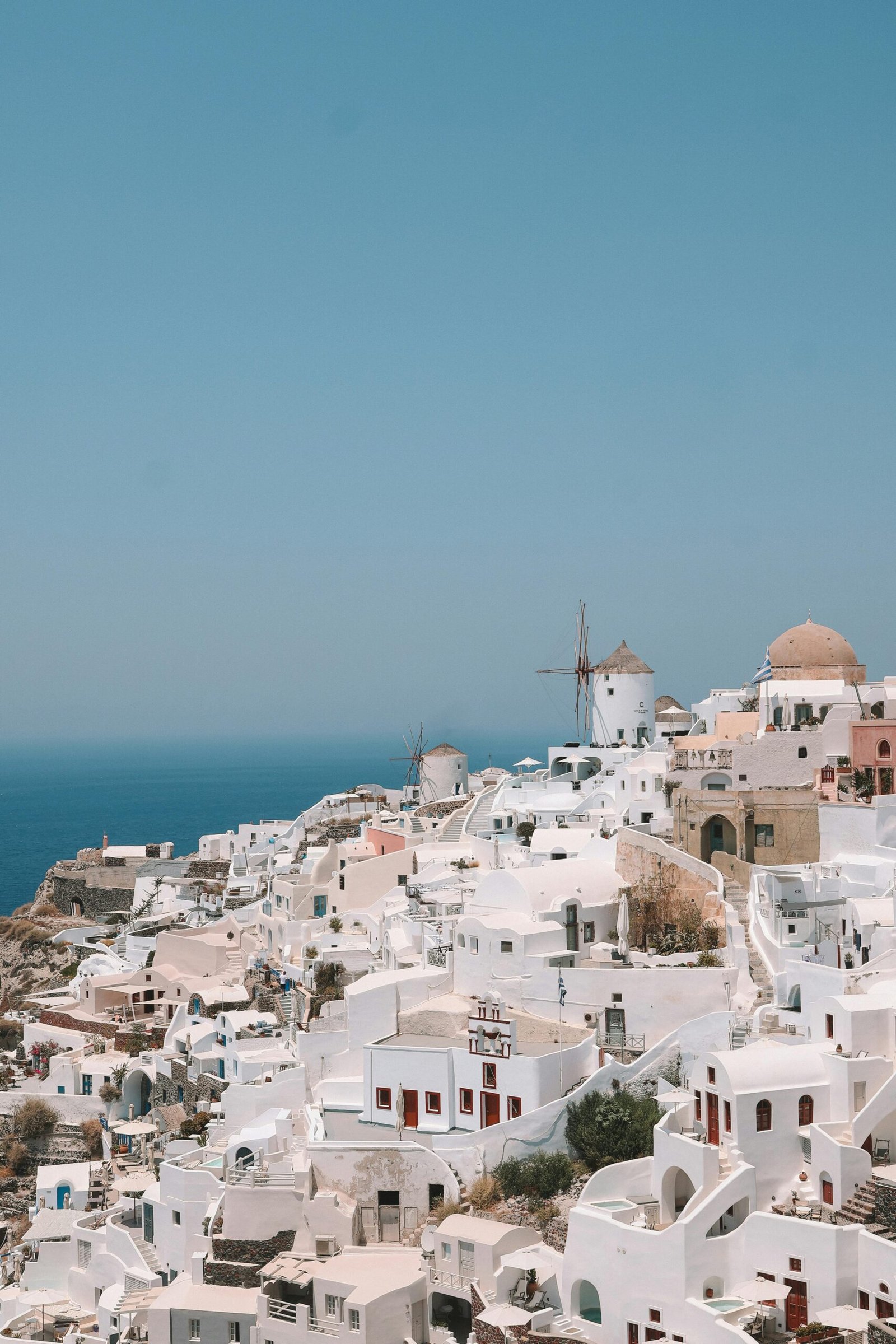
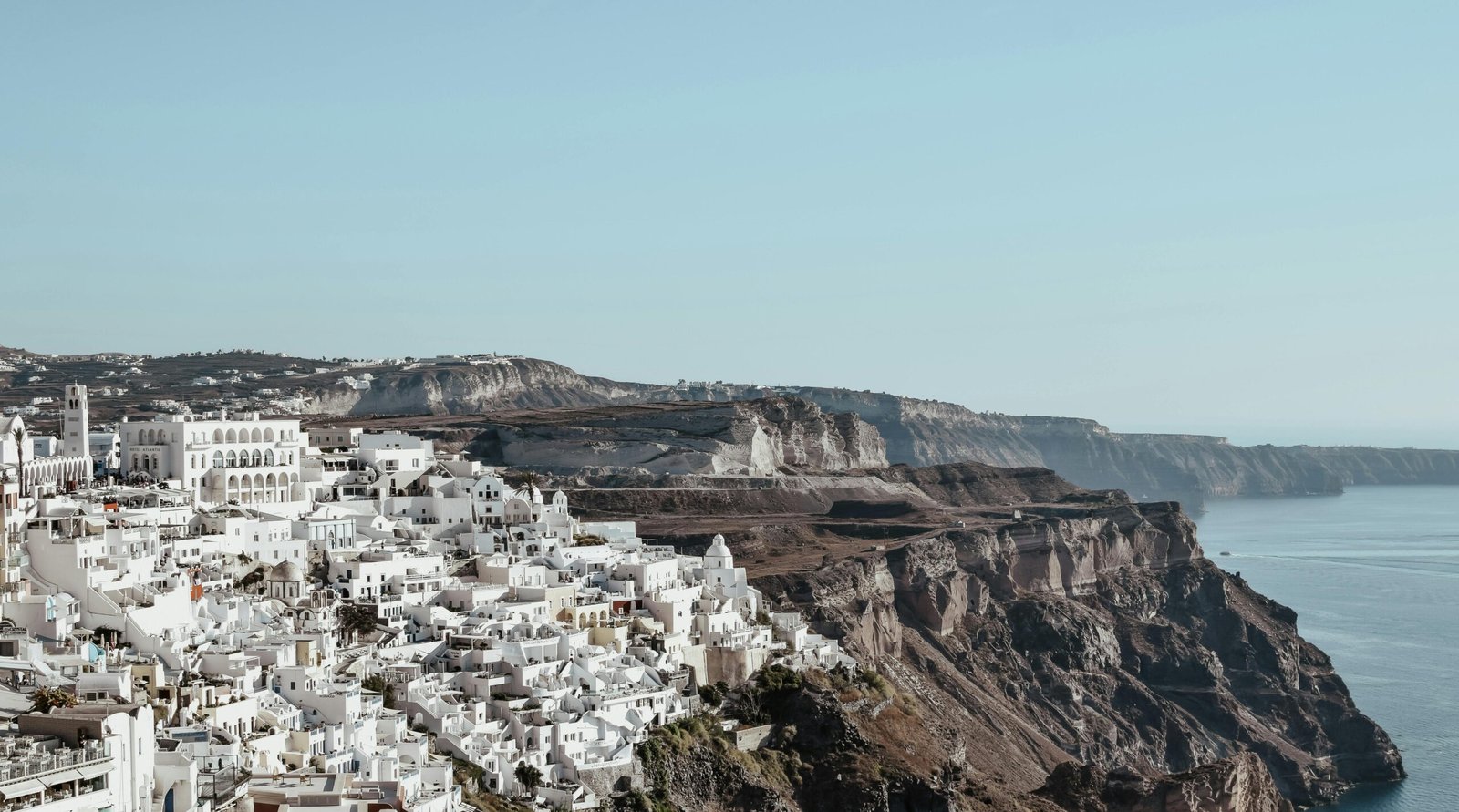
Why Santorini Feels Wrong If You Plan It Like a Normal Island
Santorini does not behave like Naxos, Paros, Crete, or even most of the Cyclades. The island is compact, heavily visited, and built around a few concentrated experiences rather than broad, easygoing variety. That means the usual island habits — late starts, spontaneous restaurant choices, and flexible wandering — create friction fast.
Why Santorini Feels Wrong If You Plan It Like a Normal Island is not a complaint. It is a warning about fit. Travelers who understand that difference usually leave satisfied; travelers who do not often leave saying the island was overrated, when the real issue was mismatch.
Why Santorini Feels Wrong If You Plan It Like a Normal Island
The core mistake is assuming Santorini gives you room to improvise. It does not. The island’s most famous areas are crowded at the same times, the best viewpoints are heavily shared, and the experience can feel compressed if you try to do too much in one day.
Most travelers assume an island is automatically relaxing. In Santorini, that is only true if you already know where to stay, when to move, and what to skip. Without that, you spend a lot of time managing queues, timing, and disappointment instead of actually enjoying the place.
This is also why the island is often overbooked by people who want a slow, open-ended trip. Santorini is not a place to “see what happens.” It is a place where the wrong assumptions cost you the day.
What Santorini Actually Rewards
Santorini rewards travelers who are selective. If your goal is a short stay with strong views, a few well-chosen meals, and a clear sense of when to be where, the island can deliver exactly that. If your goal is variety, long beach days, and easy drifting, it will feel constrained.
The island also rewards people who accept that the premium here is not just money. It is attention. You are paying for a specific experience, and the more casually you approach it, the more likely you are to miss the point.
For travelers who want the cultural side of Greece, Santorini is better when paired with context rather than treated as a standalone answer. If you want a broader sense of the country before narrowing in on islands like this, start with
Visit Greece and use that to calibrate your expectations instead of guessing.
When to Choose Santorini, and When Not To
Choose Santorini if you care about a short, polished stay and you are comfortable paying for convenience, views, and timing discipline. It works for honeymoons, milestone trips, and travelers who prefer a curated experience over a loose one.
Do not choose Santorini if your idea of a good island trip is long beach lounging, casual exploration, or moving slowly without a fixed sense of urgency. You will spend too much energy navigating crowds and too little time feeling settled.
Here is the blunt version: Santorini is a destination for intentional travelers, not casual ones. If that sounds restrictive, it is because it is.
Trade-Off Matrix: Traveler Type, Season, and Style
The same island feels very different depending on who you are and when you go. A couple on a short celebratory trip may find the concentration of the experience efficient and worth the cost. A family with mixed energy levels may find the pace irritating and the logistics unnecessarily tight.
Season matters, but not in the simplistic way people expect. Shoulder season can reduce pressure, yet it does not turn Santorini into a normal island. The structure of the destination stays the same; only the intensity changes.
- Couples: Best fit if the goal is a focused, high-value stay with clear priorities.
- Families: Mixed fit; children and flexible schedules can make the island feel more demanding than fun.
- Solo travelers: Good only if you are comfortable planning around timing and crowds.
- Beach-first travelers: Usually disappointed; there are better Greek islands for that.
- Food and wine travelers: Strong fit if you accept the premium and book around peak demand.
- High-season visitors: Expect the island to feel compressed, expensive, and less forgiving.
One counterintuitive truth: Santorini can feel more stressful in a shorter trip than in a longer one. That sounds backwards, but it is common. A two-night stay often creates pressure to “maximise” the island, while a longer stay can expose how limited the daily rhythm really is.
What Most Travelers Assume — and What Actually Happens
Most travelers assume Santorini is a place where the view is the whole experience. Actually, the view is only the headline; the real trip is shaped by crowd management, timing, and how well you tolerate repetition in the most famous areas. If you do not like being around other people in well-known places, the island will wear thin fast.
Most travelers also assume they can treat dinner, sunset, and sightseeing as flexible parts of the day. In practice, those are the moments that define the island and attract the most pressure. Miss the timing, and the day can feel strangely empty even if you were busy the whole time.
If you care about Greek heritage more broadly, it helps to remember that Santorini is only one part of a much larger travel picture. For travelers who want to balance island time with a stronger cultural frame, the Hellenic Ministry of Culture is a useful reference point for understanding how much of Greece’s value sits outside the obvious postcard route.
Common Planning Mistakes That Make Santorini Feel Worse
The biggest mistake is overpacking the stay. People often assume more time means more relaxation, but on Santorini, more time can mean more exposure to the same bottlenecks. If you do not have a reason to extend your stay, the extra nights may add cost without adding value.
Another mistake is expecting the island to behave like a broad touring base. It is not. Trying to use Santorini as a casual launch point for a loose, multi-stop island experience usually creates more friction than benefit, especially for travelers who dislike fixed timing.
Greece rewards travelers who arrive with a plan, and Santorini is one of the clearest examples. The plan does not need to be rigid, but it does need to be realistic. If your expectation is “we’ll sort it out when we get there,” Santorini is a poor match.
Clear Guidance for the Most Common Traveler Scenarios
If you are visiting for romance, fine dining, or a once-in-a-lifetime trip, Santorini makes sense when you treat it as a focused experience rather than a casual island stop. Keep the stay tight, choose quality over quantity, and accept that the island’s value is concentrated rather than diffuse.
If you are traveling with kids, low patience for crowds, or a strong desire for open-ended beach time, choose a different Greek island. Santorini can still work, but you will have to fight the destination instead of enjoying it.
If you are unsure, ask one question: do you want a destination that rewards precision or one that rewards flexibility? Santorini is the first kind. If you want the second, you are looking in the wrong place.
The right answer depends on how you actually travel — your pace, your priorities, and what you’re willing to trade off. If you’re not sure which option fits, that uncertainty is itself useful information.
Recommended experiences
Some experiences mentioned here are curated and managed by Elite Greece Travels.
- Athens Milos Santorini Itinerary 9 Days — Itinerary (managed by Elite Greece Travels).
- Greece 7 Day Itinerary Athens Delphi Meteora Santorini — Itinerary (managed by Elite Greece Travels).
- Santorini Sunset Cruise With Dinner In The Caldera — Cruise (managed by Elite Greece Travels).
Frequently asked questions
Why does Santorini feel different from other Greek islands?
Because it is concentrated, crowded, and built around a few high-demand experiences rather than broad, easygoing island life. That makes it less forgiving if you plan casually.
Is Santorini worth it if I only have a short trip?
Yes, if your priorities are clear and you are comfortable with a focused, premium experience. No, if you want variety, spontaneity, or long relaxed beach days.
What do travelers get wrong about Santorini most often?
They assume they can treat it like a normal island: arrive, wander, and let the day unfold. In reality, timing and crowd pressure shape almost everything that matters.
Is Santorini good for families?
Sometimes, but it is not the easiest Greek island for families. Crowds, timing, and the lack of casual flexibility can make it feel more tiring than relaxing.
When is Santorini least frustrating?
When you visit with realistic expectations and a clear sense of what you want from the trip. Shoulder season can reduce pressure, but it does not change the island’s basic structure.
Should I stay longer in Santorini to make it feel more relaxed?
Not automatically. Longer stays can help if you have specific reasons to be there, but they can also expose the island’s limitations more clearly and increase the feeling of repetition.
What kind of traveler enjoys Santorini most?
Travelers who like focused, high-value trips, are willing to pay for convenience, and do not mind planning around crowds and timing. That is the profile that usually leaves happiest.