

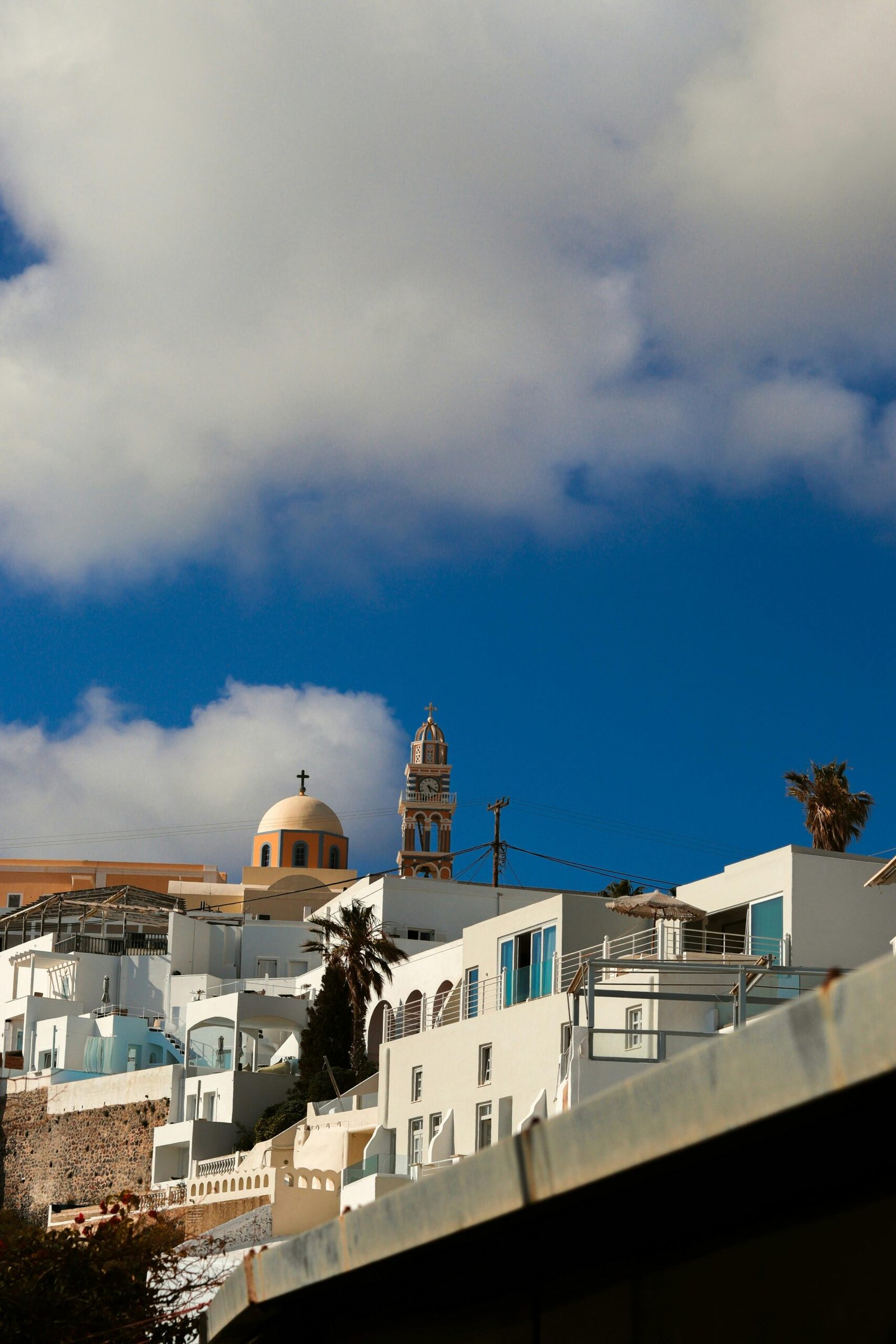
Why Santorini in Peak Season Feels Smaller Than You Expect because the island’s famous views are concentrated into a few narrow, heavily used areas, and high season puts real pressure on them. Most first-timers imagine a broad, easy island experience; in practice, the busy parts feel tightly packed, scheduled, and less forgiving than people expect.
If you are coming for a short stay, a specific hotel, or a once-in-a-lifetime view, that compression matters. Santorini can still deliver, but only if you understand what peak season actually does to space, timing, and the pace of the day.
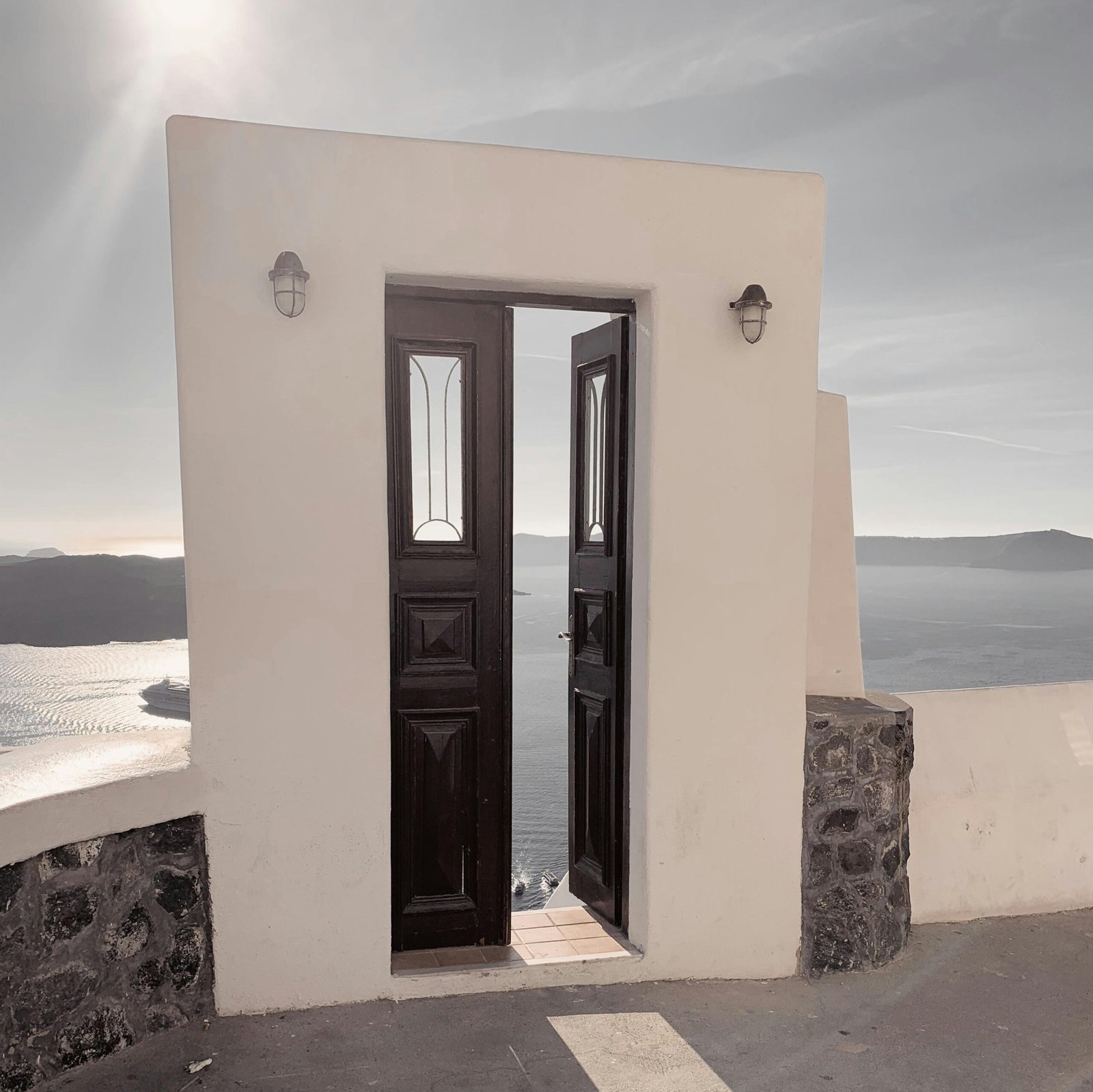
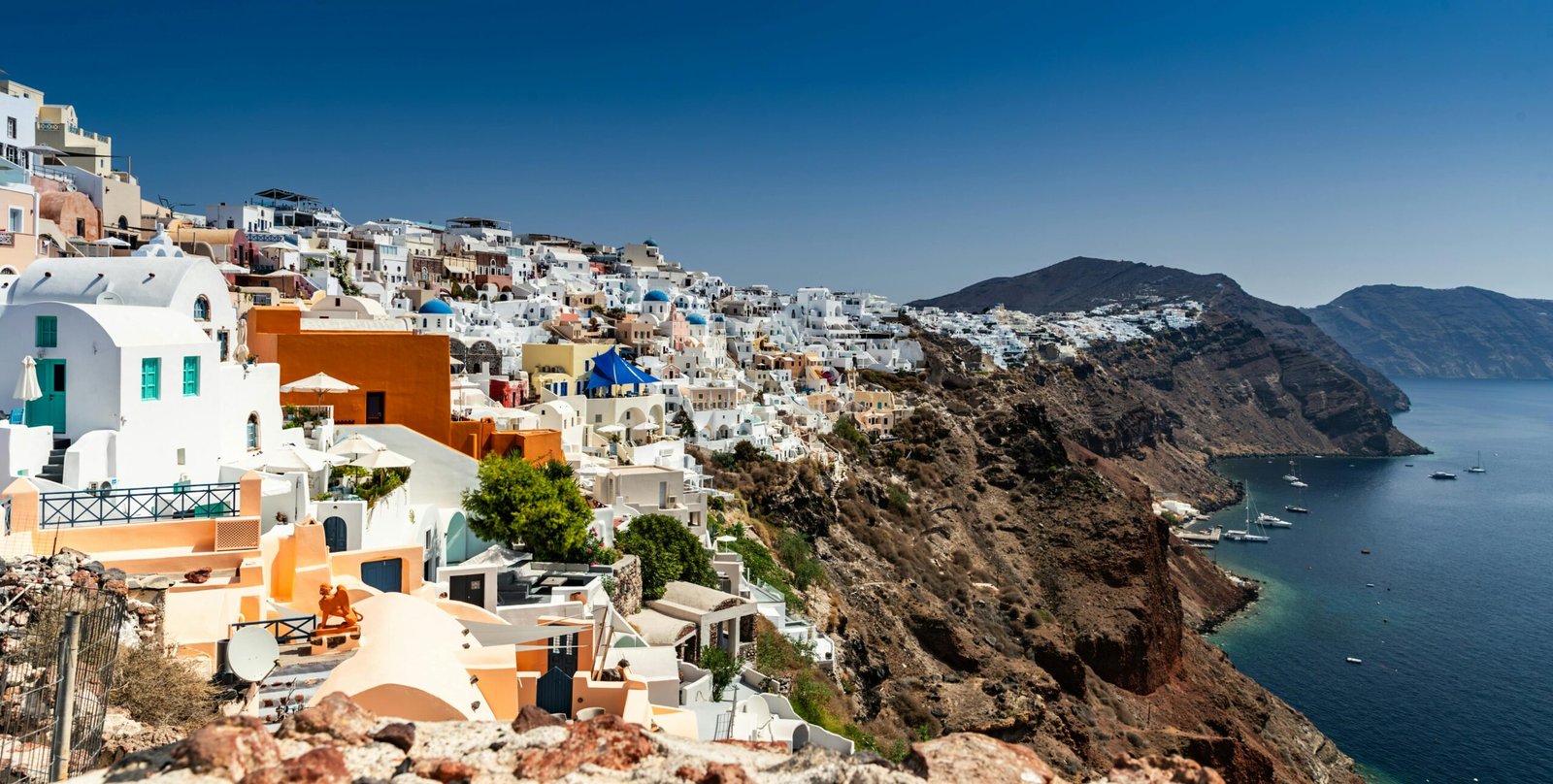
Why Santorini in Peak Season Feels Smaller Than You Expect
Why Santorini in Peak Season Feels Smaller Than You Expect is not just about crowds
The main mistake is assuming Santorini is a large island with a few busy viewpoints. It is not. The places most people want to see are clustered into a small number of villages, terraces, and cliffside paths, and peak season pushes everyone into the same narrow zones at the same hours.
That is why the island feels compressed. You are not moving through a broad destination with room to spread out; you are moving through a set of high-demand pockets where everyone wants the same photo, the same dinner slot, and the same sunset window. Why Santorini in Peak Season Feels Smaller Than You Expect is really a story about concentration, not size.
What first-timers assume, but actually find
Most travelers assume Santorini will feel glamorous and spacious because the views look open in photos. Actually, the experience is often procedural: reservations, queues, timed arrivals, limited table choice, and constant negotiation around where to stand, sit, or park yourself for the view. That is the part people do not budget for mentally.
The surprise is not that Santorini is busy. The surprise is that the busiest areas can feel socially and physically tight even when the island itself is not full in any absolute sense. A place can look expansive in a photo and still feel cramped once thousands of people are trying to use the same ledges, lanes, and restaurants at once.
When Santorini works in peak season
I am clear on this: peak season is worth it only if you already know what you are buying. If you are staying in a well-located property, care more about the caldera setting than about wandering freely, and are comfortable structuring the day around the island’s busy rhythm, Santorini still makes sense.
It also works for travelers who are fine with a more contained trip. If your plan is to enjoy the hotel, book meals in advance, and accept that the best-known viewpoints will be crowded, you will probably be satisfied. If you want spontaneity, easy movement, and a sense of breathing room, peak season is the wrong version of Santorini.
When it is the wrong choice
Peak season is the wrong choice for anyone expecting a relaxed island with casual exploration. You will waste time if you assume you can just show up and improvise. The friction is real: longer waits, tighter availability, more pressure on the most famous areas, and less room to recover from a bad timing decision.
It is also a poor fit for travelers who dislike being boxed into a schedule. Santorini in summer does not forgive loose planning, and the cost of getting it wrong is not just inconvenience. It is a wasted evening, a disappointing meal slot, or a sunset experience that feels more like crowd management than leisure.
Trade-off matrix: who feels the squeeze most
- Couples on a short luxury trip: usually fine if they prioritize one base, one view, and a few well-chosen experiences.
- First-time visitors chasing the classic image: often satisfied, but only if they accept crowding as part of the product.
- Families with children: more friction, because narrow spaces and busy timing make everything feel harder.
- Independent travelers who like flexibility: most likely to feel boxed in and underwhelmed.
- Repeat visitors: usually understand the trade-offs and plan around them more realistically.
Most travelers assume peak season only changes the number of people. Actually, it changes the shape of the trip. Your margin for error gets smaller, your best moments become more scheduled, and the island’s famous appeal becomes more concentrated into fewer usable hours.
How season changes the feeling of scale
In quieter months, Santorini can feel like a place with room to move between villages, meals, and viewpoints without constant pressure. In peak season, the same island feels narrower because the usable parts of it are being used hard. That difference is not subtle once you are there.
Why Santorini in Peak Season Feels Smaller Than You Expect is also a useful way to think about energy. The island does not become less attractive, but it becomes less forgiving. If you are the kind of traveler who notices bottlenecks, wait times, and crowd density, you will feel them quickly.
For broader context on how Greek destinations are presented to international travelers, the official tourism site
Visit Greece is a useful starting point, but it will not tell you how compressed Santorini feels at the height of summer.
What to do if Santorini is already booked
If your trip is fixed, do not try to fight the season. Build around the parts of the island that can absorb pressure well, and do not overpack the day. The biggest mistake is trying to force too many major stops into a destination that already feels tight when it is busy.
Also, stop assuming every famous viewpoint needs to be treated like a major event. Some of the best experiences in Santorini are not about chasing the most photographed angle. They are about choosing a base that reduces friction and accepting that the island’s peak-season rhythm is part of the trip, not an inconvenience to be eliminated.
For travelers who want a sense of the cultural and regulatory context behind Greek destinations, the Hellenic Ministry of Culture is useful background, especially when you want to understand why certain places are managed the way they are.
Clear guidance for the most common traveler scenarios
If you want romance, one iconic view, and a polished stay, Santorini in peak season can still be a strong choice. If you want freedom, easy wandering, and a destination that feels roomy, it will frustrate you. If you are deciding between dates, the season is not a minor detail here; it changes the whole experience.
My position is simple: Santorini is best when you understand it as a high-demand, high-compression destination and not as a relaxed island escape. That is why Why Santorini in Peak Season Feels Smaller Than You Expect is such an important question to ask before you book, not after you arrive.
The right answer depends on how you actually travel — your pace, your priorities, and what you’re willing to trade off. If you’re not sure which option fits, that uncertainty is itself useful information.
Frequently asked questions
Why does Santorini feel smaller in peak season?
Because the parts most visitors want are concentrated into a few villages, viewpoints, and dining areas. In summer, everyone is funneled into the same limited spaces at the same times, so the island feels compressed even if it is not physically small.
Is Santorini too crowded in summer?
For travelers who dislike queues, packed viewpoints, and limited flexibility, yes, it often is. For travelers who accept crowding as the price of visiting the classic version of Santorini, it can still work.
What is the biggest mistake first-time visitors make?
They assume they can be spontaneous. In peak season, that usually leads to wasted time, limited availability, and a trip that feels more managed than enjoyable.
Is Santorini still worth visiting in high season?
Yes, if you are coming for a specific type of trip: a polished stay, iconic caldera views, and a short, focused visit. It is less convincing for travelers who want space, flexibility, and easy movement.
Who is most likely to feel disappointed by Santorini in summer?
Independent travelers, families, and anyone expecting a relaxed island with room to wander. They are the groups most likely to notice the bottlenecks and feel the loss of freedom.
How should I think about Santorini if I only have a few days?
Treat it as a concentrated experience, not a base for casual exploration. The fewer days you have, the more important it is to choose the right area and accept that the island’s peak-season rhythm will shape the trip.