

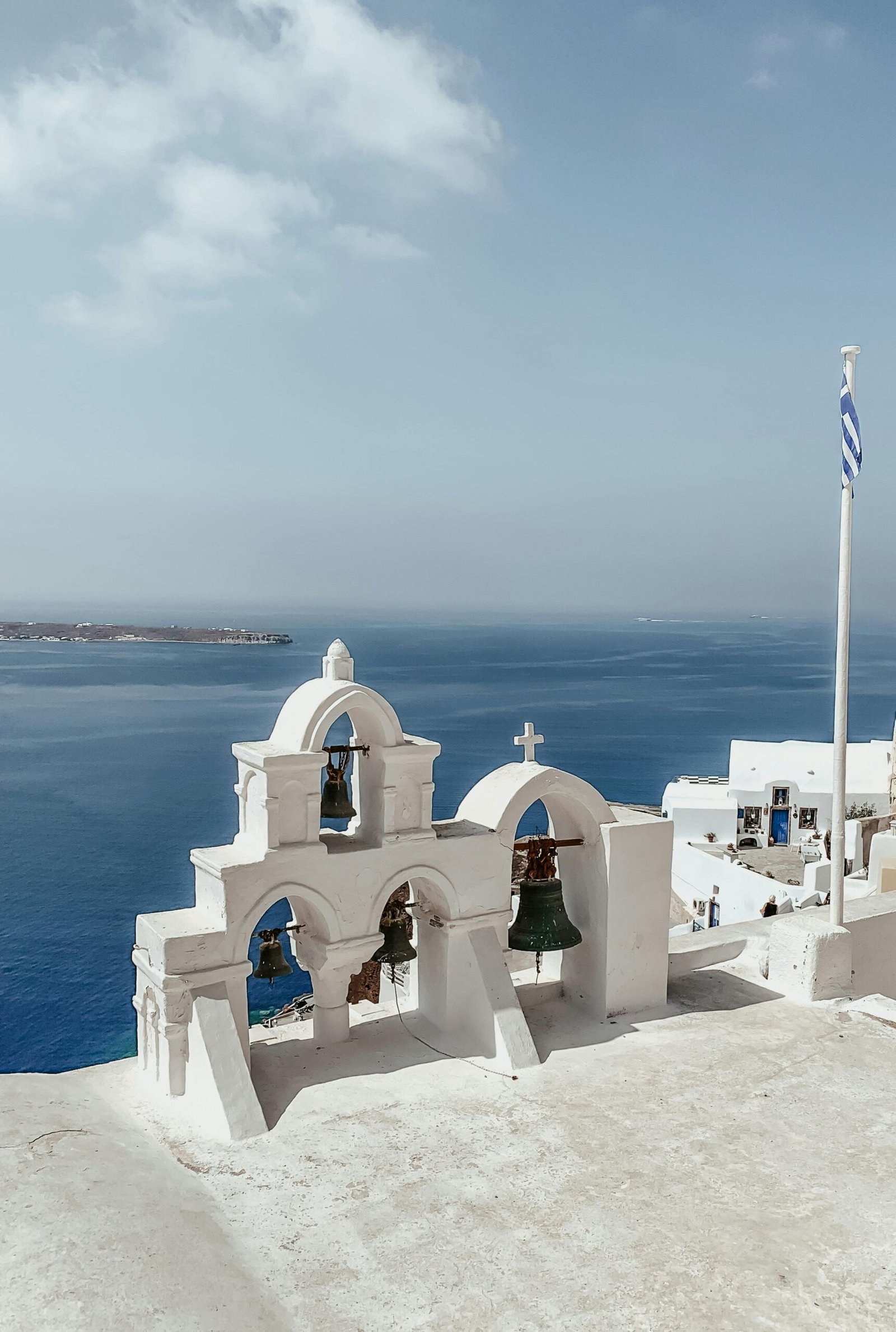
Why Santorini in Peak Season Is a Beautiful Mistake is the right question to ask before you book, because the island in July and August is not the relaxed version most first-timers picture. It is still worth seeing, but the experience changes fast once the crowds, pricing, and pressure peak.
If you want a polished, high-energy trip and you accept that the classic caldera experience comes with friction, peak season can work. If you want calm movement, easy dining decisions, and space to actually enjoy the island, this is where expectations usually break.
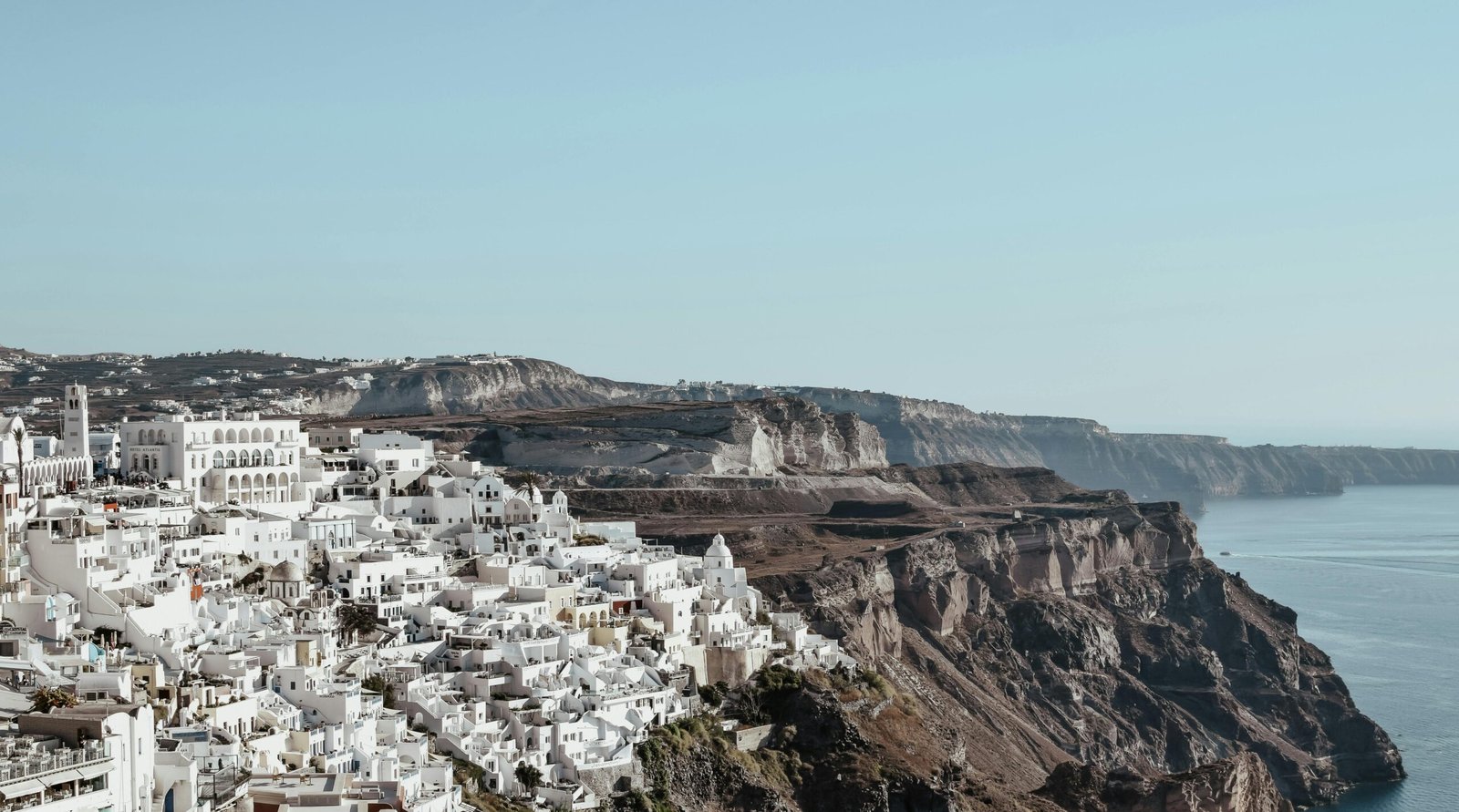
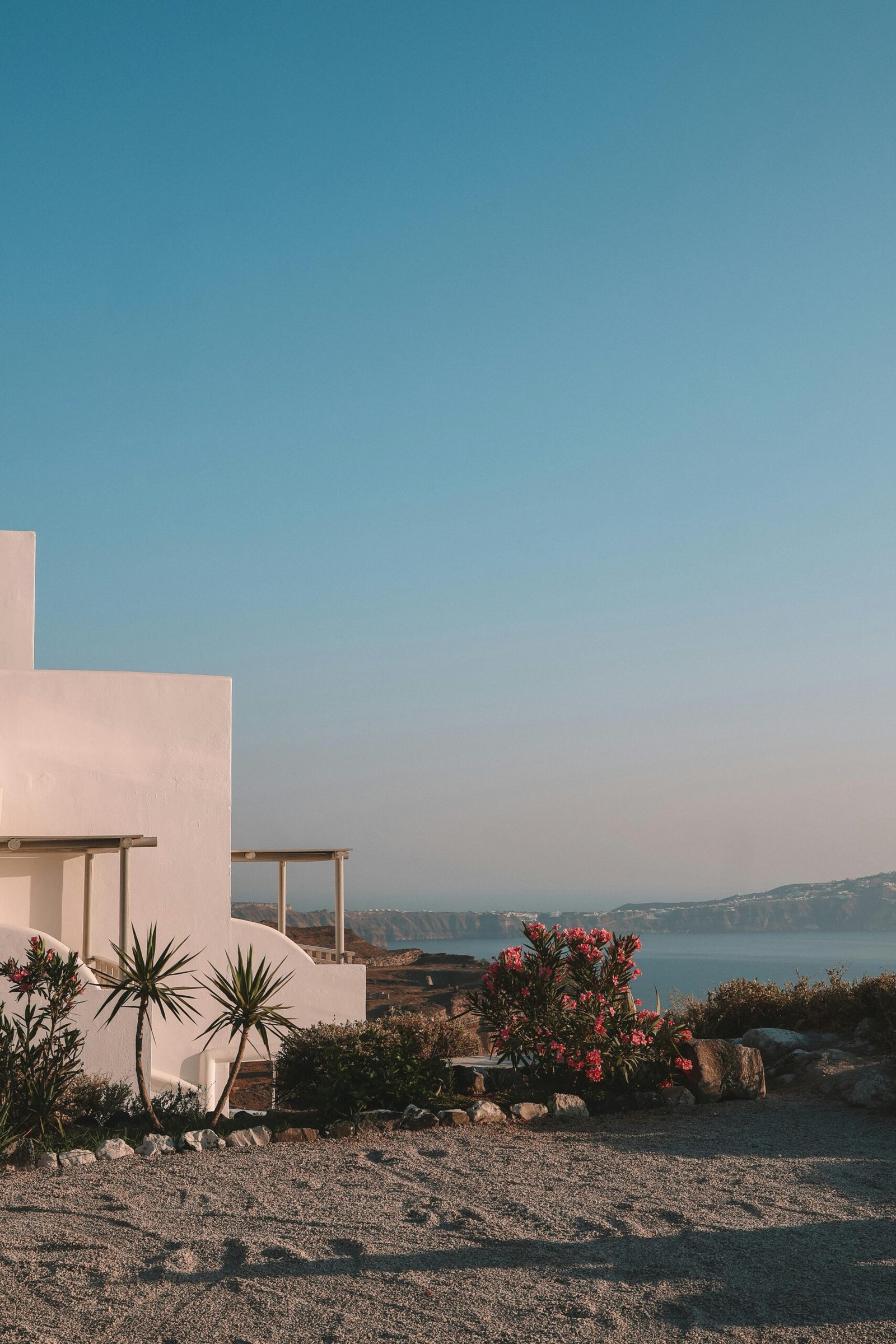
Why Santorini in Peak Season Is a Beautiful Mistake
Why Santorini in Peak Season Is a Beautiful Mistake is not a warning to avoid the island entirely. It is a warning to stop expecting a relaxed version of Santorini in the busiest weeks of the year. The island still delivers the views people come for, but the day-to-day experience becomes more crowded, more expensive, and more performative than most first-time visitors are ready for.
Most travelers assume Santorini is difficult only because it is popular. That is too soft. The real issue is that peak season amplifies every friction point at once: prices climb, reservations become essential, walking routes get congested, and even simple meals start to feel scheduled. If you value ease, this matters more than the scenery.
Why Santorini in Peak Season Is a Beautiful Mistake for many first-timers
The mistake is not going to Santorini. The mistake is going in July or August and expecting the island to feel intimate, unhurried, or spontaneous. At that point, the experience is closer to managing demand than discovering a destination.
This is where Why Santorini in Peak Season Is a Beautiful Mistake becomes a practical statement, not a dramatic one. People spend heavily for a dream and then discover they are paying premium rates to compete for the same viewpoints, the same dinner slots, and the same stretch of quiet. That mismatch creates disappointment even in travelers who usually handle busy destinations well.
If your goal is a classic Santorini trip with fewer compromises, shoulder season is the smarter play. You get more breathing room, better value, and a calmer atmosphere without sacrificing the island’s core appeal. Greece rewards travelers who arrive with a plan, but Santorini in peak season rewards them less than almost anywhere else in the country.
What actually changes in high season
Pricing is the first shock, but not the only one. Hotels, suites, and restaurants all price for maximum demand, and the best-positioned places sell out early enough that late planners are left choosing between overpaying or settling. That is where many trips lose quality before they even start.
The second change is crowd behavior. Santorini does not just feel busy; it feels compressed. Paths, viewpoints, terraces, and dining rooms all absorb more people than they were designed to handle comfortably, and the result is a constant low-grade friction that travelers notice even when they do not say it out loud.
The third change is atmosphere. In peak season, parts of the island feel less like a place and more like a sequence of photo stops, transfers, and timed reservations. For some travelers that is fine. For others it drains the trip of the very calm they were trying to buy.
Decision logic: when to choose Santorini, and when not to
Choose Santorini in peak season if you care most about the caldera setting, are comfortable paying for location, and do not mind planning around demand. This works best for travelers who treat the island as a short, high-impact stop rather than a slow, restorative stay.
Do not choose peak season Santorini if you want easy wandering, flexible dining, or a sense that the island is working with you rather than against you. Families with young children, travelers sensitive to crowds, and anyone trying to keep costs under control usually feel the pressure fastest. For those travelers, Why Santorini in Peak Season Is a Beautiful Mistake is not a slogan; it is a useful filter.
One counterintuitive point: the busiest season is not always the best time for the people who most want the famous view. That sounds backwards, but it is true. The more you pay in peak season, the more likely you are paying for access to a crowded version of the same scene, not a better one.
Trade-off matrix for traveler type and season
The same island produces very different outcomes depending on who is going.
- Couples seeking romance: Peak season can feel special if they accept premium pricing and crowded sunset spots. It disappoints if they want privacy and ease.
- Luxury travelers: They can still have a strong trip, but only if they are willing to spend aggressively and book early. The money is not the issue; the friction still is.
- Families: Usually a poor fit in peak weeks unless the family is unusually patient and organized. Heat, crowds, and constant movement make the island tiring.
- Photographers: The light is not the problem. The problem is sharing every angle with everyone else.
- First-time Greece visitors: Santorini can be a memorable first impression, but peak season can also skew expectations badly for the rest of the country.
Season matters as much as traveler type. Early summer and early autumn are much easier to live with, while the core summer weeks are where the island becomes most expensive and least forgiving. If you want Santorini but not the grind, that distinction matters more than almost any hotel category.
Most travelers assume the island is relaxed because it looks serene
Most travelers assume Santorini is calm because the photos look calm. Actually, the island can be one of the least relaxed places in Greece during peak season precisely because everyone is trying to experience the same calm image at the same time. That creates a strange contradiction: the setting is beautiful, but the rhythm is tense.
This is why Why Santorini in Peak Season Is a Beautiful Mistake keeps coming up in honest planning conversations. The island is not failing to be beautiful. It is failing to be easy, and those are not the same thing. Travelers who understand that distinction make better decisions and waste less money.
What travelers consistently underestimate
They underestimate how much the island’s appeal depends on timing. Santorini is not a place where you can casually arrive in high season and expect the day to sort itself out. The cost of spontaneity is high, and the penalty is usually wasted time in a place where time already feels expensive.
They also underestimate how quickly crowd fatigue sets in. One busy viewpoint is fine. A full day of busy viewpoints, crowded dining, and expensive logistics is where the trip starts to feel like work. That is the part many travelers do not budget for.
They underestimate the emotional effect of paying top rates for a less-than-restful stay. That is the real reason Why Santorini in Peak Season Is a Beautiful Mistake resonates with so many experienced travelers. The island is not overpriced in a vacuum; it is overpriced relative to the quality of ease you actually get.
For travelers who still want the cultural context of Greece beyond the island circuit, the broader national picture is worth understanding through
Visit Greece. It helps put Santorini in perspective as one part of a much wider travel country, not the default standard for all Greek trips. That perspective usually improves decision-making.
Clear guidance for the most common traveler scenarios
If you are a first-timer with limited time and a flexible budget, Santorini can still be a strong choice, but not in the busiest weeks unless you accept the trade-offs. If you are traveling for quiet, value, or ease, pick another window or another island.
If you are set on Santorini for a milestone trip, go in with your eyes open. Pay for the location if you want it, book early, and stop expecting the island to feel effortless. That is the difference between a good experience and an expensive disappointment.
If you are choosing between Santorini and a less pressured Greek island, ask what you are actually buying. In peak season, Santorini buys you the name, the view, and the status of being there. It does not automatically buy you comfort. For travelers who care about the national context and heritage behind a Greece trip, the Ministry of Culture is a useful reference point for understanding how much more there is to the country than one famous island.
Why Santorini in Peak Season Is a Beautiful Mistake is the right conclusion for travelers who want honesty over fantasy. The island is still worth seeing, but peak season is where the dream becomes costly, crowded, and less forgiving than most people expect.
The right answer depends on how you actually travel — your pace, your priorities, and what you’re willing to trade off. If you’re not sure which option fits, that uncertainty is itself useful information.
Recommended experiences
Some experiences mentioned here are curated and managed by Elite Greece Travels.
- Athens Milos Santorini Itinerary 9 Days — Itinerary (managed by Elite Greece Travels).
- Greece 7 Day Itinerary Athens Delphi Meteora Santorini — Itinerary (managed by Elite Greece Travels).
- Santorini Sunset Cruise With Dinner In The Caldera — Cruise (managed by Elite Greece Travels).
Frequently asked questions
Is Santorini worth visiting in peak season?
Yes, if you care most about the caldera views and are comfortable paying more for a busier experience. No, if your priority is ease, space, and a relaxed pace. Peak season Santorini is still impressive, but it is not the low-stress version many travelers imagine.
Why is Santorini in peak season called a beautiful mistake?
Because the island still looks like the Santorini people dream about, but the experience often comes with crowding, inflated prices, and less flexibility than expected. The beauty is real. The mistake is assuming that beauty automatically means a good high-season trip.
What is the biggest problem with Santorini in July and August?
The biggest problem is not one single issue. It is the combination of crowds, premium pricing, and constant planning pressure. That combination makes the island feel less restful and more managed.
Who should still go to Santorini in peak season?
Travelers who want the iconic view, have a healthy budget, and do not mind planning ahead. It can also work for couples or luxury travelers who are treating Santorini as a short, high-impact stop rather than a slow island stay.
Who should avoid Santorini in peak season?
Families with young children, budget-conscious travelers, and anyone looking for quiet or flexibility. These travelers usually feel the friction fastest and get the least value from the busiest weeks.
Is Santorini better in shoulder season?
For most travelers, yes. Shoulder season usually offers a better balance of weather, availability, pricing, and atmosphere. You still get the island’s core appeal without as much crowd pressure.
What do people get wrong about Santorini?
They assume the island’s beauty guarantees a smooth trip. In reality, Santorini can be beautiful and exhausting at the same time, especially in peak season. That gap between image and experience is where disappointment starts.