

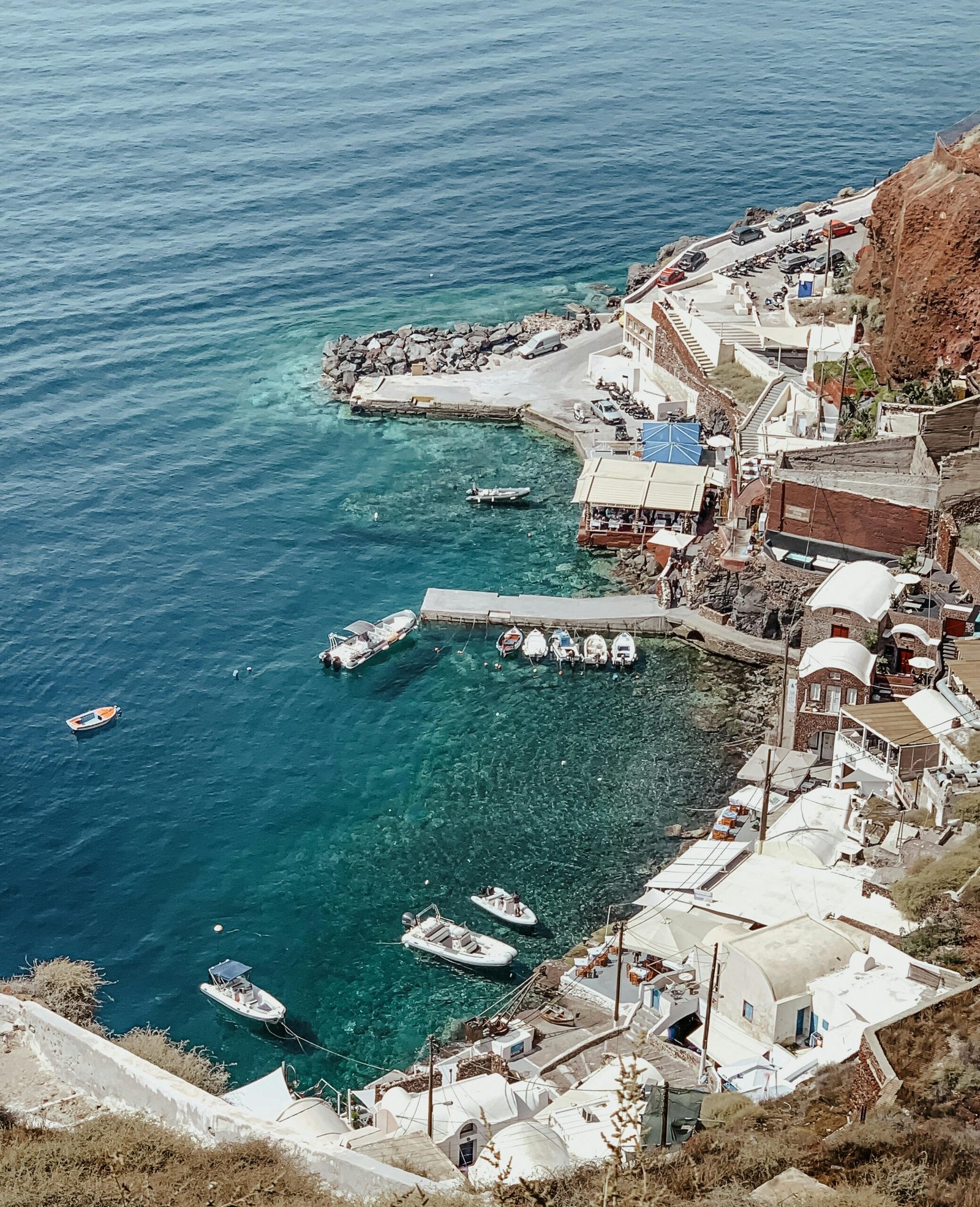
Why Santorini in Shoulder Season Still Isn’t an Easy Trip is a question I hear from travelers who assume fewer crowds means fewer problems. That is not how Santorini works. The island gets quieter in spring and autumn, but the same basic friction stays in place: awkward layouts, uneven transport, tight check-in windows, and a lot of people still choosing the wrong base.
The mistake is thinking shoulder season turns Santorini into a simple place. It does not. It just makes the problems less visible until you are already dealing with them.
Why Santorini in Shoulder Season Still Isn’t an Easy Trip
Why Santorini in Shoulder Season Still Isn’t an Easy Trip is not a rhetorical question. It is a practical warning. The island looks calmer in April, May, late September, and October, but the underlying structure does not change: steep terrain, split-level settlements, limited room for error, and a travel pattern built around short stays rather than relaxed movement.
People who come here expecting an easy island break usually find themselves spending too much time adjusting plans, waiting around, or paying more than they expected for convenience. That is the real issue with Santorini in shoulder season. The crowds shrink, but the friction does not disappear.
The island is quieter, not simpler
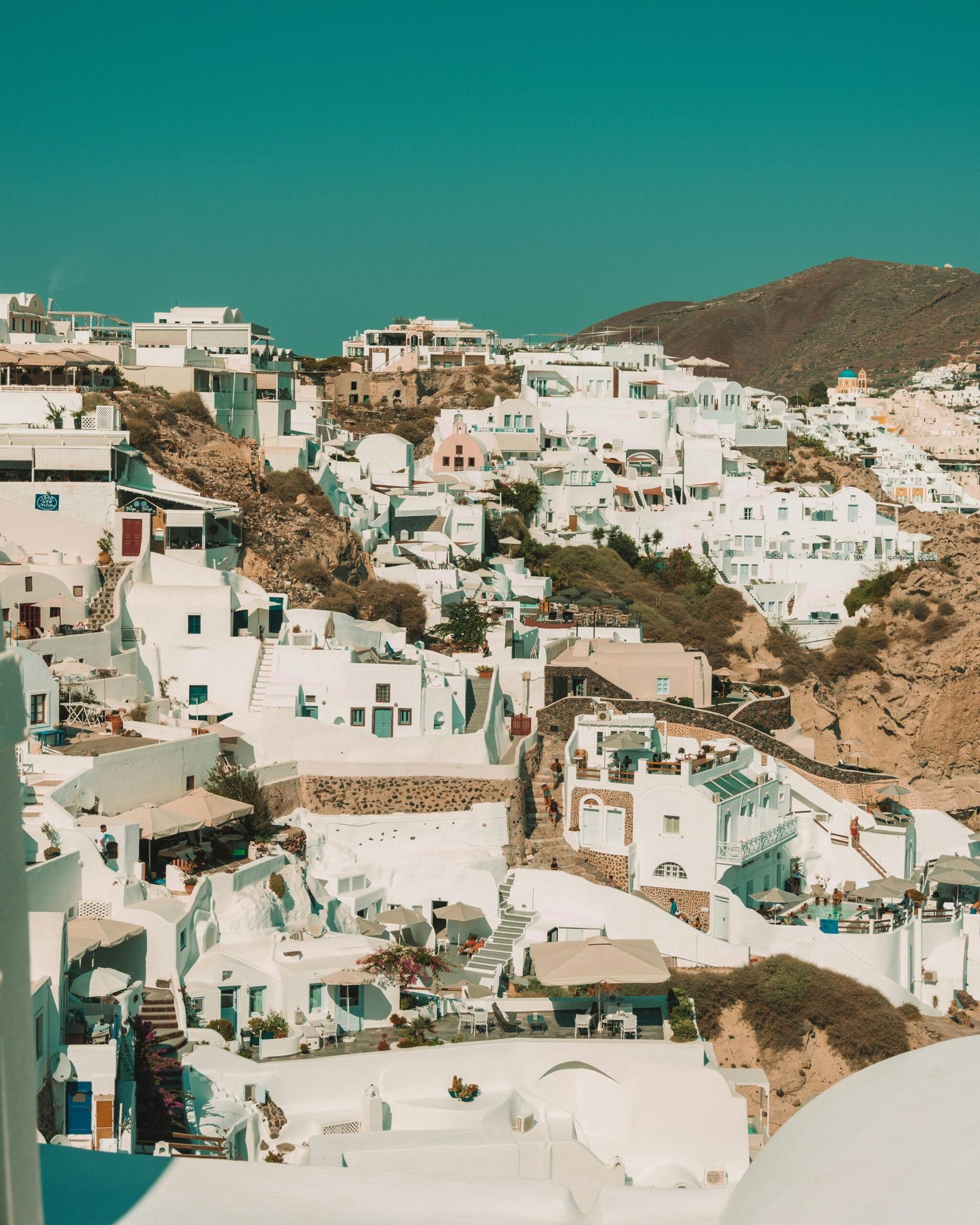
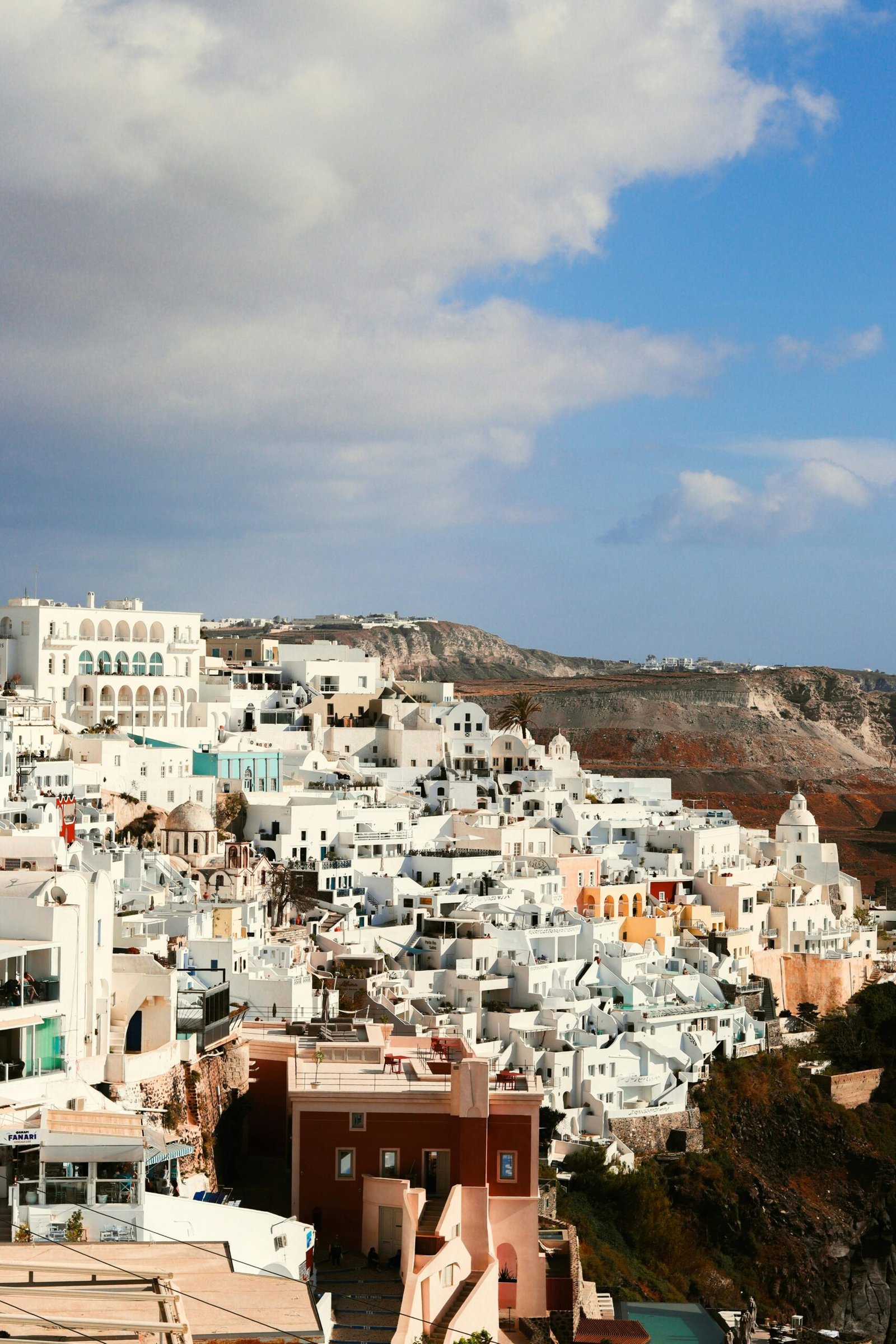
Shoulder season gives Santorini a better atmosphere, but that is not the same as operational ease. Fira, Oia, Imerovigli, and Pyrgos all still sit within a landscape that makes basic movement more tiring than travelers expect. Distances that look short on a map feel longer once you add slopes, steps, and awkward pedestrian routes.
This matters because many visitors build their trip around the idea that they can move casually between viewpoints, dinners, and hotels. In practice, a “short walk” in Santorini often means heat, stairs, uneven surfaces, and a return climb that feels worse after sunset. That is not a small inconvenience when you are carrying luggage, wearing the wrong shoes, or trying to make a reservation on time.
Why Santorini in Shoulder Season Still Isn’t an Easy Trip when you choose the wrong base
Location mistakes are one of the most common reasons Santorini feels harder than it should. Travelers book a place that sounds peaceful or “central” and later discover that central in Santorini can mean very different things depending on whether you are in Fira, on the caldera edge, down by the road network, or tucked into a village with limited access. Some properties are genuinely well-placed. Others are just positioned to sound convenient in a listing.
My clear position: if you want a low-friction stay, you should prioritize function over romance. A caldera view is pleasant, but if the property forces you into long walks, steep access, or awkward transfers every time you leave, the view starts to feel expensive rather than valuable. Santorini punishes travelers who choose scenery first and logistics second.
Ferry timing still creates a bad start or a bad ending
Shoulder season does not eliminate ferry fatigue. Routes may be less crowded than in August, but the timing is still fragile, and the island still runs on a rhythm that can make a day feel chopped up. Arriving too early leaves you waiting around in a place where comfort is not guaranteed. Arriving too late can compress your first evening into a scramble.
The emotional cost here is real. Travelers arrive already tired, then discover they are not yet close to check-in, not yet settled, and not yet in the mood they expected. Santorini is one of those places where a bad arrival can color the entire trip, because people come with a strong mental image and are disappointed when the practical experience feels clumsy instead of seamless.
Dining, sunset, and reservations are still not casual in practice
Shoulder season creates a false sense of ease around dining. Yes, there is more breathing room than in peak summer, but the best tables, the best sunset positions, and the most reliable service patterns still need attention. Oia in particular remains a place where timing matters because everyone wants the same narrow window of light and the same handful of high-demand spots.
What travelers underestimate is how much of Santorini is built around a schedule that is not flexible in the way they expect. If your dinner runs late, your sunset plans may be ruined. If you treat the evening casually, you can end up paying premium prices for a mediocre seat and a rushed experience. For travelers who care about the UNESCO side of Greece beyond the islands, the same principle applies across the country: the Ministry of Culture manages sites and heritage with rules that do not bend to tourist convenience, and Santorini is no exception to that broader Greek reality.
Who feels this friction most
Some travelers handle Santorini in shoulder season just fine. Others get worn down quickly. The most affected are first-time visitors who assume the island functions like a compact resort destination, older travelers who dislike slopes and stairs, and couples who want an easy, spontaneous pace without building in downtime. Families with young children also tend to feel the strain faster than they expect.
- Travelers who want to “see everything” in a short stay
- Visitors relying on last-minute decisions
- Anyone with mobility limits or heavy luggage
- People who book based on photos instead of access
These are the travelers most likely to mistake inconvenience for poor planning by the island itself. The island is not broken. It is just not designed for casual, low-effort movement.
The surprising part: shoulder season can feel more exposed, not less
Here is the counterintuitive part. In peak season, the crowds can sometimes hide bad planning because there is a constant buzz of activity and more obvious structure around demand. In shoulder season, the island gets quieter, and the gaps become more visible. You notice the long waits, the limited transport rhythms, the off-hours dead zones, and the fact that some places feel oddly underpopulated while still being logistically awkward.
That is why Why Santorini in Shoulder Season Still Isn’t an Easy Trip is a better question than “Is shoulder season better?” Better for what, exactly? Better for photos, usually. Better for convenience, not automatically. Better for travelers who can tolerate a little friction and understand that a calm atmosphere is not the same thing as a simple trip.
What intelligent planning looks like here
Reactive travelers book the island first and figure out the rest later. They assume shoulder season will make everything easier, then spend the trip adjusting to the island’s actual pace. Smart travelers do the opposite. They treat Santorini as a place where location, timing, and movement all matter more than they do in most Greek destinations.
That means choosing a base for access, not just for the view. It means respecting arrival and departure days as real parts of the trip, not dead time to be ignored. It means understanding that Why Santorini in Shoulder Season Still Isn’t an Easy Trip is not a warning against going; it is a warning against underestimating what the island asks of you. If you want to see how Greece works at a higher level of planning, start with the official country resource at
Visit Greece and then build the trip around reality, not assumptions.
Every Greece trip involves navigating trade-offs you didn’t fully anticipate. The question isn’t whether you’ll encounter friction — it’s whether you’ve built enough flexibility into your plans to handle it without it defining the trip.
Recommended experiences
Some experiences mentioned here are curated and managed by Elite Greece Travels.
- Athens Milos Santorini Itinerary 9 Days — Itinerary (managed by Elite Greece Travels).
- Greece 7 Day Itinerary Athens Delphi Meteora Santorini — Itinerary (managed by Elite Greece Travels).
- Santorini Sunset Cruise With Dinner In The Caldera — Cruise (managed by Elite Greece Travels).
Frequently asked questions
Is Santorini actually easier in shoulder season?
Easier in some ways, yes. Less crowded, more availability, and less pressure in certain areas. But the island’s layout, timing issues, and location trade-offs remain, so it is not a simple destination just because the crowds are smaller.
What is the biggest mistake travelers make in Santorini during shoulder season?
Choosing a property or area based on view alone. In Santorini, access matters more than most people expect, and a poorly placed hotel can turn a short stay into a constant series of small frustrations.
Does shoulder season solve the sunset crowd problem in Oia?
Not entirely. It is better than peak summer, but Oia is still one of the most concentrated sunset areas on the island, and the timing around that window still shapes the experience.
Is Santorini good for travelers who want a relaxed, spontaneous trip?
Not usually. Santorini asks for more structure than many travelers expect. Spontaneity is possible, but it works much better when the basics are already thought through.
Why does ferry timing matter so much for Santorini?
Because the island’s arrival and departure rhythm can eat into your usable time quickly. A slightly awkward ferry schedule can leave you tired, waiting, or rushing, and that affects the whole stay.
Who should think twice before booking Santorini in shoulder season?
Travelers with mobility concerns, families with young children, and anyone expecting an easy, resort-style island experience. Santorini can still work, but it is not forgiving if you want low-effort movement.