

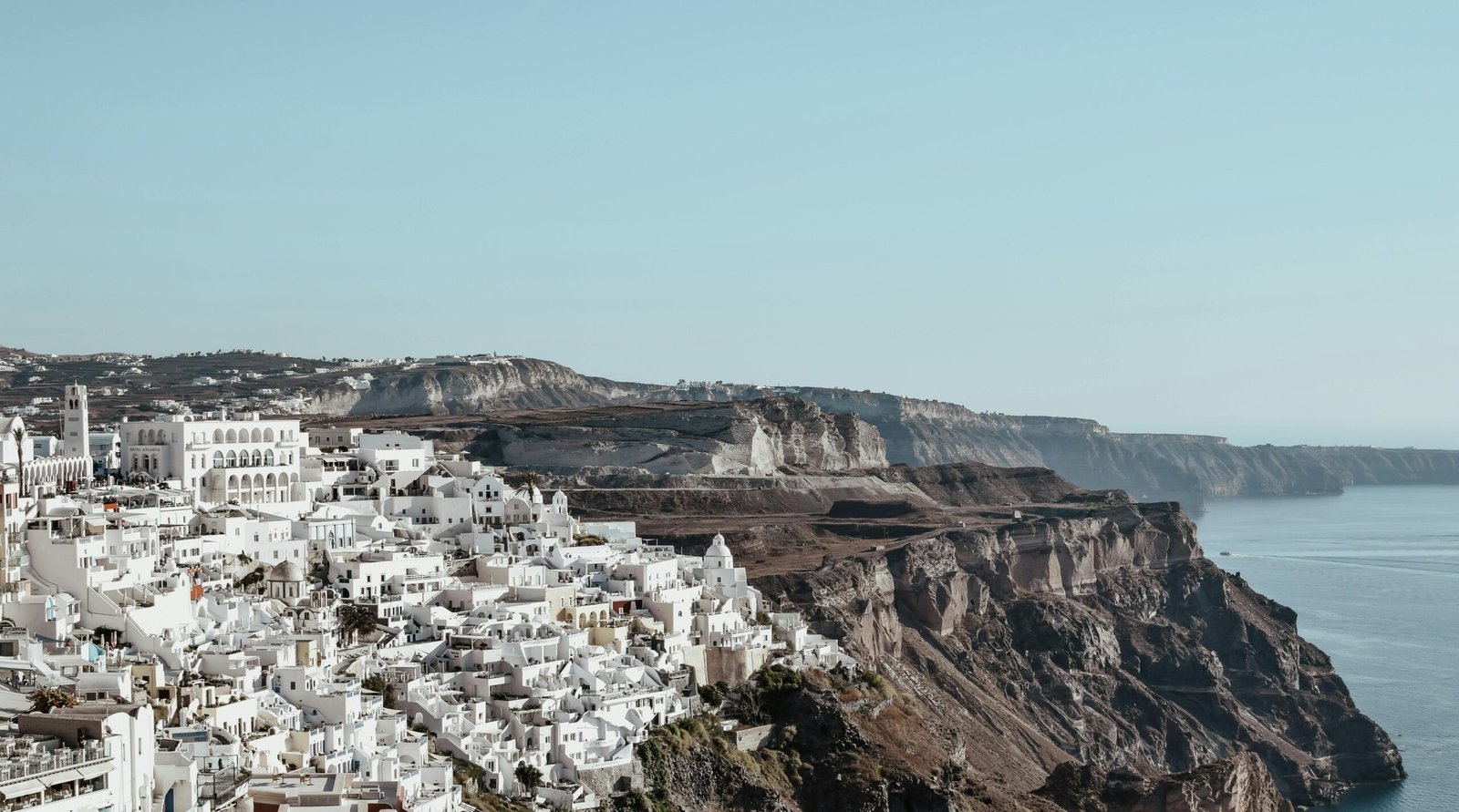
Why Santorini in Shoulder Season Still Isn’t the Santorini You Expect is the right question if you are trying to avoid peak-season mistakes. The island is calmer in spring and autumn, yes, but that does not mean it becomes a cheaper, easier, or fully open version of the same place.
In shoulder season, Santorini changes in ways most articles gloss over: service levels, ferry pressure, swimming conditions, sunset crowds, and the overall pace of the island. If you are choosing timing for a honeymoon, a luxury stay, or a short island stop, those differences matter more than the weather chart.
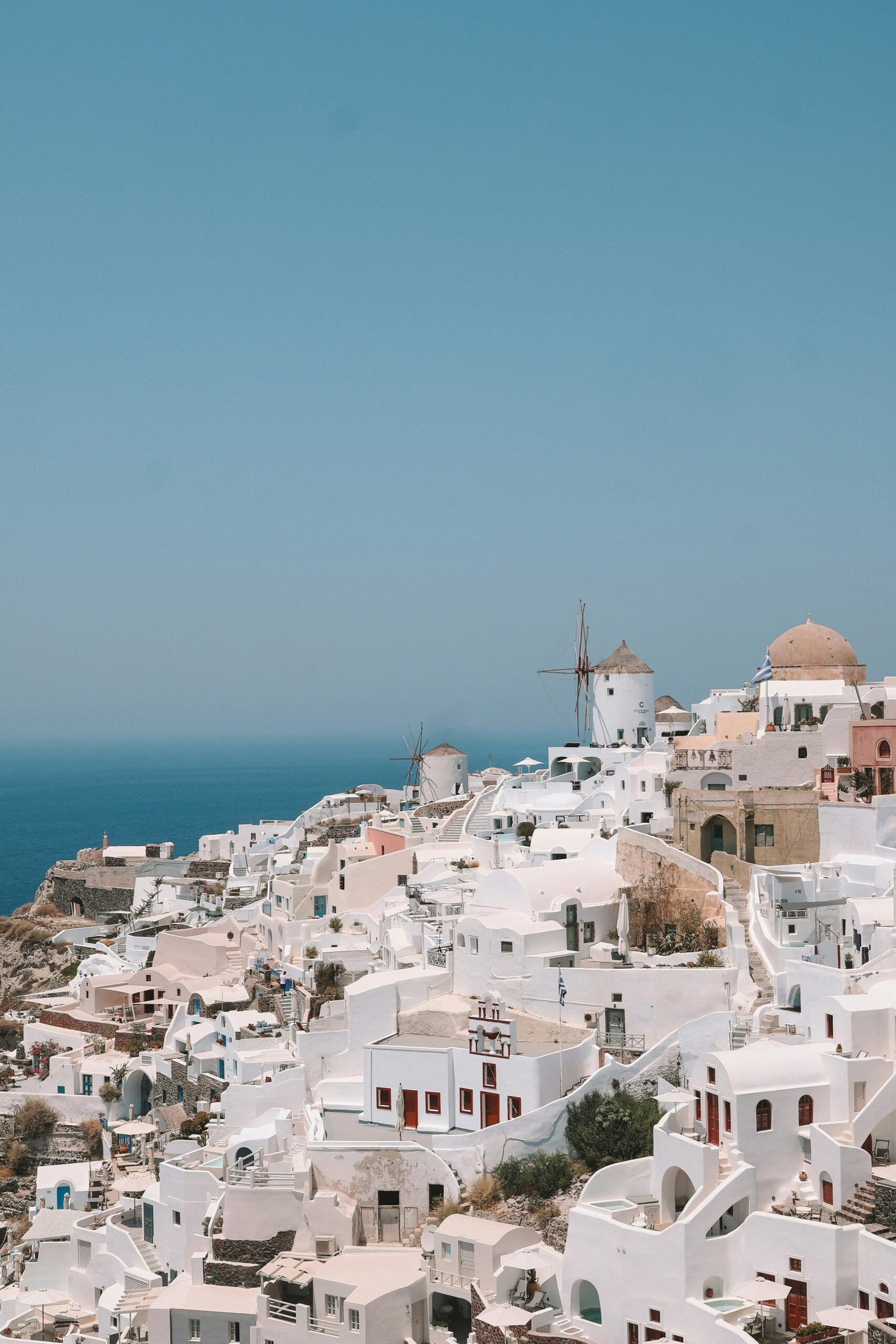
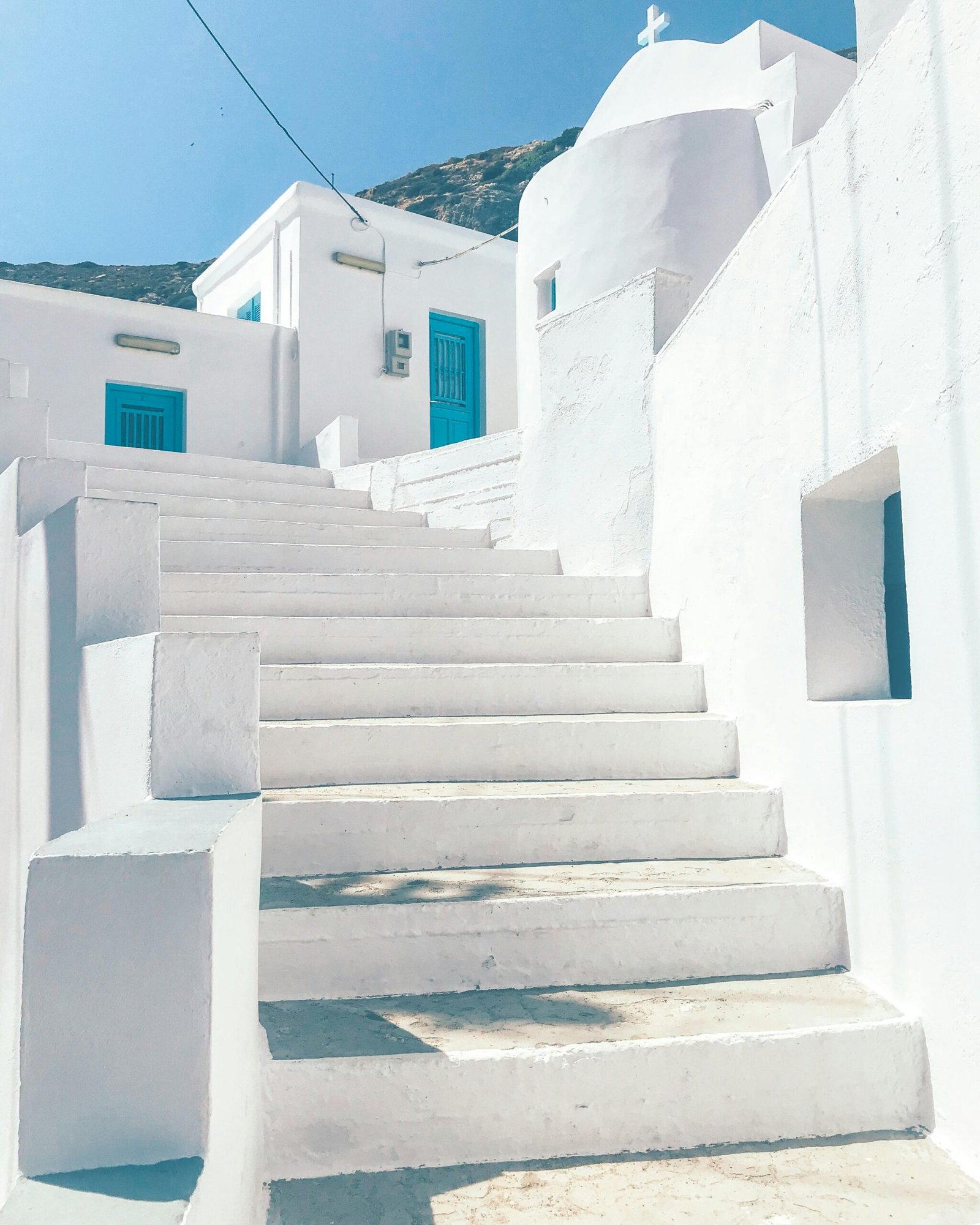
Why Santorini in Shoulder Season Still Isn’t the Santorini You Expect
There is a simple answer and a more useful one. The simple answer is that Santorini is best in May, early June, and late September if you want decent weather without the worst of the crush. The more useful answer is that shoulder season does not give you a neutral Santorini; it gives you a different operating environment, with real trade-offs in access, atmosphere, and reliability.
I am going to be blunt: if you want the island at full service, fully open, and easy to book at the last minute, shoulder season is not the safe bet many travelers think it is. Why Santorini in Shoulder Season Still Isn’t the Santorini You Expect is because the island’s rhythm is driven by staffing, ferry schedules, cruise volume, and hotel inventory as much as by temperature.
Why Santorini in Shoulder Season Still Isn’t the Santorini You Expect: the real shift in April, May, September, and October
April is not a soft version of summer. It is the month when Santorini is visibly waking up, and that means some properties are open, some are not, and some are open in a stripped-back way that travelers do not notice until they arrive. The weather can be pleasant, but the sea is still cool and the island can feel half-finished in a way that matters if you are paying luxury prices.
May is the first month when the island starts to make sense for most visitors. Hotels are more fully staffed, restaurants are operating with more confidence, and outdoor dining finally feels like a primary experience instead of a gamble. This is the best shoulder-season month for couples who want a polished trip without the August chaos, and it is the month I recommend most often for first-time visitors.
September is stronger than many travelers expect, especially early to mid-month. The sea is warmer, the island is fully operational, and the mood is less frantic than in August, but the premium positioning remains intact. If you want Santorini to feel like a high-end destination rather than a survival exercise, September is usually the better bet than June.
October is where many people get the timing wrong. Early October can still work well, but by mid to late month the island starts shifting quickly toward winter mode, and that means reduced restaurant hours, fewer open hotels, and a much thinner sense of energy in places that rely on volume. If you are expecting a full-service luxury island experience, October can disappoint fast.
What most timing advice gets wrong
The standard advice says “avoid the crowds.” That is too shallow for Santorini. Crowds are only part of the issue; the real problem is that peak season changes the island’s behavior. Restaurants become harder to book, transfers become less forgiving, and the most desirable properties can sell out far earlier than travelers expect.
Shoulder season solves some of that, but not all of it. You may get easier reservations and less pressure on the caldera towns, yet you also inherit a more variable island: fewer late-night options, less frequent service in some places, and a stronger chance that the exact experience you imagined is not fully available. Why Santorini in Shoulder Season Still Isn’t the Santorini You Expect is that “quieter” does not automatically mean “better.”
One counterintuitive point most articles miss: shoulder season can be a worse time for travelers who want spontaneity. In peak months, the island is busy enough that nearly everything is running, even if it is crowded. In shoulder season, the island can feel easier but also more fragile, because one closed restaurant or one limited-time activity changes the evening plan more than it would in July.
Who should choose each timing window
May is the best all-around choice for honeymooners, luxury travelers, and first-time visitors who want the island at a high standard without the worst congestion. You get enough open businesses to feel the island is fully functioning, but not so much pressure that every popular viewpoint becomes a queue. If you are paying for a premium stay, May usually gives you the best return.
June suits travelers who want warmer water, longer days, and a more active atmosphere while still avoiding the most punishing crowd levels. It is not “quiet,” and anyone selling it that way is oversimplifying. But for travelers who want full summer energy without the absolute worst of August, June is a sensible compromise.
September is best for repeat visitors, couples who care more about the overall feel than about checking boxes, and travelers who can book early. It is one of the few months when Santorini can feel genuinely comfortable without losing its sense of occasion. That said, the best properties and the best tables still go first, so last-minute planners should not assume September is easy.
October suits independent travelers, slower-paced couples, and people who are fine with some seasonal downsizing. It is not the right month for anyone who needs the island to feel fully charged. If your trip is built around a polished, high-service experience, October is the month most likely to underdeliver.
The emotional difference: what Santorini feels like in each season
In peak summer, Santorini feels managed, expensive, and constantly in motion. That can be exciting if you like energy and do not mind planning around it. It can also feel transactional, especially in the caldera towns where the island’s beauty is competing with volume, queues, and constant turnover.
In shoulder season, Santorini feels more exposed. You notice the wind more, the pace more, and the gaps in the schedule more clearly. For some travelers that is exactly the point: less performance, fewer people, more room to breathe. For others, it feels like paying premium rates for a place that is not fully switched on.
This is where most “best time to visit” articles are too soft. Santorini is not just prettier in some months and busier in others; it changes personality. If you want a destination with reliable energy and a fully active service culture, the island is strongest in late spring and early fall, not in the thin shoulder edges that sound attractive on paper.
Practical consequences of getting the timing wrong
If you come too early in spring, you may find the island quieter than you wanted and less complete than you expected. If you come too late in autumn, you risk arriving after the island has already started shutting down. That is not a minor issue when your trip is built around a specific hotel, a specific restaurant, or a short stay where every evening matters.
August is its own problem, and it is not just the crowds. Ferry schedules are under pressure, popular viewpoints are jammed, and the island’s premium reputation gets diluted by sheer volume. Travelers often think they can “power through” August with enough budget, but money does not solve overconcentration.
For travelers comparing Greek destinations more broadly, timing matters in different ways elsewhere too. If you want a broader sense of how seasonality affects the country beyond the islands, the official tourism guidance at
Visit Greece is a useful starting point, but Santorini needs more specific judgment than a national overview can provide.
My clear position on the best time to go
If you want the strongest Santorini experience for most travelers, go in May or the first half of September. That is the window where the island is active enough to feel worth the premium, but not so overwhelmed that simple things become annoying. I would choose those months over June for first-time luxury travelers, because the island feels more composed.
I would avoid late October unless your main goal is low-key wandering and you are comfortable with reduced choice. I would also avoid April if your priority is a fully open island with warm sea conditions. Why Santorini in Shoulder Season Still Isn’t the Santorini You Expect is that the “shoulder” is not one season; it is two different kinds of compromise.
For travelers interested in the island’s cultural context, opening schedules and seasonal operations can also shift around public holidays and institutional calendars. If you are pairing Santorini with mainland stops or museum visits, check current cultural information through the Hellenic Ministry of Culture rather than assuming everything runs on a standard tourist timetable.
Conclusion
Santorini in shoulder season can be excellent, but only if you want the version of the island that comes with trade-offs: more breathing room, less certainty, and a service rhythm that is not always as polished as peak-season marketing suggests. For the right traveler, that is a smart choice. For the wrong traveler, it is an expensive lesson.
Timing in Greece isn’t just about weather or crowds. It’s about which version of Greece you get — and which version matches what you’re actually looking for. That’s a more interesting question than most people ask.
Recommended experiences
Some experiences mentioned here are curated and managed by Elite Greece Travels.
- Athens Milos Santorini Itinerary 9 Days — Itinerary (managed by Elite Greece Travels).
- Greece 7 Day Itinerary Athens Delphi Meteora Santorini — Itinerary (managed by Elite Greece Travels).
- Santorini Sunset Cruise With Dinner In The Caldera — Cruise (managed by Elite Greece Travels).
Frequently asked questions
Is shoulder season actually the best time to visit Santorini?
For many travelers, yes. May and early to mid-September usually offer the best balance of weather, open businesses, and manageable pressure. But if you want the island fully activated with every service running at maximum capacity, peak season behaves differently.
What is the biggest mistake travelers make with Santorini timing?
They assume shoulder season means the same experience with fewer people. It does not. Some hotels, restaurants, and activities run on reduced schedules, especially in April and late October.
Is October a good month for Santorini?
Early October can be very good. Mid to late October is much less reliable, with more closures and a thinner overall atmosphere. It suits flexible travelers more than people expecting a fully polished luxury island.
When is Santorini warm enough for swimming?
The sea is most comfortable from late June through September, with September often being better than people expect. April and early May can be too cool for travelers who care about swimming every day.
Should honeymooners avoid peak summer in Santorini?
If they want privacy, easier reservations, and less friction, yes. Peak summer can still work, but it requires earlier booking and more tolerance for crowds and pressure around the island’s most popular spots.
Why do some travelers prefer May over June?
May often feels more composed. Hotels are open, the island is active, and the worst summer congestion has not arrived yet. June is warmer and busier, but May usually gives better value for travelers who want a premium feel without the summer crush.
Does shoulder season make Santorini cheaper?
Sometimes, but not always in the way people expect. Premium properties still price for demand, and the best rooms can remain expensive. Shoulder season is more about value in experience than a guaranteed discount.