

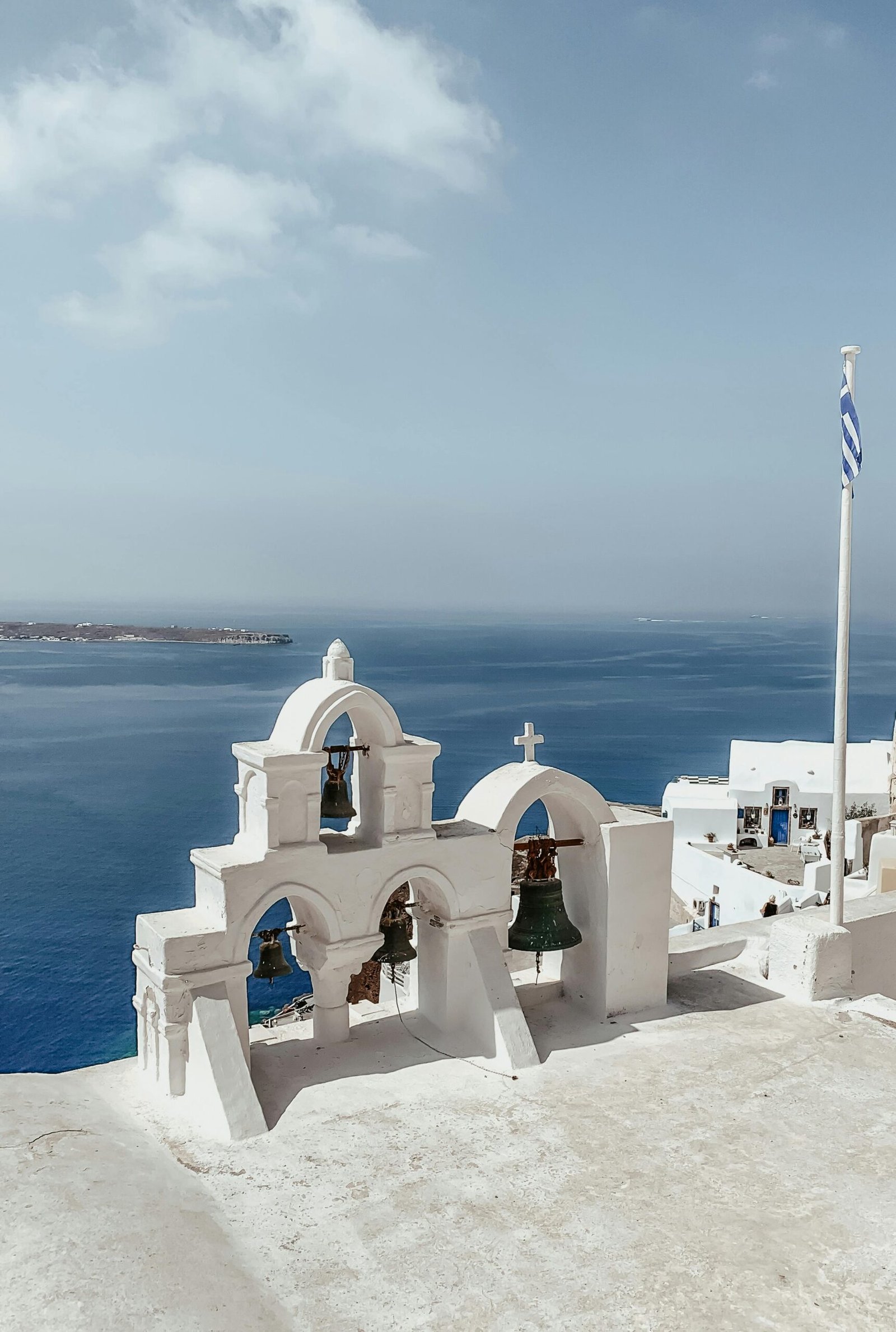
Why Santorini Is Best for a Short Stay, Not a Long One is not a slogan; it is the practical truth most travelers learn after they have already overbooked the island. Santorini delivers a lot very quickly, but it also runs out of useful depth faster than people expect.
If you want a concentrated stay with strong views, serious hotel product, and easy emotional payoff, Santorini works. If you want a base for a longer Greece trip, it starts to feel repetitive, expensive, and oddly narrow once the first rush wears off.
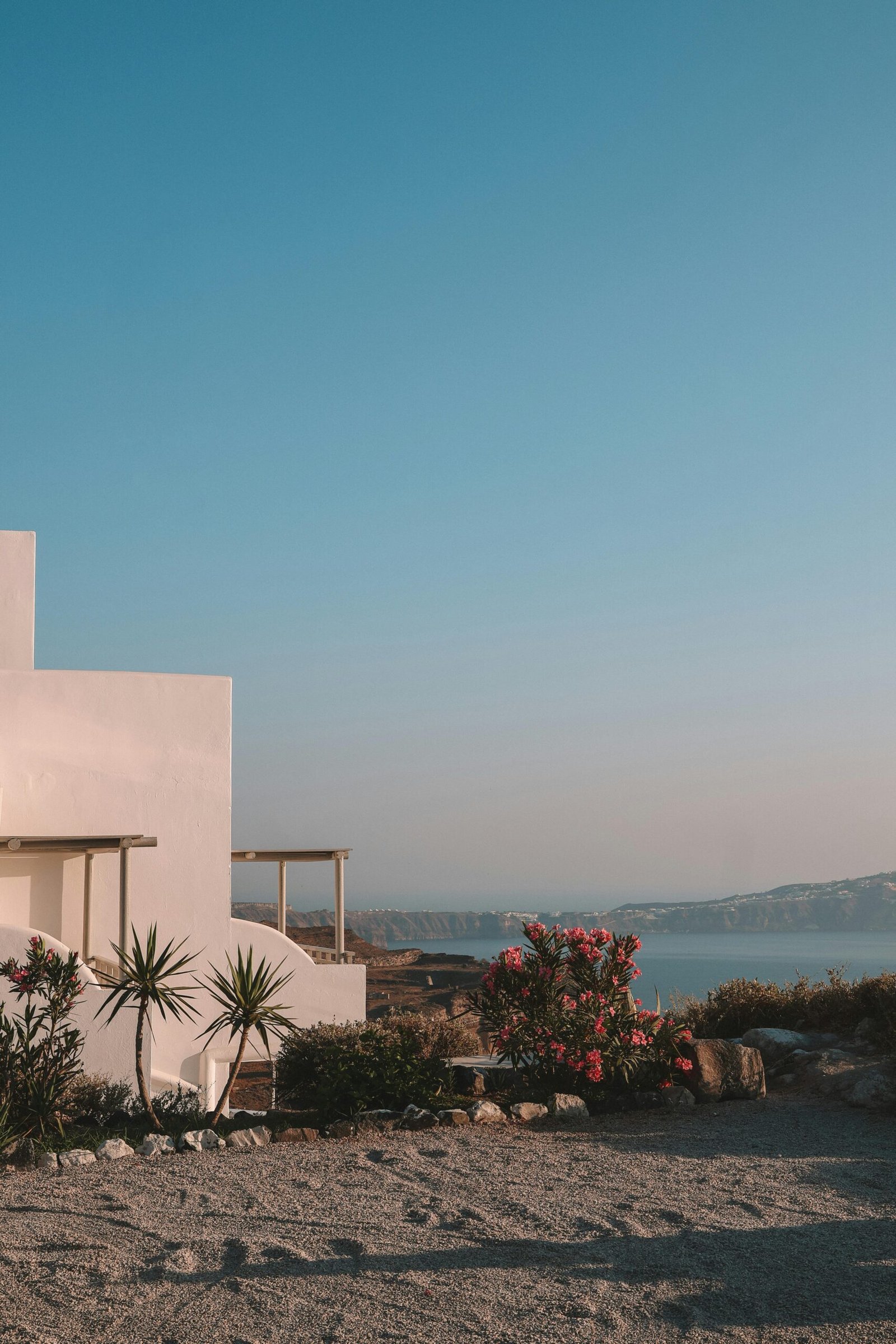
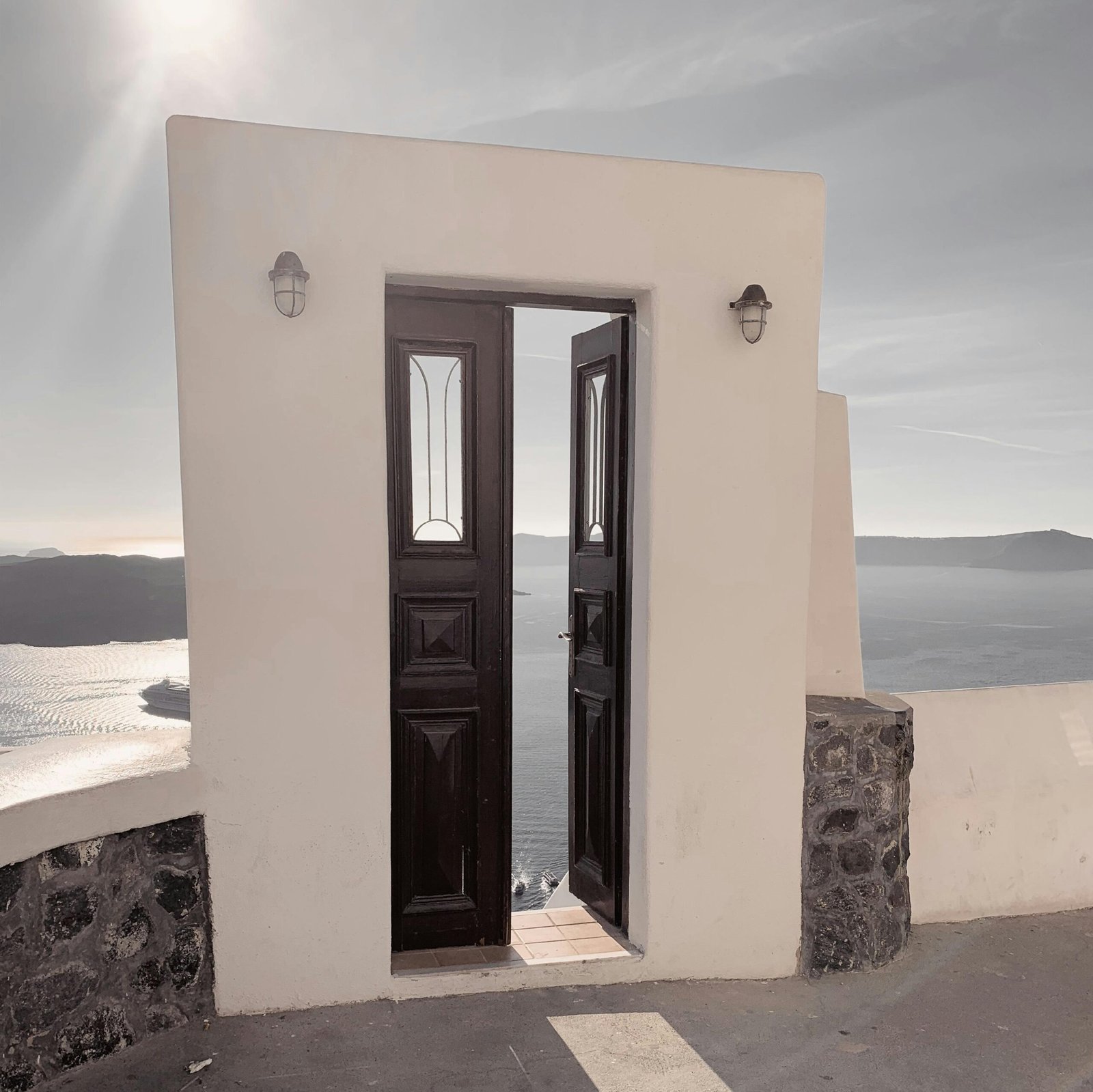
Why Santorini Is Best for a Short Stay, Not a Long One
This comparison is really about trip design, not scenery. Santorini is often sold as the place to build a whole Greece vacation around, but that is usually the wrong move unless your trip is extremely focused on romance, photography, or a single splurge stop. For most travelers, the island performs best as a high-impact segment, not as the anchor.
Why Santorini Is Best for a Short Stay, Not a Long One is the right lens because the island is intense in a way that does not scale well. The first 48 hours feel efficient and rewarding; the fifth day often feels like you are paying premium prices to repeat the same views, the same crowds, and the same narrow set of choices.
Why Santorini Is Best for a Short Stay, Not a Long One: the real trade-off
Santorini gives you a lot of visual payoff in a small space, which is exactly why it works for a short stay. Oia, Fira, Imerovigli, and the caldera-facing hotels deliver a very specific experience: strong views, polished service, and a sense that the trip has a clear centerpiece. That is useful when you want one destination to feel decisive.
The trade-off is that the island is not built for variety. Once you have done the caldera edge, a winery lunch, a sunset dinner, and a beach visit, you are mostly repeating the same format at a higher price. Travelers who stay too long often confuse “more time” with “more value,” and Santorini punishes that mistake.
Why Santorini Is Best for a Short Stay, Not a Long One becomes obvious when you look at how people actually use their days. They spend heavily on a room with a view, then realize the island’s best features are concentrated in a few neighborhoods and a few hours of the day. That is not a flaw for a short stay; it is exactly why the island works so well in that format.
Who should choose Santorini, and who should not
Santorini is the right choice for couples who want a polished, high-contrast stop and are happy to pay for it. It also suits travelers who care more about a strong visual impression than about range, local texture, or long, lazy exploration. If you want one place to feel like the headline of the trip, Santorini can do that.
It is the wrong choice for travelers who get restless when a destination is expensive but limited. Families, slow travelers, and people who want to wander different towns without constantly checking the bill usually leave Santorini feeling overcharged. They are not wrong; they are just using the island for a job it does not do well.
For a broader Greece trip, Athens often makes a better long-stay base because it gives you museums, neighborhoods, food, and actual range. If you want the cultural side of the country, start with the Acropolis Museum and then build outward from there instead of trying to stretch Santorini into something it is not.
What Santorini actually feels like after day two
The emotional reality is simple: Santorini feels efficient at first and constraining later. On a short stay, that concentration is a strength. You arrive, the island makes its point quickly, and you leave before the repetition starts to show.
On a longer stay, the same concentration becomes a problem. The crowds in Oia, the premium pricing in caldera villages, and the limited number of genuinely different experiences start to feel less like exclusivity and more like friction. Why Santorini Is Best for a Short Stay, Not a Long One is not a theory; it is what happens when the island stops feeling special and starts feeling scheduled.
The surprising part is that many travelers enjoy Santorini more when they give it less time. That sounds backward, but it is true. The island is strongest when it is treated as a concentrated stop with a clear purpose, not as a place to settle into.
Where Santorini wins: specific places and specific uses
Oia is the obvious example, but it is also the clearest proof of the island’s limits. It is excellent for a short, polished stay and terrible if you expect it to keep revealing new layers over several days. Imerovigli is calmer and often a better hotel choice, but the same rule applies: it is a place to enjoy, not a place to unpack emotionally for a week.
Fira works better for travelers who want more movement and easier access to dining and transport options, though it is less refined than the caldera-edge luxury zones. Pyrgos and Megalochori offer a different pace, but they do not change the basic equation. Santorini still remains a compact island with a narrow set of premium experiences.
For travelers comparing island combinations, Santorini pairs well with places that add contrast, not more of the same. Athens, Naxos, and Paros make sense because they give you either culture, space, or a more relaxed island rhythm. Mykonos plus Santorini is a common pairing, but for many couples it creates cost fatigue and style overlap rather than a better trip.
Sequencing matters more here than people admit
This is where trips go wrong. Santorini is often placed first because it looks dramatic online, but wrong island order can waste days and drain the trip of momentum. If you put the island in the wrong position, you can end up spending your most energetic days in the most expensive part of the itinerary.
That sequencing mistake is especially damaging for honeymooners. A couple chooses Santorini because it photographs well, then discovers they actually wanted a slower, more varied trip with better food value and less pressure to perform every evening. That mismatch is common, and it is expensive to fix once the booking is locked.
Greece rewards travelers who arrive with a plan, but only if the plan matches how they actually travel when they are tired, not how they imagine themselves traveling on a good day. Santorini should usually be the exclamation point, not the opening chapter. For broader trip context and destination planning,
visitgreece.gr is useful, but the real issue is sequencing, not inspiration.
My clear position: Santorini should be short, sharp, and intentional
I am not neutral on this. Santorini is better as a short stay, and for most travelers that is the correct way to use it. If you stretch it into the center of a long Greece trip, you usually pay more and get less.
That does not mean the island is overrated. It means it is specialized. The travelers who get the best version of Santorini know exactly what they are buying: a concentrated experience with a high visual return and a limited shelf life.
- Choose Santorini for 2-3 nights if you want a premium stop with a strong visual payoff.
- Choose a longer stay elsewhere if you want variety, lower pressure, and better value over time.
- Use Santorini as a finale or a highlight, not as the place that has to carry the whole trip.
Why Santorini Is Best for a Short Stay, Not a Long One is the simplest honest advice I can give: take the island for what it does well, and do not ask it to become something else. The best Greece trips are built around that kind of discipline.
Most travelers pick between these two based on what they’ve seen online. The ones who get it right pick based on where they’re coming from, where they’re going next, and how they actually travel when they’re tired on day five. That gap between imagined travel style and real travel behavior is where most Greece trips go wrong.
Recommended experiences
Some experiences mentioned here are curated and managed by Elite Greece Travels.
- Athens Milos Santorini Itinerary 9 Days — Itinerary (managed by Elite Greece Travels).
- Greece 7 Day Itinerary Athens Delphi Meteora Santorini — Itinerary (managed by Elite Greece Travels).
- Santorini Sunset Cruise With Dinner In The Caldera — Cruise (managed by Elite Greece Travels).
Frequently asked questions
How many nights are enough in Santorini?
For most travelers, two to three nights is the sweet spot. That gives you time for the caldera experience, a proper meal, and one or two slower moments without paying for repetition.
Why do people regret staying too long in Santorini?
Because the island is expensive, compact, and highly concentrated. After the main viewpoints and dining patterns, the experience narrows quickly, especially for travelers who want variety.
Is Santorini a good honeymoon destination?
Yes, if the couple wants a polished, high-impact stop and is comfortable with premium pricing. No, if they want a relaxed, varied trip with more room to breathe.
What kind of traveler should avoid making Santorini the center of a Greece trip?
Travelers who dislike crowds, resent high prices, or want to explore multiple neighborhoods and landscapes without repeating the same format. They usually do better with a more varied island or mainland base.
What pairs best with Santorini in a longer Greece itinerary?
Athens, Naxos, and Paros are the strongest pairings because they add contrast. They give you culture, space, or a more relaxed pace instead of more of the same premium island experience.
Is Santorini better at the start or end of a trip?
Usually at the end. It works well as a finale because it delivers a clear high point, while starting there can make the rest of the trip feel flatter by comparison.