

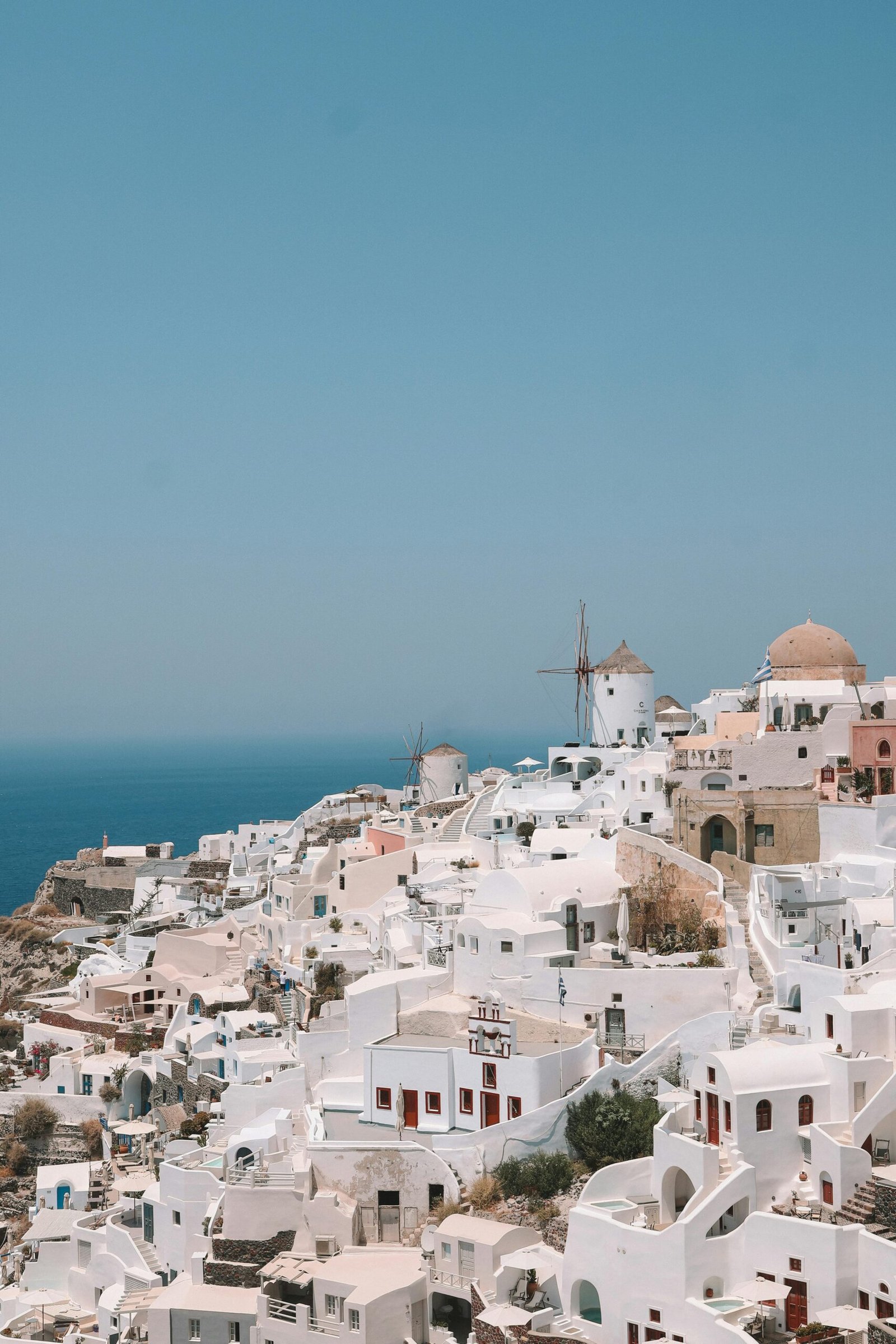
Why Santorini Is Best When You Don’t Treat It Like a Relaxing Island is the simplest honest answer to a question many first-timers get wrong. Santorini is not a soft, slow island for drifting around with no agenda; it is a highly managed destination that works best when you accept the crowds, the pricing, and the fact that the island is built around a very specific kind of visitor experience.
If you want quiet, easy beach days, Santorini is a poor fit. If you want dramatic views, strong dining, polished hotels, and a trip that feels intentionally curated rather than casually lived-in, it can be excellent — but only if you stop expecting it to behave like a restful island.

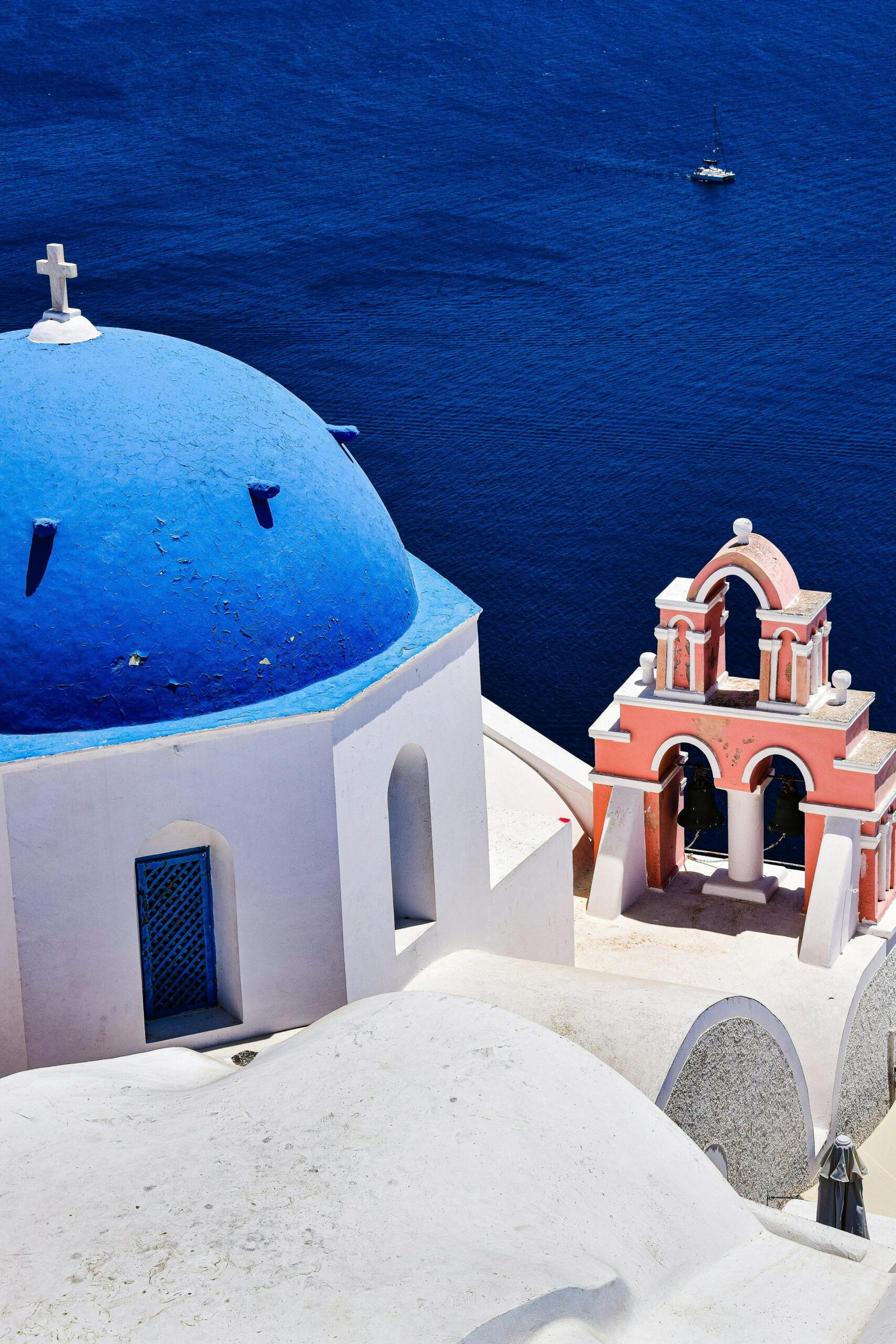
Why Santorini Is Best When You Don’t Treat It Like a Relaxing Island
Why Santorini Is Best When You Don’t Treat It Like a Relaxing Island is not a contrarian slogan; it is the practical way to avoid disappointment. The island is at its best when you understand that its value comes from concentration: the views, the hotels, the food, the wine, and the visual drama are all packed into a small, heavily visited place that runs on demand, not ease.
Most travelers assume Santorini is a place to unwind. In reality, it is a place to manage expectations, spend deliberately, and accept that the good parts are shared with a lot of other people. That is why the travelers who enjoy it most are usually the ones who want a memorable trip, not a restorative one.
Why Santorini Is Best When You Don’t Treat It Like a Relaxing Island
The island works when you stop judging it by island-relaxation standards. Santorini is not trying to be low-key, and if you force that expectation onto it, you end up frustrated by noise, traffic, schedules, and the general pressure of a place that is permanently in demand.
What Santorini does well is deliver a tightly edited experience. The best hotels, the caldera-facing dining, the volcanic landscape, and the wine scene can feel worth the cost if you are there for a short, deliberate stay and you understand that the island is designed around premium consumption, not slow wandering.
That is the core point of Why Santorini Is Best When You Don’t Treat It Like a Relaxing Island: the island becomes better, not worse, once you stop asking it to be something it is not. Travelers who keep trying to make it serene usually waste energy fighting the place instead of using it well.
When Santorini is the right choice, and when it is not
Choose Santorini if your trip is built around a few high-value experiences: a strong hotel, serious views, good meals, and a destination that feels distinct from the usual Greek island formula. It also works well for travelers who are comfortable paying more for convenience and atmosphere rather than space or privacy.
Do not choose Santorini if your idea of a successful island trip is long beach time, spontaneous exploration, or a sense of calm that comes from local life moving at an easy pace. Santorini is too compact, too visited, and too engineered for that. Travelers who want that version of Greece usually leave feeling they overpaid for crowds.
One of the most common mistakes is assuming the island’s beauty will automatically create relaxation. It won’t. Beauty without breathing room can feel like pressure, especially in peak months, and Santorini is one of the clearest examples of that in Greece.
Most travelers assume Santorini is restful, but actually it is managed
Most travelers assume the island’s famous views mean the whole experience will feel effortless. Actually, Santorini is one of the most managed destinations in Greece, from hotel pricing to restaurant demand to the way people move through the main areas at busy times.
That management is not a flaw by itself. The problem comes when travelers expect a natural, unstructured island and then get annoyed by reservation culture, crowd concentration, and the sense that the island is always performing for visitors.
This is where Why Santorini Is Best When You Don’t Treat It Like a Relaxing Island becomes more than a phrase. Once you accept the island’s structure, you can choose better hotels, better timing, and better expectations instead of chasing an experience the destination does not really offer.
Trade-off matrix: what changes by traveler type and season
Santorini is not equally good for every traveler. The same island that feels smart and polished to one person can feel overbuilt and exhausting to another.
- Couples on a short, premium trip: strong fit if they want views, dining, and a polished stay.
- Families with young children: weak fit unless they have a very specific hotel setup and low expectations for easy movement.
- Beach-first travelers: poor fit; Santorini’s beaches are not the reason to go.
- Food and wine travelers: good fit, especially if they are willing to pay for quality.
- Budget travelers: usually a mismatch; the island punishes low budgets fast.
Season changes the experience more than many first-timers realize. In high season, the island feels compressed and expensive, and even simple decisions become harder because everyone wants the same limited things at the same time. In shoulder season, Santorini can be far more usable, but it still does not become a quiet, restorative island.
If you want a broader sense of how Santorini fits into a Greece trip,
Visit Greece is useful for the official destination framing, but the real planning question is whether you are buying into the island’s managed style or fighting it.
What travelers consistently underestimate
The biggest underestimate is fatigue. Santorini looks compact and easy on a map, so travelers assume they can casually move through it and improvise. In reality, the island often feels more tiring than larger places because so many people are trying to use the same small set of experiences.
Another underestimate is how quickly the island turns expensive once you start making choices that match the image people have in their heads. Better location, better view, better table, better room — each one costs more, and the premium is not subtle. Travelers who do not budget for that end up compromising in ways that make the trip feel less special.
The surprising part is that Santorini can actually be a stronger trip when you are not trying to relax. If your goal is a focused, high-impact stay, the island’s intensity becomes an asset instead of a drawback. That is why Why Santorini Is Best When You Don’t Treat It Like a Relaxing Island is the right lens for most first-time visitors.
For travelers who care about culture and context more than surface-level scenery, it also helps to remember that Greece is never just one thing. If your trip includes Athens or other heritage stops, the Acropolis Museum is a better example of how much depth Greece can offer when you move beyond postcard expectations.
Clear guidance for the most common traveler scenarios
If you are a couple planning a short luxury stay, Santorini is a strong choice. Treat it like a high-end, high-demand destination and it can deliver exactly what you are paying for.
If you are looking for a calm island where you can do very little and still feel satisfied, choose somewhere else. Santorini will keep reminding you that it is built for visibility, not retreat.
If you are traveling in peak season and dislike crowds, the island is a bad bet unless you are very selective and realistic. If you are traveling in shoulder season and want a concentrated, visually distinctive stay, it becomes much easier to justify.
My position is simple: Santorini is not overrated, but it is misused. The travelers who enjoy it are the ones who stop asking it to be restful and start asking whether it can deliver a sharply defined, premium experience. That is the real answer behind Why Santorini Is Best When You Don’t Treat It Like a Relaxing Island.
Greece has a way of rewarding travelers who ask the right questions before they arrive. The travelers who leave disappointed usually asked the wrong ones — or didn’t ask at all.
Recommended experiences
Some experiences mentioned here are curated and managed by Elite Greece Travels.
- Athens Milos Santorini Itinerary 9 Days — Itinerary (managed by Elite Greece Travels).
- Greece 7 Day Itinerary Athens Delphi Meteora Santorini — Itinerary (managed by Elite Greece Travels).
- Santorini Sunset Cruise With Dinner In The Caldera — Cruise (managed by Elite Greece Travels).
Frequently asked questions
Is Santorini actually a relaxing island?
Not in the way most first-timers mean it. It can feel comfortable and beautiful, but it is too crowded, too expensive, and too managed to be a true low-effort retreat for most travelers.
Why is Santorini better when you do not treat it like a relaxing island?
Because the island performs best as a concentrated, high-impact destination. If you expect calm and simplicity, you notice every friction point. If you want a premium, visually strong stay, the same friction matters less.
Who should avoid Santorini?
Travelers who want quiet beaches, spontaneous wandering, or a budget-friendly island experience should usually look elsewhere. Santorini is a poor value if your main goal is rest.
Is Santorini worth it for a first trip to Greece?
Yes, if you want a polished, iconic stop and you understand what you are buying. No, if you think every Greek island should feel easy, local, and slow.
What do most travelers get wrong about Santorini?
They assume the famous views mean the trip will feel effortless. In practice, the island is crowded, expensive, and highly structured, so the experience depends on whether your expectations match that reality.
When is Santorini easiest to enjoy?
When you visit with a specific purpose, accept the premium pricing, and stop expecting it to function like a quiet island escape. Shoulder season also helps, but it does not change the island’s basic character.