

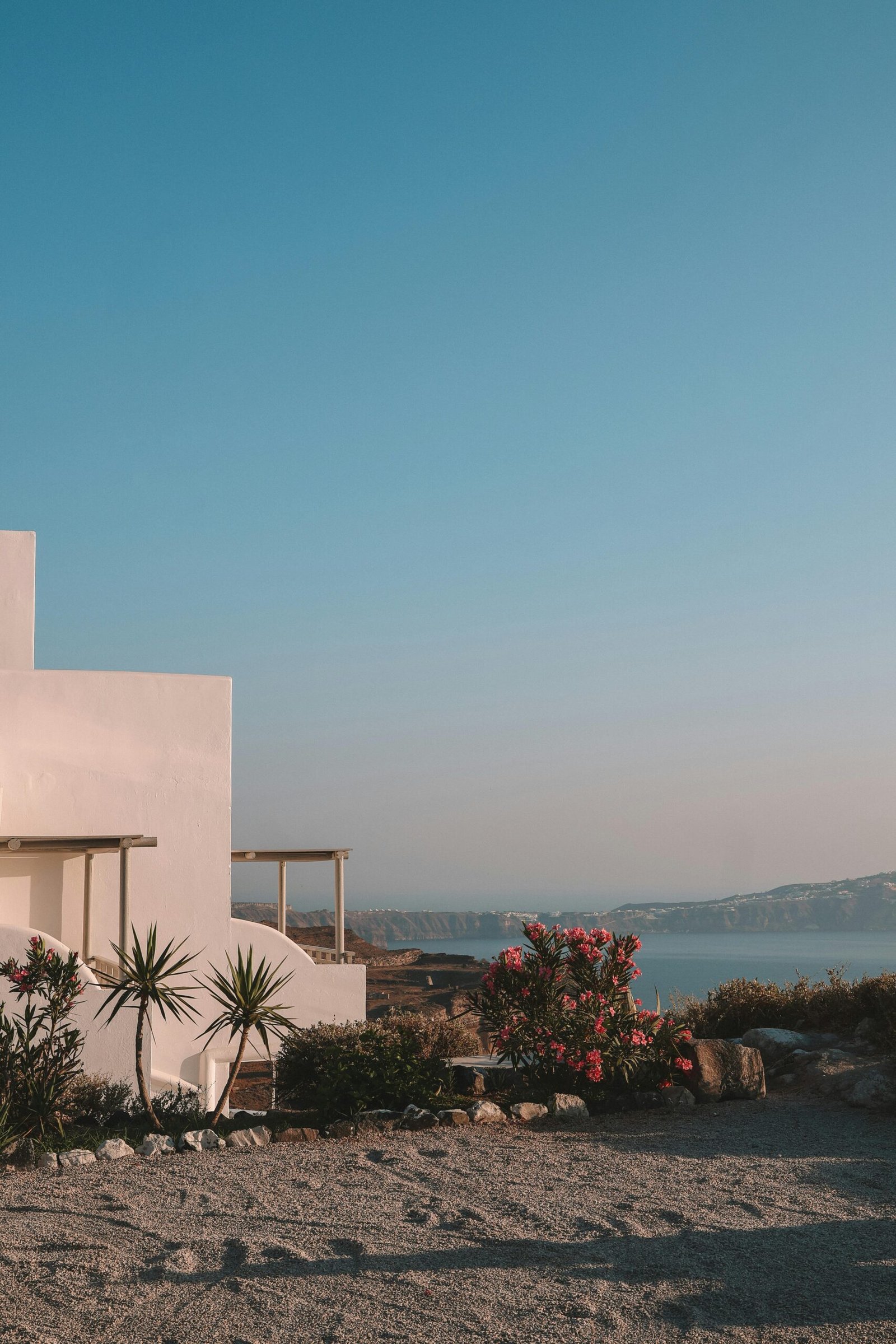
Why Santorini Is Harder to Enjoy Than It Looks is simple: the island looks effortless in photos, but in real life it can feel crowded, expensive, and oddly demanding of your time and patience. If you want a polished, high-end Greece experience and you understand the trade-offs, Santorini can still work very well. If you expect a relaxed island escape with easy movement and broad value, this is where many travelers get disappointed.
The main mistake is assuming the island’s fame automatically translates into comfort. It does not. Santorini is a place where location, timing, and expectations matter more than almost anywhere else in Greece.
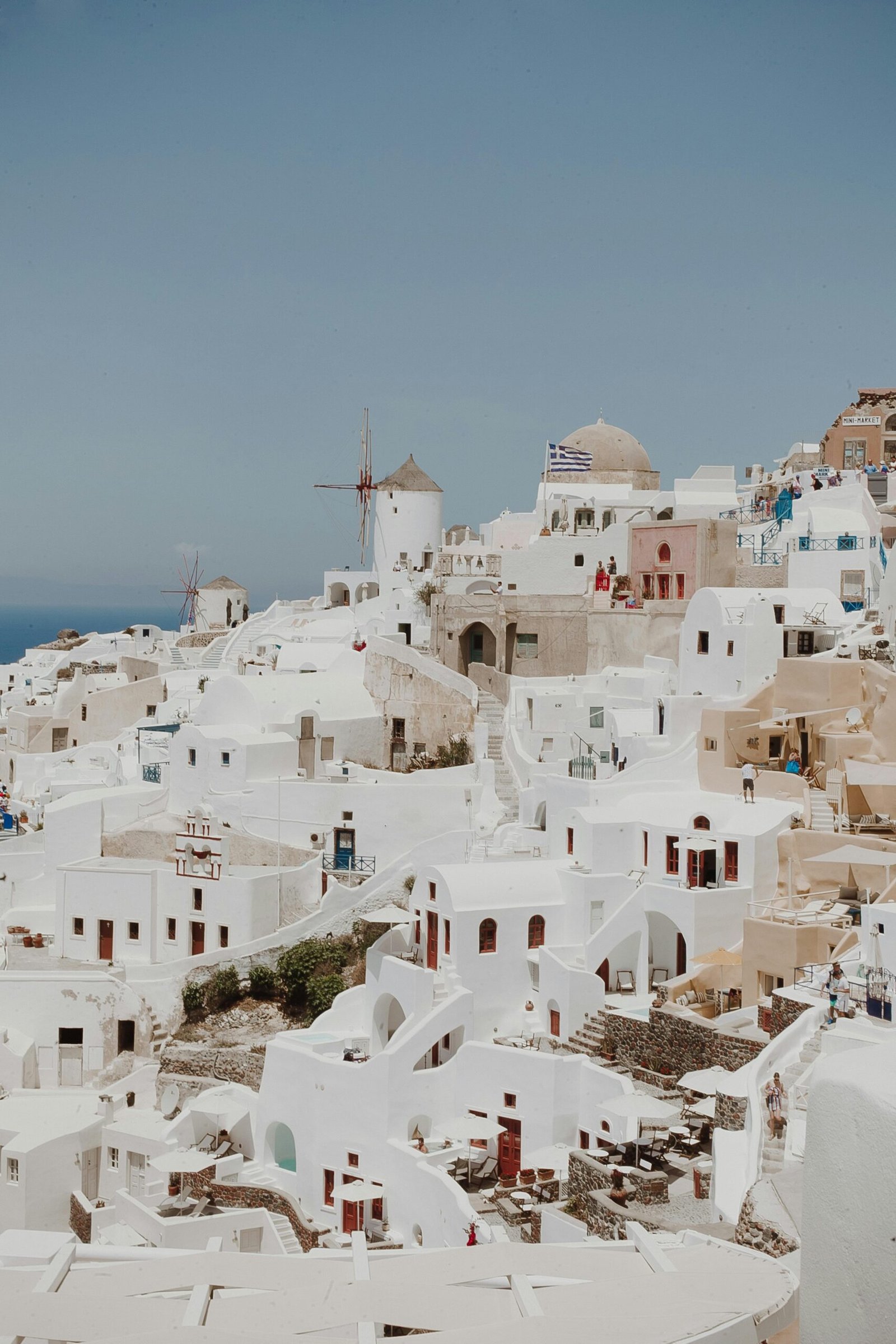
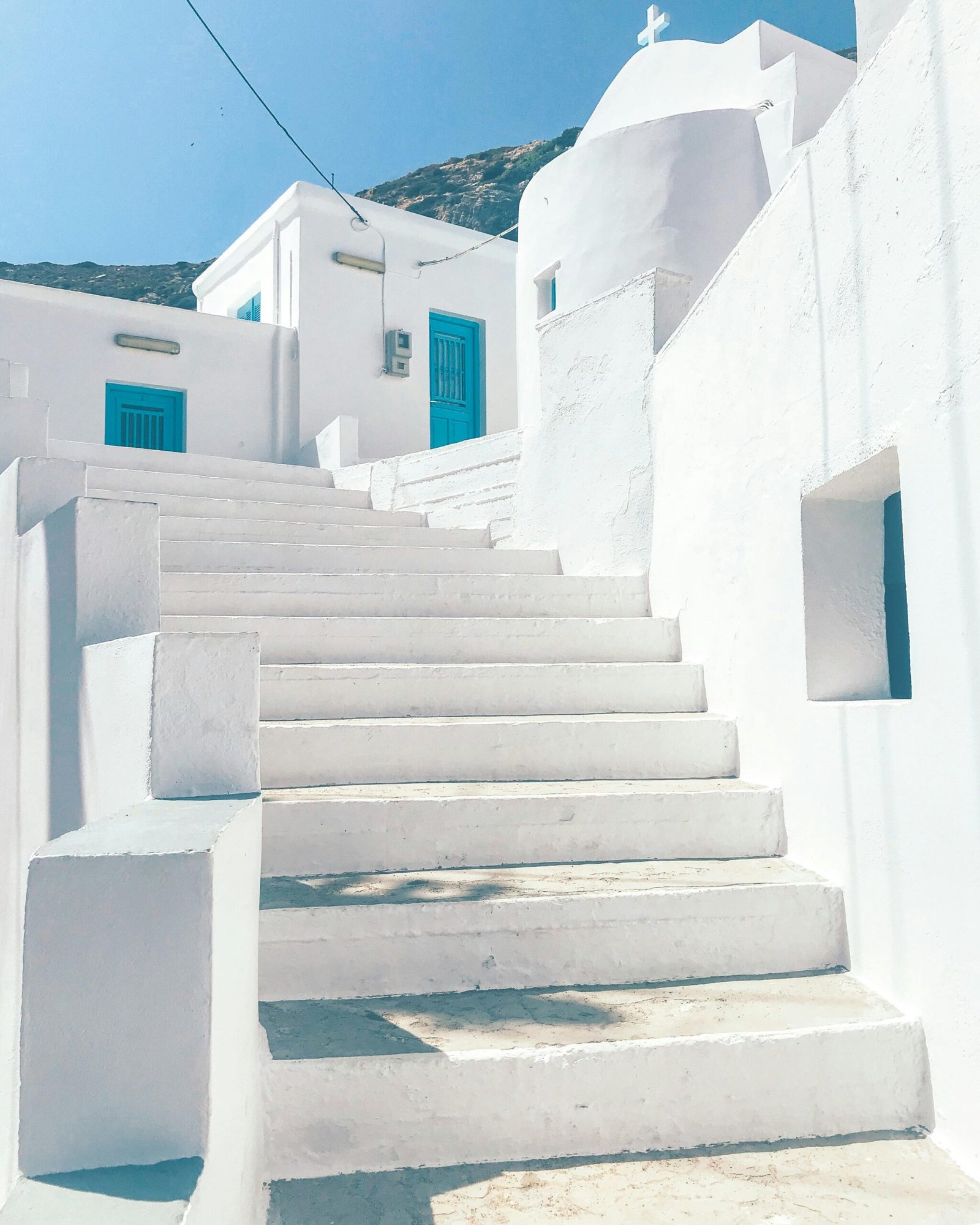
Why Santorini Is Harder to Enjoy Than It Looks
Santorini is not difficult because it lacks appeal. It is difficult because the island’s most famous version is built around scarcity: limited good viewpoints, limited calm space, limited room for error, and very high demand for everything that feels premium. That combination creates friction fast, especially for travelers who want a carefree luxury break.
Most travelers assume Santorini is a simple island to “do well.” Actually, it is an island where the wrong hotel area, the wrong season, or the wrong expectation can cost you an entire day of comfort. Why Santorini Is Harder to Enjoy Than It Looks is not a warning to avoid it; it is a warning to stop treating it like an easy destination.
Why Santorini Is Harder to Enjoy Than It Looks in real life
The island’s biggest problem is not one thing. It is the stacking effect of crowds, pricing, and terrain. The caldera views are real, but so is the strain of sharing them with everyone else who came for the same photo, the same sunset, and the same premium terrace.
What travelers underestimate most is how much mental energy Santorini takes. You spend more time working around the island than you do on a typical Greek island, and that is before you factor in the cost of staying in the most sought-after areas. If your idea of luxury is ease, Santorini can feel surprisingly workmanlike.
Decision logic: when Santorini is the right choice
Choose Santorini if you care about dramatic caldera views, upscale hotels, polished dining, and a destination that feels intentionally designed for high-end stays. It works best for couples, honeymooners, and travelers who are happy to pay more for a highly curated experience. It also suits people who are fine with a destination that is more scene-driven than laid-back.
Do not choose Santorini if your priority is quiet beaches, low prices, spontaneous exploring, or a relaxed rhythm. Travelers who want to move around freely often find the island more restrictive than expected. That is the core of Why Santorini Is Harder to Enjoy Than It Looks: the island can be excellent, but only for the traveler who accepts its operating rules.
One counterintuitive truth: the most expensive part of Santorini is not always the room rate. It is the cost of friction. A traveler who books the wrong area, chases the wrong sunset, or expects easy last-minute flexibility often wastes money and still feels rushed.
Trade-off matrix: traveler type, season, and travel style
Couples and honeymooners: Strong fit if they want privacy, views, and a premium setting. Weak fit if they want long beach days and a casual atmosphere. Santorini is built for couples who like structure and a sense of occasion.
Families: Usually a mixed fit. Families who need space, easy movement, and simple logistics often find the island tiring. Families who stay longer and choose carefully can make it work, but this is not the easiest Greek island for children.
Luxury travelers: Good fit if they understand that luxury here is about location and service, not just a nice room. The best properties can be excellent, but they are priced accordingly. For broader trip planning context, many travelers also compare Santorini against official destination guidance on
Visit Greece before deciding where the island fits in a larger Greece itinerary.
Budget travelers: Poor fit. Santorini is one of the places where trying to “save a bit” often leads to a worse location, more hassle, and a weaker overall stay. This is not the island for bargain-hunting.
Shoulder season travelers: Better fit than peak summer, but not automatically easy. Spring and autumn reduce some pressure, yet the island still attracts a lot of demand. You get a better experience, not a cheap one.
- Peak summer: Highest friction, highest prices, least forgiving.
- Shoulder season: Best balance for most travelers.
- Winter: Quieter, but many visitors find the island too subdued for the money.
Most travelers assume Santorini is about beaches, but actually it is about viewpoint management
This is where expectations go wrong. Santorini is often sold like a beach destination, but the island’s real product is the caldera experience: views, terraces, sunsets, and a sense of being perched above the sea. The beaches exist, but they are not what makes the island worth the premium for most visitors.
That matters because travelers who arrive expecting a classic beach holiday often feel underwhelmed. The sand is not the point, the swimming is not always the point, and the layout is not built for casual roaming from one pleasant cove to the next. Why Santorini Is Harder to Enjoy Than It Looks is partly because the marketing and the reality are not aimed at the same type of traveler.
What goes wrong when people choose Santorini for the wrong reasons
The most common failure is booking Santorini because it is famous, not because it matches the trip. That leads to overpaying for a view you only half enjoy because the rest of the experience feels crowded or inconvenient. Travelers then blame the island, when the real issue is a mismatch between destination and travel style.
Another common problem is treating Santorini as a place to improvise. That approach works in many parts of Greece. In Santorini, it often means settling for weaker value, less comfort, and more time spent navigating the island’s bottlenecks. If you want a broader sense of how Greece’s top destinations compare, the official Ministry of Culture resources are a useful reality check before narrowing your choices.
And yes, the island can still feel crowded even outside peak season. That surprises people. They expect the pressure to disappear once summer ends, but the core issue is demand concentration, not just weather. Santorini is famous enough that the island rarely feels casual in the parts visitors actually want to see.
Clear guidance for the most common traveler scenarios
If you are planning a honeymoon or a one-time luxury trip, Santorini can be a strong choice if you budget for quality and accept that the island is not designed for spontaneity. If you want a polished stay with a memorable setting, it can deliver. If you want value, easy beach days, or a relaxed island rhythm, look elsewhere.
If you are trying to decide whether Santorini deserves a full trip or just a short stay, be honest about your tolerance for crowds and premium pricing. For many travelers, a shorter visit is smarter because it limits the fatigue factor. For others, especially those who care deeply about the caldera setting, staying longer helps because it gives the island time to feel less compressed.
My position is straightforward: Santorini is worth it for the right traveler, but it is not a universally easy or universally satisfying destination. The island’s reputation is bigger than its comfort level. That is exactly why Why Santorini Is Harder to Enjoy Than It Looks should be read as a planning warning, not a rejection.
Greece has a way of rewarding travelers who ask the right questions before they arrive. The travelers who leave disappointed usually asked the wrong ones — or didn’t ask at all.
Recommended experiences
Some experiences mentioned here are curated and managed by Elite Greece Travels.
- Athens Milos Santorini Itinerary 9 Days — Itinerary (managed by Elite Greece Travels).
- Greece 7 Day Itinerary Athens Delphi Meteora Santorini — Itinerary (managed by Elite Greece Travels).
- Santorini Sunset Cruise With Dinner In The Caldera — Cruise (managed by Elite Greece Travels).
Frequently asked questions
Why is Santorini harder to enjoy than it looks in photos?
Because the island’s famous views come with trade-offs: high prices, crowd pressure, limited flexibility, and a layout that makes simple movement more annoying than travelers expect. The photo version leaves out the friction.
Is Santorini worth it for first-time visitors to Greece?
Yes, if your priority is a premium, high-profile island experience and you accept the cost. No, if you want a relaxed, low-friction introduction to Greece. First-timers who want easier value often do better elsewhere.
What type of traveler enjoys Santorini the most?
Couples, honeymooners, and luxury travelers who value views, service, and a curated atmosphere usually get the most from it. Travelers who want casual beach time, budget flexibility, or spontaneous exploring are more likely to feel boxed in.
Is Santorini too crowded to enjoy?
In peak months, it can be crowded enough to affect the experience significantly. Shoulder season is better, but the island still attracts heavy demand in the places most visitors want to see.
Is Santorini expensive compared with other Greek islands?
Yes, and not just for hotels. The whole experience is priced at a premium, especially in the most desirable areas. Travelers often underestimate how fast the total cost rises once they choose the best locations.
Should I stay in Santorini for a long time?
Only if you genuinely want a caldera-focused, upscale stay and you are comfortable with the island’s pace. Many travelers are better served by a shorter stay, because the novelty is strongest at the beginning and the friction becomes more noticeable over time.
What is the biggest mistake travelers make in Santorini?
Booking it for the fame instead of the fit. That usually leads to disappointment, because the island is excellent for specific travel styles and much less satisfying for others.