

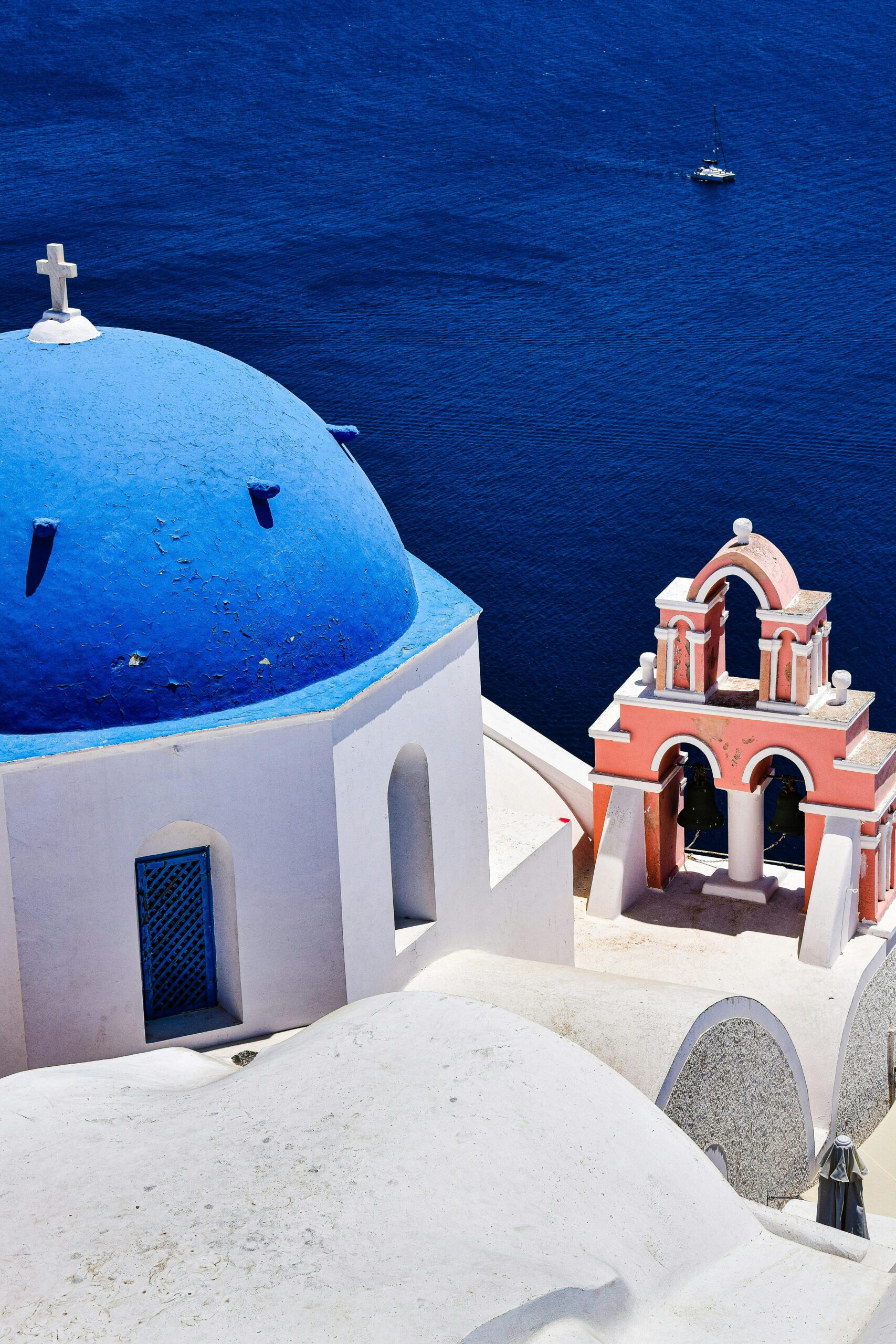
Why Santorini Is Harder to Get Right Than Almost Anywhere in Greece because the island punishes vague planning. Most people arrive with one image in mind and no clear idea of which part of the island actually fits the trip they want.
The result is predictable: expensive stays in the wrong place, too much time spent chasing views, and a trip that feels more managed than enjoyed. Santorini is not difficult because it lacks options; it is difficult because the options are sharply different and easy to misread.
Why Santorini Is Harder to Get Right Than Almost Anywhere in Greece
Santorini looks straightforward from a distance. In practice, it is one of the easiest places in Greece to overspend, overpack with expectations, and book the wrong area for the kind of trip you actually want. That is why Why Santorini Is Harder to Get Right Than Almost Anywhere in Greece is not a dramatic headline; it is a planning reality.
The island rewards precision. If you want calm, you need to know where calm still exists. If you want views, you need to accept the trade-off in access, privacy, and price. If you want a short break that feels smooth rather than exhausting, the details matter more here than they do on most Greek islands.
Why Santorini Is Harder to Get Right Than Almost Anywhere in Greece
The biggest mistake travelers make is treating Santorini as one uniform destination. It is not. Oia, Fira, Imerovigli, Firostefani, Pyrgos, and Akrotiri each create a very different trip, and choosing blindly is where most disappointment starts.
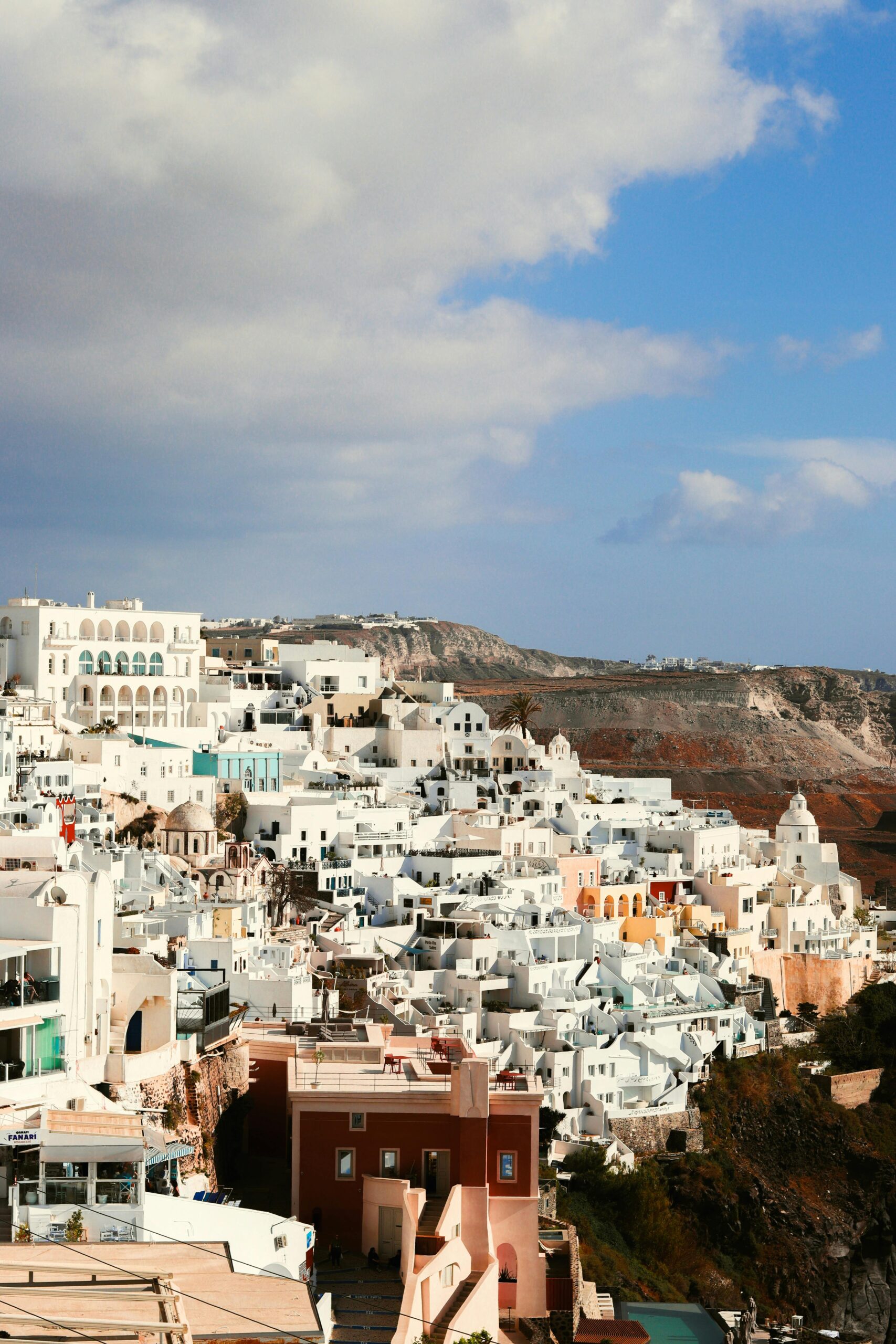
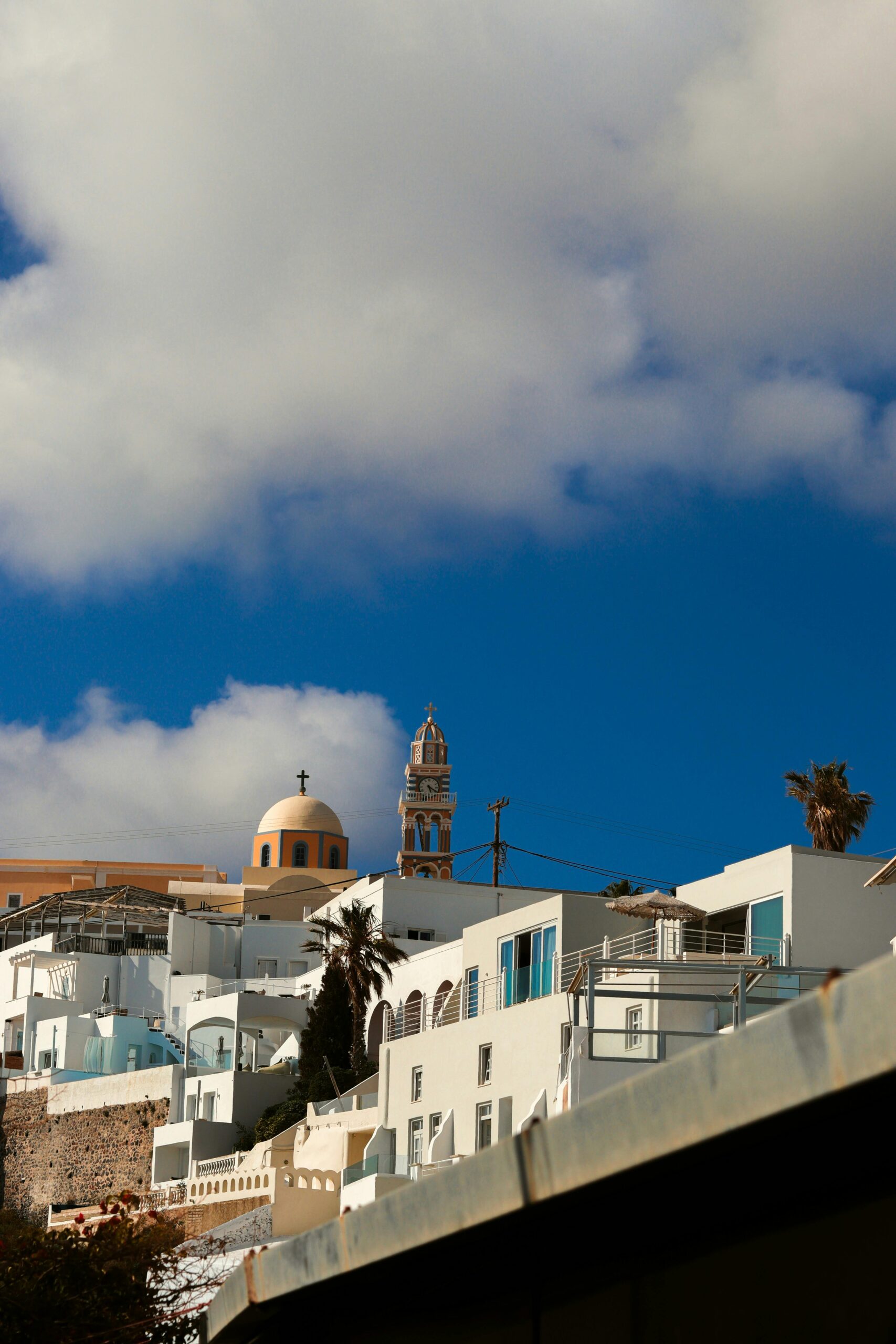
Oia is the obvious choice for first-timers who want the classic caldera look, but it is also the easiest place to overpay for a room that feels crowded once the day visitors arrive. Imerovigli is better for couples who want a quieter base with serious views, while Fira gives you more activity and less refinement. Pyrgos suits travelers who want a more grounded village feel, and Akrotiri is the practical pick for people who care more about space and less about being in the middle of the action.
People also underestimate how much the island location affects the mood of the trip. Stay in the wrong area and you spend your energy compensating for it. That is the core problem behind Why Santorini Is Harder to Get Right Than Almost Anywhere in Greece.
Two mistakes travelers keep making
The first mistake is booking for the view alone. A caldera-facing room can be excellent, but if the terrace is tiny, the privacy is poor, or the area is busy all day, the room stops feeling special fast. Many travelers pay for a photo and then spend the trip dealing with noise, foot traffic, and inflated expectations.
The second mistake is assuming a short stay is automatically enough. Santorini can work for a brief visit, but only if your expectations are tight. If you want to combine views, beaches, good food, and relaxed downtime, a rushed stay usually means you see the island in fragments and leave feeling like you missed the point.
There is also a practical consequence people do not plan for: the wrong accommodation location can turn a simple trip into a daily friction exercise. Travelers who choose a base without thinking about pace often end up spending too much time correcting for that choice, which is expensive and tiring.
Where the island actually fits different travelers
Who this suits: couples who care about atmosphere, travelers who are comfortable paying for a strong view, and people who want a polished, high-impact Greek island experience without needing a long list of activities. It also suits travelers who like structure and do not mind planning around peak periods.
Who this does not suit: families wanting easy movement and lots of space, travelers on a strict budget, and people who get frustrated by crowds or high prices. It is also a poor fit for anyone who wants a low-effort beach holiday with no logistical thought at all.
- Oia: best for iconic caldera views, weakest for privacy and value.
- Imerovigli: best for quieter luxury, less convenient if you want constant activity.
- Fira: best for energy and choice, not for peace.
- Firostefani: a balanced option, but still close enough to the busy core to feel the pressure.
- Pyrgos: best for a more local-feeling base, weaker if your priority is direct caldera drama.
- Akrotiri: best for space and a calmer tempo, less useful if you want to be in the center of everything.
The counterintuitive truth about Santorini
The surprising thing is that the most expensive part of Santorini is not always the best part for your trip. Many travelers think the highest-priced caldera stay will automatically solve the holiday, then discover that what they actually wanted was easier movement, more privacy, or less pressure to “make the most” of every hour. In Santorini, a more restrained choice can produce a better trip than the obvious luxury splurge.
That is especially true for travelers who value downtime. A smaller, less dramatic base can feel more restful and more human than the famous cliff-edge room everyone else is chasing. This is one reason Why Santorini Is Harder to Get Right Than Almost Anywhere in Greece keeps coming up in serious trip planning: the obvious answer is often the wrong one.
Season and pace matter more here than most people admit
Santorini changes character sharply by season. In peak months, the island can feel compressed, with popular areas carrying a level of pressure that changes the whole mood of the trip. Shoulder season gives you more breathing room, but only if you are realistic about what still feels open, active, and worth your time.
Travelers who ignore pace usually make the same error: they try to force too much into a place that works best when you slow down and choose carefully. Santorini is not a destination for casual improvisation. If you want to understand the island better, the official overview at
visitgreece.gr is a useful starting point, but the real decision is how you want the island to feel once you are there.
What you gain, and what you give up
If you get Santorini right, you gain one of the most distinctive Greek island stays available. The views are serious, the best properties are memorable, and the island can feel highly polished when the base and pace are chosen well. For travelers who want a special-occasion trip, it can deliver exactly that.
What you give up is flexibility. Santorini is not the island for spontaneous wandering, budget-first planning, or a relaxed “we’ll figure it out when we arrive” approach. You need to accept that the island works best when the trip is designed around what it does well, not what you wish it did.
For travelers who want a broader cultural context rather than just a view, the best approach is to treat Santorini as one part of a larger Greece plan, not the whole story. If you want to understand the country beyond the island experience, culture.gov.gr/en is a better reference point than social media ever will be.
Conclusion
Santorini is not hard because it is complicated in the abstract. It is hard because every decision has consequences, and the wrong one is expensive. If you choose the right area, the right pace, and the right season, the island can justify its reputation. If you do not, it can feel like an overmanaged, overpaid lesson in how not to book Greece.
Greece rewards travelers who arrive with a plan built around how they actually travel — not a generic template. The difference between a frustrating trip and a remarkable one often comes down to sequence, timing, and knowing which trade-offs matter for your situation.
Recommended experiences
Some experiences mentioned here are curated and managed by Elite Greece Travels.
- Athens Milos Santorini Itinerary 9 Days — Itinerary (managed by Elite Greece Travels).
- Greece 7 Day Itinerary Athens Delphi Meteora Santorini — Itinerary (managed by Elite Greece Travels).
- Santorini Sunset Cruise With Dinner In The Caldera — Cruise (managed by Elite Greece Travels).
Frequently asked questions
What is the biggest mistake people make when planning Santorini?
They book for the famous view and ignore how the area functions day to day. That usually leads to paying more for less comfort, less privacy, or a location that does not fit their travel style.
Which area is best for a first-time visitor to Santorini?
For most first-timers, Imerovigli is the safest upscale choice if quiet matters, while Oia is better if the classic caldera look is the top priority. Fira works if you want more activity and easier access to services.
Is Santorini worth it for a short trip?
Yes, but only if the trip is focused. A short stay works when you accept that you will not do everything, and you choose a base that matches the pace you want.
Which part of Santorini is best for a quieter stay?
Imerovigli, Pyrgos, and Akrotiri are the strongest options for travelers who want less pressure than Oia or central Fira. Each gives up something different, so the right choice depends on whether you care more about views, privacy, or space.
Does Santorini suit families?
Some families make it work, but it is not the easiest Greek island for them. Limited space, higher prices, and the cliffside layout make it less practical than many travelers assume.
Why do people say Santorini is expensive for what you get?
Because many travelers compare the price to other Greek islands instead of to the actual experience they are buying. In Santorini, you are paying for location, scarcity, and view-driven demand, not broad value.