

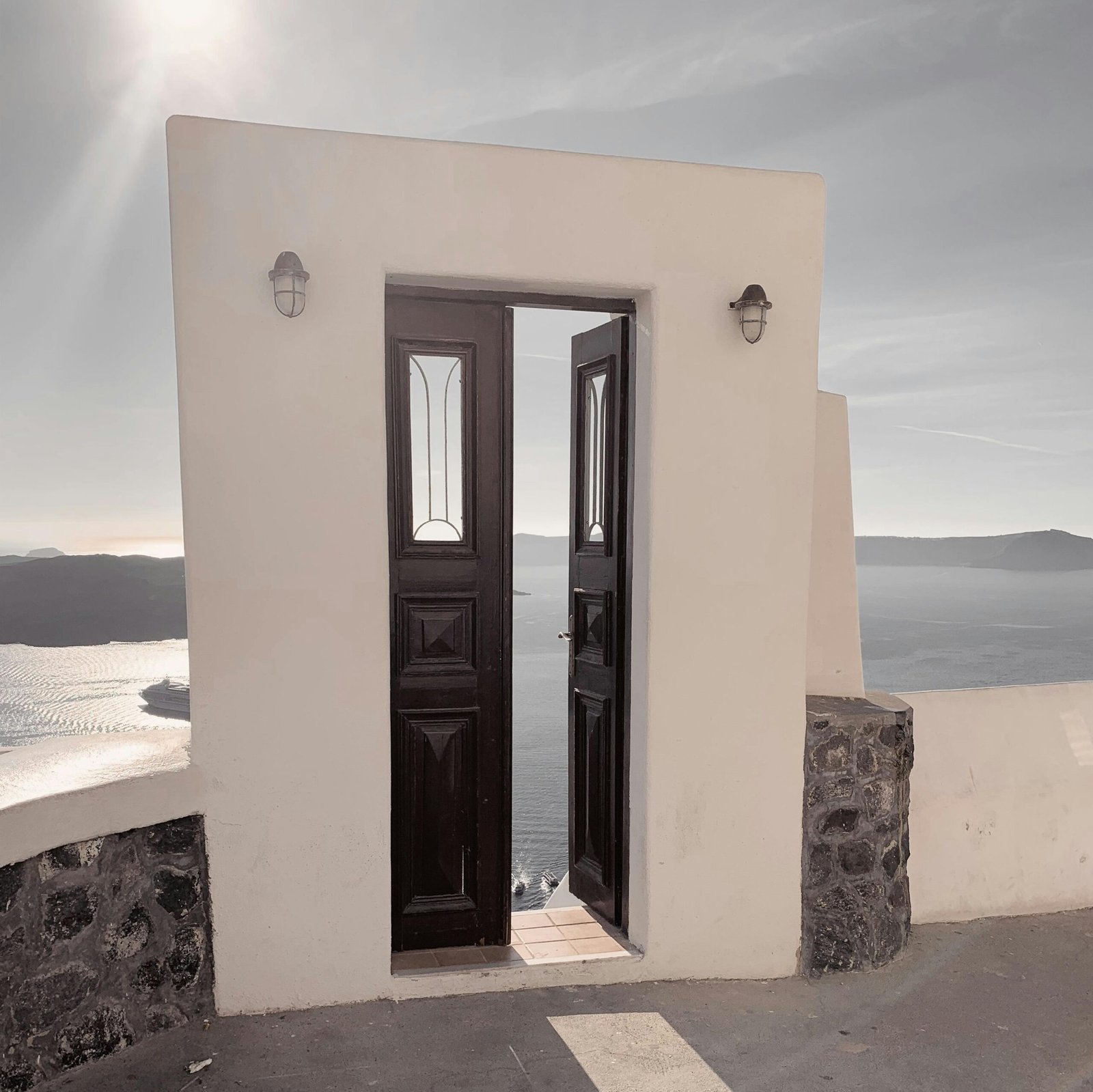
Why Santorini Is Harder to Love Than Everyone Admits because the island’s appeal is real, but the experience is often more controlled, crowded, and expensive than first-time visitors expect. If you want dramatic views and polished hotels, Santorini can be excellent. If you want easy movement, relaxed beaches, or a sense of spontaneity, it can feel like work.
The mistake is treating Santorini like a normal Greek island. It is a highly concentrated destination where timing, season, and your tolerance for crowds shape the trip more than the map does. That is why some travelers leave impressed, and others leave irritated after paying too much for too little breathing room.
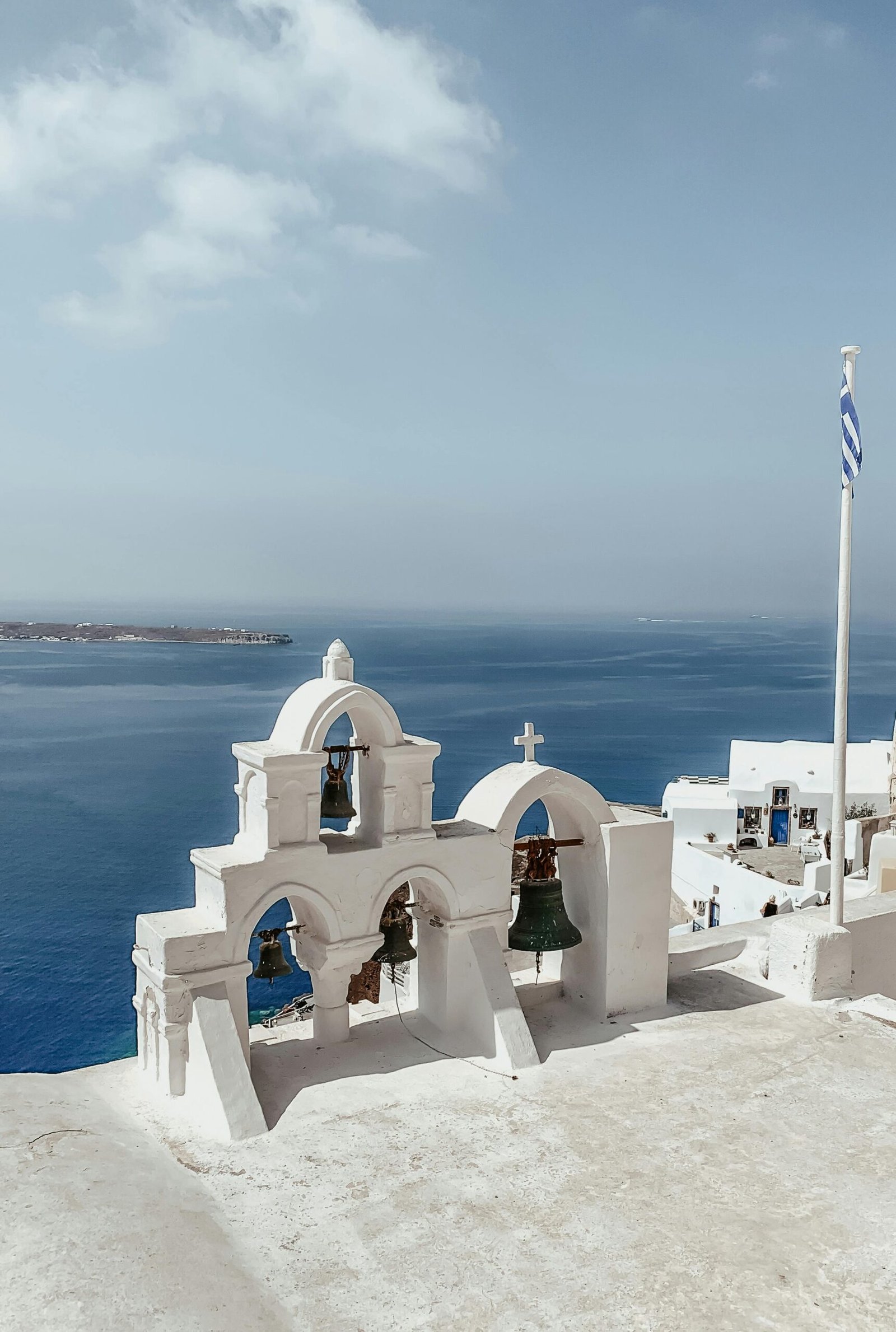

Why Santorini Is Harder to Love Than Everyone Admits
Why Santorini Is Harder to Love Than Everyone Admits is not a complaint about the island’s quality. It is a warning about expectation management. Santorini is beautiful in the specific way a place becomes beautiful when it is optimized for admiration, photographed constantly, and priced accordingly.
Most travelers assume the problem is that Santorini is “overrated.” That is too simple. The real issue is that many people arrive expecting a relaxed island and get a place that behaves more like a premium viewing platform with hotels attached. If you know that in advance, the island makes more sense.
Why Santorini Is Harder to Love Than Everyone Admits: the real reason
The island asks you to accept friction in exchange for spectacle. That friction shows up in crowd pressure, high prices, and a feeling that many parts of the island are designed around short, intense visits rather than easy lingering. For some travelers, that trade is worth it. For others, it is exhausting from the first afternoon.
What most travelers underestimate is emotional pacing. Santorini does not reward rushing around trying to “see everything.” The island works better when you choose a narrow set of priorities and let the rest go. If you try to make it into a broad, all-purpose Greek island trip, you will feel the cost in both money and patience.
When Santorini works well, and when it does not
Santorini works best for travelers who care about views, design-forward hotels, good dining, and a trip that feels intentionally curated. It also suits people who are comfortable paying for convenience and are willing to accept that some of the island’s most famous areas are busy because they are famous. That is the honest deal.
It works poorly for travelers who want long beach days, easy wandering, or a low-stress island rhythm. Families with young children often find the built environment awkward. Budget travelers usually feel the pain fastest, because Santorini’s value proposition is weakest when you are trying to stretch every euro.
Most travelers assume Santorini is a place to relax by default, but actually it is a place you have to manage actively. That is why Why Santorini Is Harder to Love Than Everyone Admits is such a useful question: it forces you to ask whether you want beauty, convenience, or ease. Santorini gives you the first two more often than the third.
Trade-offs by traveler type and season
The same island feels very different depending on who is visiting and when. A couple on a short luxury break may find the island efficient and memorable. A slower traveler who values empty streets and informal local life may find it overbuilt and overly performance-driven.
- Luxury travelers: Best fit if you want a polished stay, private space, and are comfortable paying for premium views and service.
- First-time Greece visitors: Good if Santorini is one part of a broader trip, not the whole trip.
- Budget travelers: Hard fit unless you accept limited value and fewer choices.
- Families: Mixed fit; the island is not built for easy, casual family movement.
- Slow travelers: Often frustrated unless they are content with a very narrow version of the island.
Season matters more than most people admit. In peak months, the island can feel compressed and expensive in a way that distorts the whole experience. In calmer periods, it becomes easier to appreciate the setting without constantly negotiating crowds, but even then it does not turn into a quiet, underdeveloped island.
What travelers consistently get wrong
The biggest mistake is thinking Santorini is a beach destination in the same sense as other Greek islands. The beaches are secondary here, and many visitors end up disappointed because they built their trip around sand and swimming. Santorini’s real product is visual drama, not broad recreational variety.
Another common mistake is assuming the island will feel spontaneous. It rarely does. The more famous the area, the more curated the experience becomes, and that can flatten the sense of discovery some travelers want from Greece. If you want a broader cultural context for the country beyond the island experience, start with resources like
Visit Greece and plan accordingly.
There is also the assumption that a famous place must deliver a universally satisfying trip. It does not. Santorini is one of the clearest examples in Greece where reputation creates pressure that the island cannot fully absorb.
The practical decision: should you go or skip it?
Go if you value a concentrated, high-impact stay and you are willing to pay for the privilege. Go if you are treating Santorini as a short, specific experience rather than your entire Greece trip. Go if you understand that the island’s best qualities are visual and atmospheric, not casual and expansive.
Skip it if your priority is value, ease, or a more relaxed island pace. Skip it if you dislike crowds enough that they will color your memory of the trip. Skip it if you want Greece to feel informal and unforced from start to finish.
If you do go, choose your expectations carefully. Santorini is not a place to “figure out” after arrival. The island is too expensive for that approach, and the wrong assumption can waste an entire day before you realize the trip is not matching your style. For travelers who care about Greece’s broader cultural depth, pairing island time with mainland context can help, and official references such as the Hellenic Ministry of Culture are useful when planning beyond the postcard version of the country.
What a good Santorini trip actually looks like
A good Santorini trip is narrow, not crowded with ambitions. It focuses on a few experiences you genuinely care about and avoids pretending the island is something it is not. That usually means accepting that you will not “do it all,” and that is a better outcome than forcing a checklist.
The travelers who enjoy Santorini most are usually the ones who stop comparing it to other Greek islands. Once you do that, the island’s logic becomes clearer. It is not a generalist destination; it is a specialist one.
Greece rewards travelers who arrive with a plan, but Santorini rewards travelers who arrive with a filter. That is the difference between a trip that feels intentional and one that feels overpriced.
Final call
My position is simple: Santorini is worth visiting for the right traveler, but it is not a default recommendation. If you want a place that is easy, loose, and full of everyday Greek island texture, this is not the one to choose. If you want a tightly edited stay and you can tolerate the trade-offs, it can still be very good.
Why Santorini Is Harder to Love Than Everyone Admits is ultimately about fit, not quality. The island is real, the beauty is real, and the frustration is real too. The better question is whether you want to pay for a place that asks you to admire it on its terms.
The right answer depends on how you actually travel — your pace, your priorities, and what you’re willing to trade off. If you’re not sure which option fits, that uncertainty is itself useful information.
Frequently asked questions
Is Santorini overrated?
Not exactly. Santorini is better described as misunderstood: the island delivers on dramatic views and polished stays, but many travelers expect an easy, flexible island experience and get something more controlled and expensive.
Why do some travelers dislike Santorini?
They usually dislike the crowd pressure, the pricing, and the lack of casual spontaneity. If you want a relaxed island with broad beaches and a low-key rhythm, Santorini can feel restrictive.
Is Santorini worth it for a first trip to Greece?
Yes, but only as part of a broader trip. If Santorini is your only Greek destination, you may leave with a distorted impression of what Greece is actually like.
What type of traveler enjoys Santorini most?
Travelers who care about views, design, fine dining, and a more curated stay usually enjoy it most. It also suits people who are comfortable paying for premium settings and limited space.
When is Santorini hardest to enjoy?
Peak season is when the island is most likely to frustrate people. Crowds, pricing, and constant pressure around the most famous areas make the experience feel compressed.
Is Santorini good for families?
It can work, but it is not the easiest Greek island for families. The built environment and crowd patterns make it less convenient than destinations with more open space and simpler movement.
Should I stay longer in Santorini or combine it with another island?
For most travelers, a shorter, focused stay works better than trying to make Santorini carry the whole trip. It is strongest as a specific experience, not as a one-size-fits-all island base.