

Why Santorini Is Harder to Plan Well Than People Expect is simple: the island is easy to book and hard to get right. Most people fixate on the view and ignore the practical choices that decide whether the trip feels polished or needlessly irritating.
The mistake is usually not spending too little; it is spending a lot in the wrong place, at the wrong time, for the wrong kind of trip. Santorini punishes vague planning more than most Greek islands do.
Why Santorini Is Harder to Plan Well Than People Expect
Why Santorini Is Harder to Plan Well Than People Expect is not a warning against going. It is a warning against assuming the island works the way the photos suggest. Santorini is compact, but it is not simple, and the difference between a good stay and an expensive annoyance usually comes down to where you stay, when you arrive, and how much movement you expect to do once you are there.
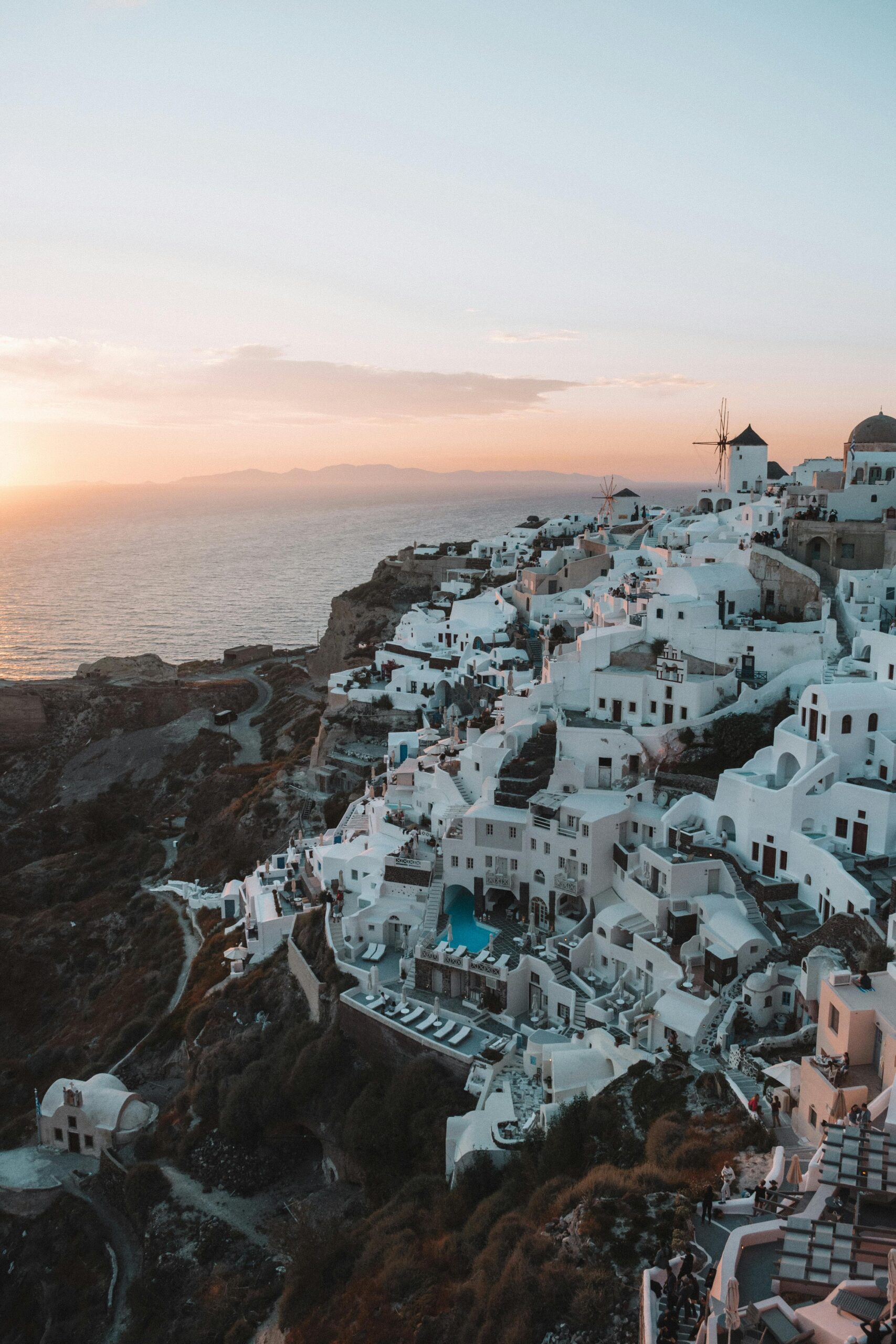
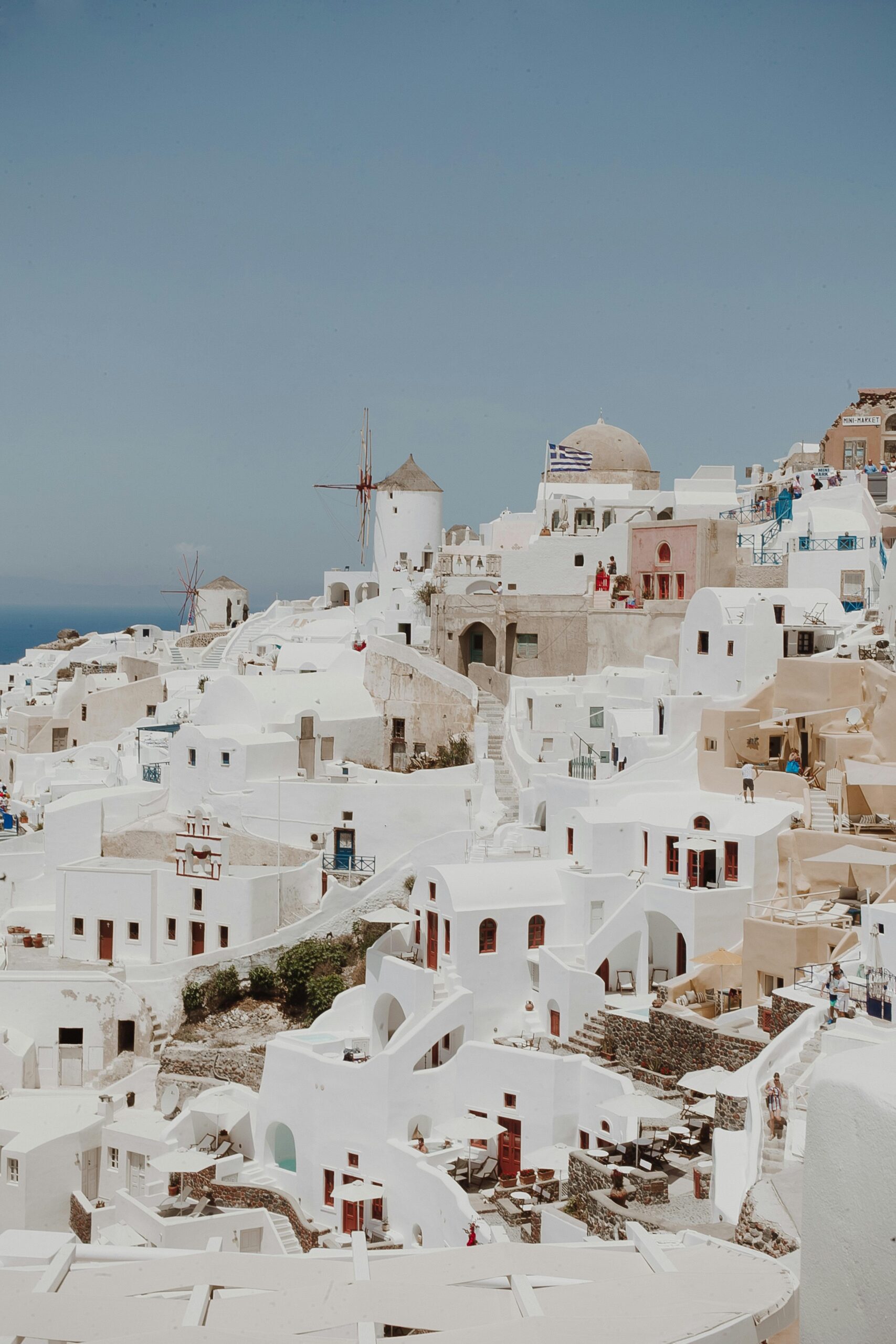
The first thing travelers get wrong is treating Oia, Imerovigli, Fira, and Firostefani as interchangeable. They are not. Oia is the most visually famous and the most heavily managed; Fira is busier and more functional; Imerovigli is quieter and more controlled; Firostefani sits in a useful middle ground. If you choose the wrong one for your trip style, you will pay luxury rates and still feel boxed in.
The second mistake is underestimating how much the island’s rhythm changes by season. In peak months, even well-located hotels can feel overrun at the wrong hours, and the caldera-facing areas become less relaxing than people expect. In shoulder season, some travelers are surprised by how much quieter the island becomes, which is good for space but not always good for atmosphere if they wanted a more social scene. Santorini is not a year-round version of the same experience.
Why Santorini Is Harder to Plan Well Than People Expect: the area choice matters more than the hotel category
If you want the cleanest possible experience, stop thinking in terms of star ratings first. Think in terms of neighborhood behavior. Oia suits travelers who want a highly polished, photo-led stay and are willing to accept crowds and premium pricing for it. Fira suits people who want more activity, more dining choice, and less isolation, even if the setting feels less refined.
Imerovigli is the strongest choice for couples who want calm and a more controlled pace. It is not the best pick for travelers who get restless without easy variety nearby. Firostefani is often the smartest compromise for people who want caldera views without paying the most aggressive prices on the island. That is the kind of detail that changes the trip more than suite size does.
Akrotiri is the most misunderstood area. It works for travelers who care more about space, access to the island’s southern side, and a less crowded feel than about being in the center of the caldera scene. People who book there expecting the classic Santorini mood often feel they chose the wrong island.
What travelers consistently underestimate
They underestimate how quickly Santorini becomes tiring when every decision is made around the view. A caldera-facing room can be excellent, but if the property is awkwardly placed, exposed to constant foot traffic, or too isolated for the way you travel, the view stops mattering. Luxury in Santorini is not just what you see from the terrace; it is how often you have to work around the location.
They also underestimate how much time is wasted by poor sequencing. A common planning failure is booking the island as a quick add-on at the wrong point in a Greece trip, then discovering that the pace is too compressed for the price paid. That mistake usually leads to one of two outcomes: people either rush through Santorini and remember the logistics, or they overpay for a stay that never feels settled.
For travelers still building the rest of their Greece route, the official
Visit Greece resource is useful for understanding the island in the broader context of the country, but it will not solve the real planning problem. The real issue is not information volume. It is choosing the right version of Santorini for the kind of trip you are actually taking.
A counterintuitive truth about Santorini
The counterintuitive part is this: the most expensive areas are not always the easiest to enjoy. In fact, some of the highest-priced caldera stays are the least forgiving for travelers who want flexibility, privacy, and a sense of ease. You can spend heavily and still end up with a room that feels exposed, overexposed, or inconvenient in daily use.
That is why Why Santorini Is Harder to Plan Well Than People Expect is more than a catchy phrase. It describes a real mismatch between expectation and function. Santorini looks straightforward because the island is small and the brand is clear, but the lived experience changes sharply by micro-location, crowd level, and the amount of movement you are comfortable with.
Who this suits
Santorini suits couples, honeymooners, and design-conscious travelers who want a refined stay and are willing to pay for a narrow, curated experience. It also suits travelers who are content to slow down and are not trying to “do” the island in a frantic way. If you like a clear point of view in a destination, Santorini can deliver that.
It does not suit travelers who want wide-open beaches, low-friction spontaneity, or a lot of room to improvise. Families with younger children often find the terrain and property layout more annoying than they expected. Travelers who hate crowds but still want to stay in the most famous parts of the island are usually the ones who end up disappointed.
- Best fit: couples, honeymooners, and travelers who value a polished, contained stay.
- Weak fit: families with small children, budget-focused travelers, and anyone who wants a relaxed beach-first holiday.
- Risky fit: travelers who want privacy but also want to be in the busiest caldera zones.
The practical trade-offs nobody wants to admit
On Santorini, you usually gain either atmosphere or ease, rarely both in equal measure. Oia gives you the iconography and the strongest first impression, but it also gives you the highest concentration of visitors and the least room for error. Imerovigli gives you more calm and often a better day-to-day feel, but fewer obvious options when you want variety.
Fira gives you convenience and movement, but it can feel less exclusive than people imagine when they are paying luxury prices. Firostefani is often the most balanced choice, which is exactly why it gets overlooked. Akrotiri gives you breathing room, but you give up the classic caldera-centered rhythm that many first-timers think they are buying.
If you want a broader sense of Greek cultural context around how destinations are presented and preserved, the Ministry of Culture is a more useful reference than glossy destination pages. Santorini is not just a backdrop; it is a heavily interpreted place with real pressure on space, access, and experience. That is why planning it well matters more than people think.
What most travelers get wrong about timing
The worst assumption is that Santorini is equally good whenever you can fit it in. It is not. Peak summer brings the most pressure on the island, and that pressure affects everything from the feel of the neighborhoods to how restorative the trip actually is. Spring and early autumn are often more intelligent choices for travelers who care about comfort and value.
Another mistake is assuming a short stay automatically works because the island is small. In practice, short stays are unforgiving if your hotel choice is wrong. If you pick the wrong area, the limited time magnifies the problem and you leave feeling like you paid for a highlight reel instead of a proper stay.
Why Santorini Is Harder to Plan Well Than People Expect is best understood as a warning about precision. The island does not forgive lazy assumptions. It rewards travelers who know what they want and are honest about what they are willing to give up.
Conclusion
Most Greece trips follow the same tired script. The ones that don’t — the ones travelers still talk about years later — were built around a real understanding of how this country works. That kind of understanding takes time, or it takes someone who already has it.
Recommended experiences
Some experiences mentioned here are curated and managed by Elite Greece Travels.
- Athens Milos Santorini Itinerary 9 Days — Itinerary (managed by Elite Greece Travels).
- Greece 7 Day Itinerary Athens Delphi Meteora Santorini — Itinerary (managed by Elite Greece Travels).
- Santorini Sunset Cruise With Dinner In The Caldera — Cruise (managed by Elite Greece Travels).
Frequently asked questions
Why is Santorini harder to plan well than other Greek islands?
Because the island is small but highly segmented. Area choice, season, and pace matter more than most travelers expect, and a poor match can be expensive to fix once you arrive.
Which area is best for a first-time visitor?
For many first-timers, Firostefani or Imerovigli offers a better balance than Oia. Oia is the most famous, but not always the most comfortable choice for a first Santorini stay.
Is Santorini only for honeymooners?
No, but it is strongest for couples and travelers who want a polished, contained experience. Families and travelers who want space to roam often find better value elsewhere in Greece.
When is the best time to visit Santorini?
Spring and early autumn are usually the most sensible periods for comfort and value. Peak summer is the hardest time to make the island feel relaxed.
What is the biggest mistake people make when booking Santorini?
They book based on the view alone and ignore the neighborhood. A great terrace does not compensate for a poor location or a property that does not fit the way you travel.
Can Santorini work as a short stop?
Yes, but only if the area and hotel are chosen carefully. A short stay in the wrong location tends to feel rushed and overpriced.