

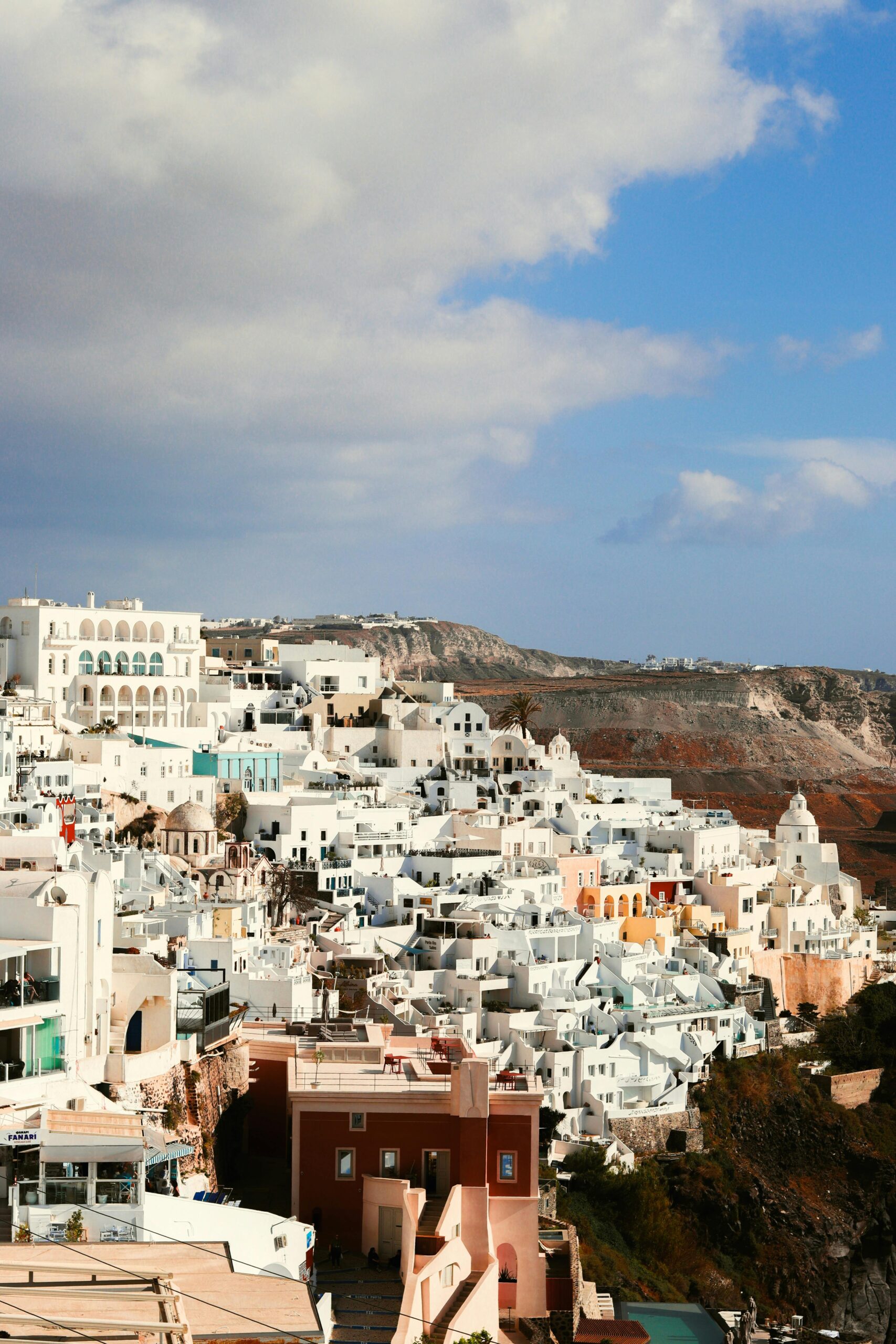
Why Santorini’s Iconic Sunset Isn’t Worth the Crowds in Peak Summer is a question every serious traveler should consider before booking. The summer months pack the island with throngs of tourists, tour buses, and selfie sticks, turning what should be a quiet, captivating moment into a logistical headache.
Understanding when to visit Santorini goes beyond temperature or avoiding crowds; it involves recognizing how the island’s atmosphere shifts across the year and how that impacts your experience of its famed sunset.
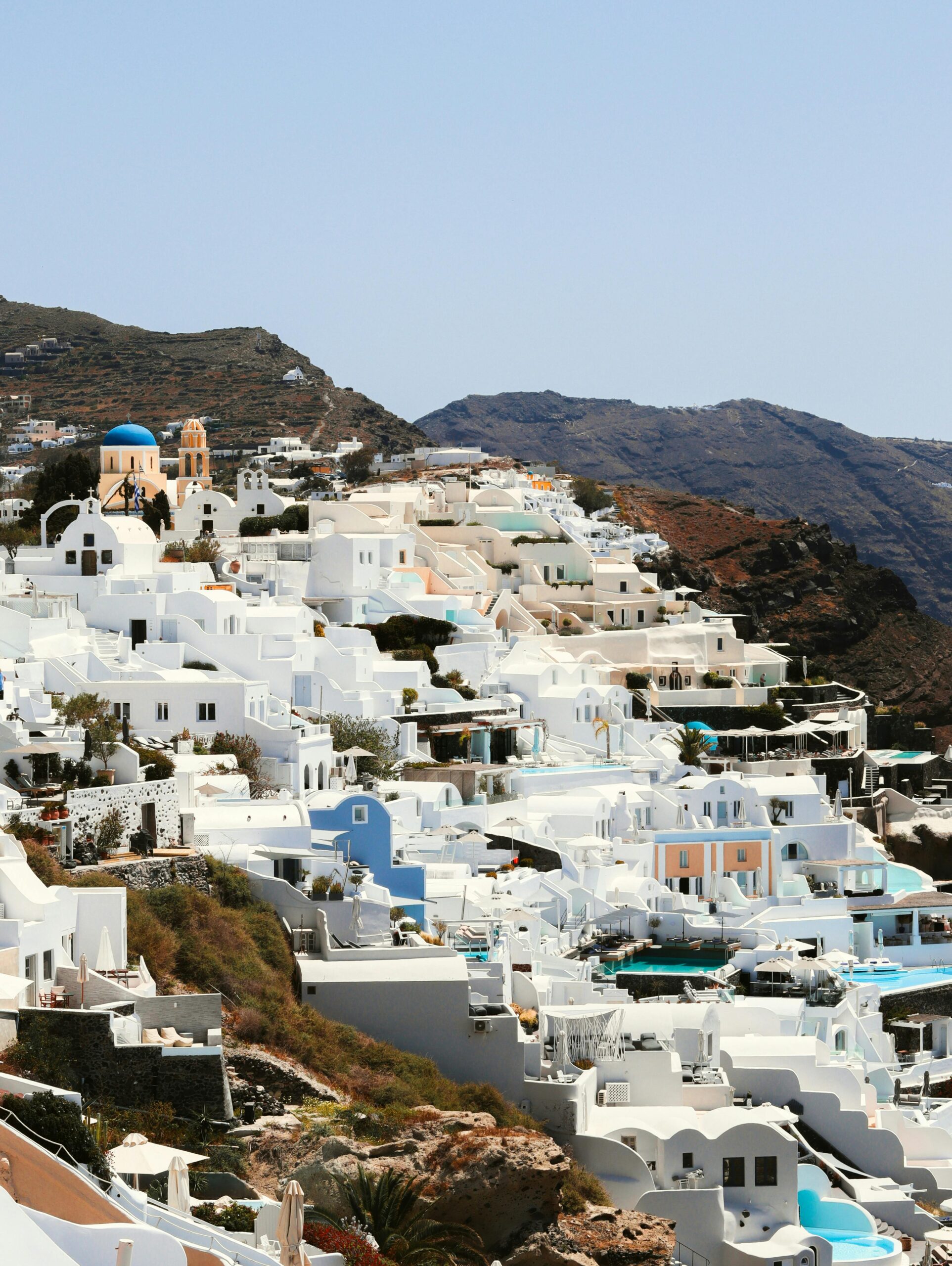
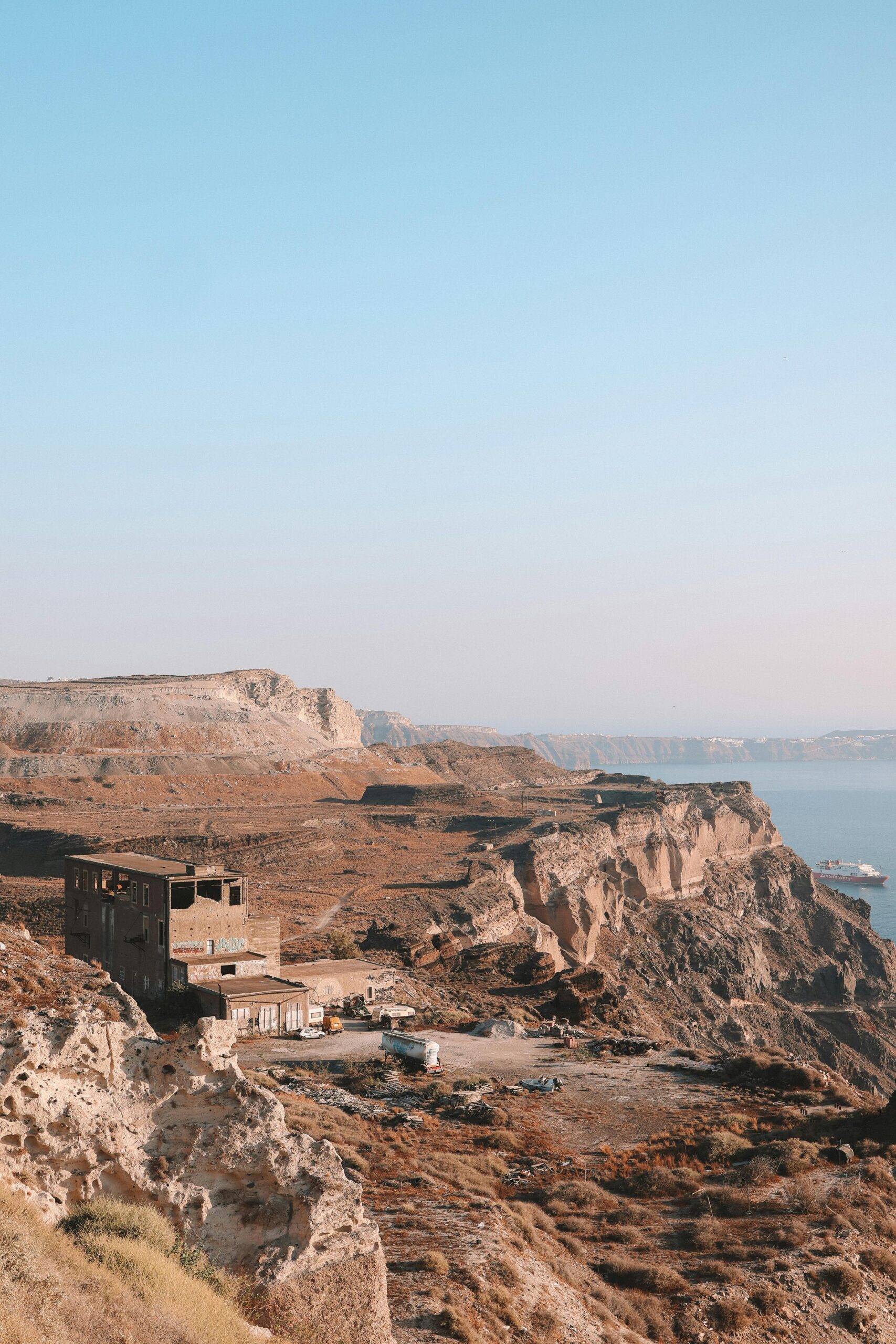
Why Santorini’s Iconic Sunset Isn’t Worth the Crowds in Peak Summer
April to June: The Quiet Window Before the Rush
Visiting Santorini in late spring offers a version of the island many miss. The air is still fresh, the sea begins to warm, and most importantly, the crowds have not arrived in full force. Restaurants and bars are open and attentive, unlike the shoulder months of November or December. This period allows for an intimate sunset experience without the noise and chaos of peak season.
July to August: The Reality of Peak Season Crowds
Most travel guides glorify Santorini’s sunsets in peak summer but fail to mention the practical consequences of timing your trip here. The island becomes packed with day-trippers and cruise ship passengers, turning the sunset spots into congested viewing platforms. Expect long waits, limited seating, and a cacophony of voices competing for the perfect photo angle. The experience is more about managing crowds than savoring the moment.
Peak summer tourists often underestimate the need for reservations months in advance, especially for dining with sunset views. This miscalculation results in frustration and a diluted experience. If your goal is a peaceful, contemplative sunset, July and August are the worst possible months to visit.
September to October: The Best Trade-Off Between Weather and Atmosphere
Early fall is when Santorini reveals its true character. The weather remains warm but the crowds thin dramatically after Labor Day. Hotels and restaurants maintain full service, and the island’s pace slows, allowing visitors to enjoy the sunset with space and calm. This window is ideal for those who want to combine good weather with an authentic atmosphere.
Unlike peak summer, September and October evenings are cooler but comfortable, and the sunsets often have richer colors due to atmospheric changes. This period also sees fewer ferry cancellations and less pressure on local infrastructure.
November to March: The Off-Season Risks and Rewards
Many travelers believe avoiding crowds means visiting in the off-season. While Santorini is quiet and empty during these months, it’s a double-edged sword. Numerous restaurants and hotels close, and some iconic sunset viewing spots are less accessible due to maintenance or early closing times. The island’s mood is markedly different—more dormant and less vibrant.
Monasteries and archaeological sites might have restricted hours or be closed entirely. Weather is unpredictable, with frequent wind and rain. This period suits travelers who prioritize solitude over amenities or those with a specific interest in winter photography rather than a traditional sunset experience.
Why Santorini’s Iconic Sunset Isn’t Worth the Crowds in Peak Summer: A Clear Stance
The truth is that the peak summer experience of Santorini’s sunset is overrated and often disappointing. The crowds shrink the intimacy, and the logistical headaches overshadow the natural beauty. The island feels more like a theme park than a destination to unwind. If you insist on visiting in summer, expect to sacrifice quality for convenience.
For those who want the iconic sunset without the hassle, shoulder seasons offer a vastly superior experience. If you are honeymooning or celebrating a special occasion, booking well in advance for September or early October is the only way to secure a memorable, less crowded setting.
Counterintuitive Insight: Why Avoiding Crowds Isn’t the Real Reason to Skip Peak Season
Most articles tell you to avoid peak season to escape crowds, but this misses a deeper point. The real issue is not just the number of people—it’s the atmosphere they create. Peak summer tourists come for quick photos and structured tours, which changes the vibe from reflective to rushed. The sunset stops being a moment and turns into a checkpoint on someone’s itinerary.
Visiting in the shoulder season means fewer people, yes, but more importantly, it means visitors who are there for the right reasons. The island feels less like a stop on a checklist and more like a place to be fully present.
Additional Considerations: Seasonal Changes Beyond Crowds and Weather
Seasonal shifts affect more than just temperature and visitor numbers. Local businesses adjust their hours, cultural events and festivals cluster in certain months, and transportation options fluctuate. For example, ferry schedules become less frequent and less reliable outside summer, which can impact your overall itinerary.
Understanding these practical details is vital. The Ministry of Culture’s official calendar (
culture.gov.gr) lists when archaeological sites and museums operate at full capacity. Meanwhile, the national tourism portal (visitgreece.gr) provides updated information on events and seasonal services that influence the visitor experience.
Conclusion
Timing in Greece isn’t just about weather or crowds. It’s about which version of Greece you get — and which version matches what you’re actually looking for. That’s a more interesting question than most people ask.
Frequently asked questions
Is Santorini’s sunset viewable year-round?
Yes, the sunsets are visible year-round, but the experience varies widely due to weather, crowd levels, and business operations. Winter months bring unpredictable weather and fewer amenities.
Why is August considered the worst month for Santorini sunsets?
August is the peak tourist season with the highest visitor numbers, leading to overcrowded viewing spots, difficulty securing dinner reservations, and a generally rushed atmosphere.
Are there alternative spots for sunset viewing away from the crowds?
Yes, but most alternative spots are less accessible and lack infrastructure. The famous caldera edge in Oia remains the most popular and crowded point during peak months.
What months have the best weather for Santorini sunsets?
Late April through June and September to early October offer warm, stable weather with less crowding, making these periods ideal for enjoying sunsets.
Do local festivals affect when to visit Santorini?
Local festivals can enhance the cultural experience but often occur outside peak summer months. Checking local calendars can help align your visit with these events.
How far in advance should I book for a peak summer visit to Santorini?
For peak summer, especially July and August, booking at least six months ahead is essential to secure accommodations and dining with sunset views.
Can I still enjoy Santorini’s sunset if I visit in off-season?
You can, but many services close in the off-season, and the island’s atmosphere is quieter and less lively. The sunsets remain beautiful but the overall experience is different.