

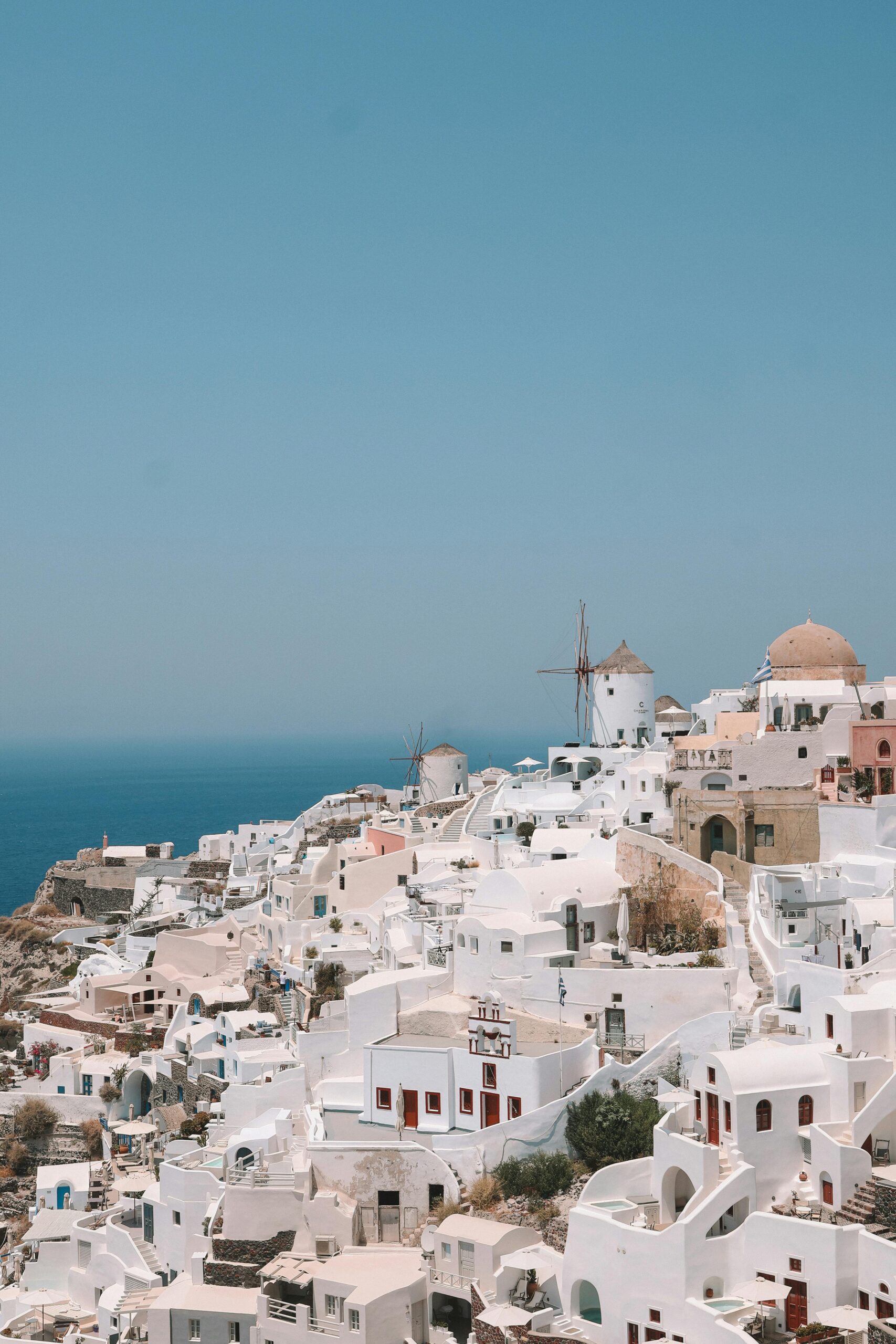
Why Santorini’s Iconic Sunsets Are Overrated and When to See True Magic is a question too few travelers ask before booking. The postcard-perfect sunset views in Oia are famous but often disappoint those who don’t plan timing carefully. Understanding how timing transforms not just the crowds but the entire atmosphere is essential to a worthwhile visit.
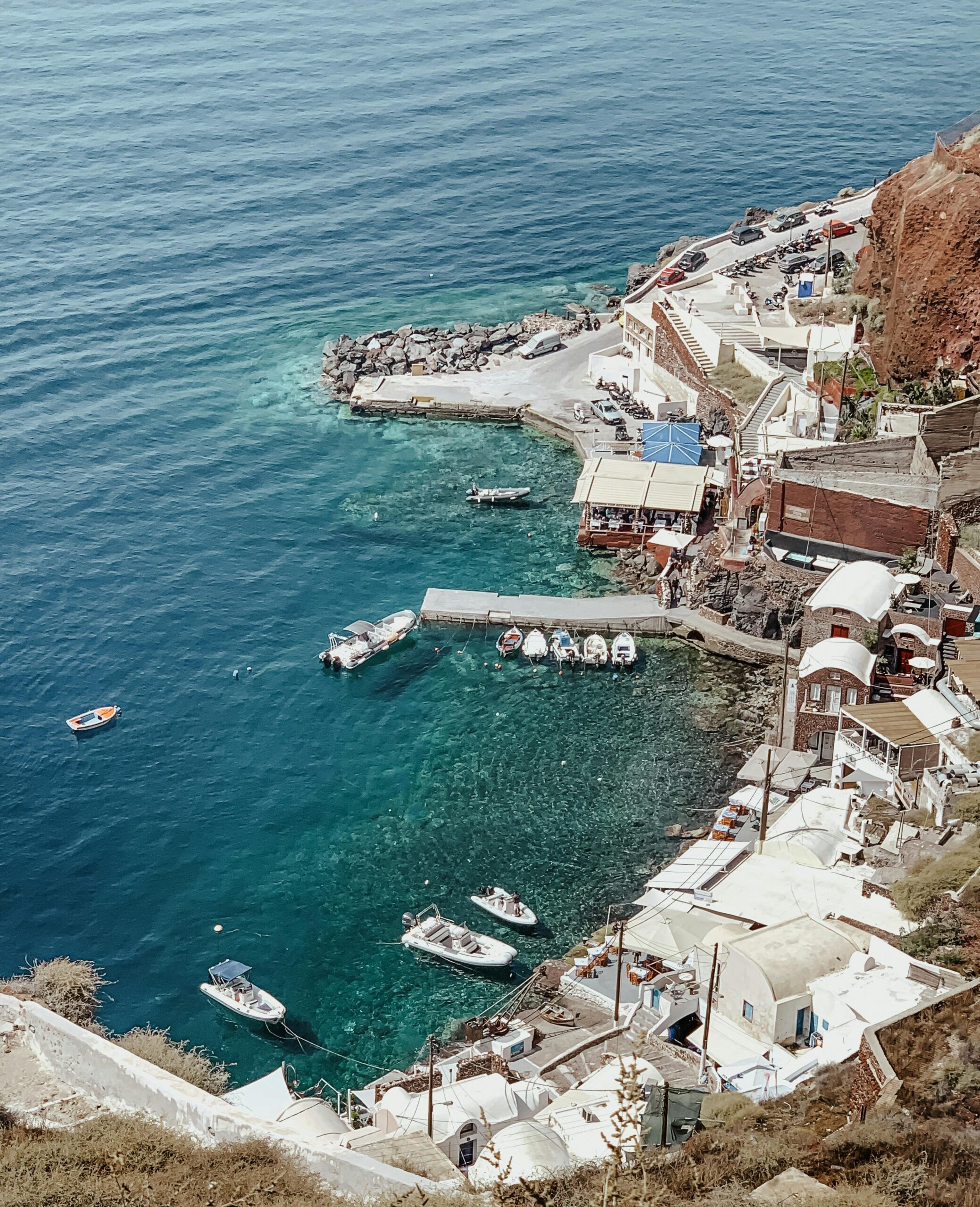
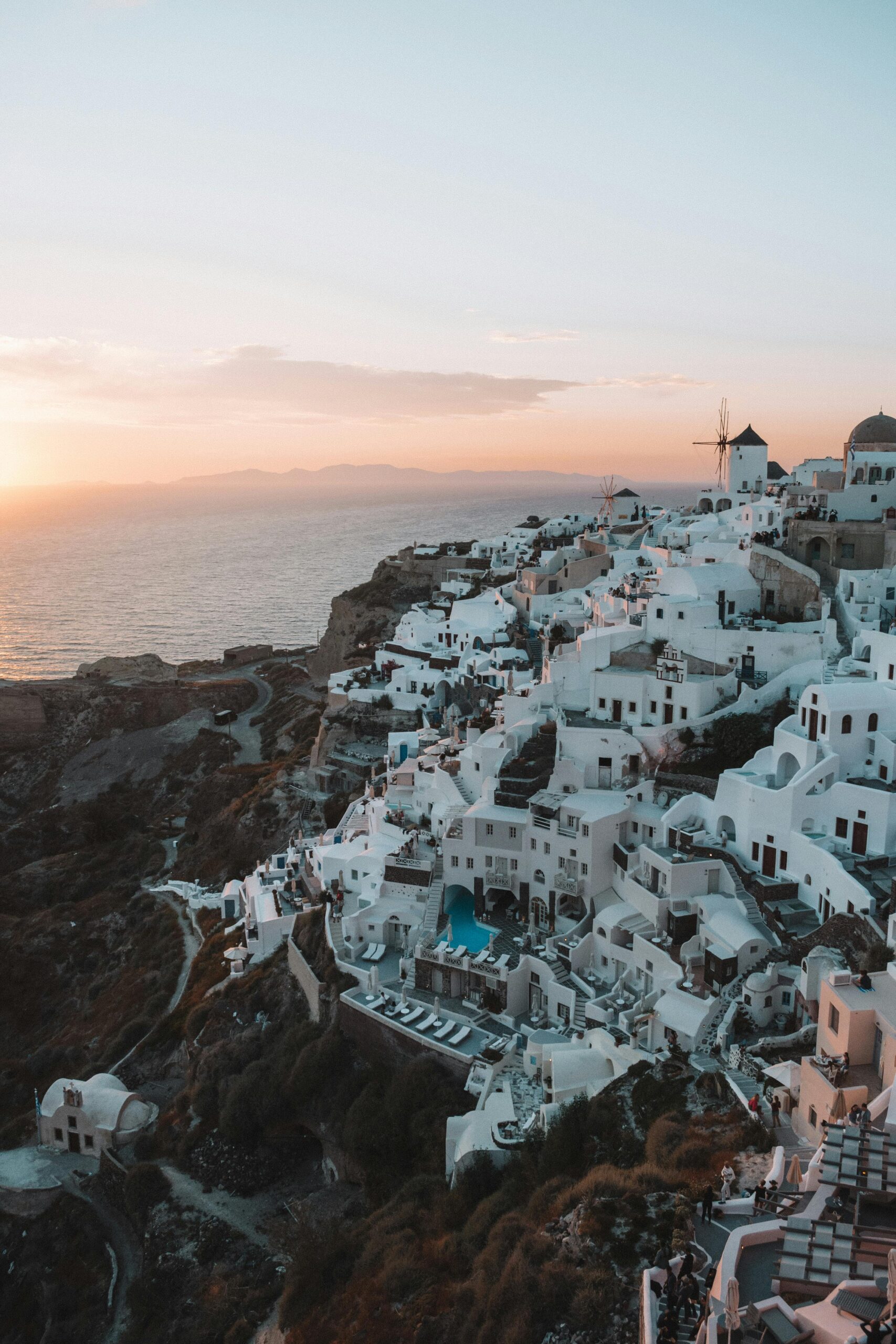
Why Santorini’s Iconic Sunsets Are Overrated and When to See True Magic
Direct Answer: When to Visit Santorini for Its Best Sunsets
Late May to early July and September to mid-October offer the best balance between manageable crowds, reliable weather, and a sunset experience that doesn’t feel like a cattle call. But this straightforward answer misses the nuances that define the real magic on Santorini.
April to Early June: Spring’s Unpolished Charm and Quiet Sunsets
Early spring is often overlooked but offers a rawer version of Santorini, where sunsets are peaceful and unobstructed. The island still wakes up from winter’s quiet, so some tavernas and hotels remain closed, which may frustrate those expecting full service. The light quality is softer, and the air cooler. This period suits travelers who want authenticity over gloss and don’t mind missing peak hospitality.
Mid-June to August: Peak Season’s Overcrowded, Overrated Sunsets
This is when most visitors arrive, drawn by the idea of the iconic sunset. The reality: packed viewing points, aggressive vendors, and a sunset that loses impact because you’re trapped in crowds. Ferry lines swell, accommodations skyrocket in price, and the island feels more like a theme park than a destination. Honeymooners or couples arriving without reservations six months ahead often face disappointment or inflated last-minute rates.
September to October: The Sweet Spot for True Magic
September and early October combine warm seas, thinning crowds, and full hospitality services. The sunsets regain their dignity here. The light is sharper, the skies often clearer, and the island’s rhythm slows down. Unlike the cliché advice to simply “avoid crowds,” this timing offers an emotionally richer experience — where locals are more present, and the island’s slower pace lets you appreciate the moment rather than endure it.
November to March: Off-Season Realities and Unexpected Beauty
Most travelers dismiss Santorini in winter, expecting gloom and closures. While many hotels and restaurants close, the island’s quiet can feel rewarding if you’re prepared. Sunsets are stark and different, less about spectacle and more about introspection. Weather is unpredictable, and ferry service is reduced, which complicates logistics but weeds out casual tourism. This is not a season for casual visitors but can be profound for those who appreciate solitude.
Why Santorini’s Iconic Sunsets Are Overrated and When to See True Magic: The Counterintuitive Insight
Most travel advice focuses on avoiding crowds to improve the sunset experience. That advice misses the point: the island’s sunset magic is not just about fewer people but about the quality of the moment shaped by local life and seasonality. For example, April’s quiet sunsets can feel empty, while October’s sunsets feel meaningful because they coincide with harvest festivals, fewer tourists, and active village life. Timing affects emotional context as much as visual beauty.
Practical Trade-Offs: What Changes Besides Crowds and Temperature
Seasonality affects more than just how many people you see. Services fluctuate dramatically—monasteries may have restricted hours outside peak months, and many restaurants close in late autumn. Ferry frequency drops sharply in low season, often stranding travelers who underestimate the challenge. Lighting conditions shift too; summer sunsets can be harsh and flattened by haze, while autumn light is clearer and deeper. Understanding these details prevents common frustrations.
Who Benefits Most from Each Timing Window
- Spring visitors gain quiet authenticity but must accept limited services.
- Peak summer travelers get guaranteed warmth and full amenities but must tolerate crowds and inflated costs.
- Early autumn guests enjoy a balanced, emotionally resonant experience with active local culture and manageable crowds.
- Winter explorers find solitude and a stripped-down Santorini but need to be self-sufficient and flexible.
Conclusion
Timing in Greece isn’t just about weather or crowds. It’s about which version of Greece you get — and which version matches what you’re actually looking for. That’s a more interesting question than most people ask.
For more context on cultural timings and seasonal rhythms around Greece, consult official resources like the
Ministry of Culture or explore broader travel insights at Visit Greece.
Frequently asked questions
Are Santorini sunsets really worth the hype during peak season?
No. During peak season, crowds at sunset spots are overwhelming, making the experience feel more like a spectacle to endure than a moment to enjoy.
What months offer the best weather and sunset views in Santorini?
Late May to early July and September to mid-October combine good weather, manageable crowds, and high-quality sunsets.
Can I visit Santorini in winter and still see a sunset worth watching?
Yes, but winter sunsets are less about vivid colors and more about quiet reflection. Many tourist services are reduced, so it requires preparation.
Do local festivals affect the sunset experience in Santorini?
Yes. Festivals, especially in autumn, create a richer atmosphere around sunset times, adding cultural depth often missed in peak summer visits.
Is it possible to avoid crowds entirely when watching Santorini’s sunsets?
Avoiding crowds doesn’t guarantee a better sunset experience. The island’s vibe and local activity significantly influence how memorable the moment feels.
How far in advance should I book accommodations for peak sunset season?
At least six months ahead. Last-minute bookings during peak season often mean limited options and inflated prices.
Are there alternative sunset spots in Santorini less crowded than Oia?
Yes, but most alternatives require local knowledge and transport. Oia remains the main draw, and alternatives can lack infrastructure or view quality.