

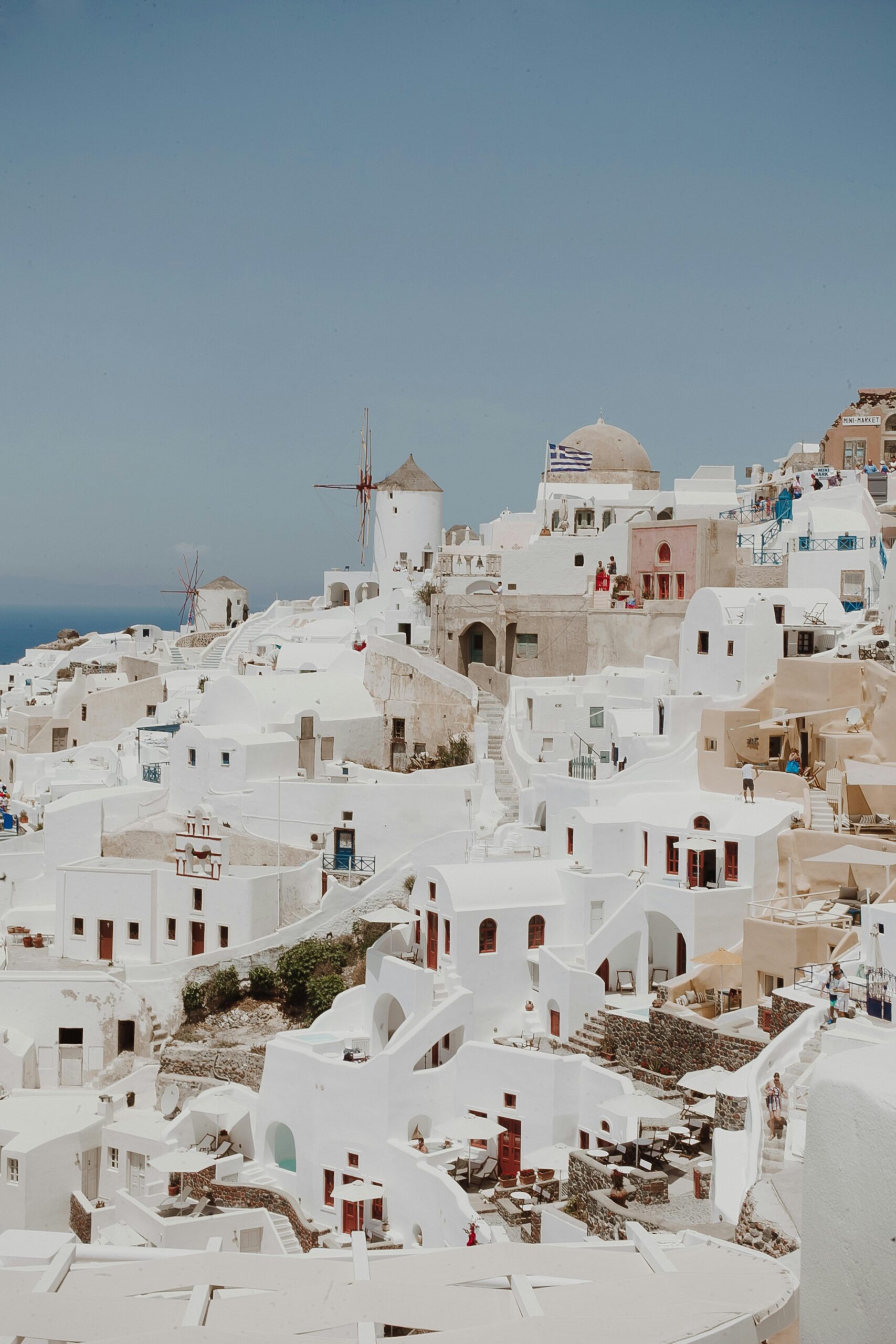
Why Santorini’s Iconic Views Can Mask Its Overlooked Seasonal Challenges is a critical question for anyone planning a visit. The famous caldera vistas and sunsets often blind travelers to practical and emotional realities that vary dramatically by season.
Picking the right time to visit Santorini means balancing crowds, accessibility, and the island’s operational rhythm — factors that no amount of photos can reveal.
Why Santorini’s Iconic Views Can Mask Its Overlooked Seasonal Challenges
January to March: The Quiet Months Are Not Without Their Costs
Visiting Santorini in winter offers solitude but comes with significant operational downsides. Many hotels and restaurants close for extended periods, and public transport options are sparse. The island’s famous sunsets don’t change, but infrastructure supporting visitors does. This period feels less like a vacation hotspot and more like a slow-paced local town. Travelers who prioritize authentic local rhythms over convenience benefit most here.
April to June: The Early Shoulder Season’s Hidden Advantages
Spring and early summer are the closest to an ideal balance, yet many travelers overlook that not all venues open uniformly during April. Weather is warming but still unpredictable, especially early in the season. While the crowds are lighter than July and August, the island still buzzes with preparation energy — a mix of opening events and ongoing construction in some areas. This window suits active travelers who want to avoid full summer chaos without sacrificing facility availability. It’s also the best time for cultural visits, with many monasteries and museums open, and the Greek Ministry of Culture often scheduling events around this time.
July and August: Peak Season’s Overwhelming Reality
Most travel guides celebrate summer as the definitive Santorini experience, but this is when Why Santorini’s Iconic Views Can Mask Its Overlooked Seasonal Challenges becomes glaringly clear. The island is swamped with visitors, ferry terminals are overcrowded, and accommodations require booking at least six months in advance — especially for honeymooners and luxury travelers. The intense heat and crowds can diminish the experience significantly. Restaurants often prioritize volume over quality, and popular viewpoints are packed from sunrise to well past sunset. If you’re chasing the iconic views, expect to share them with hundreds.
September to October: The Late Shoulder Season’s Mixed Signals
Late summer and early fall offer relief from peak crowds, but many travelers don’t anticipate how quickly the island’s pace shifts. By October, some high-end restaurants and hotels close down for the season, and certain cultural sites reduce their hours or shutter completely. The weather remains agreeable but less predictable, with occasional rain disrupting plans. This period feels transitional — neither fully active nor entirely quiet. It favors travelers who want a calmer experience but can handle occasional closures and reduced services. For cultural enthusiasts, pairing a Santorini visit with a stop at the Acropolis Museum in Athens before or after can compensate for seasonal restrictions on the island.
A Counterintuitive Insight: Off-Peak Challenges Are Not Just About Crowds
Most advice about Santorini focuses on avoiding crowds, but the real issue is operational consistency. For example, some travelers assume visiting in November means peace and quiet—but many hotels and restaurants shut down, and ferry services are limited, turning a simple island hop into a logistical headache. Monasteries and local cultural sites close more frequently outside of peak months, limiting authentic experiences. The island’s beauty doesn’t disappear, but the infrastructure supporting travelers does. This is a critical distinction that few articles emphasize.
What Each Season Feels Like Emotionally
In peak season, Santorini feels like a bustling resort with constant activity and noise, which can be energizing or exhausting depending on your temperament. Shoulder seasons have a tentative energy: spaces open and close, local rhythms are returning, and a sense of anticipation lingers. Winter months feel genuinely isolated, with a slower, more contemplative atmosphere — but also a risk of disappointment if you expect full services. Recognizing and accepting these emotional states ahead of time changes how you experience the island.
Conclusion
Timing in Greece isn’t just about weather or crowds. It’s about which version of Greece you get — and which version matches what you’re actually looking for. That’s a more interesting question than most people ask.
Frequently asked questions
Is Santorini worth visiting in the winter months?
Winter visits offer solitude and a glimpse of local life but come with limited services and fewer open attractions. It’s best for travelers who prioritize quiet over convenience.
How crowded does Santorini get in July and August?
July and August are the busiest months, with overcrowded ferries, booked accommodations well in advance, and packed restaurants and viewpoints. Expect a very busy atmosphere.
Are all restaurants and hotels open year-round in Santorini?
No, many close during the off-season, especially from November through March. Even in shoulder seasons, some venues operate on reduced hours or days.
Can I visit monasteries and cultural sites any time of year?
Monasteries and cultural sites often have seasonal closures, particularly in winter and late fall. Planning visits during shoulder or peak seasons ensures better access.
What is a good time for honeymooners to visit Santorini?
Honeymooners should avoid last-minute summer bookings. Early shoulder seasons like late May or early June offer a better balance of atmosphere, availability, and weather.
Is the weather in Santorini stable during shoulder seasons?
Shoulder seasons bring warmer weather than winter but can be unpredictable, with occasional rain or wind, especially in early spring and late fall.
How does ferry service vary by season?
Ferry frequency drops significantly in winter, making travel to and from Santorini more difficult and less flexible compared to the summer months.