

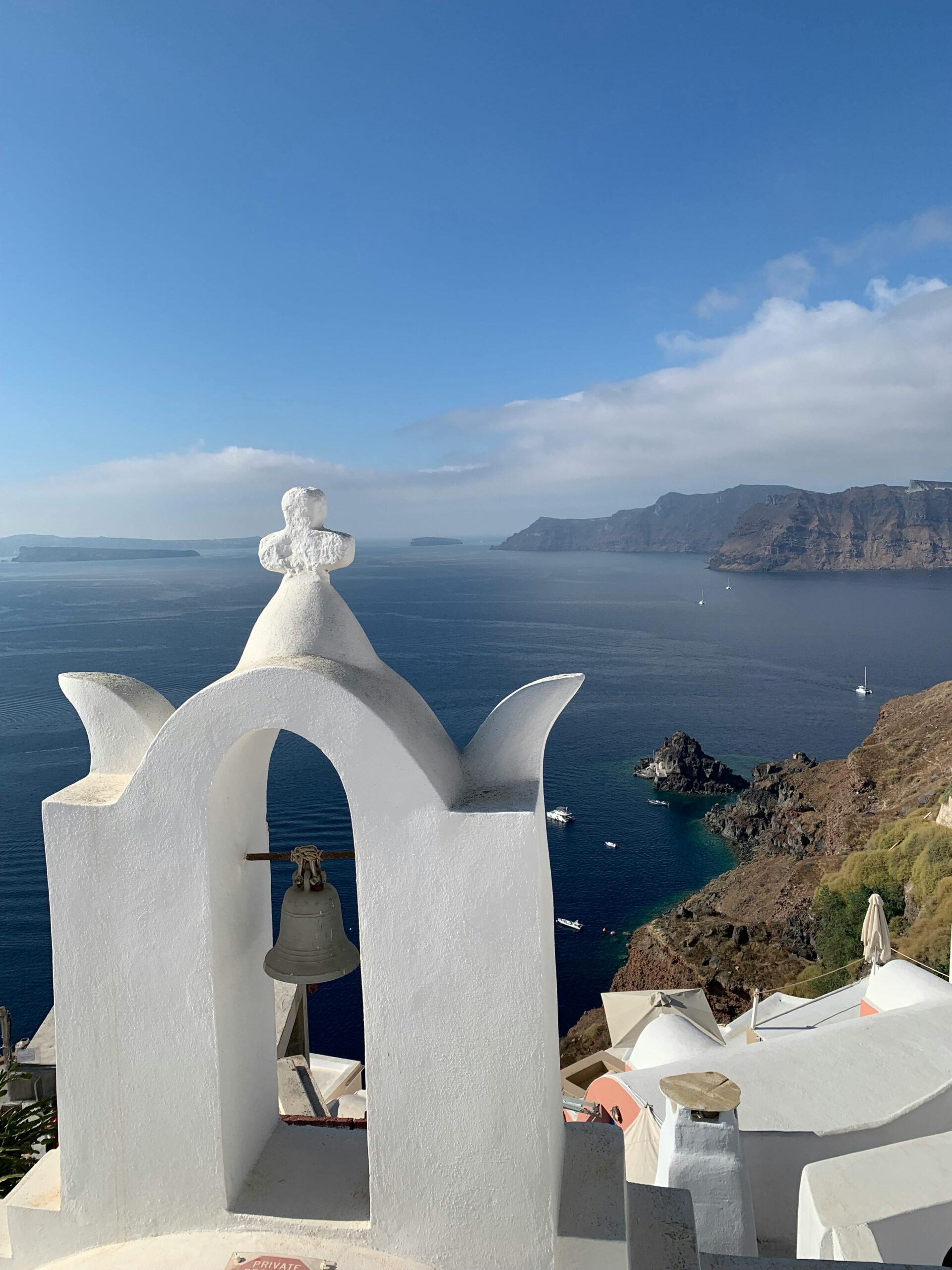
Why Santorini’s Sunset Crowds Destroy the Magic—And When to Really Go is the question every experienced traveler asks before booking. The iconic sunset scene in Oia is often more about jostling for space and selfie sticks than about quiet appreciation. Understanding the seasonal and daily rhythms of Santorini is critical to avoid this overrated spectacle and connect with the island on your terms.
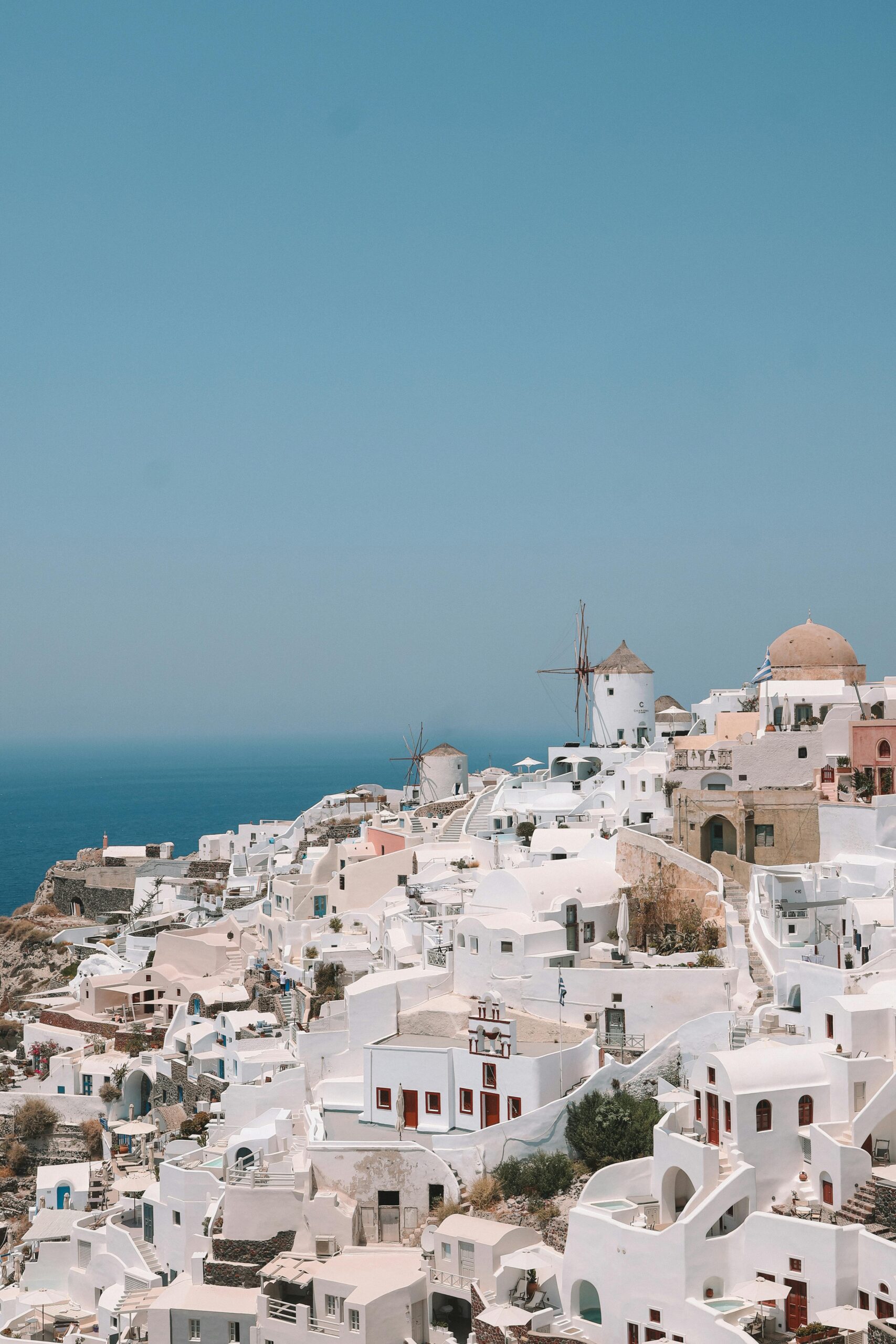
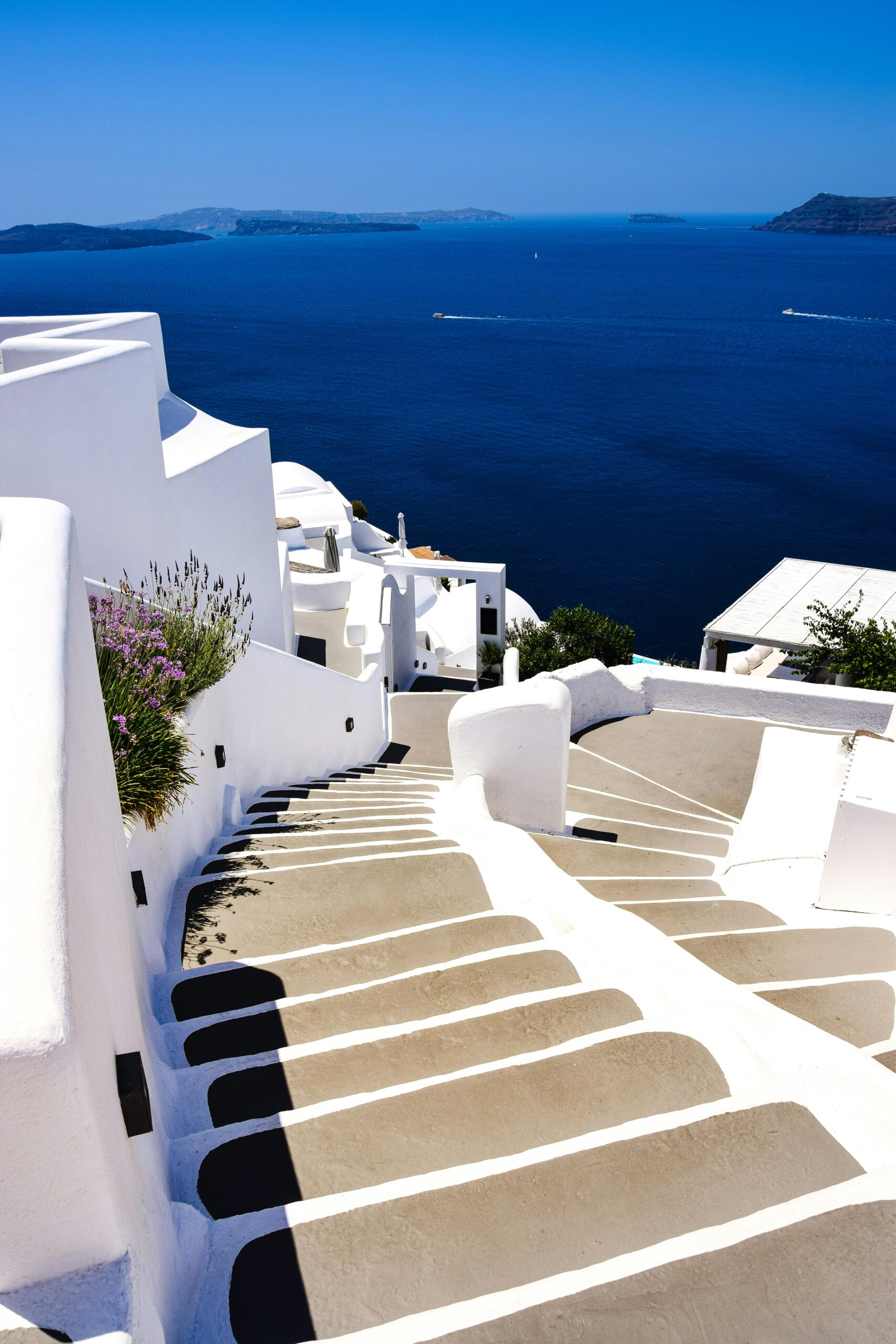
Why Santorini’s Sunset Crowds Destroy the Magic—And When to Really Go
Direct Answer: Visit Late Spring or Early Autumn, But Not for the Sunset Rush
If you want to experience Santorini without the chaos, avoid the typical peak summer months of July and August. The island swells with tourists chasing the famous sunset, turning it into a cramped and often frustrating event. Late April to June or September to mid-October offers far fewer people, better service, and a more genuine atmosphere. Still, the sunset viewing in Oia remains a magnet, but the overall experience is more relaxed.
April to June: Spring’s Quiet Build-Up with Genuine Island Life
Spring on Santorini is not just about milder weather; it’s when the island transitions from sleepy winter to active season. Many restaurants and hotels reopen after winter closures, so service quality improves steadily. The crowds are manageable, and the island’s rugged landscape blooms, offering a different appeal than the stark summer glare. The sunsets are still spectacular but not overrun. This window suits travelers who want a balance of activity and calm, with authentic local encounters.
July and August: When Santorini’s Sunset Crowds Destroy the Magic—And When to Really Go Is Most Crucial
July and August are infamous for crushing crowds, ferry bottlenecks, and inflated prices. The sunset in Oia during these months becomes a human traffic jam. Most visitors underestimate how early you must arrive to claim any decent vantage point—hours before sunset. The emotional tone shifts to impatience and frustration rather than awe. Honeymooners and first-timers often make the mistake of arriving without bookings made six months ahead, leading to last-minute compromises or overpaying. If your goal is to see the island’s iconic sunset in peace, avoid these months entirely.
September to Mid-October: The Counterintuitive Sweet Spot
This period is arguably the best-kept secret. The sea remains warm enough for swimming, and the crowds thin out rapidly after August. The island’s businesses remain open, unlike in late October when many shut down for the off-season. The sunsets here are just as impressive, but the vibe is more serene, and the lines for restaurants and bars are shorter. Surprisingly, many travelers miss this window, wrongly assuming it’s too late in the season. The emotional atmosphere feels less like a tourist trap and more like an actual Mediterranean island.
Late October to March: Off-Season Reality Check
Winter on Santorini means a drastic reduction in services. Many hotels and tavernas close, and ferry schedules are limited. While the island is peaceful and the landscape moody, the sunsets lose their crowd-driven energy and become a quiet, solitary experience. Monasteries and archaeological sites may have limited hours or closures. This period benefits travelers who prioritize solitude and don’t mind the absence of nightlife or beach activities. It’s not a time for first-timers expecting the classic postcard image.
Emotional Differences Between Seasons
The island’s emotional tone fluctuates sharply: from the hopeful renewal of spring to the frenetic, impatient energy of peak summer, then the relaxed satisfaction of early autumn, and finally the introspective quiet of winter. Understanding these shifts helps avoid the disappointment of expecting a magical sunset experience during the busiest hours. Santorini is not just a picture; it’s a living place with a pulse that changes with the calendar.
Who Benefits Most From Each Timing Window
Spring visitors enjoy uncovering the island’s authentic charm without the crush. Summer suits those who want guaranteed open amenities and a buzzing atmosphere but must accept the trade-offs in comfort. Early autumn travelers get the best of both worlds—warm seas, open services, and thin crowds. Winter is reserved for those who appreciate solitude and offbeat travel, aware that many tourist conveniences vanish.
Counterintuitive Insight: The Sunset Isn’t the Only ‘Must-See’ Moment
Focusing solely on the sunset often blinds travelers to other times and places on the island that offer equally impressive views without the crowds. Early morning light over the caldera or late afternoon before the sunset scramble can be just as rewarding. Most travel guides fail to highlight these quieter windows, contributing to the mass rush that ruins the core experience. The obsession with the sunset timing is a self-fulfilling problem.
For those wanting a broader cultural context, the
Greek Ministry of Culture offers information on Santorini’s archaeological and historic sites that are often overlooked in peak season itineraries. For a wider perspective on Greek travel beyond Santorini, VisitGreece.gr provides updated seasonal advice and travel tips.
Conclusion
Timing in Greece isn’t just about weather or crowds. It’s about which version of Greece you get — and which version matches what you’re actually looking for. That’s a more interesting question than most people ask.
Frequently asked questions
Is it worth watching the sunset in Oia during peak summer?
Watching the sunset in Oia during July and August often means dealing with large crowds, limited vantage points, and long waits. Many travelers find the experience more stressful than enjoyable.
When is the best month to avoid crowds but still enjoy warm weather in Santorini?
Late May through June and September to mid-October offer warm weather with significantly fewer crowds, making these months ideal for most travelers.
Are Santorini’s beaches accessible year-round?
Beaches remain accessible year-round, but winter months see fewer services like beach bars and water sports, and the sea can be too cold for swimming.
Do most restaurants and hotels stay open off-season?
Many close between late October and March, so expect limited options and reduced ferry schedules during these months.
Can I find good sunset views outside Oia to avoid crowds?
Yes, other villages and elevated spots around the caldera offer excellent sunset views with fewer people, especially early in the evening or just before the main rush.
Why do many travelers underestimate the need to book early for Santorini’s peak season?
The island’s limited accommodation and dining capacity fill quickly for July and August, and many honeymooners or first-time visitors overlook this, leading to last-minute price surges or disappointment.
Does Santorini feel different emotionally depending on the season?
Absolutely. The island shifts from lively and hectic in summer to calm and introspective in winter, with spring and autumn offering more balanced moods.