

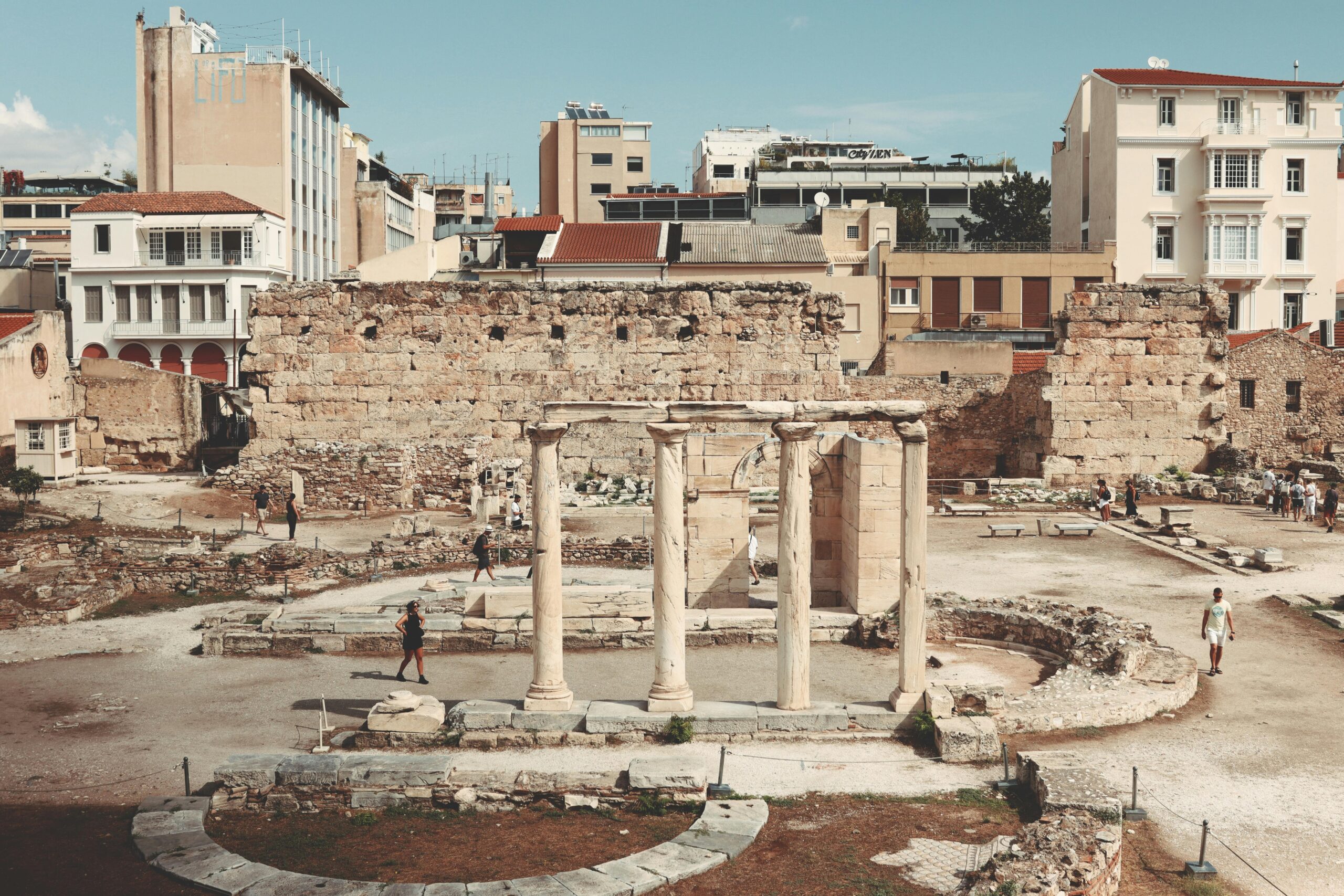
Why Visiting Athens After the Islands Ruins Your Greece Flow is a reality many travelers face, often without realizing the cultural and emotional cost. Starting with the islands first and then moving to Athens leaves many feeling overwhelmed and underwhelmed, disrupting the natural rhythm Greece’s diverse experiences demand.
Understanding how Athens fits into the broader narrative of Greece is essential to preserving the trip’s impact and avoiding common pitfalls that can shadow even the most well-meaning itineraries.


Why Visiting Athens After the Islands Ruins Your Greece Flow
Setting the Tone: Athens as Your Cultural Compass
Athens is not just a city to tick off; it’s the cultural anchor for understanding Greece’s layers of history, politics, and modern life. Starting with Athens grounds you in the complexities that the islands often simplify into postcard moments. When you jump to Athens after island hopping, the city’s nuances feel jarring rather than fascinating, turning what could be an enriching experience into a frustrating scramble.
The Emotional Reality of Athens Versus the Islands
The islands offer a sensory ease—sun, sea, and slow rhythms that seduce travelers into relaxation. Athens, by contrast, is a swirling energy of contradictions: ancient ruins shadowed by graffiti, buzzing cafes next to monumental museums. Arriving in Athens after the islands often hits travelers with a sensory whiplash, leaving many emotionally drained rather than invigorated.
Common Mistakes Travelers Make About Athens
One persistent misconception is treating Athens as a quick in-and-out stop, usually at the end of a trip. This approach underestimates the city’s sprawling neighborhoods like Plaka, Psyri, and Exarchia, each offering distinct atmospheres that unravel layers of Greek life. Another mistake is assuming Athens is merely about the Acropolis. While iconic, focusing solely on the archaeological sites ignores the city’s vibrant contemporary culture and the political pulse felt in areas like Monastiraki and Gazi.
The Trade-Offs of Timing Your Athens Visit
Starting in Athens demands mental readiness for the city’s intensity. You trade immediate relaxation for intellectual engagement and cultural immersion. This choice enriches your subsequent island visits, providing context and a deeper appreciation for the contrasts. Conversely, saving Athens for last risks fatigue and reduced curiosity, as the laid-back island pace leaves many ill-prepared for urban complexity.
Why Visiting Athens After the Islands Ruins Your Greece Flow: A Clear Position
It’s simple: Athens belongs at the start, not the end. This is not a subtle preference but a firm stance based on years of observing traveler fatigue and disappointment. Starting with the islands creates a disjointed experience, as the city’s dense historical and contemporary fabric demands fresh eyes and energy to appreciate fully.
Who This Approach Suits—and Who It Doesn’t
This sequence favors travelers hungry for cultural depth, history lovers, and those who thrive on intellectual stimulation. It suits visitors willing to embrace a busy urban environment before relaxing. It doesn’t work well for those who want to unwind from the get-go or who find cities emotionally draining. For families with young children or travelers seeking purely leisure experiences, beginning with islands may feel more natural despite the trade-offs.
Season and Duration Considerations
Athens is best absorbed in spring or autumn when the heat and crowds are moderate, allowing for thoughtful exploration. Aim for a minimum of three full days to move beyond the tourist hotspots and engage with neighborhoods like Kolonaki or the central market. This timing sets a solid foundation before island hopping, where typically a longer stay is required to embrace the slower pace and scattered geography.
Respecting Athens’ Complexity Through Informed Planning
Athens is a city that challenges and rewards in equal measure. Approaching it without preparation often results in confusion or superficial engagement. For an immersive experience, consider visiting institutions like the
Acropolis Museum or following updates from the Ministry of Culture to time your visit around exhibitions and events that deepen understanding. These culturally rich layers are what make Athens essential as a starting point, not an afterthought.
Conclusion
Greece rewards travelers who arrive with a plan built around how they actually travel — not a generic template. The difference between a frustrating trip and a remarkable one often comes down to sequence, timing, and knowing which trade-offs matter for your situation. Athens, with its dense cultural fabric and emotional intensity, demands to be experienced first to set the right tone for what follows. Thoughtful planning ensures you don’t lose the flow of Greece’s narrative but embrace it fully from day one.
Recommended experiences
Some experiences mentioned here are curated and managed by Elite Greece Travels.
- Athens Milos Itinerary — Itinerary (managed by Elite Greece Travels).
- Athens Milos Santorini Itinerary 9 Days — Itinerary (managed by Elite Greece Travels).
- Greece 7 Day Itinerary Athens Delphi Meteora Santorini — Itinerary (managed by Elite Greece Travels).
Frequently asked questions
Why is it better to visit Athens before the islands?
Visiting Athens first provides cultural context and mental preparation, enriching your island experience. Starting with the islands often makes Athens feel overwhelming and less engaging.
How many days should I spend in Athens to avoid feeling rushed?
At least three full days are recommended to explore beyond major tourist sites and absorb the city’s diverse neighborhoods and culture.
Which neighborhoods in Athens are essential to visit for a genuine experience?
Plaka, Psyri, Exarchia, Monastiraki, Gazi, and Kolonaki offer a range of atmospheres that reveal different facets of Athenian life.
Can visiting Athens after the islands still be enjoyable?
It can be, but many travelers report feeling depleted and less curious. The city’s intensity is best appreciated with fresh energy and an understanding of Greece’s cultural layers.
What time of year is best for visiting Athens?
Spring and autumn offer moderate temperatures and fewer crowds, ideal for exploring Athens thoughtfully and comfortably.
Is Athens suitable for travelers looking to relax?
Athens is stimulating and busy, so it suits travelers seeking cultural immersion more than pure relaxation. Islands are generally better for unwinding.
What are common misconceptions about Athens among tourists?
Many assume Athens is just about the Acropolis or treat it as a quick stop. This overlooks the city’s vibrant neighborhoods and contemporary cultural scene.