

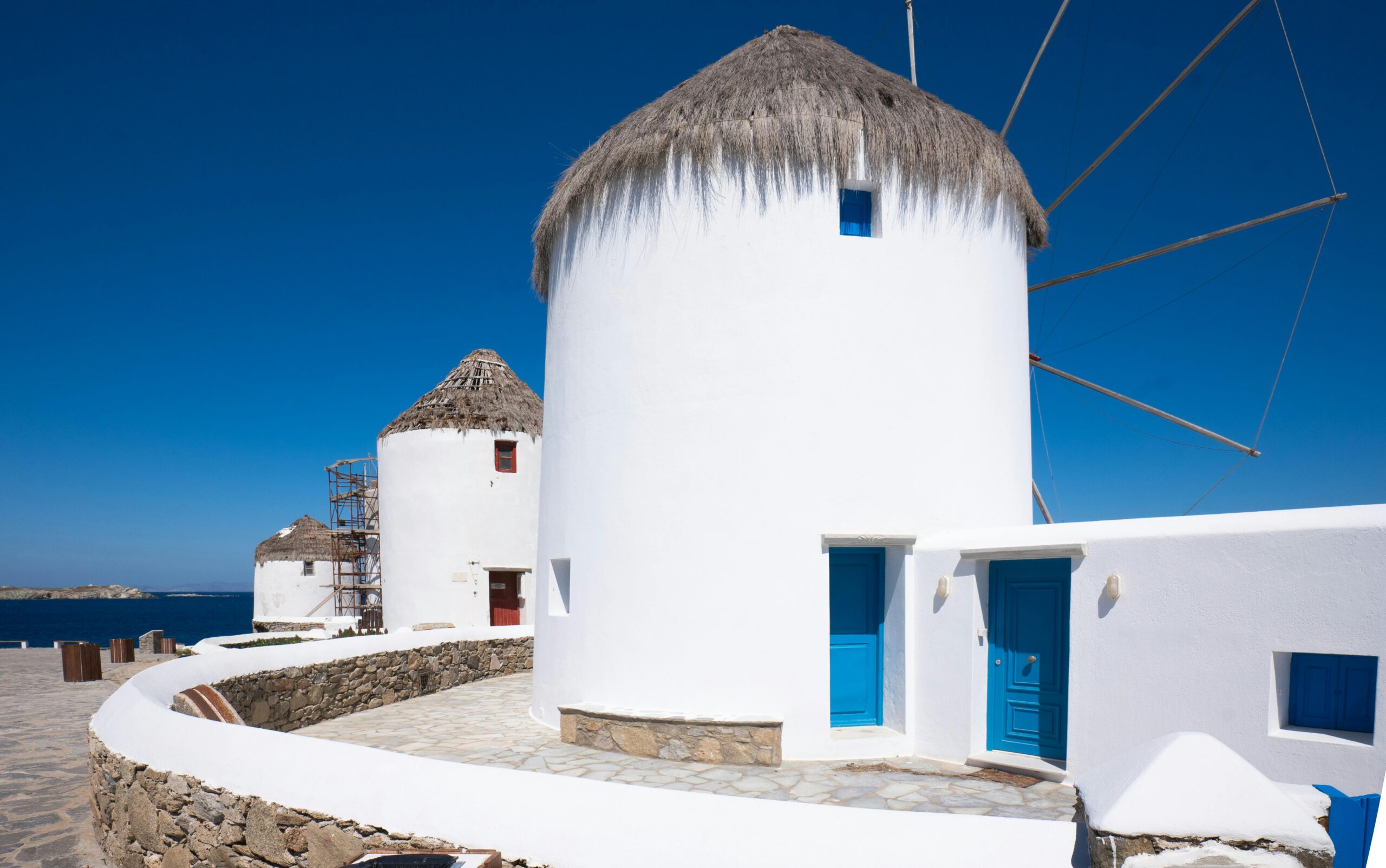
Why Visiting Mykonos in August Is a Completely Different—and Riskier—Experience is a reality many travelers overlook until they’re caught in the crush of peak season. August turns the island into a vastly different place from the quieter spring or autumn months, with consequences that go beyond just crowds and heat.
Timing is critical in Mykonos, and understanding what changes between months can save you from frustration and disappointment. This article breaks down those realities and clarifies who benefits from visiting when.
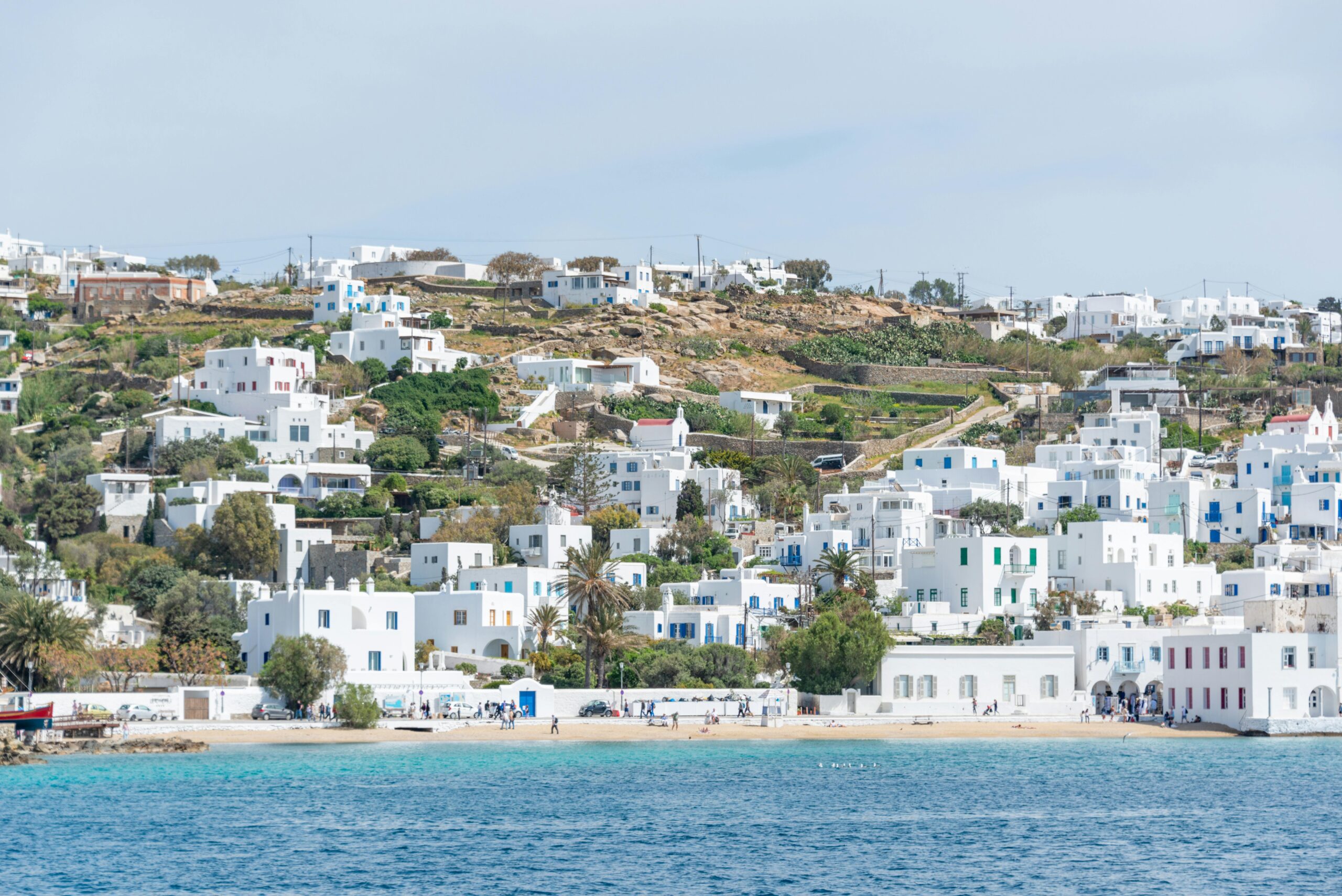
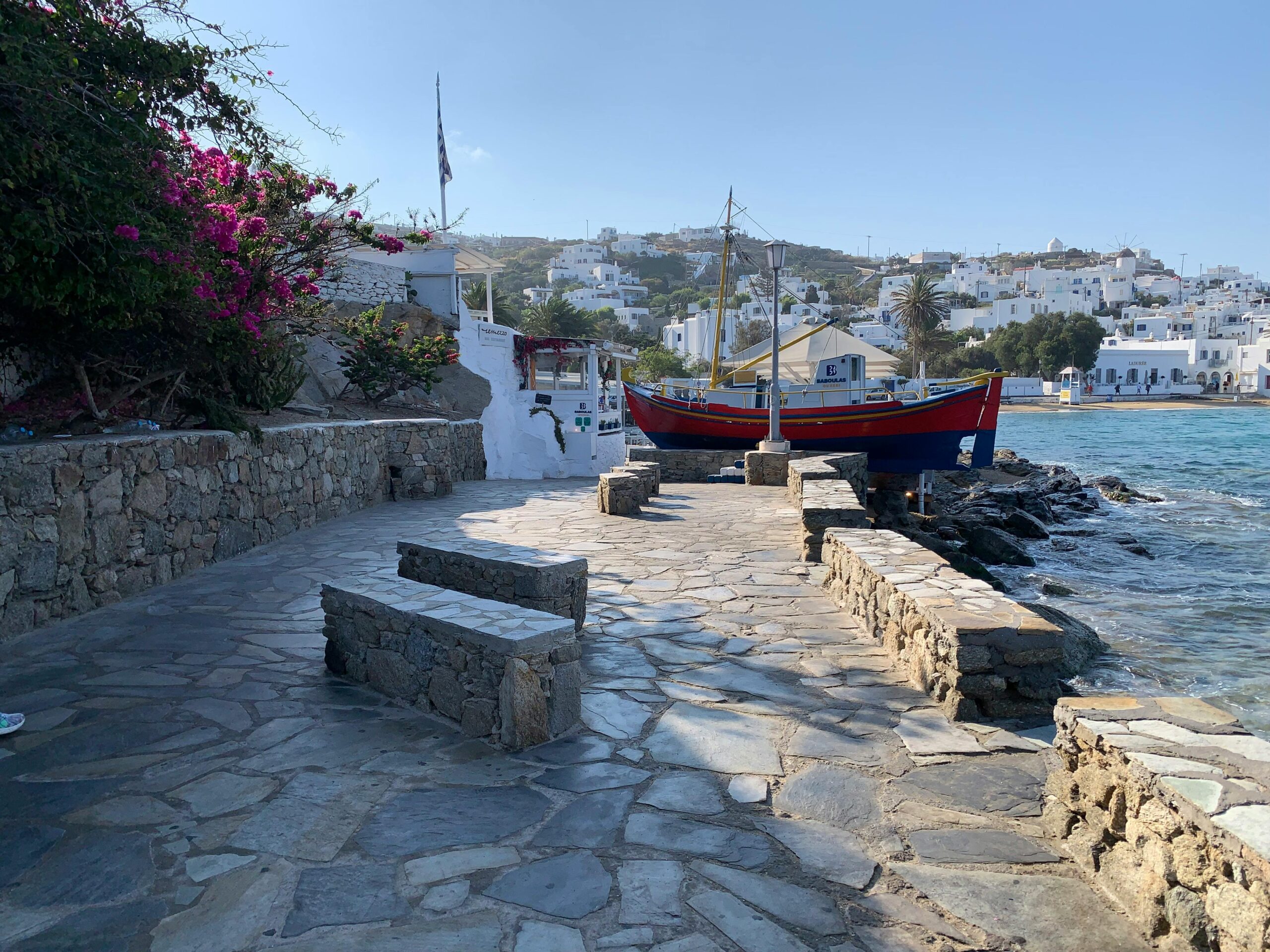
Why Visiting Mykonos in August Is a Completely Different—and Riskier—Experience
April to June: The Season of Nuanced Charm and Operational Stability
Spring to early summer in Mykonos offers a more balanced experience. The island is active but manageable, with most businesses and cultural sites open. Temperatures are pleasant, allowing for daytime exploration without the oppressive heat of July and August. This period feels less transactional — locals are more accessible, and the island’s character shows without being overshadowed by party crowds. Travelers who want a comprehensive view of Mykonos beyond nightlife find this window ideal.
July: The Build-Up to Chaos
July sees a significant influx of visitors, pushing local infrastructure toward its limits. Restaurants and clubs begin to operate at full capacity, often requiring reservations weeks in advance. Ferry lines lengthen, and accommodations become more expensive and scarce. Although the atmosphere is lively, it’s a prelude to August’s peak intensity. This month suits travelers who want a party vibe but prefer to avoid the most extreme overcrowding.
Why Visiting Mykonos in August Is a Completely Different—and Riskier—Experience: The Peak Season Reality
August transforms Mykonos into a party-centric, congested hotspot, far removed from its subtler qualities in shoulder seasons. Crowds overwhelm popular beaches and clubs, often leading to long waits and inflated prices. Ferry travel becomes a logistical challenge, with overbooked boats and delays common. Many first-time visitors underestimate the level of advance planning needed, particularly honeymooners or couples arriving during peak weeks without months of reservations. Additionally, the island’s natural rhythms shift — quieter villages shut down or lose their local feel under the weight of tourist demand.
September to October: The Unexpected Sweet Spot
Contrary to popular belief, early autumn offers arguably the best overall experience. The weather remains warm enough for swimming and outdoor activities, but crowds thin dramatically. Businesses remain open, including many restaurants and cultural sites that close abruptly after October. The island’s energy feels more authentic, with a mix of locals and experienced visitors rather than mass tourism. This period often escapes the attention of typical guides, yet it delivers operational convenience without sacrificing atmosphere.
November to March: The Island’s Off-Season Reality
Winter months strip Mykonos back to its bare bones. Most hotels and restaurants close, cultural sites may have limited hours, and ferry schedules are reduced. The island feels deserted, which can appeal to those seeking solitude or a base for exploring the Cyclades in a different light. However, this timing is unsuitable for those expecting a full-service tourist experience or nightlife. Monasteries and certain museums may also be closed or hard to reach.
A Counterintuitive Insight: Avoiding August Doesn’t Guarantee Solitude
Many articles advise avoiding August to escape crowds, but a surprising truth is that late June and early July can be just as crowded in key spots, with fewer services running smoothly due to staff turnover and transitional schedules. Also, some travelers underestimate how drastically prices and availability spike in early August, not just mid-month. The real difference lies in the island’s mood and logistical pressures, not just headcount. Understanding these nuances helps travelers avoid timing mistakes that cheap advice misses.
Who Benefits Most from Each Timing Window?
- April to June: Those seeking cultural depth, local interaction, and manageable travel logistics.
- July: Partygoers who want a lively scene but with slightly less chaos than August.
- August: Experienced travelers with extensive bookings, focused on nightlife and high-energy beach clubs.
- September to October: Visitors wanting warm weather, open services, and a calmer island atmosphere.
- November to March: Travelers looking for solitude, off-season rates, and a stripped-down experience.
Conclusion
There’s no universally right time to visit Greece. There’s only the right time for the trip you’re actually planning. Getting that alignment right changes everything about how the country feels.
For reliable cultural information and seasonal updates, consult official resources like the
Greek Ministry of Culture or the broader tourism site Visit Greece. These provide up-to-date details on openings, events, and travel advisories that directly impact planning.
Frequently asked questions
Is it impossible to enjoy Mykonos in August due to crowds?
Not impossible, but challenging. August demands rigorous advance planning and patience with crowds and logistics. Without that, many travelers find the experience stressful rather than enjoyable.
Are prices significantly higher in August compared to other months?
Yes. August is the peak season for pricing on accommodations, dining, and transport. Travelers who book late or without flexibility often pay a premium.
Do local businesses remain open year-round in Mykonos?
No. Many businesses reduce hours or close entirely outside the April to October window, with November to March being particularly sparse.
Can I still visit cultural sites and monasteries in August?
Yes, most cultural sites remain open in August but expect large crowds. Some smaller or more remote monasteries may have restricted access during peak tourist season.
Is September a good alternative to August for beach activities?
Absolutely. September offers warm sea temperatures with far fewer crowds and better availability of services compared to August.
What is the biggest logistical challenge of visiting Mykonos in August?
Ferry overcrowding and accommodation scarcity are the top issues. Travelers often underestimate how early they must book to secure reasonable options.
Does the island feel different emotionally between seasons?
Yes. August feels frenetic and commercial, whereas shoulder seasons provide a more relaxed and authentic atmosphere with better chances for meaningful local interaction.