

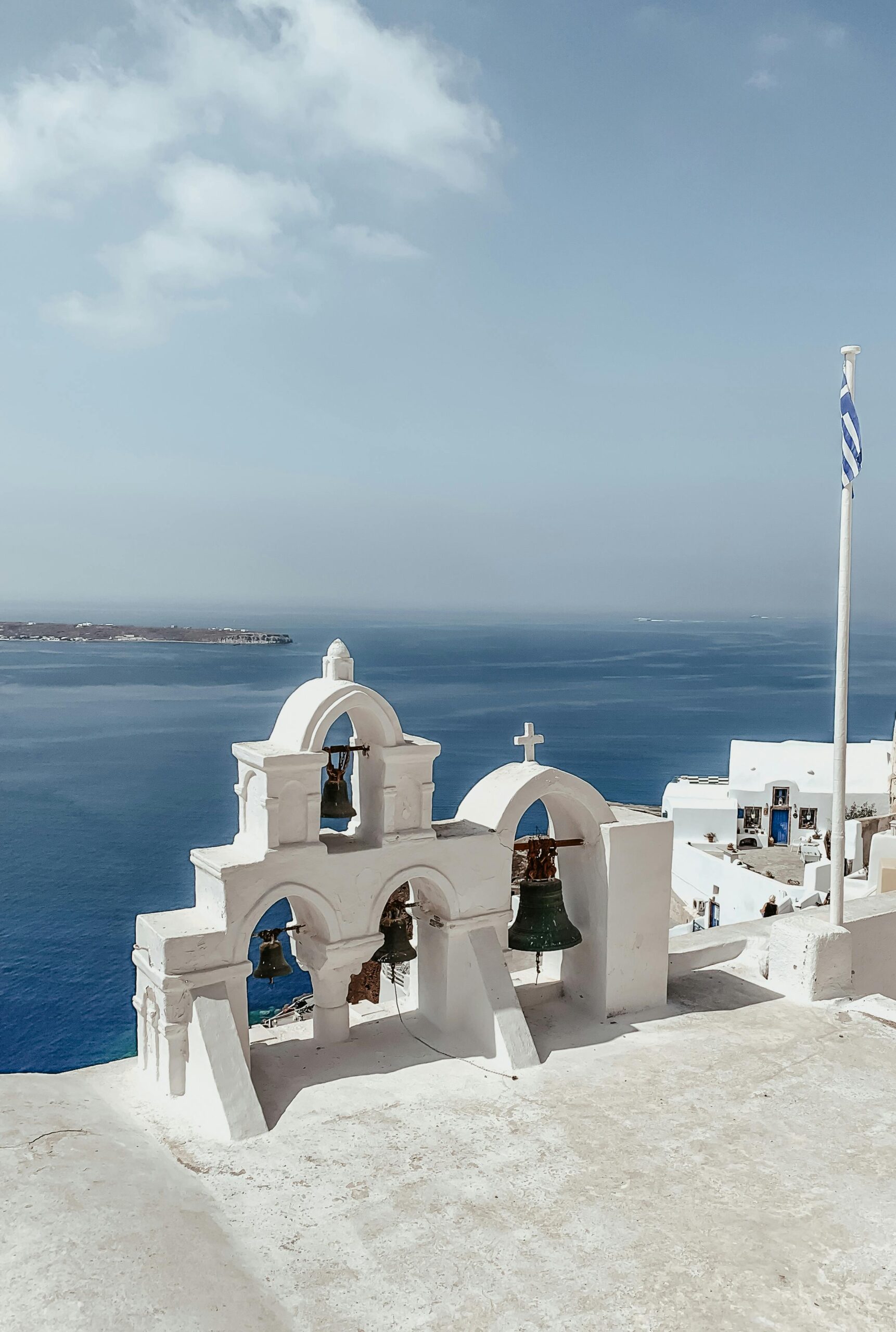
Why Visiting Santorini in Peak Summer Often Feels Like a Missed Opportunity is a reality many travelers discover too late. The island’s reputation as a summer hotspot draws massive crowds and soaring temperatures that often dilute what makes Santorini distinct. Understanding the seasonal nuances beyond the obvious can transform your visit.
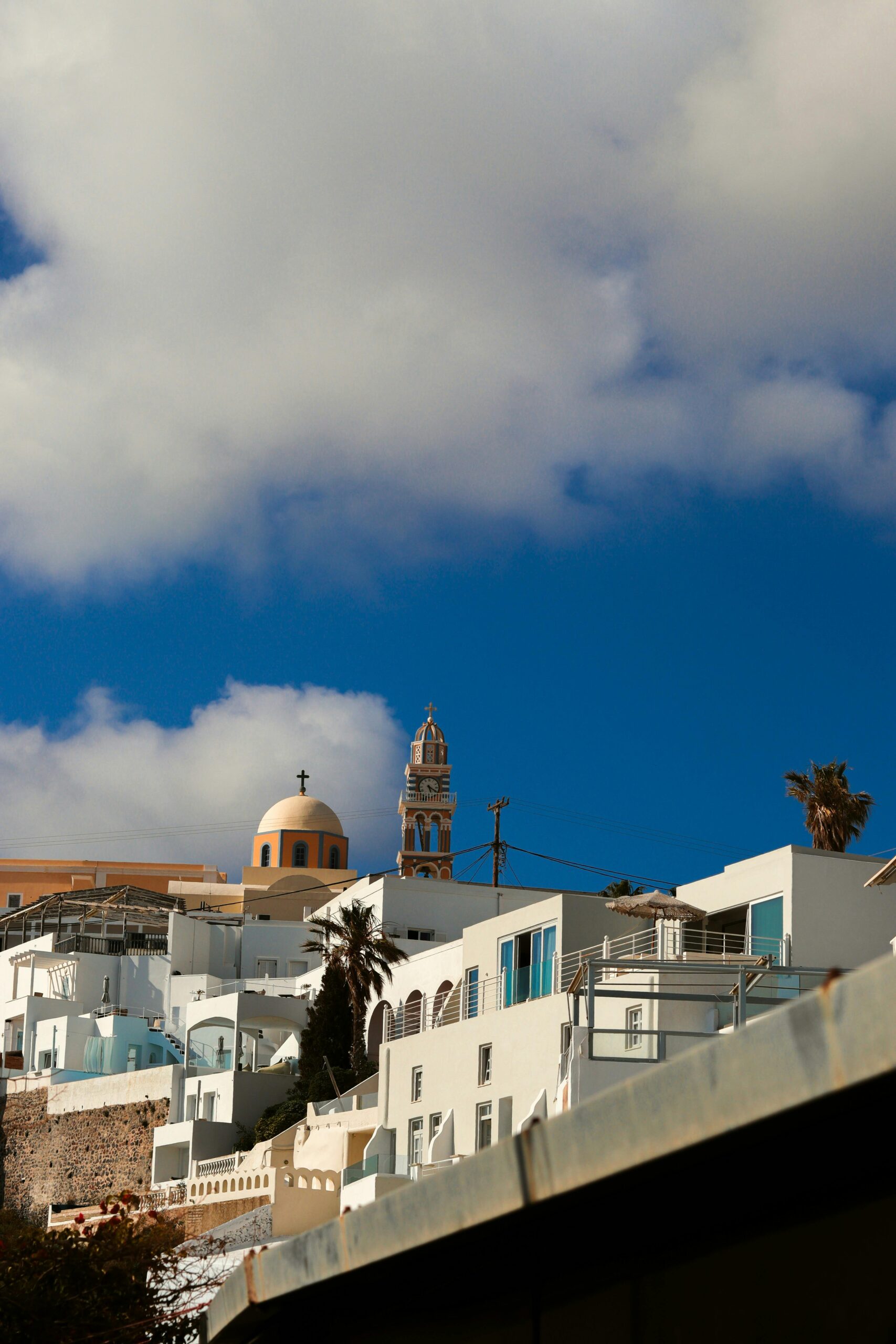
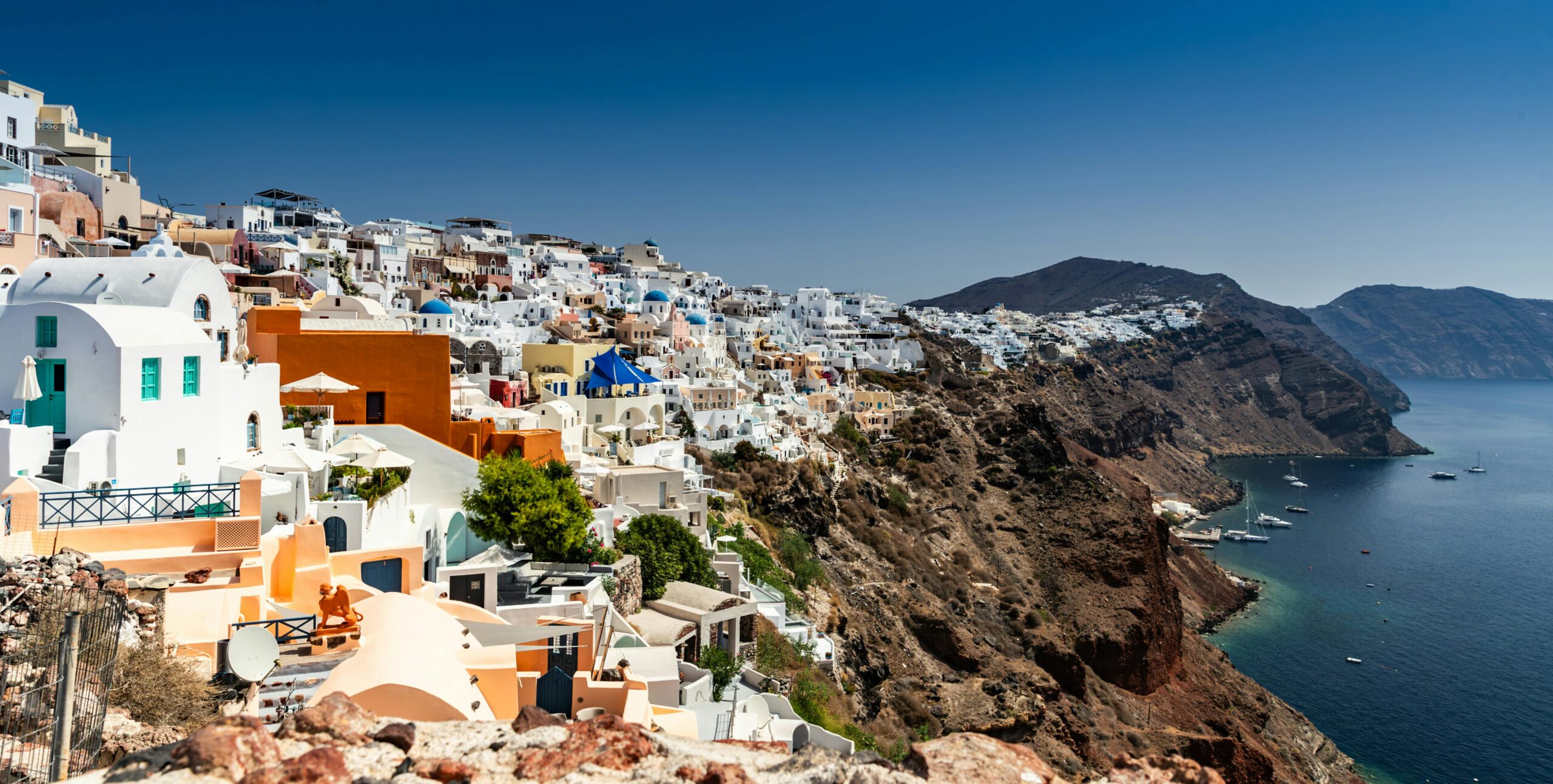
Why Visiting Santorini in Peak Summer Often Feels Like a Missed Opportunity
Early Spring (March to May): The Quiet Awakening
Spring in Santorini is a time of gradual reawakening. The island is still waking from winter’s slow pace, but the weather is warming steadily. Tourist infrastructure—restaurants, hotels, and attractions—starts reopening after winter closures, though some remain limited. The light is softer, and the landscape is greener, offering a different aesthetic than the dry summer months. This period suits travelers who want to avoid crowds and don’t mind cooler evenings or fewer nightlife options.
Why Visiting Santorini in Peak Summer Often Feels Like a Missed Opportunity: The August Reality
August is peak season and the busiest month by far. The island is packed with tourists, ferries are overcrowded, and prices spike sharply. The heat is relentless, often exceeding 35°C (95°F), making midday outdoor activities exhausting. Many restaurants and bars cater to volume rather than quality, and service can feel rushed. The iconic caldera views are often obscured by crowds, and popular spots require reservations months in advance—something many honeymooners and first-timers overlook. This is the time when Santorini feels more like a theme park than a destination with depth.
Late Summer to Early Autumn (September to October): The Sweet Spot
This window is arguably the most rewarding. The weather remains warm, but the intense heat of July and August subsides. Crowds thin out noticeably after early September, and the island’s pace slows to a more manageable level. Many restaurants that close in winter stay open through October, offering authentic local cuisine without the peak-season rush. The sea remains warm, and sunsets regain their quiet majesty. This period benefits travelers who want a balance of good weather, accessibility, and a more genuine Santorini experience.
Winter Months (November to February): The Island’s Offbeat Side
Winter is the least popular time to visit, and for good reasons. Many hotels and restaurants close, and ferry connections are limited. The weather can be unpredictable, with rain and wind disrupting plans. However, this season reveals a side of Santorini few see: a quiet, local community with minimal tourism. Monasteries and archaeological sites remain accessible but require checking schedules as some close for maintenance. This period suits travelers focused on cultural immersion and who can accept limited amenities.
The Emotional Shift: How Santorini Feels Different Across Seasons
In peak summer, Santorini feels frenetic and transactional. The island’s beauty is overshadowed by the logistical challenges of navigating crowds and heat. In contrast, shoulder seasons offer a more contemplative experience. The light softens, the air cools, and the island’s character—its architecture, cuisine, and landscapes—can be appreciated without distraction. Many travelers miss this because they equate summer with the best weather, not realizing that the quality of experience depends on more than temperature.
A Counterintuitive Insight: The Crowds Aren’t the Real Problem
Most advice focuses on avoiding crowds, but the real issue in peak summer is how the crowds change Santorini’s service and atmosphere. Overcrowded ferries, last-minute booking chaos, and restaurants prioritizing volume degrade the experience. The island’s infrastructure strains under demand, impacting everything from transportation to dining quality. Recognizing this shifts the conversation from simply “avoid crowds” to understanding how timing affects the entire ecosystem of your visit.
Who Benefits Most From Each Timing Window?
Spring suits travelers who prioritize quiet and don’t mind limited nightlife. Peak summer attracts those who want guaranteed sunshine and a lively party scene but demands early planning and patience. Late summer to early autumn is ideal for those seeking a balance of good weather, open amenities, and fewer crowds. Winter is for cultural purists and those who want to see Santorini beyond its tourist façade.
For more insights on Greek culture and travel, consult official resources like the
Ministry of Culture or Visit Greece to plan your timing with precision.
Conclusion
There’s no universally right time to visit Greece. There’s only the right time for the trip you’re actually planning. Getting that alignment right changes everything about how the country feels.
Frequently asked questions
Is August the best time to visit Santorini for weather?
August offers guaranteed sunshine but also extreme heat and overwhelming crowds, which can detract from the overall experience.
Are restaurants and hotels open year-round in Santorini?
Many close during winter months, especially from November to February, so options are limited outside the main tourist seasons.
Can I visit archaeological sites and monasteries in the off-season?
Some sites close for maintenance or have reduced hours in low season, so it’s essential to check ahead before planning visits.
Why is late summer considered the best balance for visiting Santorini?
Late summer offers warm weather, fewer crowds, and most tourist services still operating, providing a more authentic experience.
How far in advance should I book if visiting Santorini in peak summer?
At least six months ahead is advisable to secure accommodations and restaurant reservations, especially for honeymooners or special occasions.
Does visiting in spring mean missing out on nightlife?
Spring has limited nightlife as many venues open later in the season, but it offers a quieter, more relaxed atmosphere.
Are ferry connections reliable in winter?
Winter ferry schedules are reduced and can be disrupted by weather, making travel less predictable.