

Why Visiting Thessaloniki After Athens Can Ruin Your Greece Experience is a reality many travelers overlook. The sequence in which you explore these two iconic cities dramatically influences the emotional and cultural rhythm of your journey. Getting it wrong often leads to frustration, missed nuances, and a skewed impression of northern Greece’s distinct character.

Why Visiting Thessaloniki After Athens Can Ruin Your Greece Experience
The Emotional Shift Between Athens and Thessaloniki
Athens and Thessaloniki are not just different cities; they are emotional states. Athens, with its monumental history and sprawling urban pulse, demands a certain mental preparedness — it’s a city that challenges you with its layers of ancient and modern tension. Many travelers underestimate how draining this intensity can be after a few days, making Thessaloniki’s more relaxed, socially vibrant atmosphere feel anticlimactic if visited second. Instead of feeling like a refreshing change, Thessaloniki can come off as underwhelming or even confusing.
Why Visiting Thessaloniki After Athens Can Ruin Your Greece Experience: Cultural Immersion and Energy Flow
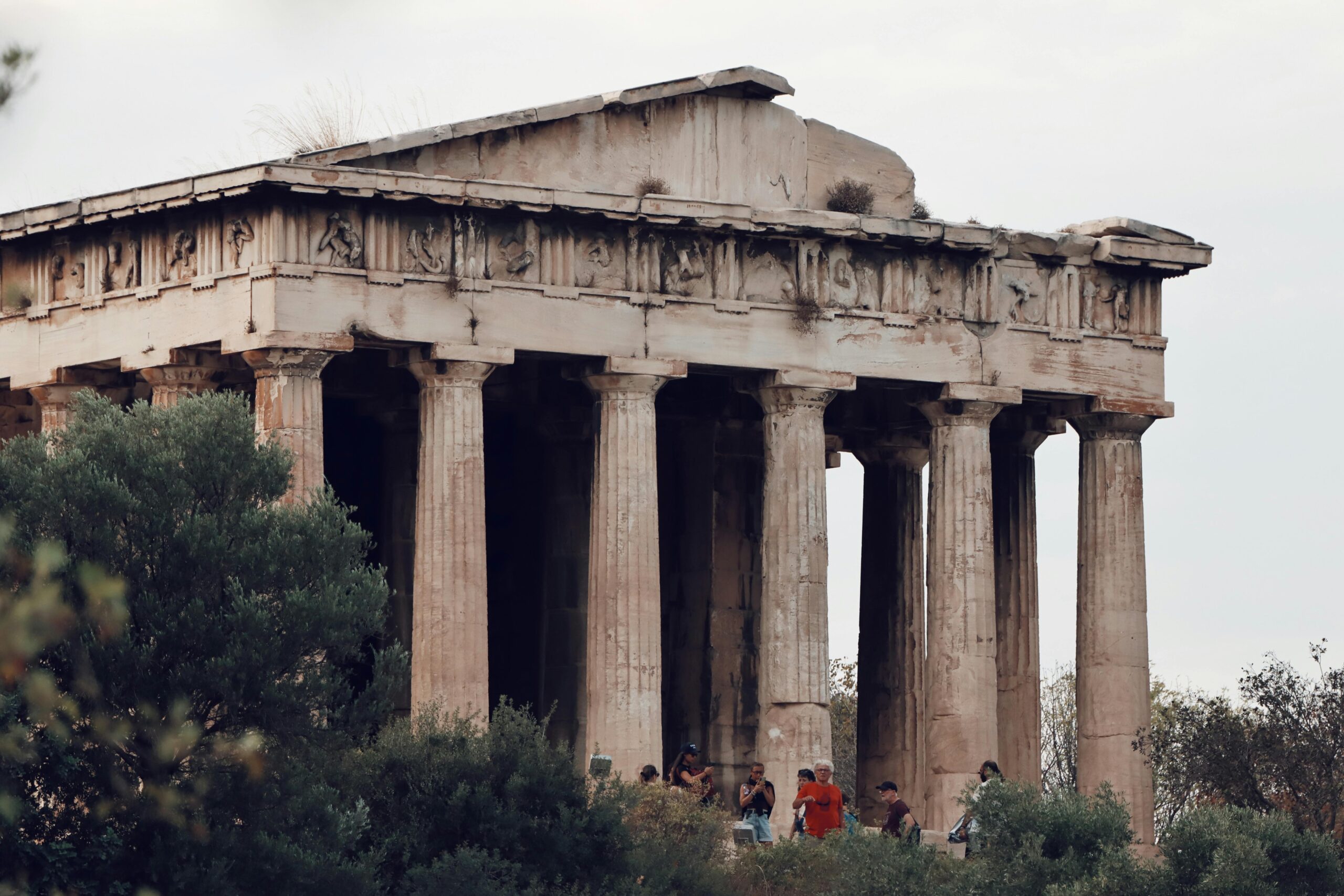
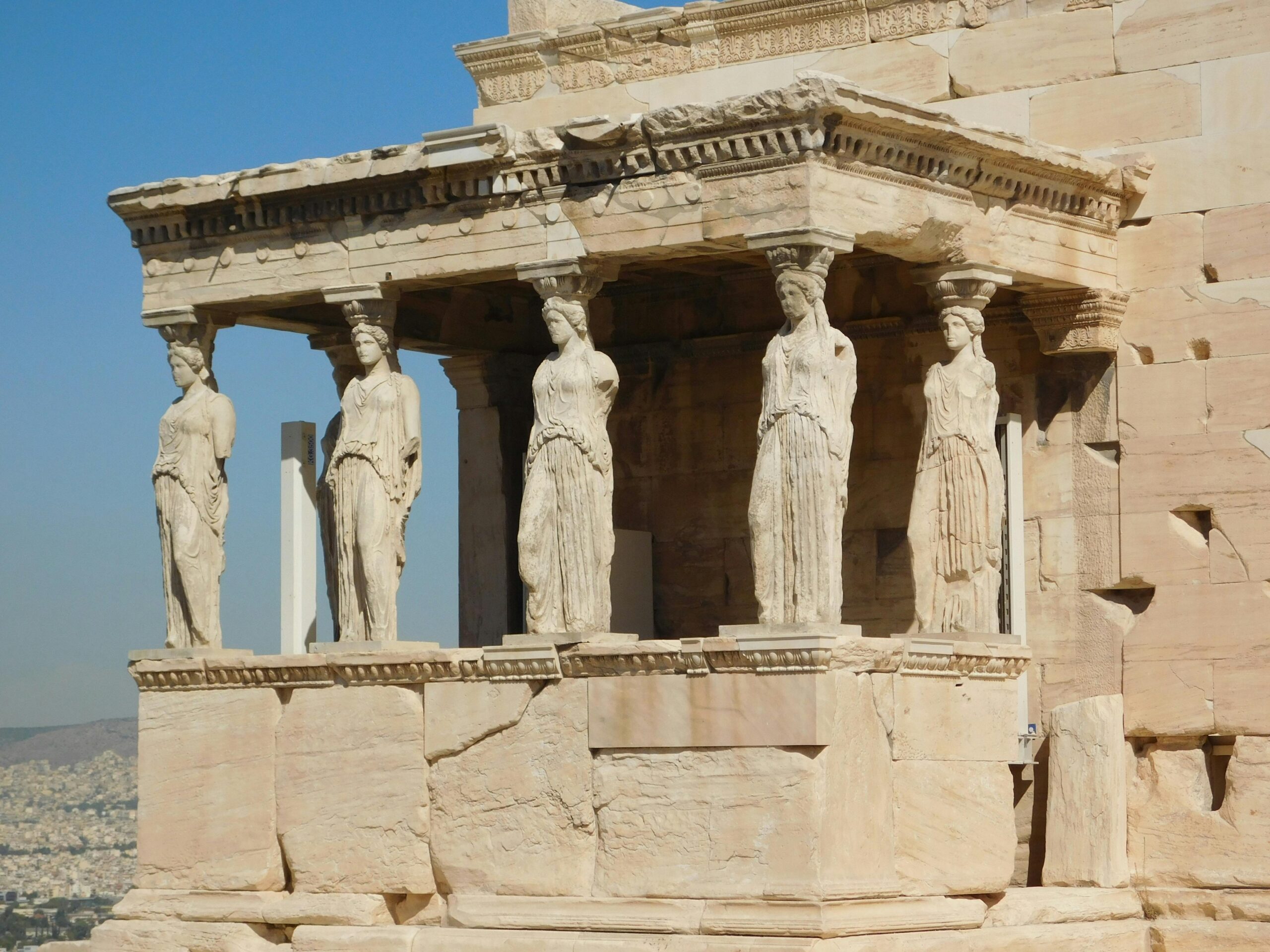
The cultural energy in Thessaloniki is fundamentally different. It’s a city that thrives on its youthful vibe, Ottoman and Byzantine heritage, and a nightlife that pulses until dawn. After Athens, where the pace is often frenetic and the focus is on monumental antiquity — sites like the Acropolis and the Acropolis Museum (official museum site) — Thessaloniki’s layered historical narrative and local warmth can feel like a confusing step down rather than an enriching complement. The flow of cultural immersion is disrupted, which is why the order matters more than most admit.
Common Mistakes Travelers Make With City Order
Two mistakes repeat themselves with stubborn regularity. First, assuming that because Athens is Greece’s capital and most famous city, it should be the first stop. Second, underestimating Thessaloniki’s distinct identity and treating it as merely a northern extension of Athens. Thessaloniki deserves time to be appreciated on its own terms, particularly neighborhoods like Ano Poli (Upper Town) and Ladadika, which tell stories Athens simply doesn’t. When visited second, these nuances often get lost in the shadow of Athens’ overwhelming historical weight.
Trade-offs: What You Gain and What You Lose by Reversing the Sequence
Starting your trip in Thessaloniki means embracing a local, grounded introduction to Greece’s northern soul — the waterfront promenade, the Byzantine Walls, and the vibrant Modiano Market set a tone of discovery and ease. Moving then to Athens allows you to finish with the grandeur and intensity of the ancient world, concluding with a sense of awe rather than fatigue. Reverse that, and you risk ending your trip in a city that asks for social energy you might not have left over, thus diluting your Greece experience.
Seasonal and Timing Considerations
Visiting in shoulder seasons like late spring or early autumn amplifies these effects. Thessaloniki in spring bursts with festivals and local outdoor life, while Athens in autumn carries a softer light over its ancient ruins and city life. Spending fewer than three days in either city increases pressure and reduces your ability to appreciate their distinct rhythms. The order becomes even more critical when time is tight — starting in Thessaloniki offers a gradual cultural ramp-up, while starting in Athens demands energy that can burn you out.
Who This Sequence Suits and Who It Doesn’t
Travelers who thrive on gradual cultural immersion, appreciate local lifestyles, and want to avoid sensory overload will benefit from visiting Thessaloniki first. Those focused on ancient history and monumental sightseeing, or who have limited time, might feel more comfortable reversing the order, but they should be aware of the emotional cost. If nightlife and a younger, more social city vibe are priorities, Thessaloniki is best enjoyed early in the trip rather than as an afterthought.
Why Visiting Thessaloniki After Athens Can Ruin Your Greece Experience: A Clear Position
Visiting Thessaloniki after Athens is a strategic error for most travelers. The emotional and cultural momentum built in Athens often leaves visitors depleted, making it harder to appreciate what Thessaloniki offers. This sequence risks flattening the unique personality of northern Greece into an echo of the capital’s grandeur. For a trip that respects both cities’ identities, Thessaloniki should open the journey, not close it.
Conclusion: The Value of Expert Planning in Greece
Greece rewards travelers who arrive with a plan built around how they actually travel — not a generic template. The difference between a frustrating trip and a remarkable one often comes down to sequence, timing, and knowing which trade-offs matter for your situation. Cities like Athens and Thessaloniki are living, breathing entities that demand respect for their rhythms. Expert guidance ensures your itinerary honors these nuances and transforms your visit from merely good to genuinely memorable.
For a deeper dive into Greek culture beyond the usual tourist paths, official sources such as the Ministry of Culture provide insights that can enrich your understanding and planning.
Recommended experiences
Some experiences mentioned here are curated and managed by Elite Greece Travels.
- Spend A Perfect Day In Thessaloniki Your Ultimate Guide — Itinerary (managed by Elite Greece Travels).
- Athens Milos Itinerary — Itinerary (managed by Elite Greece Travels).
- Athens Milos Santorini Itinerary 9 Days — Itinerary (managed by Elite Greece Travels).
Frequently asked questions
Why is the order of visiting Athens and Thessaloniki so important?
The order shapes your emotional engagement and cultural immersion. Starting with Thessaloniki offers a gradual introduction to Greece’s local life, while starting with Athens can overwhelm you, making it harder to appreciate Thessaloniki afterward.
Can I visit Thessaloniki after Athens if I have limited time?
You can, but be aware that this often leads to fatigue and a diminished experience of Thessaloniki’s unique vibe. It’s better to allow enough time and consider starting with Thessaloniki if possible.
What neighborhoods in Thessaloniki best showcase its character?
Ano Poli, Ladadika, and the waterfront promenade are essential areas to experience Thessaloniki’s history, social life, and local culture authentically.
How do seasonal factors affect visiting these cities in order?
Spring and autumn highlight each city’s strengths differently. Thessaloniki’s lively festivals and outdoor life in spring complement a milder, more contemplative Athens in autumn. This timing underscores the importance of sequence.
Is it better to book a guided tour to avoid these pitfalls?
While guided tours can help, the key is personalized planning that accounts for your travel style, energy levels, and interests. This tailored approach prevents common mistakes in sequencing your visits.
What is a common misconception about Thessaloniki’s relationship to Athens?
Many wrongly assume Thessaloniki is just a northern extension of Athens, overlooking its distinct cultural identity, history, and social energy, which deserve separate and focused attention.
How many days should I allocate to each city for a balanced experience?
A minimum of three days in each city is advisable to absorb their atmospheres properly—fewer days increase the risk of a rushed and less rewarding visit.