

Visiting Meteora Off-Season Is Not Just Cheaper—it’s Essential for True Appreciation. The overwhelming crowds that descend during peak months obscure what makes Meteora remarkable: its profound spiritual atmosphere and dramatic landscape. To genuinely connect with the monasteries perched on towering rock formations, timing your visit outside the busy summer months is critical.
Many travelers underestimate how much the noise and tourist traffic dilute the experience, turning what should be a quiet pilgrimage into a hectic sightseeing scramble.
Visiting Meteora Off-Season Is Not Just Cheaper—it’s Essential for True Appreciation
Why the Peak Season Masks Meteora’s True Essence
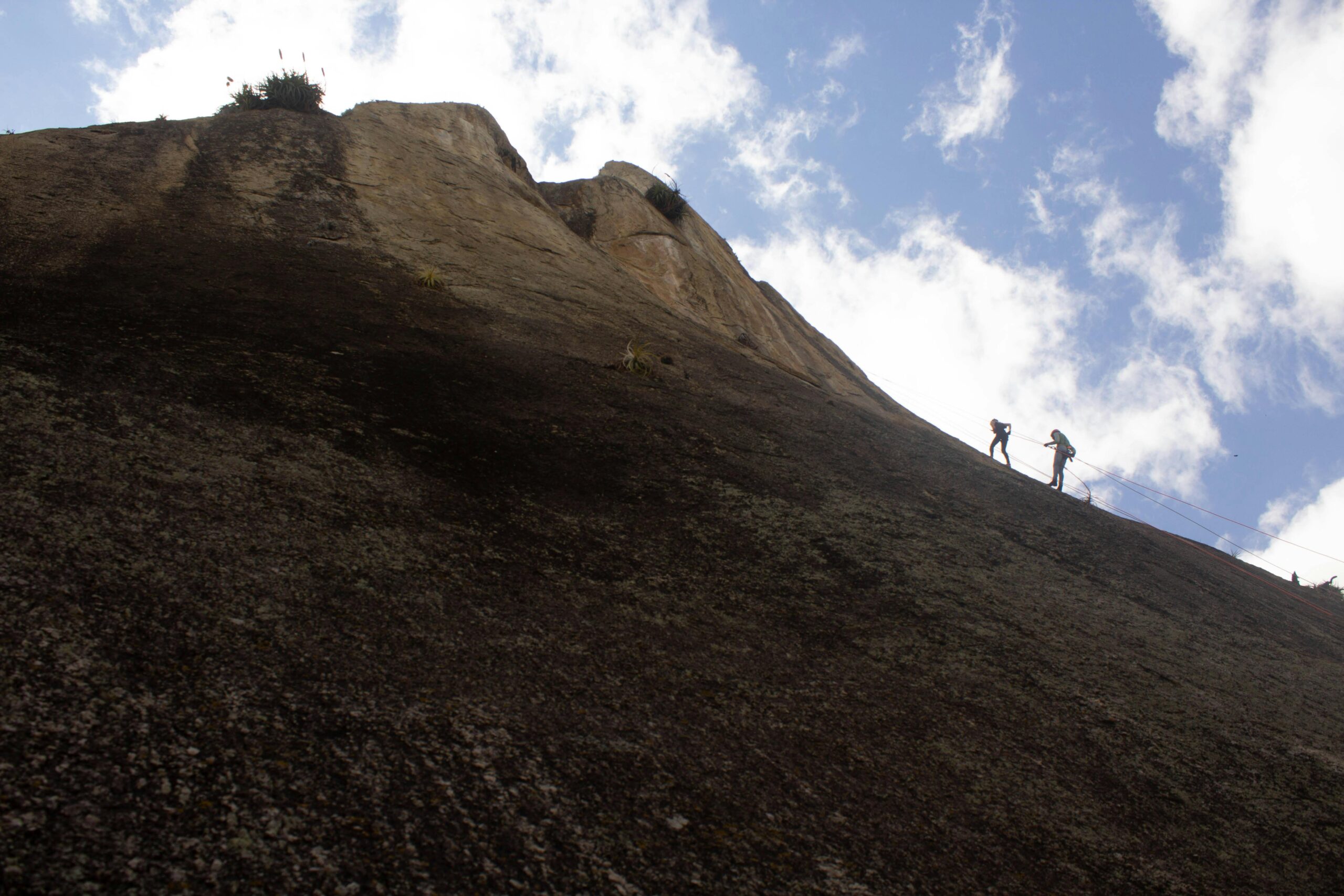
The peak summer months flood Meteora with bus tours and selfie-seekers, often at the expense of the contemplative silence the monasteries demand. The natural majesty of the rock pillars becomes background noise to throngs of visitors. This defeats the point of visiting a place so steeped in centuries of monastic tradition and rugged beauty. The emotional impact—the sense of awe and solitude—is simply not there amid the crowds.
How Visiting Meteora Off-Season Is Not Just Cheaper—it’s Essential for True Appreciation
Off-season—typically late autumn through early spring—offers a starkly different experience. The cost savings on accommodation and activities are real, but more importantly, the atmosphere returns to one of reverence and quiet. You can linger longer at the Great Meteoron and Varlaam monasteries without feeling rushed. The rock formations around Kastraki and Kalambaka regain their imposing silence, allowing for genuine reflection. This isn’t just about avoiding crowds; it’s about reclaiming the emotional core of Meteora.
Common Misconceptions That Undermine Your Visit
Travelers often believe the summer months are the only viable time to visit Meteora due to weather. While the sun is stronger then, the region’s mild off-season climate is perfectly suitable for exploration—just bring layers and waterproof gear. Another misconception is that fewer tourists means fewer services. Many monasteries remain open year-round, and local tavernas retain authentic flavors without relying on seasonal tourism gimmicks.
The Emotional Reality: What Meteora Feels Like Outside the Crowds
There’s a palpable shift in mood when the crowds thin. The wind through the rock canyons sounds less like background noise and more like an invitation to pause. The monasteries’ stone walls seem less like photo backdrops and more like living relics bearing witness to centuries of solitude and devotion. Visitors often describe a profound stillness that’s impossible to find in summer—a solitude that borders on spiritual, rare in today’s over-scheduled world.
Trade-Offs: What You Gain and What You Give Up
Choosing the off-season means accepting shorter daylight hours and the possibility of rain. Some trails can be slick, and certain guided tours operate on reduced schedules. Yet, these drawbacks pale in comparison to the gain: a sense of ownership over the landscape and an unhurried connection with places like the Roussanou Monastery or the lesser-visited St. Nicholas Anapafsas. The trade-off is clear: a few inconveniences for a richer, more authentic experience.
Four Areas to Watch: Where Off-Season Visiting Changes Everything
Kalambaka’s town center buzzes with local life rather than tourist chatter in the off-season. The village of Kastraki offers quiet access to rock trails without the summer traffic jams. The monasteries themselves—Great Meteoron, Varlaam, Roussanou, St. Stephen’s, and Holy Trinity—feel more like sanctuaries than museums. Lastly, the viewpoint at the train station, often packed in peak months, becomes a peaceful spot to watch the sun set behind the sandstone towers, a moment far from the selfie sticks.
Who This Suits—and Who Should Reconsider
Off-season Meteora is ideal for travelers who prioritize depth over breadth: spiritual seekers, photographers chasing atmosphere, and those who value solitude. It’s less suited to families with young children who might struggle with limited daylight and cooler weather, or day-trippers expecting a fast-paced sightseeing spree. If you want to tick Meteora off a list with minimal downtime, the off-season’s slower rhythm might frustrate.
Context Matters: Meteora in the Wider Greek Experience
Meteora’s off-season experience contrasts sharply with the Aegean islands’ summer frenzy. For those familiar with the Acropolis Museum in Athens, it’s a reminder that cultural landmarks demand patience and timing to be fully appreciated. The Ministry of Culture of Greece has long emphasized preserving Meteora’s integrity, a mission easier to fulfill outside tourist surges (culture.gov.gr). For a traveler seeking to understand Greece beyond postcards, Meteora off-season offers an unvarnished glimpse.
Conclusion
Greece rewards travelers who arrive with a plan built around how they actually travel—not a generic template. Visiting Meteora Off-Season Is Not Just Cheaper—it’s Essential for True Appreciation, and this truth extends beyond mere budgets to the very core of the experience. The difference between a frustrating trip and a remarkable one often comes down to sequence, timing, and knowing which trade-offs matter for your situation. Meteora’s unique blend of natural grandeur and spiritual depth benefits hugely from expert planning that respects its rhythms.
For a deeper understanding of Greece’s cultural landscape alongside Meteora, exploring resources at the official tourism portal can broaden your perspective (
Frequently asked questions
When is the best off-season period to visit Meteora?
Late autumn through early spring offers the best off-season experience, balancing manageable weather with significantly fewer tourists.
Are the monasteries open year-round during the off-season?
Most major monasteries remain open throughout the year, though some may have reduced hours or close on certain weekdays, so checking ahead is advisable.
What are the main challenges of visiting Meteora off-season?
Shorter daylight hours, cooler weather, and occasional rain are the primary challenges, along with fewer guided tours and limited services in some areas.
Is visiting Meteora off-season suitable for families with young children?
It’s less suitable due to weather unpredictability and limited daylight, which can make navigating trails or visiting multiple sites in a day more difficult.
What unique experiences does Meteora offer off-season that are unavailable during peak months?
Visitors can enjoy profound solitude at key monasteries, peaceful hiking without crowds, and atmospheric sunsets at viewpoints like the train station area.
How does visiting Meteora off-season compare to visiting other Greek destinations?
Unlike the island hotspots that rely heavily on summer tourism, Meteora’s off-season reveals its spiritual and natural depth, offering a more contemplative experience.
Can I still find authentic local dining experiences off-season in Meteora?
Yes, local tavernas and eateries in Kalambaka and Kastraki maintain traditional flavors year-round, often with more attentive service and less tourist-focused menus.