


Tailor-Made Greece Trips: Why One-Size-Fits-All Itineraries Don’t Work is a question every serious traveler to the Peloponnese must confront. Generic travel plans often fail to capture the region’s complex geography, rich history, and shifting rhythms. Without a personalized approach, visitors risk missing the essence of what the Peloponnese truly offers.
Tailor-Made Greece Trips: Why One-Size-Fits-All Itineraries Don’t Work
The Peloponnese Demands More Than a Template
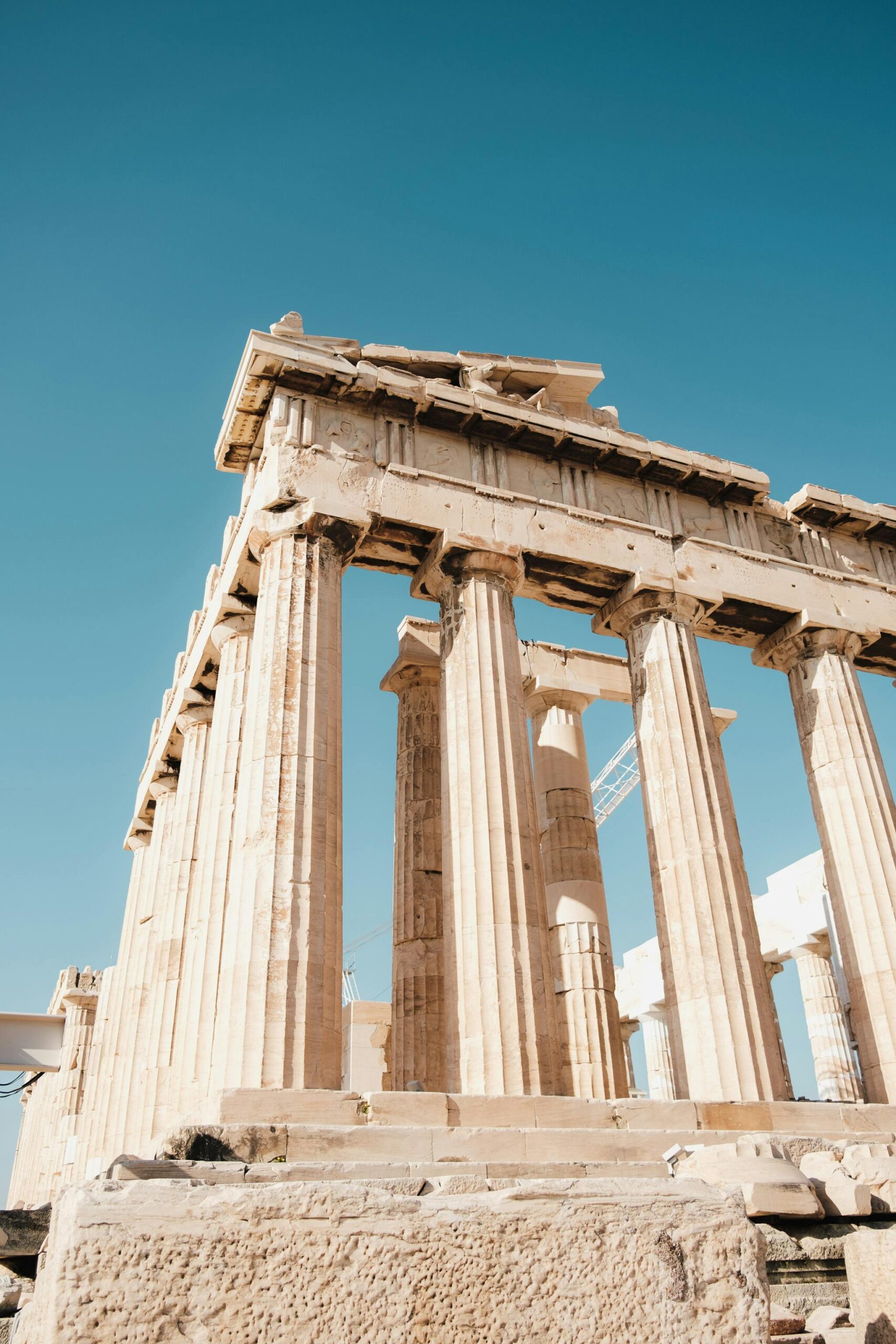
The Peloponnese is not just another Greek region; it’s a sprawling peninsula with diverse landscapes, from the rugged Mani to the lush vineyards of Nemea. Its historical layers—from Mycenae to Byzantine castles—require more than a checklist mentality. A one-size-fits-all itinerary treats the Peloponnese like a theme park, ignoring the slow, immersive experience that reveals its character.
Common Misconceptions Travelers Have About the Peloponnese
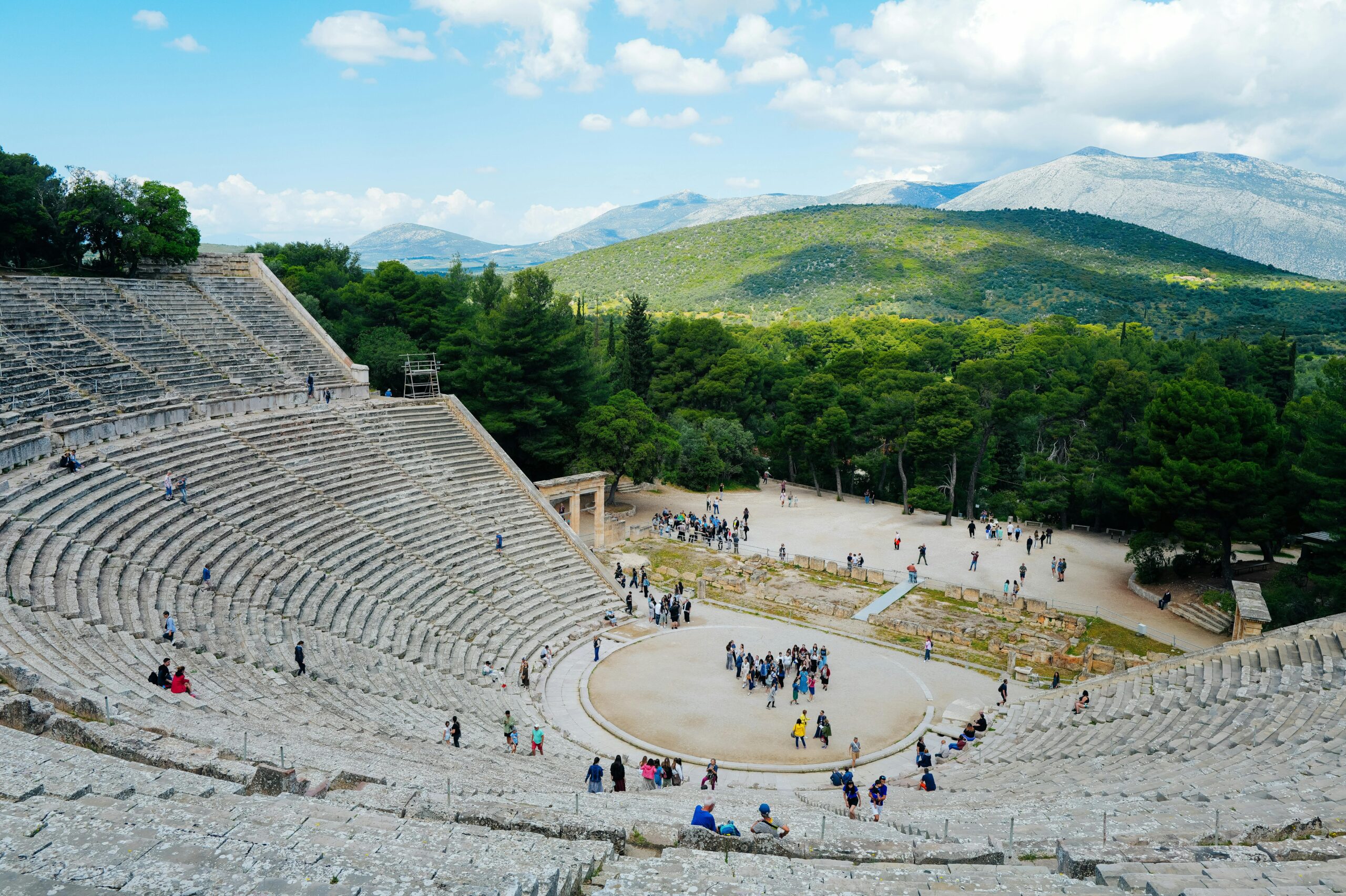
Many visitors assume the Peloponnese can be seen in a quick loop: a few hours in Nafplio, a glance at Epidaurus, and a swim in Voidokilia. This underestimates travel times and the emotional weight of places like ancient Olympia or the haunting beauty of the Diros Caves. Another frequent error is expecting uniformity; each town and village has its own pace and personality that generic plans flatten.
What You Gain and What You Sacrifice With Standard Itineraries
Standard itineraries offer convenience and a sense of control, but they sacrifice depth and authenticity. You gain a checklist of sights but lose the chance to linger in a quiet Peloponnesian village or discover a local taverna off the beaten path. The trade-off is often between surface-level sightseeing and meaningful cultural engagement.
Tailor-Made Greece Trips: Why One-Size-Fits-All Itineraries Don’t Work in Practice
Personalized planning allows for adjusting to seasonal nuances—like avoiding the intense July heat in Monemvasia or catching the olive harvest in Kalamata. It also accounts for the emotional reality of travel here: the Peloponnese can feel both timeless and raw, with moments of solitude that a rigid schedule simply cannot accommodate. This region demands flexibility and sensitivity to its rhythms.
Specific Places That Defy Mass Tourism Approaches
Consider the fortified town of Monemvasia, where the steep climb and winding alleys require time and patience to appreciate. Nafplio offers a blend of Venetian architecture and seaside charm that rewards slow exploration rather than a rushed photo stop. The archaeological site of Mycenae is more than ruins; it’s a place where history feels alive, needing quiet reflection. The Mani Peninsula’s stark landscapes and stone towers challenge travelers expecting typical Greek island scenery. Lastly, the cultural institutions scattered throughout the region provide context that no itinerary can replace.
Who This Suits—and Who It Doesn’t
Tailor-made trips in the Peloponnese suit travelers who value depth over breadth, those willing to trade convenience for authenticity. History buffs, food enthusiasts, and slow travelers will find this approach rewarding. It’s not for those seeking a rapid-fire checklist or a purely beach-focused holiday. If you want to understand the Peloponnese’s layers rather than skim its surface, personalized planning is indispensable.
Seasonal and Timing Considerations
Spring and autumn are the best seasons to visit, offering mild weather and fewer crowds. Summer’s heat and tourist influx can dull the experience, especially in inland archaeological sites. A minimum of 7 to 10 days is necessary to appreciate the region’s diversity without feeling rushed. Tailor-made planning ensures your timing aligns with what you want to experience, whether it’s a festival in Kalamata or the quiet of winter in the mountains.
Conclusion: Why Expert Planning Makes the Difference
The Peloponnese resists cookie-cutter travel. Tailor-Made Greece Trips: Why One-Size-Fits-All Itineraries Don’t Work is not just a marketing slogan—it’s a reality grounded in the region’s complexity. Greece rewards travelers who arrive with a plan built around how they actually travel—not a generic template. The difference between a frustrating trip and a remarkable one often comes down to sequence, timing, and knowing which trade-offs matter for your situation. Expert planning transforms the Peloponnese from a list of destinations into a meaningful journey.
For those ready to move beyond surface-level tourism, resources like the Acropolis Museum offer insight into Greece’s broader cultural context, enriching any Peloponnese visit.
Frequently asked questions
Why can’t I just follow a popular Peloponnese itinerary?
Popular itineraries often overlook the region’s vastness and diversity, leading to rushed visits and missed experiences. The Peloponnese requires time and flexibility to appreciate its varied landscapes and historical sites properly.
What are common mistakes travelers make when planning a trip to the Peloponnese?
Underestimating travel times between sites and expecting uniform experiences across different towns are frequent errors. Many also fail to account for seasonal weather extremes that affect accessibility and enjoyment.
Is the Peloponnese suitable for first-time visitors to Greece?
It can be, but only if approached with a personalized plan. The region’s complexity means that first-timers without tailored guidance may find it overwhelming or miss its deeper appeal.
Which months are best for visiting the Peloponnese?
Spring (April to June) and autumn (September to October) offer mild weather and fewer tourists, making these seasons ideal for exploring the Peloponnese’s cultural and natural sites.
Can I visit the Peloponnese in the summer?
You can, but be prepared for intense heat and larger crowds, especially in coastal towns and archaeological sites. Tailored planning can help mitigate these challenges by suggesting optimal times and places to visit.
What types of travelers benefit most from tailor-made trips in the Peloponnese?
Those interested in history, culture, gastronomy, and slow travel benefit most. Travelers seeking quick sightseeing or beach-only vacations may find tailor-made itineraries less necessary.
Are there cultural resources to enhance a Peloponnese trip?
Yes, institutions like the Acropolis Museum provide valuable context that deepens understanding of the region’s heritage, complementing the on-site experience.