

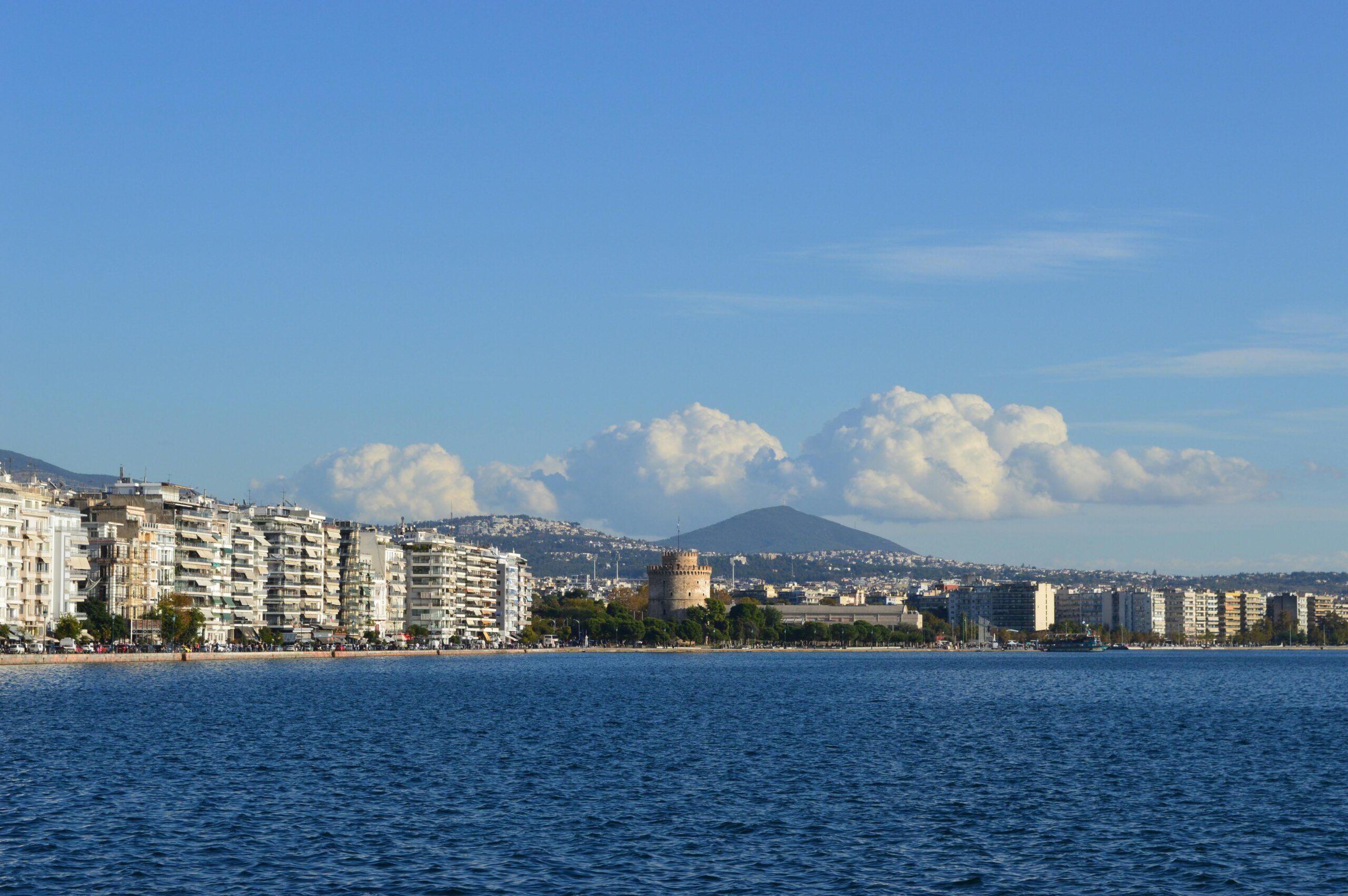
Why Peloponnese Trips Demand More Than a Casual Itinerary—Expert Planning Is Essential because this region defies rushed exploration and superficial visits. From its layered archaeological sites to sprawling landscapes, the Peloponnese demands thoughtful sequencing and time management to truly appreciate its depth. Casual planning risks missing the very soul of what this part of Greece offers.
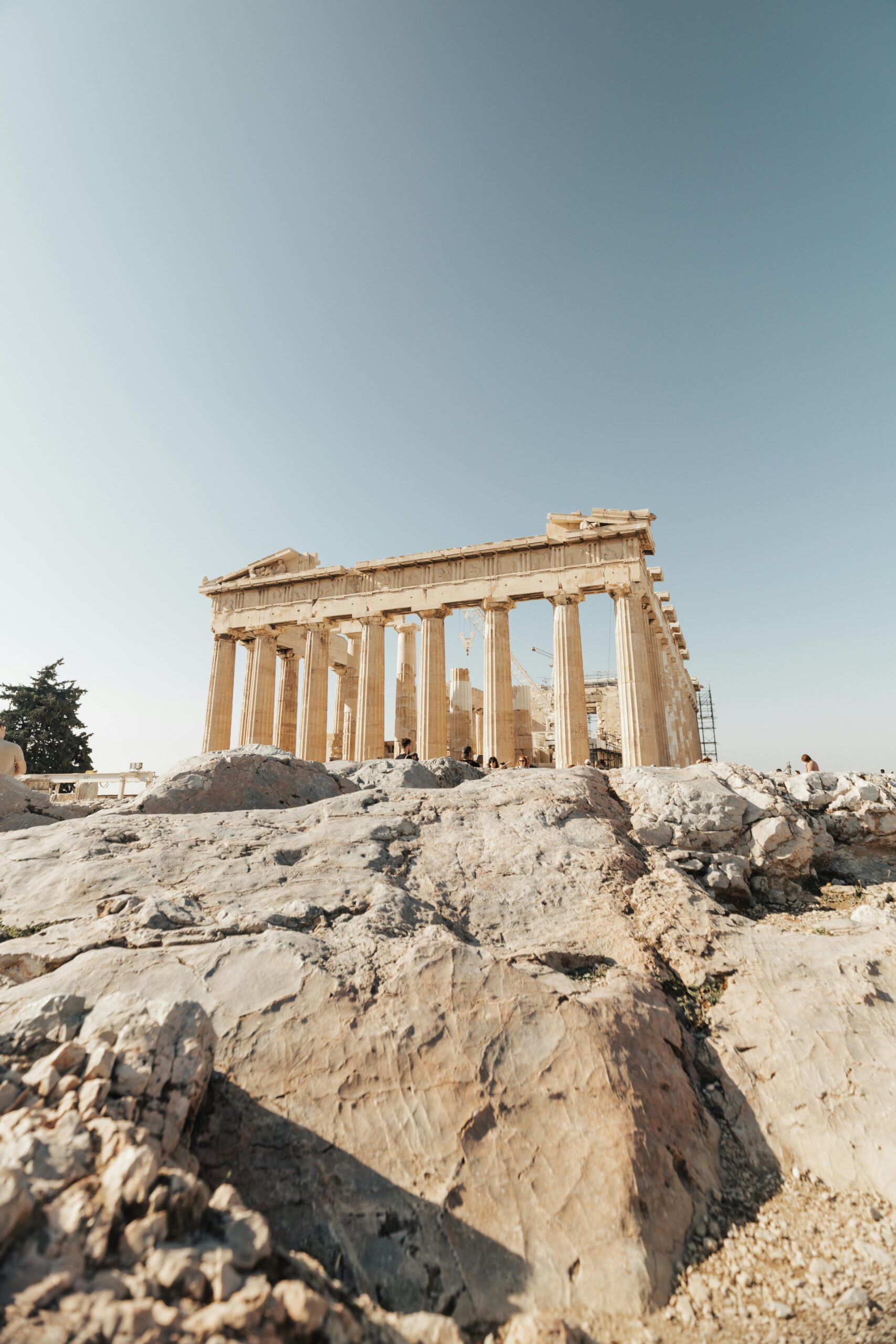
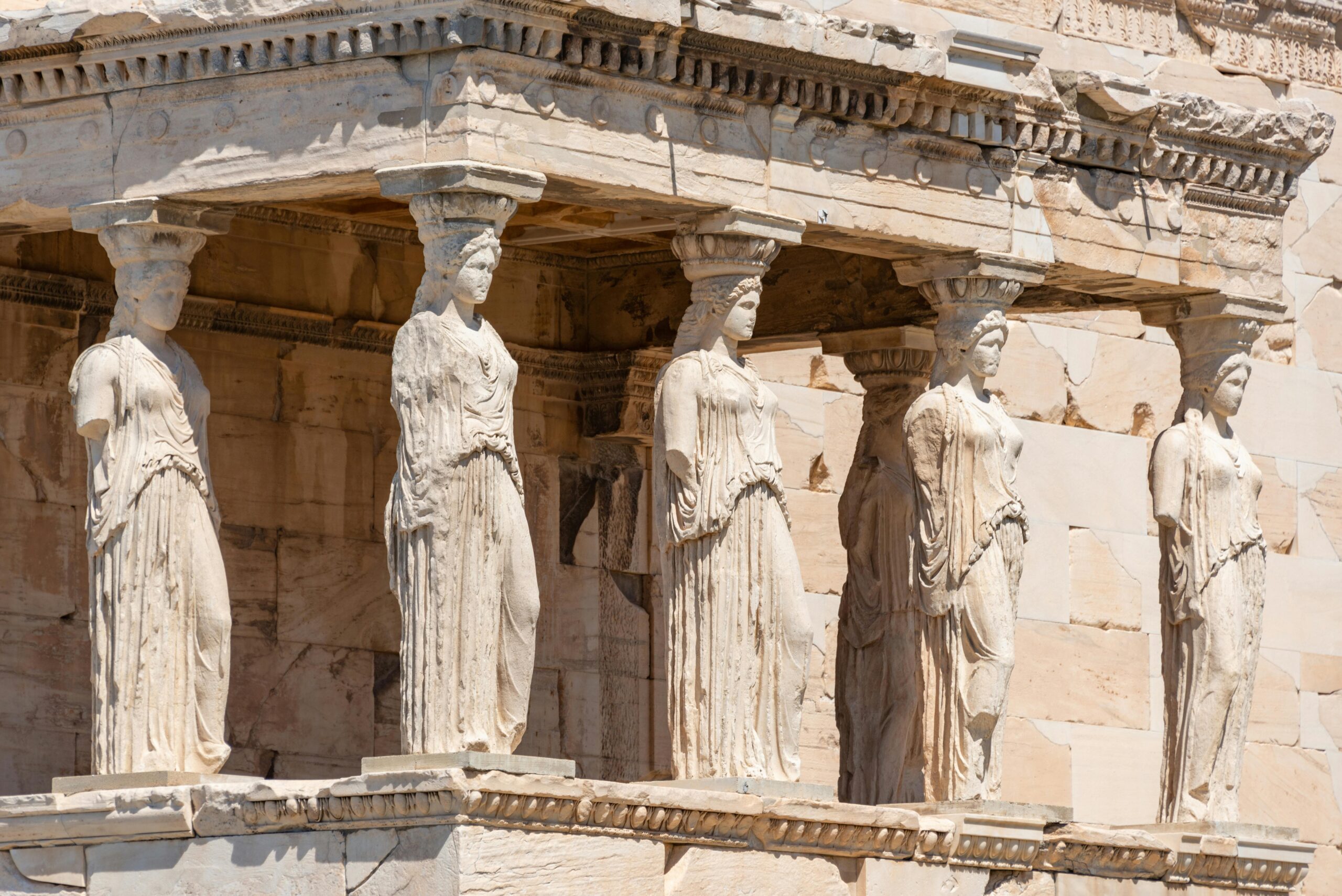
Why Peloponnese Trips Demand More Than a Casual Itinerary—Expert Planning Is Essential
Understanding the Vastness and Diversity of the Peloponnese
The Peloponnese is not a single destination but a sprawling peninsula with distinct regions like Mani, Nafplio, Mycenae, and Olympia, each requiring dedicated time. Travelers often underestimate the distances and the cultural shifts between areas, assuming a generic itinerary can cover it all. The reality is that squeezing every highlight into a short visit dilutes the experience and leaves you exhausted rather than enriched.
Why Peloponnese Trips Demand More Than a Casual Itinerary—Expert Planning Is Essential for Time Optimization
Without expert planning, travelers commonly fall into the trap of inefficient routing—jumping back and forth between sites, losing precious daylight hours. For example, pairing a visit to the ancient theater at Epidaurus with a sunset in Nafplio is tempting but logistically taxing without a clear plan. A professional perspective prioritizes which sites to visit based on your interests while considering travel time and local rhythms.
The Emotional Texture of the Peloponnese: What You Actually Feel
Visiting the Peloponnese is not only about sightseeing; it’s about immersing in a landscape that feels simultaneously rugged and intimate. Mani’s stone towers evoke a fierce independence, while the olive groves around ancient Olympia whisper of centuries past. This emotional resonance fades if you rush through places like Monemvasia or the vineyards near Nemea. Genuine connection requires lingering, which casual itineraries rarely allow.
Clear Trade-Offs: Depth vs. Breadth
Choosing to focus on fewer areas like the archaeological sites of Mycenae and Tiryns or the coastal towns like Pylos means gaining deeper insight and less travel fatigue. But it also means forgoing the full spectrum of experiences, from mountain villages to seaside retreats. Expert planning lays out these trade-offs plainly so travelers make informed decisions instead of chasing an unrealistic checklist.
Common Traveler Misconceptions and Mistakes
Many visitors assume the Peloponnese can be treated like the Cyclades, hopping island to island with minimal planning. This is a fundamental error because the peninsula’s geography and infrastructure require more deliberate pacing. Another widespread mistake is underestimating the time needed to appreciate archaeological sites fully; a quick photo stop at Olympia or Mycenae is a disservice to their historical magnitude.
Who This Suits—and Who Should Reconsider
The Peloponnese suits travelers who value history interwoven with nature and are willing to invest time in experiencing a place beyond its postcard images. It’s ideal for those who prefer slow travel, cultural depth, and off-peak seasons like late spring or early autumn to avoid crowds and heat. It’s less suitable for travelers seeking a fast-paced, checklist-driven vacation or those unwilling to accept trade-offs in favor of quality.
Additional Resources for Cultural Context
For those interested in deepening their understanding, official resources like the
Hellenic Ministry of Culture offer rich insights into archaeological regulations and site significance. Likewise, Visit Greece provides updated information on local events and seasonal highlights that can dramatically influence your visit quality.
Conclusion
The Peloponnese is a region that rewards travelers who resist the urge to rush and instead embrace a paced, thoughtfully sequenced approach. Why Peloponnese Trips Demand More Than a Casual Itinerary—Expert Planning Is Essential because without it, you risk confusion, missed opportunities, and a shallow experience. The difference between a frustrating trip and a remarkable one often comes down to sequence, timing, and knowing which trade-offs matter for your situation.
Frequently asked questions
How many days should I spend in the Peloponnese to appreciate it properly?
A minimum of 7 to 10 days is recommended to cover key regions without rushing, allowing time to absorb the historical sites and natural landscapes meaningfully.
Is the Peloponnese suitable for travelers who want a beach holiday?
While the Peloponnese has beautiful coastal areas like Pylos and the beaches near Mani, it’s not primarily a beach destination. It suits those who want a blend of culture, history, and nature with some seaside relaxation.
Can I visit the Peloponnese comfortably in the summer?
Summer can be hot and crowded, especially in July and August. Late spring or early autumn offer milder weather and fewer tourists, making the experience more enjoyable.
Are the archaeological sites in the Peloponnese accessible year-round?
Most sites are open year-round, but hours and accessibility may vary seasonally. Off-peak seasons provide a quieter atmosphere and better light for photography.
What are common mistakes travelers make when planning a Peloponnese trip?
Common mistakes include underestimating travel times between sites, trying to visit too many places in a short period, and not allowing enough time to appreciate major archaeological locations.
Is local guidance necessary when visiting archaeological sites in the Peloponnese?
While not mandatory, expert local guidance enriches the experience by providing historical context and helping navigate the sites efficiently.
Which areas in the Peloponnese should I prioritize if I have limited time?
Prioritize Nafplio for its ambiance, Mycenae and Epidaurus for archaeology, and Mani for its unique cultural landscape if you have limited days.