

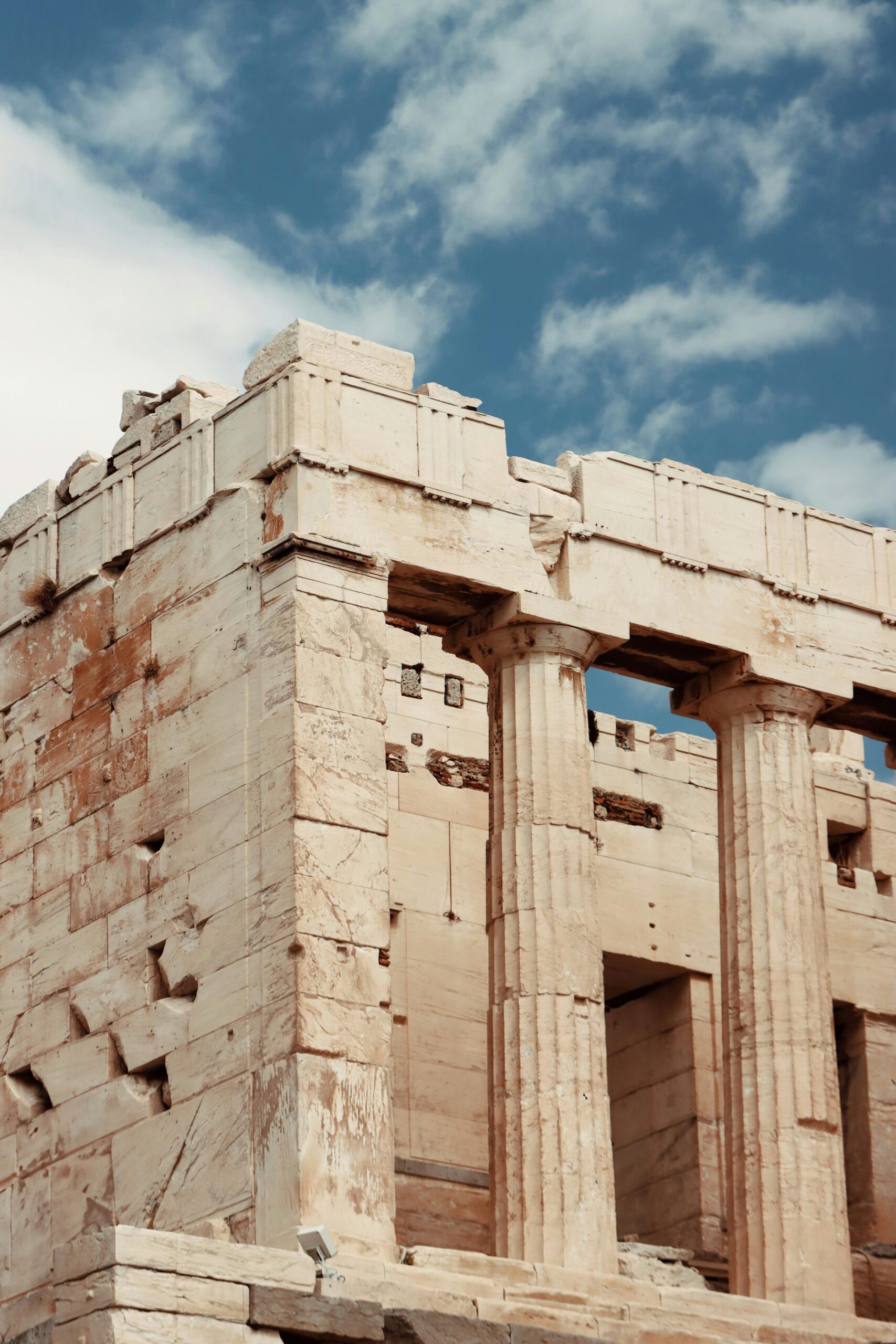
Why Planning a Peloponnese Trip Without an Expert Is a Recipe for Lost Time is a lesson many travelers learn the hard way. The region’s sprawling geography and layered history require more than casual planning to navigate well. Without a seasoned perspective, visitors often sacrifice both experience and efficiency.
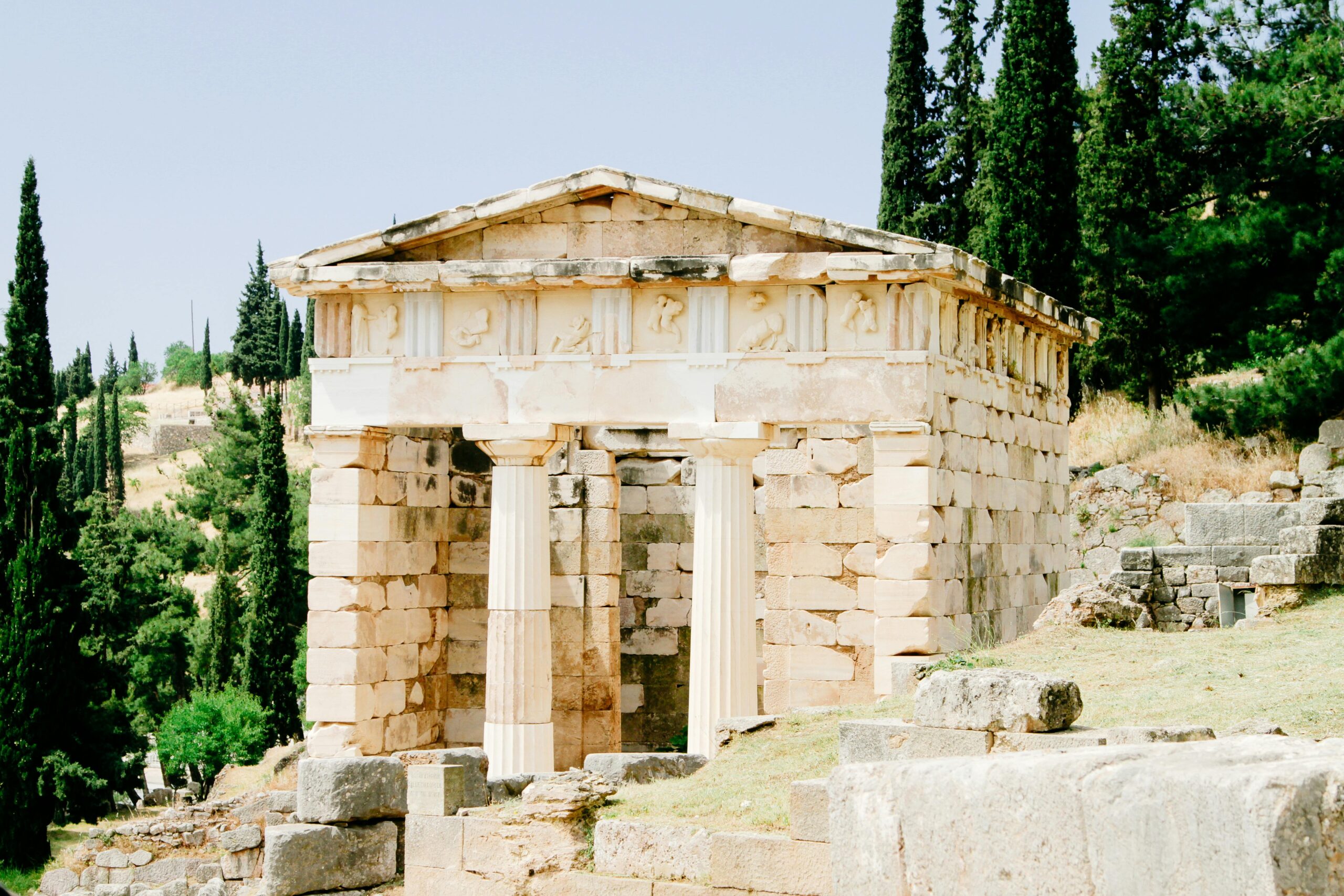
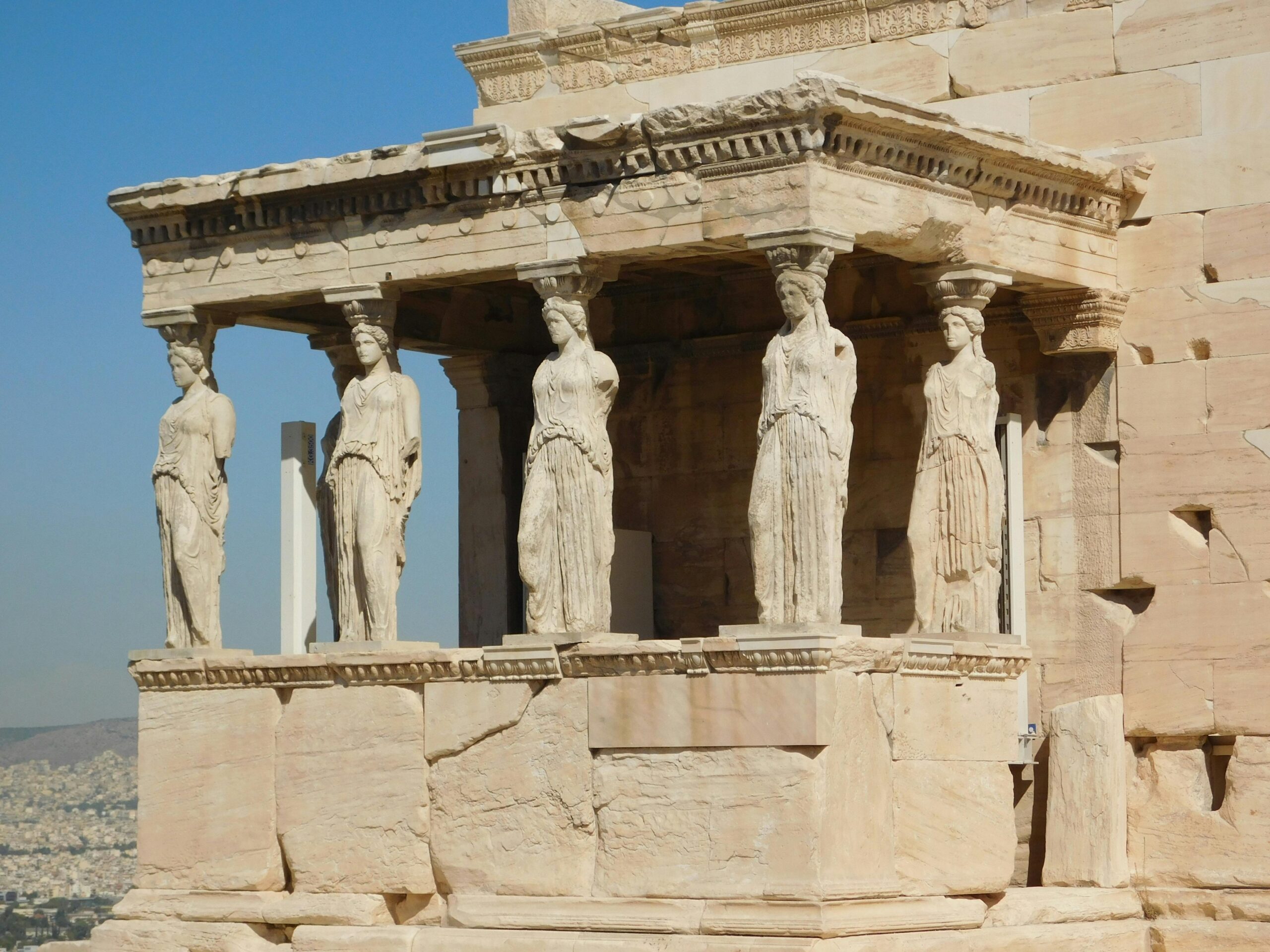
Why Planning a Peloponnese Trip Without an Expert Is a Recipe for Lost Time
The Spatial Challenge: Vastness That Defies Casual Touring
The Peloponnese is not a compact destination; it sprawls with diverse landscapes, from the vineyards of Nemea to the rugged Mani Peninsula. Travelers often underestimate how much ground there is to cover. Attempting to see everything without a clear, prioritized plan leads to exhausting drives and rushed stops that blur together.
Why Planning a Peloponnese Trip Without an Expert Is a Recipe for Lost Time
One common misconception is that the Peloponnese can be tackled like a typical island or small region. The reality is it demands strategic sequencing. For instance, visiting ancient Mycenae and the theater at Epidaurus in the same afternoon might sound efficient, but it ignores local traffic patterns and peak visiting hours. This is where expert insight transforms an itinerary from frustrating to fluid.
Emotional Reality: The Peloponnese Feels Like a Living Tapestry
Beyond logistics, the Peloponnese possesses an emotional texture often missed by hurried travelers. The quiet dignity of Nafplio’s old town, the stark austerity of the Mani villages, and the staggering sense of history in Ancient Olympia create a nuanced atmosphere. Rushing through these places trades emotional depth for superficial snapshots.
Trade-Offs: What You Gain and Lose With Each Choice
Opting for remote areas like the Taygetos Mountains means embracing tranquility and authenticity but sacrificing convenience and sometimes road quality. Sticking to coastal hubs like Kalamata offers easier access and amenities but risks missing the inland’s raw character. These are not neutral choices; each shapes the entire trip’s tone.
Undervalued Gems: Places Often Overlooked Without Guidance
Travelers frequently miss the volcanic landscape of Methana or the Byzantine heritage in Mystras. These sites require deliberate inclusion, as they don’t fit neatly into popular routes. An expert’s nuanced knowledge ensures these enriching detours don’t become wasted efforts.
Who This Suits: Matching the Peloponnese to Your Travel Style
The Peloponnese is best suited to travelers who appreciate layered experiences and have at least a week to dedicate. It frustrates those seeking quick, surface-level visits or purely beach-focused holidays. Cultural enthusiasts, history buffs, and nature lovers will find their time rewarded here, provided their itinerary respects the region’s scale.
Season and Duration: Timing Matters More Than You Think
Spring and early autumn are the only realistic windows to experience the Peloponnese fully without crowds or extreme heat. Winter brings closures and limited services. A bare minimum of seven days is necessary to absorb the region’s breadth without constant rushing.
Conclusion: Why You Should Trust Experts to Navigate the Peloponnese
The Peloponnese is a destination that punishes superficial planning. Its layered geography and complex rhythms mean that even experienced travelers can lose valuable time without local insight. Greece rewards travelers who arrive with a plan built around how they actually travel — not a generic template. The difference between a frustrating trip and a remarkable one often comes down to sequence, timing, and knowing which trade-offs matter for your situation.
For those seeking to explore the Peloponnese’s multifaceted character fully, expert planning offers a shortcut to deeper, more meaningful experiences. It is an investment that turns potential confusion and lost hours into a coherent, rewarding journey.
For more context on Greece’s cultural treasures, the
Ministry of Culture provides authoritative insights. To appreciate the broader national context, Visit Greece offers useful official resources.
Frequently asked questions
Why is the Peloponnese different from other Greek destinations?
The Peloponnese’s vast and varied geography, combined with its rich but dispersed historical sites, sets it apart. Unlike compact islands, it requires more travel time between highlights and a nuanced approach to sequencing.
Can I plan a Peloponnese trip on my own without losing time?
While possible, most independent planners underestimate distances and timing, leading to rushed visits or missed highlights. Expert planning helps avoid these common pitfalls.
What are common mistakes travelers make in the Peloponnese?
Two frequent errors are trying to cover too many places in too little time and ignoring the emotional atmosphere, which diminishes the depth of the experience.
Which season is best for visiting the Peloponnese?
Spring and early autumn offer the best balance of pleasant weather and fewer crowds. Summer can be oppressively hot, and winter sees many sites closed or with limited access.
Is the Peloponnese suitable for beach holidays?
While it has coastal areas, the Peloponnese excels in cultural, historical, and nature experiences. Pure beach-focused travelers might find it less satisfying compared to dedicated island destinations.
How many days should I spend in the Peloponnese?
A minimum of seven days is recommended to appreciate the region without constant rushing, allowing time for both iconic sites and lesser-known areas.
What types of travelers benefit most from expert planning in the Peloponnese?
Cultural enthusiasts, history buffs, and nature lovers who want a balanced, deep exploration benefit most. Those seeking quick or purely leisure visits may find expert planning less critical.