

Why You Absolutely Need an Expert to Plan a Winter Trip to Meteora is not just a catchy headline; it’s a factual necessity based on decades of observing traveler mistakes in one of Greece’s most unique landscapes. Winter in Meteora is unlike the high season—the weather, daylight hours, and local rhythms demand careful preparation that only seasoned planners can provide.
Ignoring these specifics leads to missed moments and avoidable frustrations. This article lays out what travelers consistently misunderstand and how expert insight transforms a winter Meteora visit from a gamble into a memorable journey.
Why You Absolutely Need an Expert to Plan a Winter Trip to Meteora
Common Missteps Travelers Make in Winter Meteora
One frequent mistake is underestimating the impact of shortened daylight. The monasteries close earlier in winter, and driving between sites takes longer due to winter road conditions. Another error is booking accommodation without considering the village location’s accessibility in adverse weather; Kalambaka and Kastraki differ significantly in winter convenience, a detail often overlooked by first-timers.
Key Meteora Locales to Understand for Winter Stays
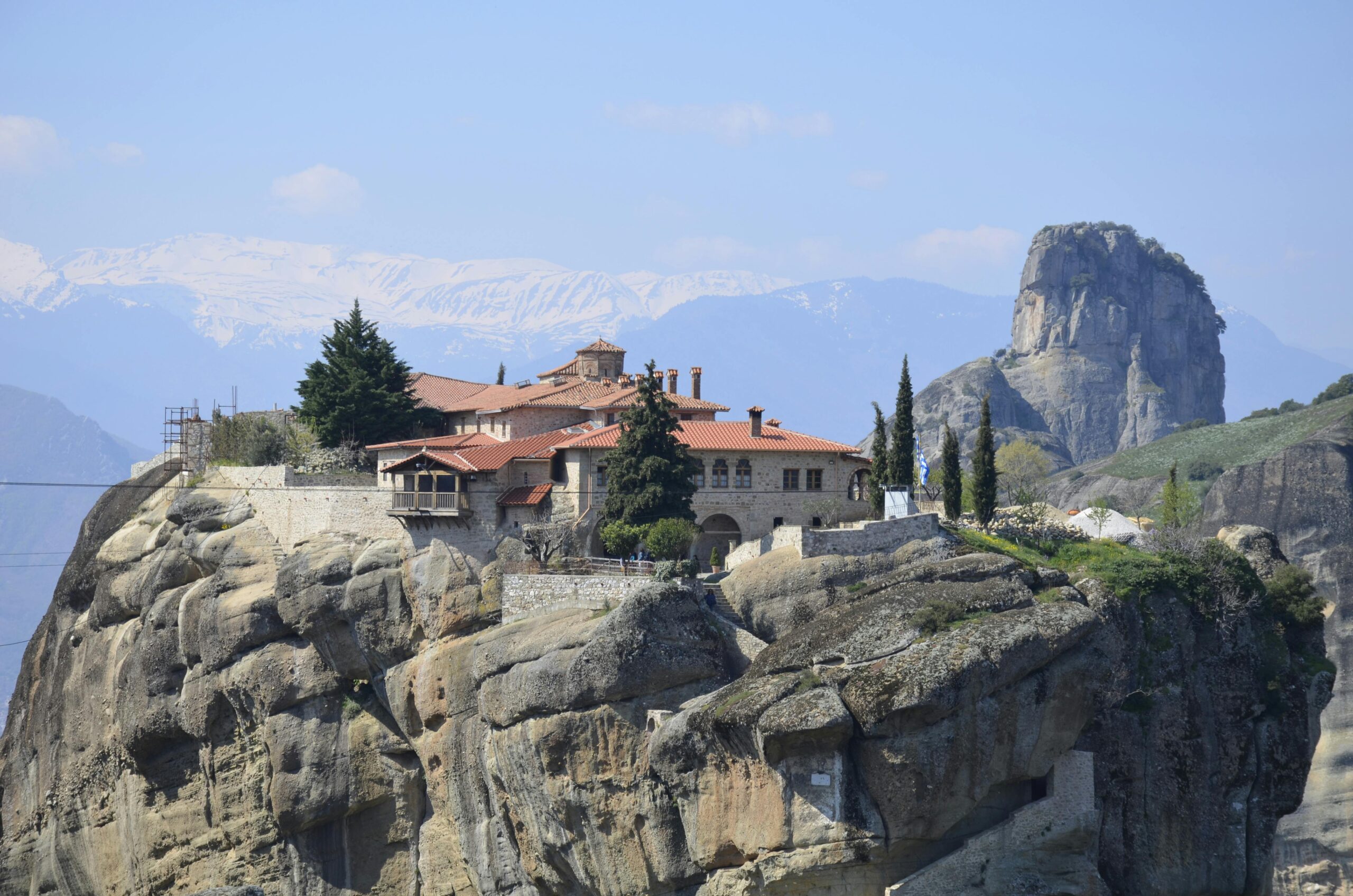
Kalambaka, the main town, offers the most options for winter lodging and dining, but some prefer the quieter Kastraki village for its proximity to the rock formations. Then there’s the area near the Varlaam Monastery, favored for early morning access. The scenic but remote Palaiochori area is less practical in winter due to snow and ice. Finally, the town of Trikala, about 20 km away, serves as a fallback if Meteora’s microclimate becomes too harsh.
Who This Suits—and Who It Doesn’t
Winter Meteora is ideal for travelers who value solitude and don’t mind early starts or limited services. Photographers and history buffs benefit from fewer crowds and atmospheric conditions. Families with young children or those expecting full tourist infrastructure will find winter less suitable. Likewise, casual travelers who prefer predictable schedules and full amenities should avoid this season.
A Counterintuitive Reality About Winter Meteora
Contrary to popular belief, winter can be the best time to visit Meteora if you want to experience the monasteries almost alone. The trade-off is that some facilities close midweek or reduce hours, and weather delays are common. This solitude comes at the price of needing a flexible, well-informed itinerary, which is precisely why you need an expert planner.
Honest Trade-offs: What You Gain and What You Lose
Visiting Meteora in winter means gaining a contemplative atmosphere, dramatic skies, and fewer tourists. You lose the extended daylight hours, some restaurant and shop options, and a more straightforward travel rhythm. Choosing the right base—Kalambaka for convenience or Kastraki for ambiance—depends on your tolerance for winter road conditions and your need for local services.
Why You Absolutely Need an Expert to Plan a Winter Trip to Meteora
An expert planner understands Meteora’s unique winter variables—weather, monastery schedules, road conditions—and sequences your visit to avoid disappointment. Without this guidance, travelers often arrive too late to enter certain monasteries, book accommodations too far from accessible roads, or misjudge local transport availability. Your experience hinges on these details, not guesswork.
Additionally, an expert can connect you with local contacts and authentic experiences that remain open and accessible despite the season’s challenges. For cultural context, visiting official resources like the
Greek Ministry of Culture or observing exhibits at the Acropolis Museum can deepen your understanding of Meteora’s religious and historical significance before you go.
Conclusion
Greece rewards travelers who arrive with a plan built around how they actually travel — not a generic template. The difference between a frustrating trip and a remarkable one often comes down to sequence, timing, and knowing which trade-offs matter for your situation.
Frequently asked questions
Is Meteora accessible in winter for travelers with limited mobility?
Winter conditions can make access challenging, especially to monasteries that require stair climbing and uneven paths. Travelers with limited mobility should consult an expert planner to find accommodations and routes that minimize difficulties.
Are the Meteora monasteries open year-round in winter?
Most monasteries remain open but with reduced hours and some midweek closures. Planning your visit around these schedules is critical to avoid arriving when the sites are closed.
What is the best village to stay in during a winter visit to Meteora?
Kalambaka offers the best winter amenities and access, while Kastraki provides atmosphere but can be less convenient in bad weather. An expert will recommend the best base depending on your priorities.
Can I expect guided tours to operate normally in winter at Meteora?
Some guides reduce availability in winter due to lower demand and weather unpredictability. Booking through an expert ensures you secure reliable local guides.
What weather conditions should I prepare for in Meteora during winter?
Expect cold temperatures, possible snow or ice, and shorter daylight hours. Proper gear and flexible scheduling are essential to handle sudden changes.
Is public transportation a viable option for winter travel around Meteora?
Public transport options are limited in winter and may not align with monastery opening times. Relying on expert-arranged private transfers or rental vehicles is advisable.
Does winter Meteora offer any unique cultural events or festivals?
Winter is generally off-season for festivals, but occasional religious observances occur. An expert planner can inform you about relevant events that might enrich your visit.