

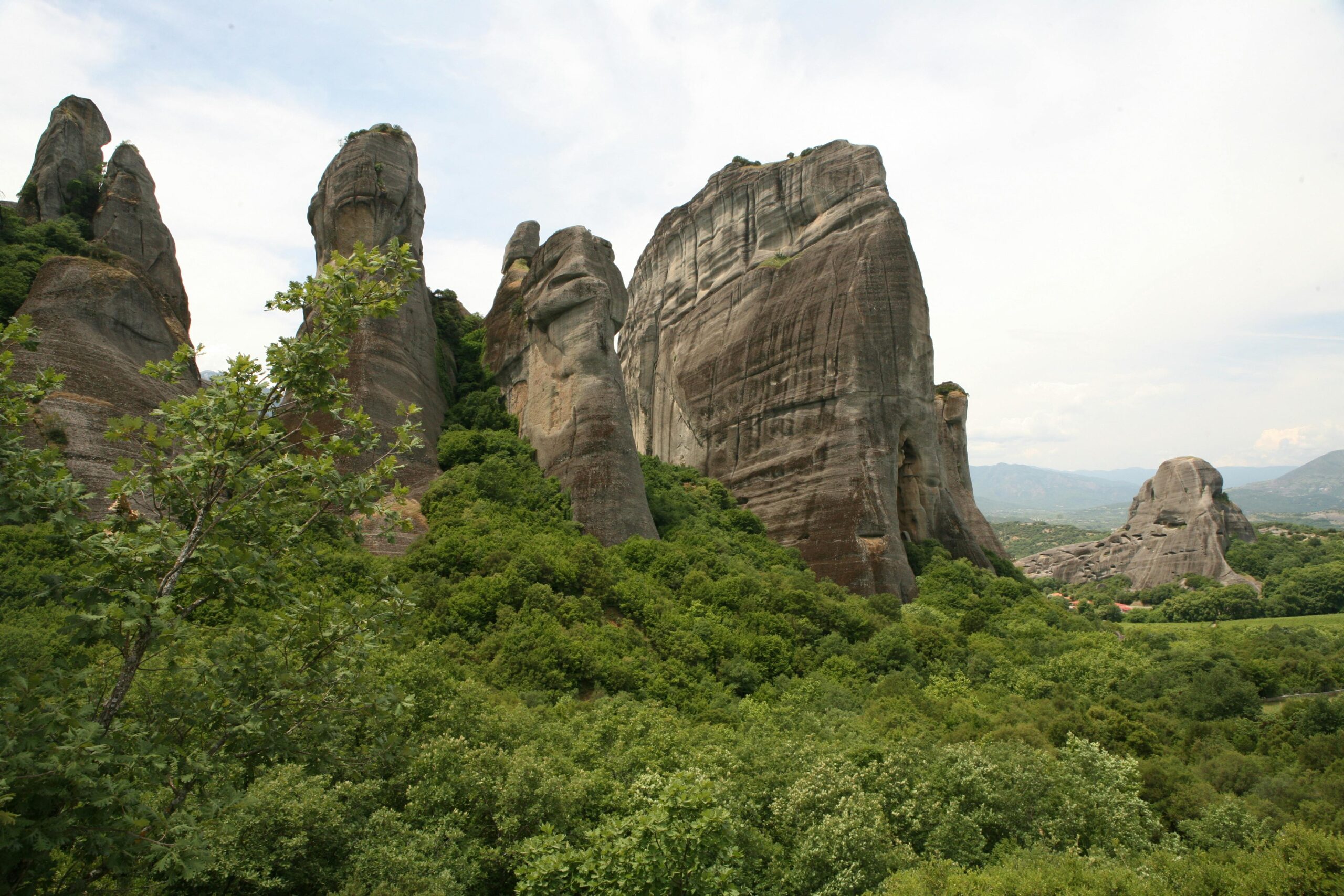
Why Planning a Trip to Meteora Without a Local Guide Is a Gamble is a reality many travelers face when they underestimate the complexity of this unique destination. Meteora’s monasteries are not just tourist sites; they are living spiritual centers intertwined with local culture and regulations that demand expert navigation.
Ignoring the need for a local guide often leads to logistical frustrations, missed historical context, and a superficial experience that many regret. This article cuts through the common misconceptions and explains what a local guide truly brings to your Meteora visit.
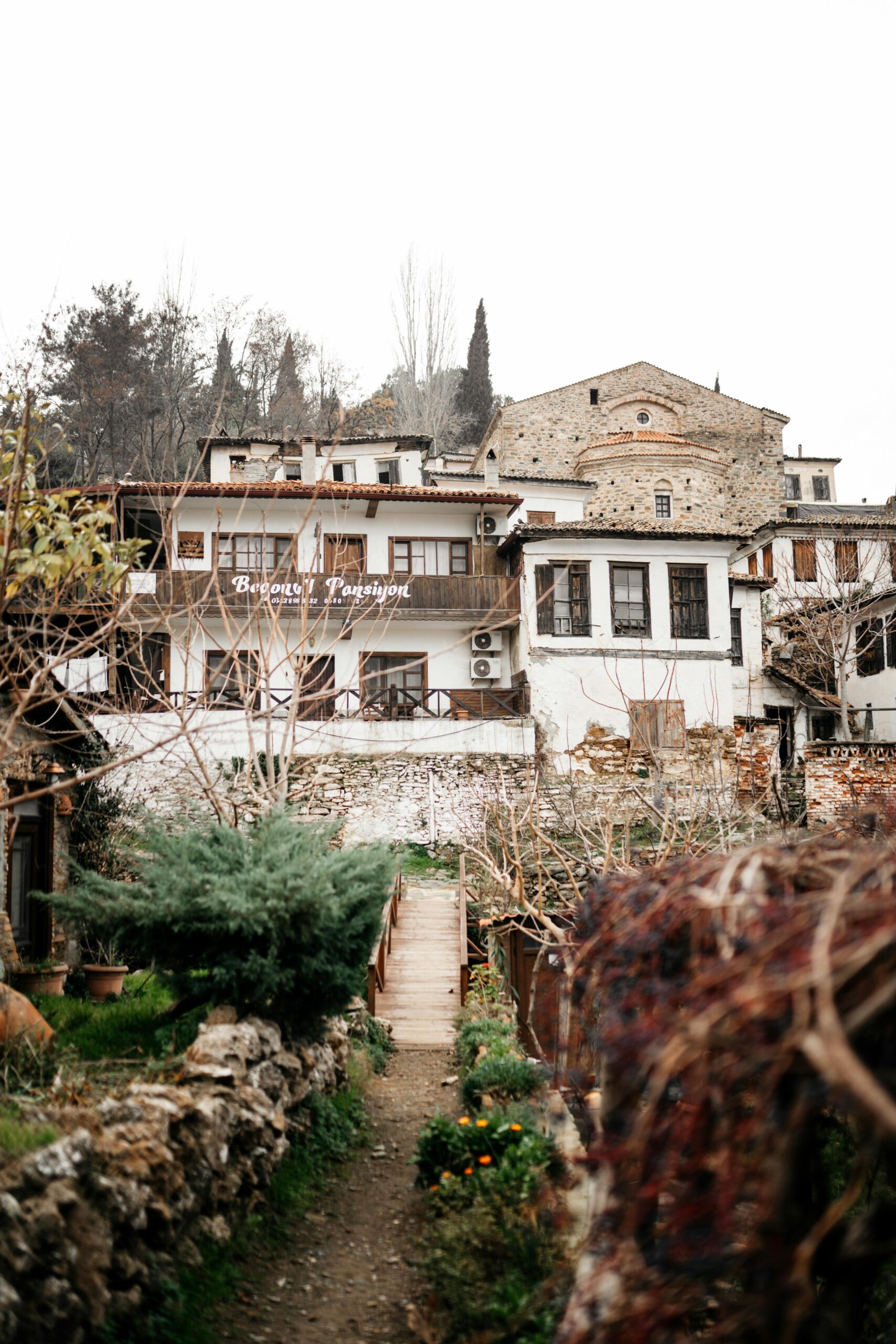
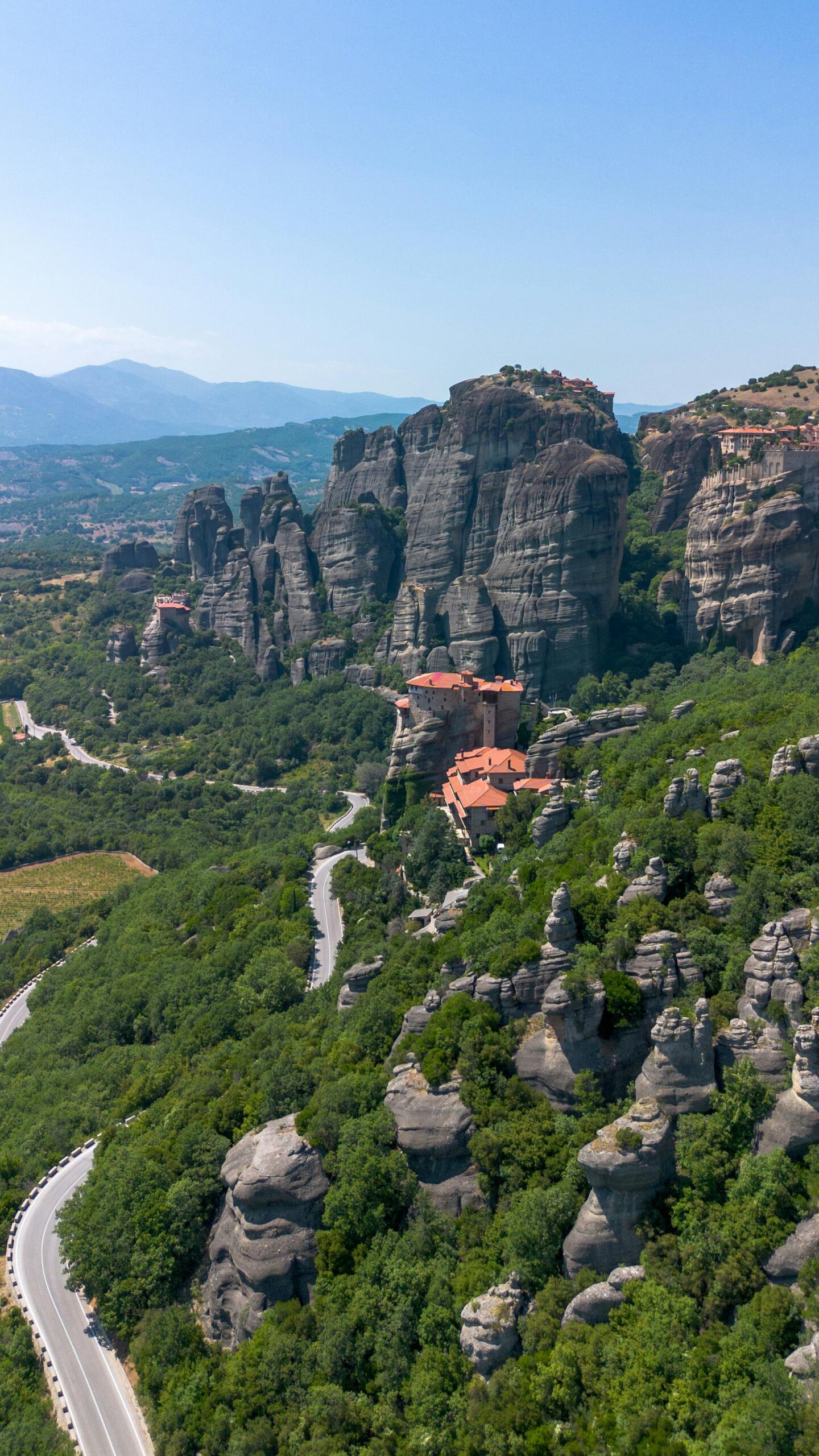
Why Planning a Trip to Meteora Without a Local Guide Is a Gamble
Most Travelers Underestimate Meteora’s Access Restrictions and Monastery Etiquette
One of the biggest mistakes is assuming all monasteries are open daily and at convenient hours. Several close on specific weekdays, have limited visiting hours, or require admission fees that are not always well-advertised. Without a guide, you risk arriving at a monastery only to find it closed or improperly dressed, which is a strict no-go in these religious sites.
Missing the Depth: Meteora’s Spiritual and Cultural Significance
The monasteries of Meteora are active religious communities with centuries of history. A guide offers far more than facts; they interpret the spiritual meaning behind the frescoes, explain the monks’ way of life, and connect visitors to traditions invisible in guidebooks. This context transforms a simple visit into a meaningful encounter — something that cannot be achieved through self-guided tours or generic information.
Key Locations and Neighborhoods to Know Beyond the Main Monasteries
Many visitors focus only on the six main monasteries: Great Meteoron, Varlaam, Rousanou, St. Nicholas Anapausas, St. Stephen, and Holy Trinity. But Meteora’s region includes villages like Kastraki and Kalambaka, which offer authentic local experiences and dining options that are often overlooked. A local guide can tailor your visit to include these spots, ensuring you avoid tourist traps and experience Meteora’s full cultural landscape.
Who This Suits: Types of Travelers Who Benefit Most From a Local Guide
Travelers with a deep interest in history, religion, or local culture will find a guide indispensable. Those seeking to avoid logistical headaches or maximize limited time also benefit. Conversely, travelers who prefer a casual photo stop without deeper engagement might find guides unnecessary — but they should be prepared to miss out on the essence of Meteora.
A Counterintuitive Observation: The Drive Between Villages Can Be More Valuable Than the Monastery Visits Alone
Many travelers focus exclusively on the monasteries themselves, neglecting the landscape and small settlements between them. The winding roads, viewpoints, and rural villages provide a fuller picture of Meteora’s geography and its human history. A guide knows where to stop for these overlooked but essential experiences. Without this, visitors often leave feeling like they’ve only skimmed the surface.
Trade-Offs: What You Gain and What You Give Up by Hiring a Local Guide
Hiring a local guide guarantees access to insider knowledge, smoother logistics, and enriched visits to the monasteries. You gain cultural insight, avoid common pitfalls, and respect local customs properly. The trade-off is the additional cost and less flexibility to explore independently. For many, this trade-off is worth it given Meteora’s complexity.
Why Planning a Trip to Meteora Without a Local Guide Is a Gamble: The Planning Consequence
Travelers who ignore this advice often face wasted days due to monastery closures, inappropriate attire issues, and missed cultural narratives. This can create frustration and a sense of having missed the point of Meteora. Booking a guide upfront prevents these problems and ensures your itinerary flows logically, respecting both timing and spiritual protocols.
For broader context on Greece’s cultural heritage, resources like the
Greek Ministry of Culture provide official updates on site regulations and events. Also, consider exploring Visit Greece for practical travel advice that complements expert guidance.
Conclusion
Most Greece trips follow the same tired script. The ones that don’t — the ones travelers still talk about years later — were built around a real understanding of how this country works. That kind of understanding takes time, or it takes someone who already has it.
Recommended experiences
Some experiences mentioned here are curated and managed by Elite Greece Travels.
- Greece 7 Day Itinerary Athens Delphi Meteora Santorini — Itinerary (managed by Elite Greece Travels).
- Athens Meteora Olympia Delphi Itinerary 7 Days — Itinerary (managed by Elite Greece Travels).
- Athens Meteora Santorini Itinerary 7 Days — Itinerary (managed by Elite Greece Travels).
Frequently asked questions
Are all Meteora monasteries open every day?
No, several monasteries close on specific weekdays and have strict visiting hours. Without local guidance, you risk arriving when they are closed.
Is it necessary to dress a certain way to visit Meteora’s monasteries?
Yes, visitors must observe a strict dress code, typically covering shoulders and knees. A local guide will inform you of these rules to avoid being denied entry.
Can I visit Meteora independently without missing key experiences?
You can visit independently, but you will likely miss critical cultural context, logistical nuances, and access to lesser-known spots that a guide reveals.
Do local guides only focus on monasteries?
No, good guides incorporate nearby villages like Kastraki and Kalambaka and show you viewpoints and routes that enrich your entire Meteora experience.
Are local guides expensive in Meteora?
Costs vary, but considering what you gain in time, access, and knowledge, hiring a local guide is a worthwhile investment for most travelers.
Is Meteora suitable for travelers with limited mobility?
Meteora’s terrain and monastery access often involve stairs and uneven paths. A local guide can advise on accessible routes, but some areas remain challenging.
Where can I find official updates about Meteora’s monasteries?
The Greek Ministry of Culture website offers current information about monastery openings and regulations.