

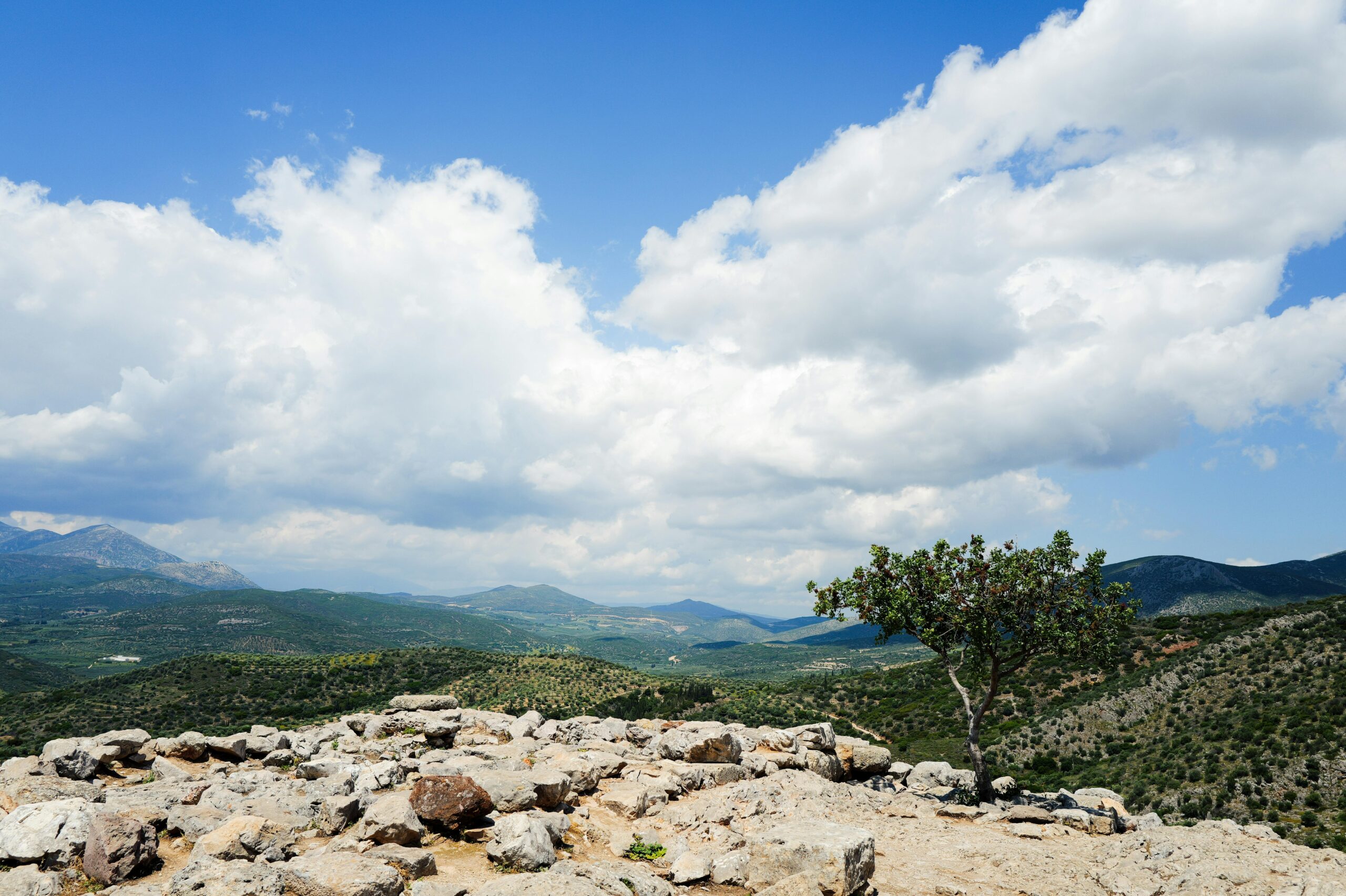
Why Crete’s Wild Interior Demands More Than Just a Rental Car and Curiosity is a reality travelers often discover the hard way. The island’s rugged heart isn’t a straightforward road trip; it’s a patchwork of demanding terrain, cultural nuances, and unexpected obstacles that can turn a simple visit into frustration without expert guidance.
Ignoring these factors leads to missed opportunities and logistical headaches. This article provides the operator-level perspective you won’t find in typical travel blogs.
Why Crete’s Wild Interior Demands More Than Just a Rental Car and Curiosity
Common Misconceptions That Hamper Wild Interior Exploration
Travelers routinely underestimate the difficulty of navigating Crete’s interior. The first mistake is assuming that a rental car suffices for access. Many roads are unpaved, narrow, and poorly signposted, especially in regions like the Lasithi Plateau or the Amari Valley. The second misjudgment is thinking that curiosity alone will reveal authentic experiences. Without local insight, visitors often end up at overly commercialized spots or miss the deeper cultural fabric altogether.
Key Areas That Demand Respect and Preparation
Four areas exemplify the challenges and rewards of Crete’s interior: the White Mountains (Lefka Ori), the rugged Samaria Gorge surroundings, the traditional villages of Anogeia and Zaros, and the lesser-known Lassithi Plateau. Each place requires more than driving and wandering—understanding local conditions and timing is critical to avoid wasted time or safety risks.
Why Crete’s Wild Interior Demands More Than Just a Rental Car and Curiosity: The Planning Perspective
Beyond vehicle choice, expert planning accounts for seasonal variations that impact accessibility—snow in winter can close many mountain routes, while summer’s heat demands early starts and hydration strategies. Local knowledge also unlocks authentic tavernas and homestays that standard guides miss. Without this, travelers face a trade-off: either stick to well-trodden paths and sacrifice authenticity or risk isolation and breakdowns in remote terrain.
Counterintuitive Reality: The Best Way to Experience Crete’s Interior Is Not Always on Your Own
It’s tempting to believe independence equals authenticity. Yet, in Crete’s wild interior, going solo often limits experiences and can create safety issues. Small guided groups or local hosts open doors to cultural exchanges and logistical support inaccessible otherwise. The counterintuitive truth is that relying on local expertise, even if it means less freedom, results in a richer, safer trip.
Who This Suits—and Who Should Reconsider
Crete’s wild interior is ideal for travelers with moderate to high physical fitness, a tolerance for rugged conditions, and a genuine interest in rural Cretan culture beyond beaches and resorts. It’s not for those expecting seamless infrastructure, luxury accommodations, or quick sightseeing. Families with young children or travelers averse to unpaved roads will find this region more frustrating than rewarding.
Trade-Offs: What You Gain and What You Give Up
Exploring Crete’s interior with expert help offers access to authentic cultural encounters, pristine natural landscapes, and a slower, more meaningful travel pace. The trade-off is that it requires flexibility, patience, and sometimes foregoing the convenience and predictability found in coastal areas. Without accepting these compromises, travelers risk a superficial experience that doesn’t justify the effort.
Conclusion
Most Greece trips follow the same tired script. The ones that don’t — the ones travelers still talk about years later — were built around a real understanding of how this country works. That kind of understanding takes time, or it takes someone who already has it.
For anyone serious about navigating Crete’s wild interior, consulting resources like the
Greek Ministry of Culture or official local tourism platforms such as Visit Greece can provide valuable, up-to-date insights. But real transformation comes from on-the-ground expertise—something no rental car or casual curiosity can replace.
Frequently asked questions
Is a standard rental car sufficient to explore Crete’s wild interior?
No. Many interior roads are rough, narrow, or unpaved, requiring vehicles with higher clearance or local driving experience.
Are guided tours necessary to experience Crete’s interior authentically?
While not mandatory, guided tours or local hosts significantly enhance safety, access, and cultural understanding in remote areas.
What seasons are best for visiting Crete’s interior?
Late spring and early autumn offer the best balance of accessible roads and comfortable weather; winter can close mountain passes due to snow.
Can I find luxury accommodations in Crete’s wild interior?
Luxury options are limited; most lodging is rustic or family-run. Travelers seeking upscale amenities should plan to stay on the coast.
What are common challenges travelers face without expert planning in Crete’s interior?
They often encounter inaccessible roads, missed cultural sites, safety concerns, and inefficient itineraries that waste valuable time.
Is Crete’s wild interior suitable for families with young children?
Generally no. The terrain and limited infrastructure make it difficult for young children and those needing easy access.
Where can I find reliable local information about Crete’s interior?
Official sources like the Greek Ministry of Culture and local tourism websites provide updates, but engaging local experts is crucial for practical insights.