

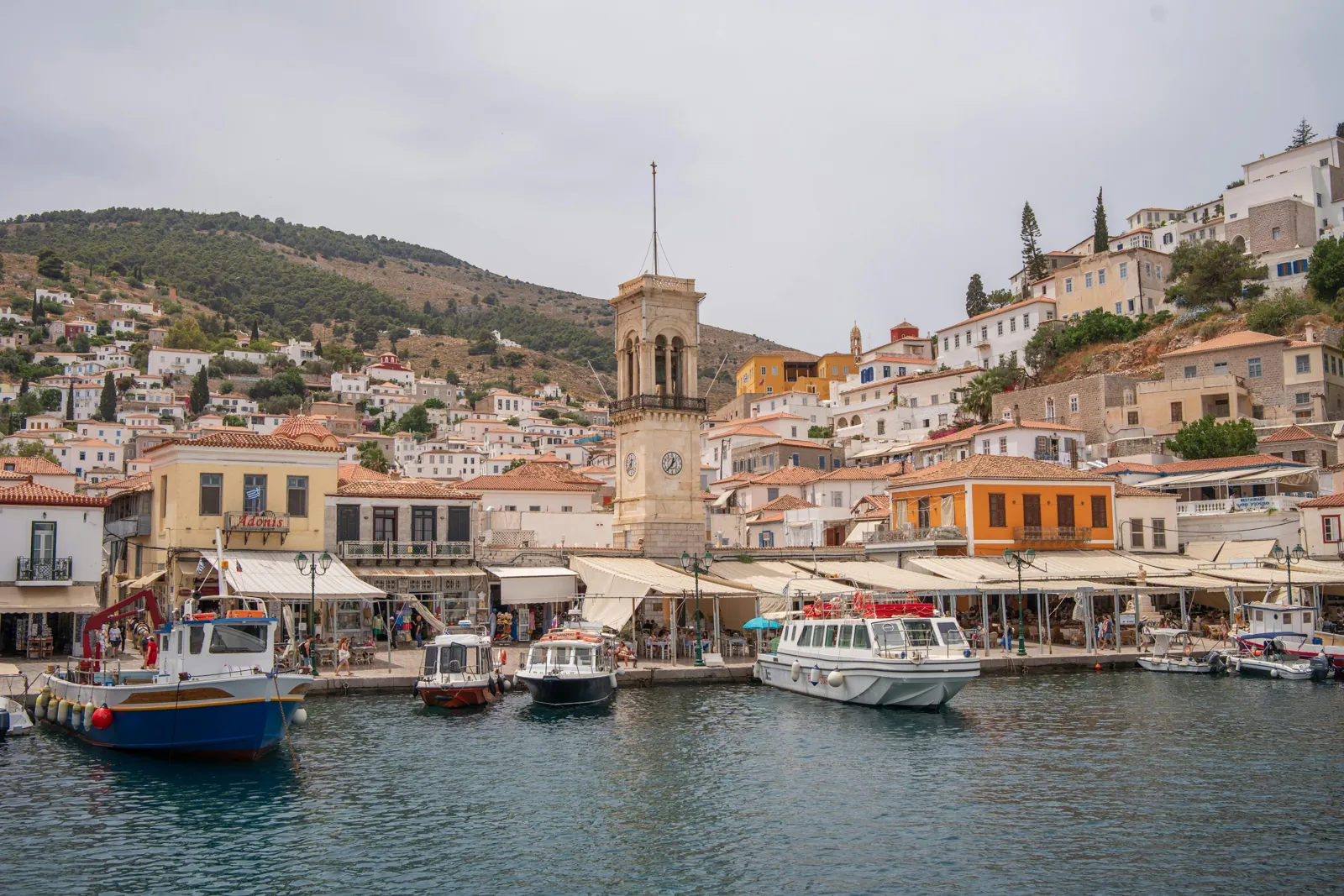
Why Summer in Hydra Is Nothing Like the Picturesque Calm You Expect is a question that trips up many first-time visitors. The island’s postcard-perfect image suggests a quiet retreat, but the emotional reality often clashes sharply with this ideal. Understanding the psychological assumptions behind this choice reveals why disappointment is so common.
Why Summer in Hydra Is Nothing Like the Picturesque Calm You Expect
The Psychological Pattern Behind Choosing Hydra for Summer
Travelers often pick Hydra because they want a break from noisy resorts and crowded beaches. The island’s lack of cars and its preserved architecture create an impression of tranquility and timelessness. This choice is driven by a desire to slow down and escape the overstimulation of modern travel. The assumption is that Hydra’s calm is constant and universal, not seasonal or situational.
Why Travelers Make This Choice
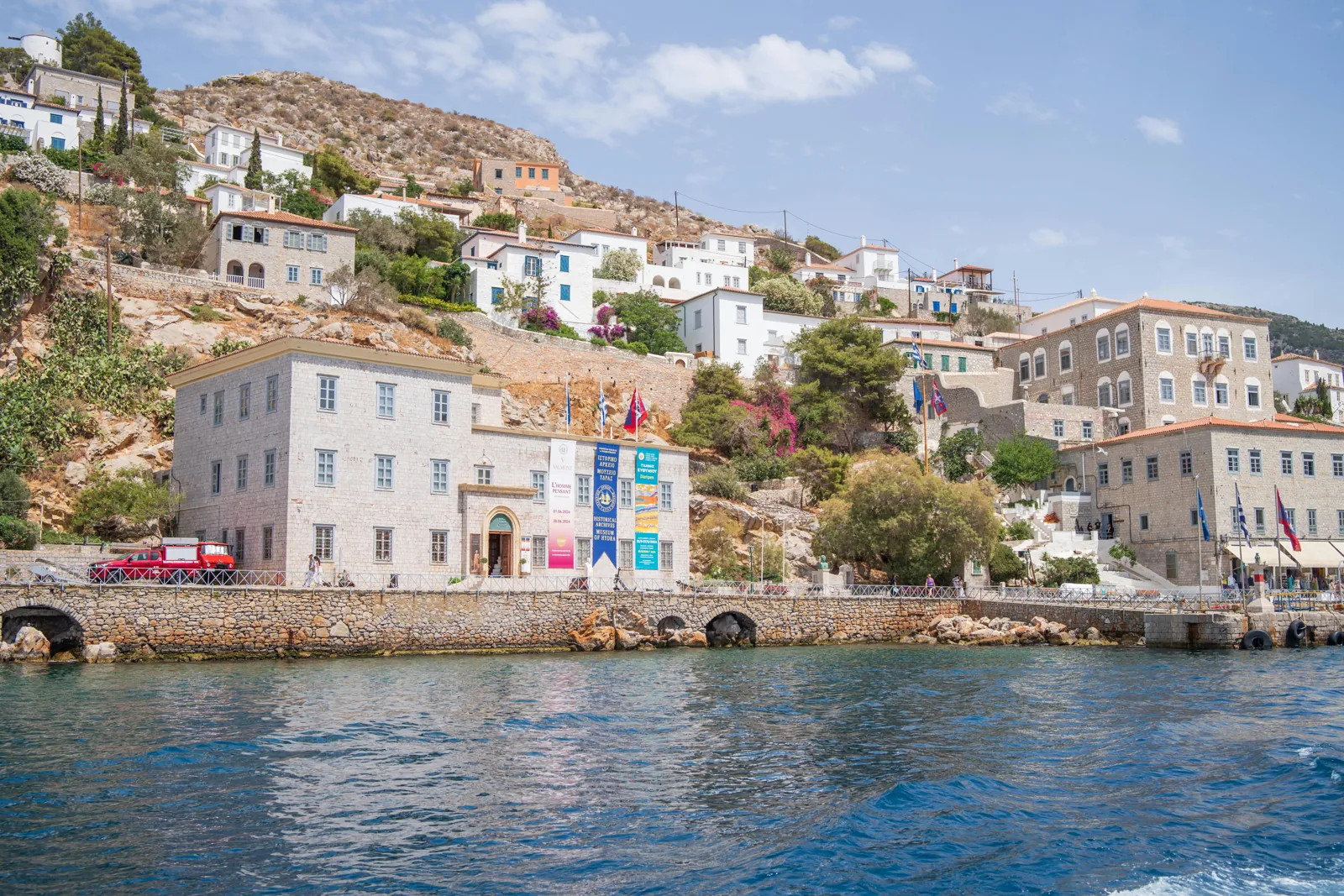
Hydra’s visual branding—photos of empty stone alleys, quiet harbors, and serene sunsets—appeals to those seeking a contemplative experience. Many travelers project their own need for calm onto the island without considering the local social dynamics. They expect a place where time stands still, not one where locals and visitors engage in a lively, sometimes chaotic summer rhythm.
The Emotional Gap: Expectation Versus Reality
The emotional gap emerges when visitors arrive expecting a peaceful haven but encounter a bustling scene. Summer in Hydra is when the island pulses with intense local activity: crowded tavernas, sudden surges of day-trippers from Athens, and a nightlife that can be surprisingly loud and dense. This contrast between expectation and reality creates frustration and a sense of disillusionment.
The Moment Disappointment Hits
The disappointment usually strikes in the first 24 hours, often at the harbor or main town. Travelers expecting a quiet arrival find themselves navigating congested docks and busy streets. The lack of cars does not mean lack of noise or crowds. This is the moment when the serene image shatters, and the visitor realizes the island’s summer rhythm is far from calm.
Traveler Types Most Prone to This Pattern
Those most vulnerable are solo travelers or couples seeking solitude, older visitors expecting a restful retreat, and first-time visitors relying heavily on social media images. They tend to underestimate the influx of weekend visitors from Athens and the island’s role as a social hub during summer. Their disappointment is compounded by the mismatch between their emotional need for calm and the island’s actual summer character.
Why Summer in Hydra Is Nothing Like the Picturesque Calm You Expect: A Clear Position
Hydra is not a quiet island in summer. It is a vibrant, sometimes overwhelming place that thrives on social energy and local traditions that peak during the high season. If you want calm, Hydra in July and August is the wrong choice. Accepting this fact upfront saves frustration and allows for a more realistic approach to planning your visit.
A Counterintuitive Observation: The Lack of Cars Does Not Equal Peace
Many assume Hydra’s ban on cars guarantees peace and quiet. This is misleading. The absence of vehicles shifts the noise and crowd pressure onto pedestrian paths and the harbor, concentrating activity rather than dispersing it. The island’s compact size means crowds feel more intense, not less, making the summer experience more dynamic and less restful than expected.
Reframing Your Approach to Hydra
Approach Hydra not as a quiet escape but as a place where local rhythms and social energy dominate summer life. If you want to experience the island’s character authentically, embrace its lively summer pulse or plan your visit outside peak months. Recognizing this psychological pattern allows you to align expectations with reality and choose the right time and mindset for your trip.
For a broader understanding of Greek cultural rhythms that shape islands like Hydra, consider resources such as the
Greek Ministry of Culture. For context on how Athens connects to these island experiences, the Acropolis Museum offers insight into the mainland’s historical influence on the Aegean.
Greece doesn’t punish inexperience. It punishes unexamined assumptions. The travelers who leave disappointed rarely lacked information — they lacked a framework for using it.
Frequently asked questions
Is Hydra quiet during the summer months?
No, Hydra is quite busy and lively during summer, especially July and August, with many visitors and local events creating a bustling atmosphere.
Why do so many travelers expect Hydra to be calm in summer?
This expectation comes from images showing empty streets and serene harbors, often taken in off-season or early mornings, which do not represent the summer reality.
What type of traveler is least suited for Hydra in summer?
Travelers seeking solitude, quiet, and rest are least suited for Hydra in summer, as the island’s social and tourist activity peaks then.
Are there times when Hydra is actually calm and quiet?
Yes, the shoulder seasons like late spring and early fall offer a more peaceful experience with fewer crowds and a slower pace.
Does Hydra’s ban on cars make it more peaceful?
Not necessarily. The lack of cars concentrates crowds and noise in pedestrian areas, which can feel more intense during busy periods.
How can I better prepare for visiting Hydra in summer?
Adjust your expectations to accept the island’s vibrant summer energy, or plan your visit outside peak months to experience more tranquility.
Where can I learn more about Greek cultural rhythms that affect island life?
Official resources like the Greek Ministry of Culture provide valuable context on local traditions and seasonal patterns.