

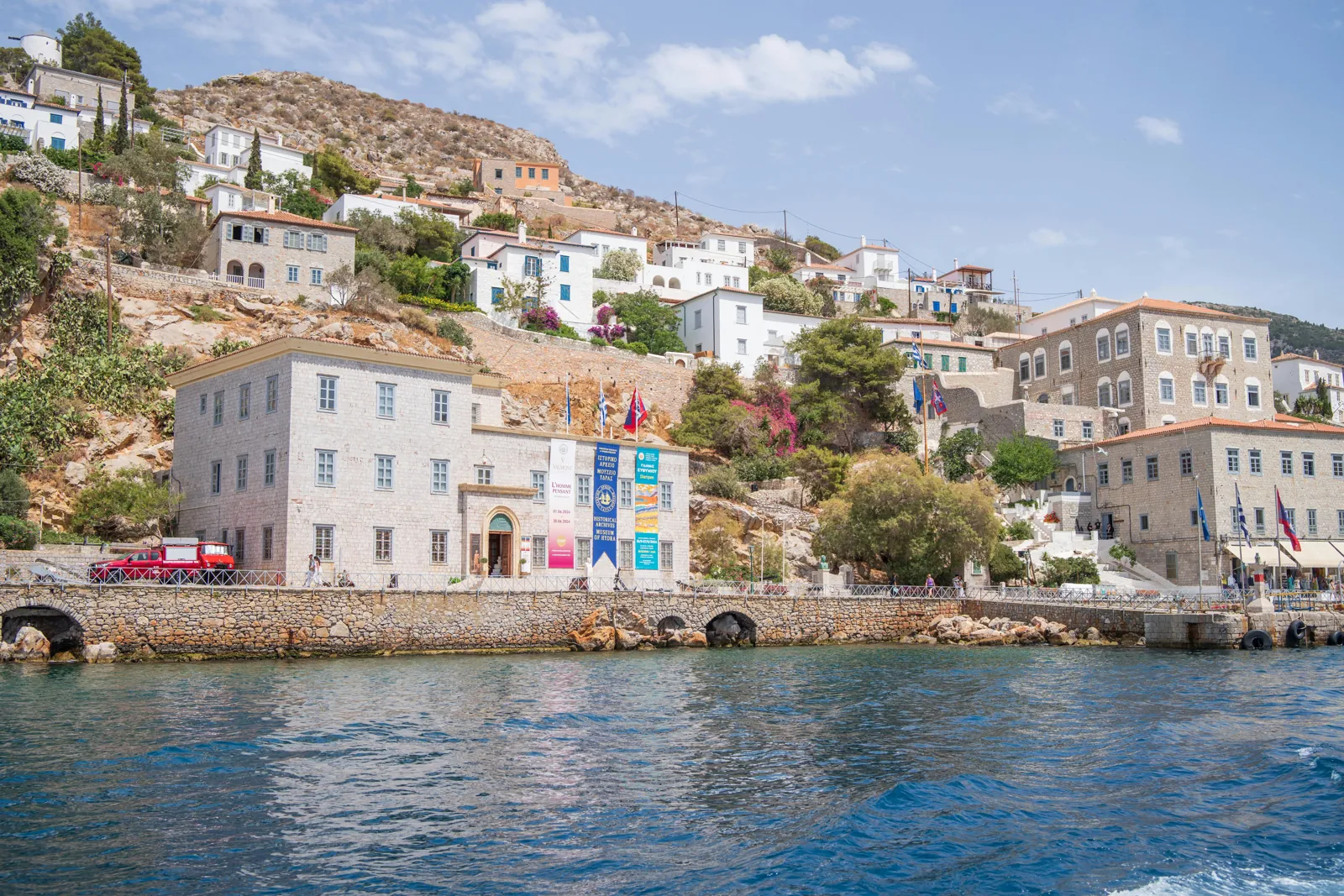
Why Booking Hydra Without a Local Contact is Asking for Trouble is a reality far too many travelers overlook. Hydra’s unique infrastructure, accommodation quirks, and island culture demand more than just an online reservation. Without local insight, you risk missing crucial experiences and ending up with frustrating logistics that sour your trip.
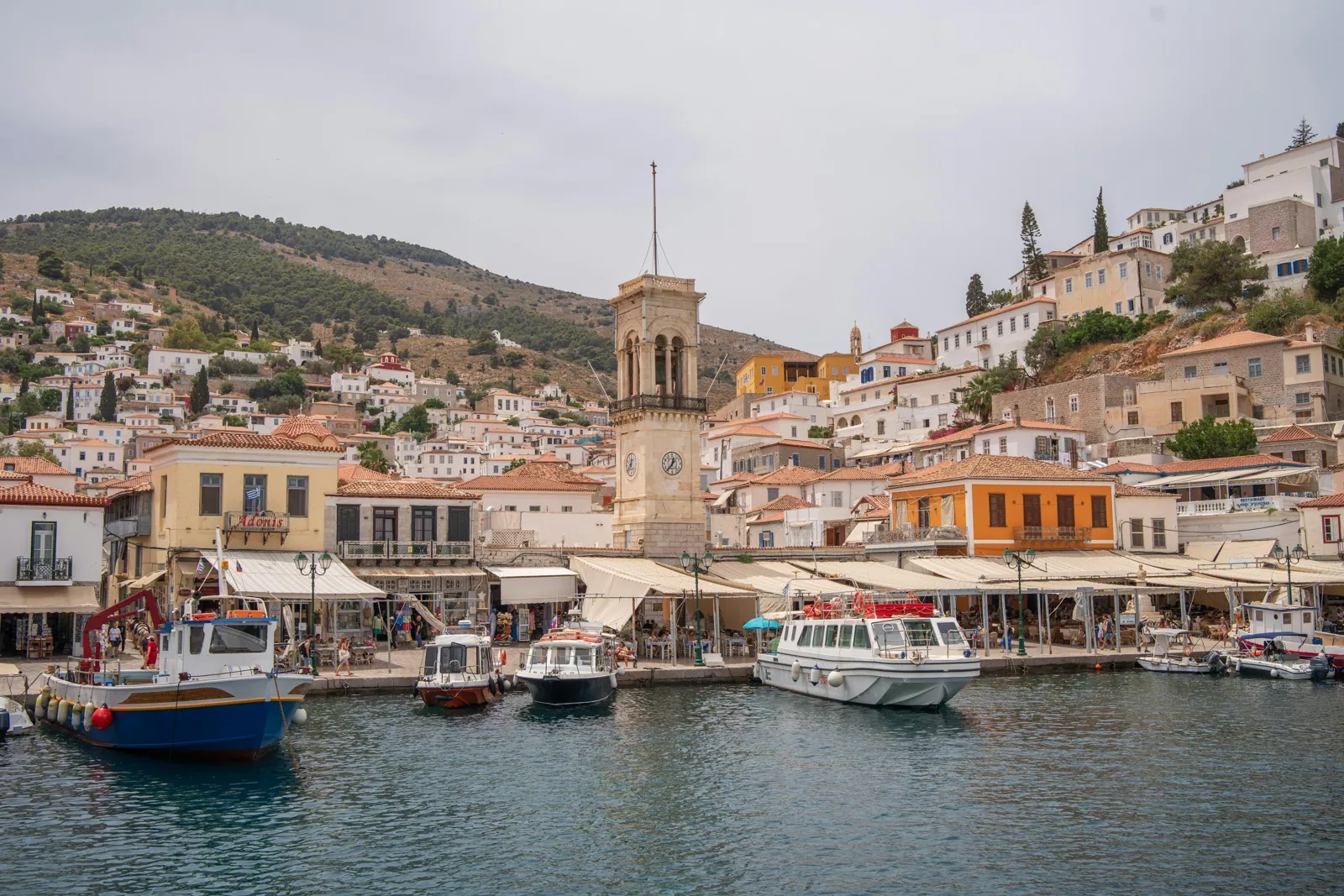
Why Booking Hydra Without a Local Contact is Asking for Trouble
Common Mistakes Travelers Make on Hydra
First, many visitors assume Hydra operates like other Greek islands with straightforward transport and accommodation options. They don’t realize the island’s no-cars policy means luggage transfers and access to properties depend heavily on local arrangements. Second, travelers often book accommodations based solely on online photos and ratings, ignoring location nuances that affect daily life on the island.
Hydra’s Neighborhoods: More Than Just a Place to Sleep
Hydra’s key areas each offer distinct experiences and challenges. The Old Port area is iconic but noisy and crowded during peak season. Kamini provides a quieter, more local vibe with tavernas overlooked by tourist groups. Vlichos is popular for waterfront dining but has limited accommodation options and is less walkable. Mandraki offers a glimpse into Hydra’s artisan scene but is a 20-minute walk from the harbor. Understanding these distinctions is crucial when selecting where to stay.
Why Booking Hydra Without a Local Contact is Asking for Trouble: The Logistics Angle
Hydra’s infrastructure is unlike most islands; no cars, no buses, and the main mode of transport is by foot or boat taxis. Without a local contact, arranging luggage transfers to your accommodation can become a logistical nightmare. Many properties require advance coordination for boat drop-offs or porters, which isn’t clear from online listings. Ignoring this leads to heavy, inconvenient walks or unexpected extra costs.
Counterintuitive Insight: Off-Season Isn’t Always Easier
Many believe visiting Hydra outside summer will solve crowd and booking issues. In reality, the island’s limited services and closed tavernas off-season can leave travelers stranded without basic amenities. Also, boat taxi availability drastically reduces, making transfers to remote accommodations harder. This counterintuitive fact means off-season travelers without local contacts often face more complications, not fewer.
Trade-Offs: What You Gain and Give Up on Hydra
Staying in Hydra’s central Old Port puts you in the middle of the action, but you sacrifice quiet and privacy. Choosing Kamini or Vlichos offers tranquility but adds daily logistics challenges. Using a local contact or guide means paying a premium but guarantees smooth luggage handling and access to unadvertised experiences. Without that, you gain flexibility but risk frustration and missed opportunities.
Who This Suits: Matching Traveler Types to Hydra’s Realities
Hydra suits travelers who appreciate walking, physical activity, and don’t mind limited vehicle access. It’s ideal for couples or small groups seeking a blend of culture, art, and sea. It’s less suitable for families with young children, travelers with mobility issues, or those expecting typical island transport. For first-time visitors without prior Greek island experience, local contact support is essential.
Planning Perspective: Leveraging Expert Help on Hydra
Securing a local contact for accommodation bookings and transfers isn’t a luxury; it’s a necessity. Local contacts provide real-time updates on weather-impacted boat taxi schedules, insider access to lesser-known venues, and help navigate Hydra’s less visible regulatory framework. For comprehensive cultural context, the Hellenic Ministry of Culture offers resources that few casual travelers consult but experts use to enrich visits.
Hydra’s appeal partly lies in its deliberate resistance to mass tourism infrastructure. The
official Greek tourism portal documents official events and seasonal updates often missed by independent bookings. Ignoring these details risks arriving when key venues are closed or when peak periods create unmanageable crowds.
Conclusion
Greece rewards travelers who arrive with a plan built around how they actually travel — not a generic template. The difference between a frustrating trip and a remarkable one often comes down to sequence, timing, and knowing which trade-offs matter for your situation.
Frequently asked questions
Why can’t I just book accommodation on Hydra through standard platforms?
Standard platforms often lack details on Hydra’s unique access requirements. Many properties need advance coordination for luggage transfers or boat drop-offs, information rarely included in online listings.
Is it possible to get around Hydra without a local contact?
While possible, it’s challenging. Hydra has no cars or public buses, and boat taxis require scheduling. Without local help, you may face inconvenient walks or missed connections.
What are the busiest neighborhoods on Hydra during summer?
The Old Port is busiest, with crowds and noise. Kamini and Vlichos are quieter but still see seasonal peaks.
Are there any mobility challenges on Hydra?
Yes. The island’s cobblestone paths and lack of vehicle transport make it difficult for travelers with limited mobility.
Does visiting Hydra off-season solve the crowding problem?
Not entirely. Off-season means fewer services and boat taxis, which can complicate logistics more than in summer.
How can a local contact improve my Hydra experience?
A local contact can arrange transfers, provide real-time updates, and help you access venues and experiences not advertised online.
Where can I find official cultural events on Hydra?
The Hellenic Ministry of Culture website and the official Greek tourism portal offer reliable information on events and seasonal openings.