

Why Planning a Trip to Meteora Without Local Insight Is a Big Mistake is the harsh reality many visitors face when they underestimate the complexity of this UNESCO World Heritage site. The region’s dramatic monasteries are not just photo ops; they demand precise timing and local knowledge to avoid crowds and logistical pitfalls.
Without expert guidance, travelers often waste time, miss key experiences, or find themselves frustrated by transport and access challenges.
Why Planning a Trip to Meteora Without Local Insight Is a Big Mistake
Common Mistakes Travelers Make at Meteora
Most visitors to Meteora make two critical errors: assuming all monasteries are equally accessible and underestimating the impact of seasonal crowding. Many expect to see every monastery in one day, not realizing some require a steep hike or waiting in long lines during peak season. This leads to rushed visits and a superficial experience.
Another frequent mistake is ignoring the local nuances of timing. Visiting monasteries right at opening or late afternoon avoids the bulk of tour groups, but this timing is rarely obvious without insider knowledge.
Key Areas and Monasteries to Know
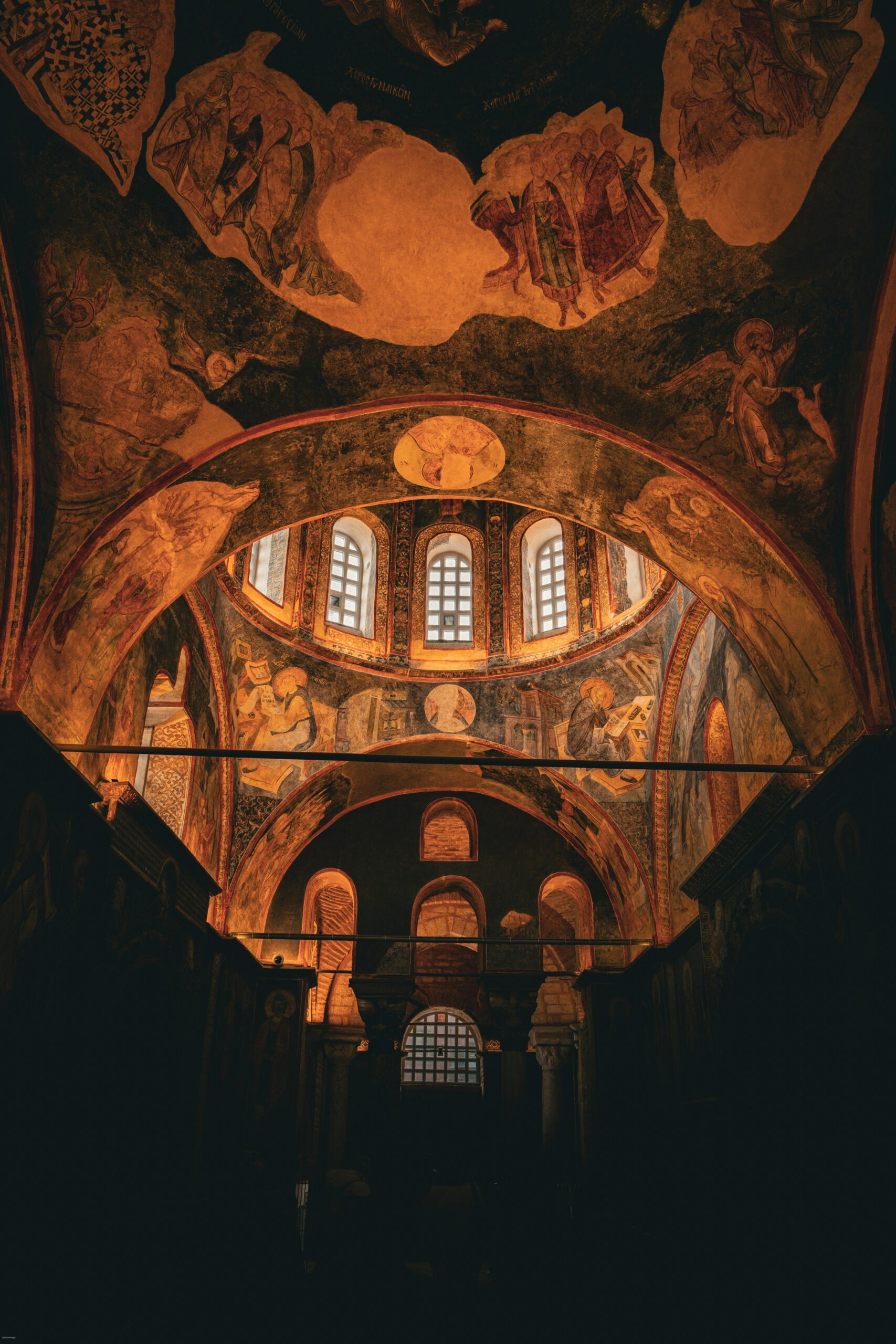
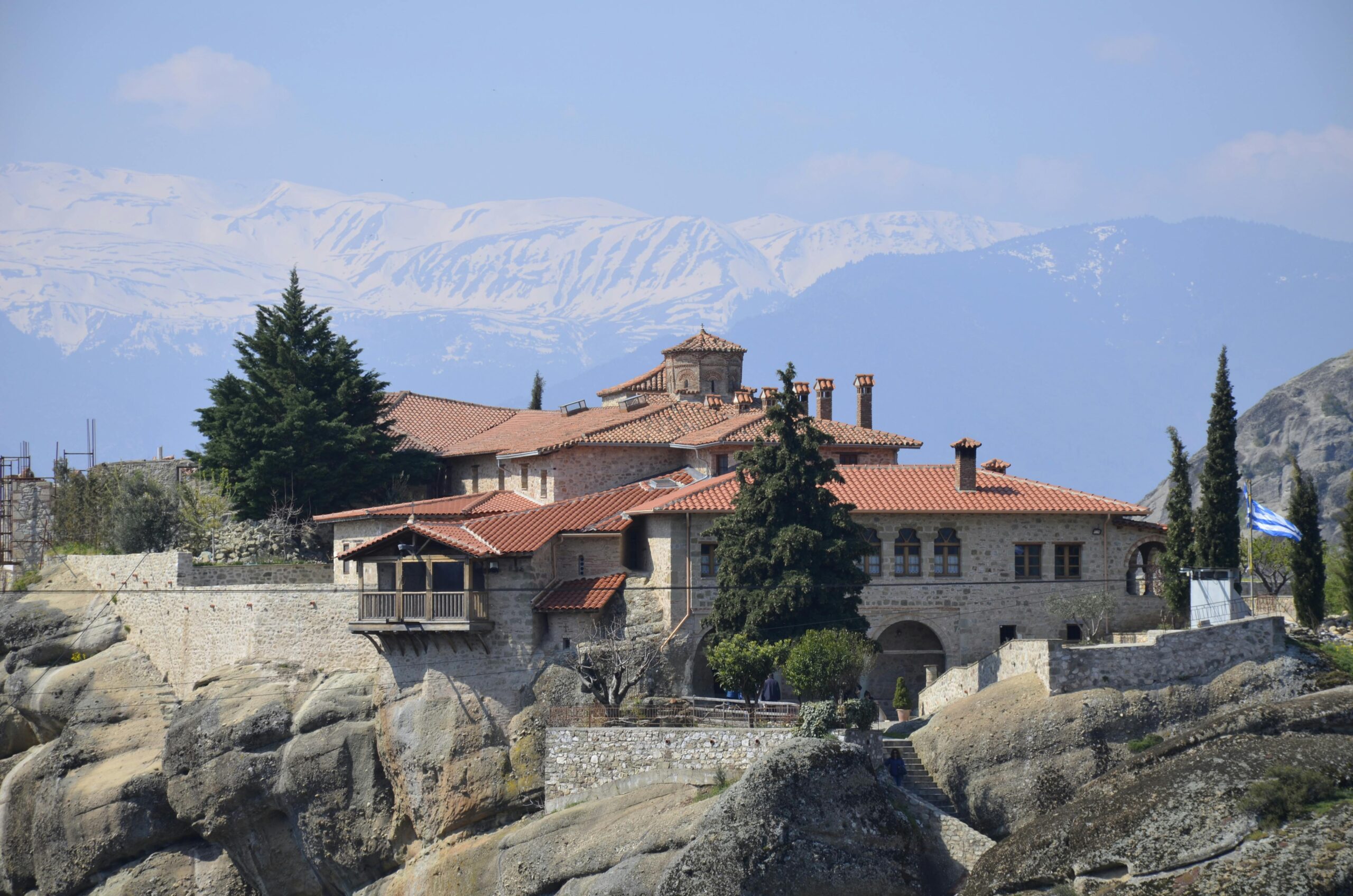
Understanding the specific monasteries and their locations is essential. The Great Meteoron is the largest and most popular, often overcrowded midday. Varlaam offers impressive frescoes but requires more walking. Rousanou is more accessible and appeals to those with limited mobility. The Holy Trinity, famous from movies like James Bond, involves a challenging hike and isn’t suitable for everyone. Lastly, St. Stephen’s is the only monastery accessible by car, which matters when planning logistics.
Who This Suits and Who It Doesn’t
Meteora is ideal for travelers comfortable with some physical activity and those who appreciate religious and architectural history. It’s not well suited for travelers with severe mobility issues unless they strictly limit themselves to St. Stephen’s monastery. Families with very young children or those expecting a casual, walk-in experience will likely find Meteora frustrating and exhausting.
A Counterintuitive Observation on Meteora’s Peak Season
Contrary to popular belief, summer is not the best time to visit Meteora. The heat combined with crowds creates an unpleasant experience. Spring and early autumn deliver better weather and fewer visitors, yet many travelers still flock during summer months, unaware of how this affects monastery access and local transport availability.
Trade-offs: What You Gain and What You Give Up
Investing in local insight means you gain access to lesser-known monasteries during optimal times, avoid long waits, and understand the real effort needed for hikes. The trade-off is planning that requires more upfront coordination and sometimes foregoing spontaneous exploration. Without this, you risk a disjointed visit that feels rushed and incomplete.
Why Planning a Trip to Meteora Without Local Insight Is a Big Mistake for Timing and Transport
Transport between monasteries is not straightforward; frequent shuttle services are limited, and taxi options can be costly. Without local knowledge, travelers often misjudge distances and timings, leading to missed monastery opening hours or being stranded waiting for return transport. This logistical challenge is compounded by the fact that some monasteries close on specific weekdays. Missing these details turns what should be a highlight into a disappointment.
For authoritative info on Greece’s cultural heritage, consult resources like the
Ministry of Culture. Additional practical travel advice can be found at Visit Greece.
Conclusion
Greece rewards travelers who arrive with a plan built around how they actually travel — not a generic template. The difference between a frustrating trip and a remarkable one often comes down to sequence, timing, and knowing which trade-offs matter for your situation.
Recommended experiences
Some experiences mentioned here are curated and managed by Elite Greece Travels.
- Greece 7 Day Itinerary Athens Delphi Meteora Santorini — Itinerary (managed by Elite Greece Travels).
- Athens Meteora Olympia Delphi Itinerary 7 Days — Itinerary (managed by Elite Greece Travels).
- Athens Meteora Santorini Itinerary 7 Days — Itinerary (managed by Elite Greece Travels).
Frequently asked questions
What is the best time of year to visit Meteora to avoid crowds?
Spring (April to June) and early autumn (September to October) offer the best balance of pleasant weather and fewer tourists. Avoiding summer peak months reduces wait times at monasteries and heat-related discomfort.
Are all Meteora monasteries accessible by car?
No. Only St. Stephen’s monastery is directly accessible by car. The others require walking or hiking, with some paths being steep and challenging.
Can I visit all Meteora monasteries in one day?
Visiting all six active monasteries in one day is unrealistic without rushing. Prioritizing a few with local insight leads to a more meaningful experience.
Is Meteora suitable for travelers with limited mobility?
Travelers with limited mobility should plan carefully. St. Stephen’s monastery is accessible, but most others have stairs and uneven paths that are difficult to navigate.
Do monasteries close on certain days?
Yes, each monastery may close on different weekdays or during religious holidays. Consulting local schedules is essential to avoid disappointment.
Why is local insight important for transportation in Meteora?
Public transport options between monasteries are limited and infrequent. Without local knowledge, travelers risk missing opening hours or facing expensive taxi rides.