

Why Planning a Trip to Meteora Without an Expert Often Means Missing Its True Magic is not an overstatement—this UNESCO World Heritage site demands more than casual navigation to reveal its full character. Many travelers arrive expecting a straightforward visit but leave frustrated by crowds, poor timing, and overlooked viewpoints.
Without local expertise, you risk reducing Meteora to a checklist of overcrowded monasteries rather than an immersive experience of its remarkable landscapes and spiritual heritage.
Why Planning a Trip to Meteora Without an Expert Often Means Missing Its True Magic
Common Missteps Travelers Make in Meteora
First, most visitors underestimate how quickly the main monasteries fill up, especially in peak season (June to September). They assume arriving mid-morning or afternoon will suffice, but by then, narrow paths and parking lots are congested, which diminishes both access and atmosphere. Second, many ignore the fact that Meteora’s beauty extends far beyond the six active monasteries; without guidance, travelers miss the less obvious sites that offer quieter, equally impressive views.
The Essential Meteora Sites You Can’t Skip
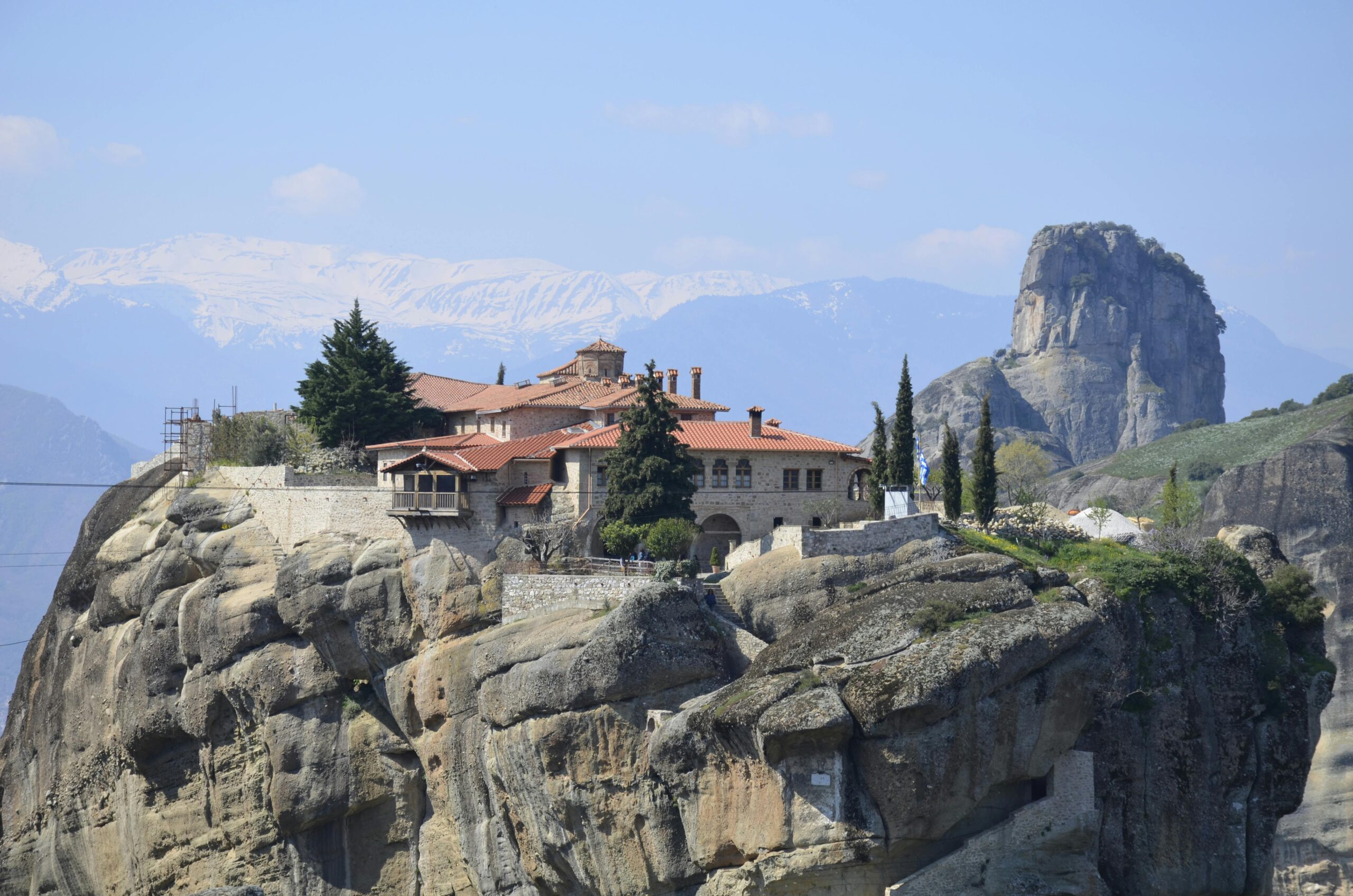
Besides the famous Great Meteoron and Varlaam monasteries, places like Roussanou, Agios Nikolaos Anapafsas, and St. Stephen’s offer distinct architectural and historical value. The village of Kastraki is a better base than Kalambaka for those wanting to avoid the more commercial side of Meteora. For vantage points, the Trail of the Holy Trinity and the less-visited viewpoints west of the rock formations reveal perspectives most tourists never see.
Why Planning a Trip to Meteora Without an Expert Often Means Missing Its True Magic: Timing and Local Insight
The rhythm of Meteora is seasonal and daily. Early morning or late afternoon visits avoid crowds and harsh light, but knowing precisely when each monastery opens or closes is crucial. Some monasteries have irregular hours or close for religious events without notice. Skilled guides know how to sequence visits to maximize experience and avoid wasted time in queues or locked gates. Without this, travelers often find themselves rushed or locked out.
Who This Suits: Matching Meteora to Traveler Types
Meteora is ideal for travelers who value history, architecture, and dramatic natural landscapes combined with moderate hiking. It’s less suited for those who prefer urban nightlife or beach relaxation. Independent travelers who dislike structured tours may struggle without expert input because the site’s complexity demands thoughtful planning. Families with very young children should note some trails and monastery approaches are steep and uneven.
A Counterintuitive Reality: Peak Season Isn’t Always the Best Time for Meteora
Most travelers assume summer is the only viable time to visit Meteora. The truth is that late spring (April-May) and early autumn (September-October) offer not only better weather but also fewer crowds and more access to all monasteries. Winter visits can be atmospheric but come with the trade-off of limited monastery openings and unpredictable weather. Prioritizing off-peak seasons can transform the visit from frustrating to exceptional.
Trade-offs: What You Gain and What You Give Up by Using Expert Guidance
Professional guidance in Meteora guarantees access to less obvious viewpoints, historical context that enriches the visit, and avoidance of logistical pitfalls like overcrowding or closed sites. You gain time, depth, and often a more authentic experience. The trade-off is less spontaneity and a higher upfront cost. But the alternative is a superficial visit that feels rushed and incomplete, which is the experience most travelers describe when they go without expert help.
Understanding Meteora Within Greece’s Broader Cultural Landscape
While Meteora is exceptional, it’s part of a tapestry including sites like the Acropolis Museum in Athens, which offers indispensable context for Greek Orthodox heritage and Byzantine art. For a holistic understanding of Greece’s religious history, combining Meteora with visits to mainland cultural institutions like these is essential. Official resources such as the
Ministry of Culture and Visit Greece provide accurate, updated information that only experts reliably integrate into itineraries.
Conclusion
Most Greece trips follow the same tired script. The ones that don’t — the ones travelers still talk about years later — were built around a real understanding of how this country works. That kind of understanding takes time, or it takes someone who already has it.
Recommended experiences
Some experiences mentioned here are curated and managed by Elite Greece Travels.
- Greece 7 Day Itinerary Athens Delphi Meteora Santorini — Itinerary (managed by Elite Greece Travels).
- Athens Meteora Olympia Delphi Itinerary 7 Days — Itinerary (managed by Elite Greece Travels).
- Athens Meteora Santorini Itinerary 7 Days — Itinerary (managed by Elite Greece Travels).
Frequently asked questions
What is the best time of day to visit Meteora’s monasteries?
Early morning or late afternoon visits are best to avoid crowds and harsh lighting. Midday visits often mean heavy tourist congestion and less enjoyable experiences.
Can I visit all the monasteries in one day?
Visiting all six active monasteries in one day is possible but rushed. Expert planning optimizes the sequence and timing to avoid closures and crowds, making the experience manageable.
Are the paths and hikes around Meteora difficult for casual travelers?
Some trails involve steep climbs and uneven terrain. Travelers with mobility issues or very young children should plan accordingly and consider expert advice on accessible routes.
Is it necessary to hire a guide for Meteora?
While not strictly necessary, a guide significantly enhances the visit by providing historical context, local insights, and logistical support to avoid crowds and closures.
How does visiting Meteora in winter affect the experience?
Winter offers fewer crowds and a unique atmosphere, but some monasteries may be closed, and weather conditions can limit hiking and outdoor activities.
What are some lesser-known viewpoints in Meteora worth visiting?
The Trail of the Holy Trinity and viewpoints west of the rock formations provide spectacular, less crowded views that many tourists miss without expert guidance.
How does Meteora compare to other religious sites in Greece?
Meteora’s combination of monastic architecture and dramatic natural setting is unique. For broader religious history, pairing it with mainland sites like those covered by the Ministry of Culture offers fuller insight.