

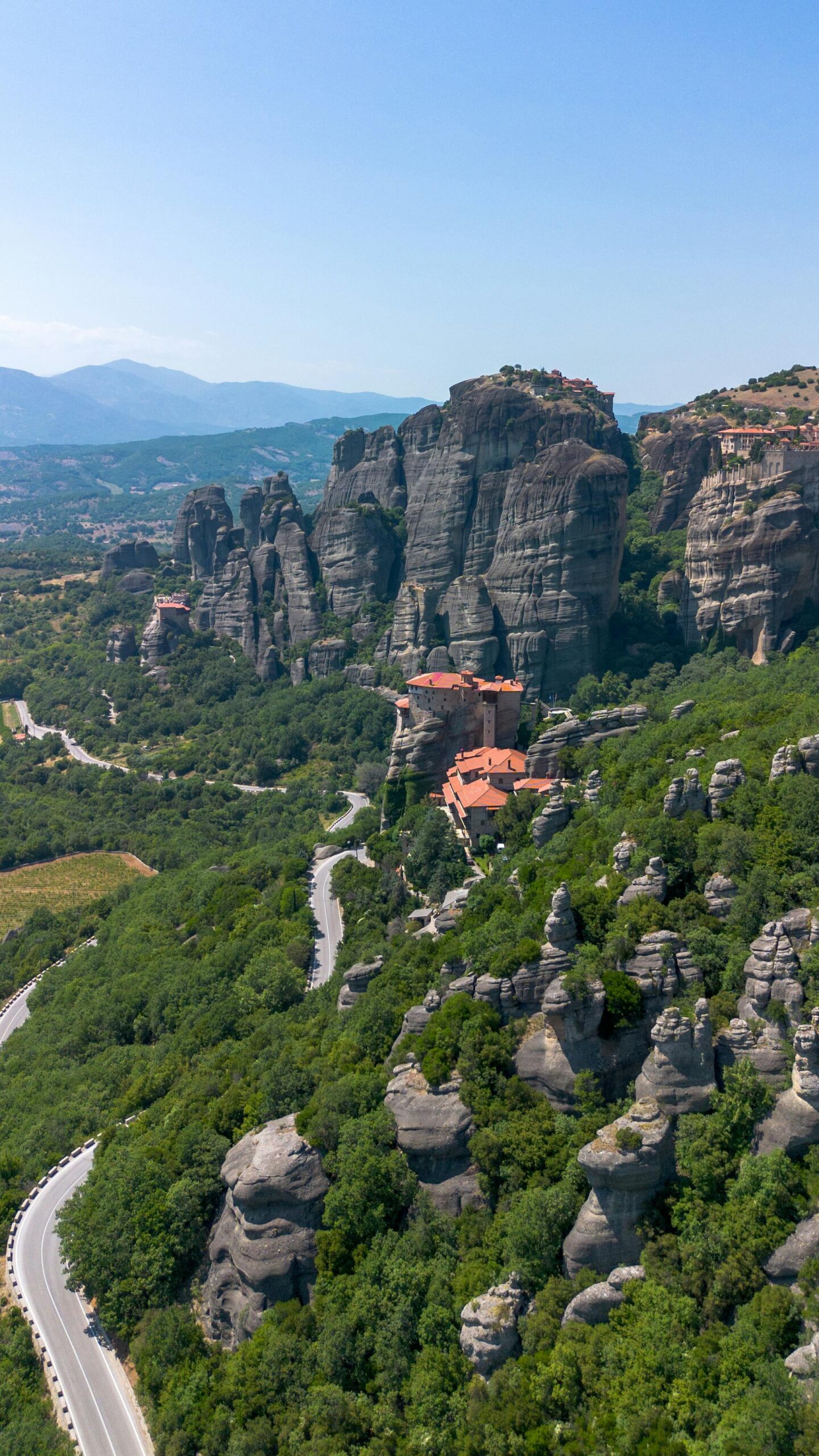
Why Planning a Trip to Meteora Without a Guide Is a Recipe for Frustration. Meteora’s unique landscape and monastic sites demand more than just a casual visit; they require expert navigation to avoid logistical and cultural missteps.
Many travelers underestimate the complexity of visiting Meteora’s monasteries and trails, which leads to wasted time and missed experiences.
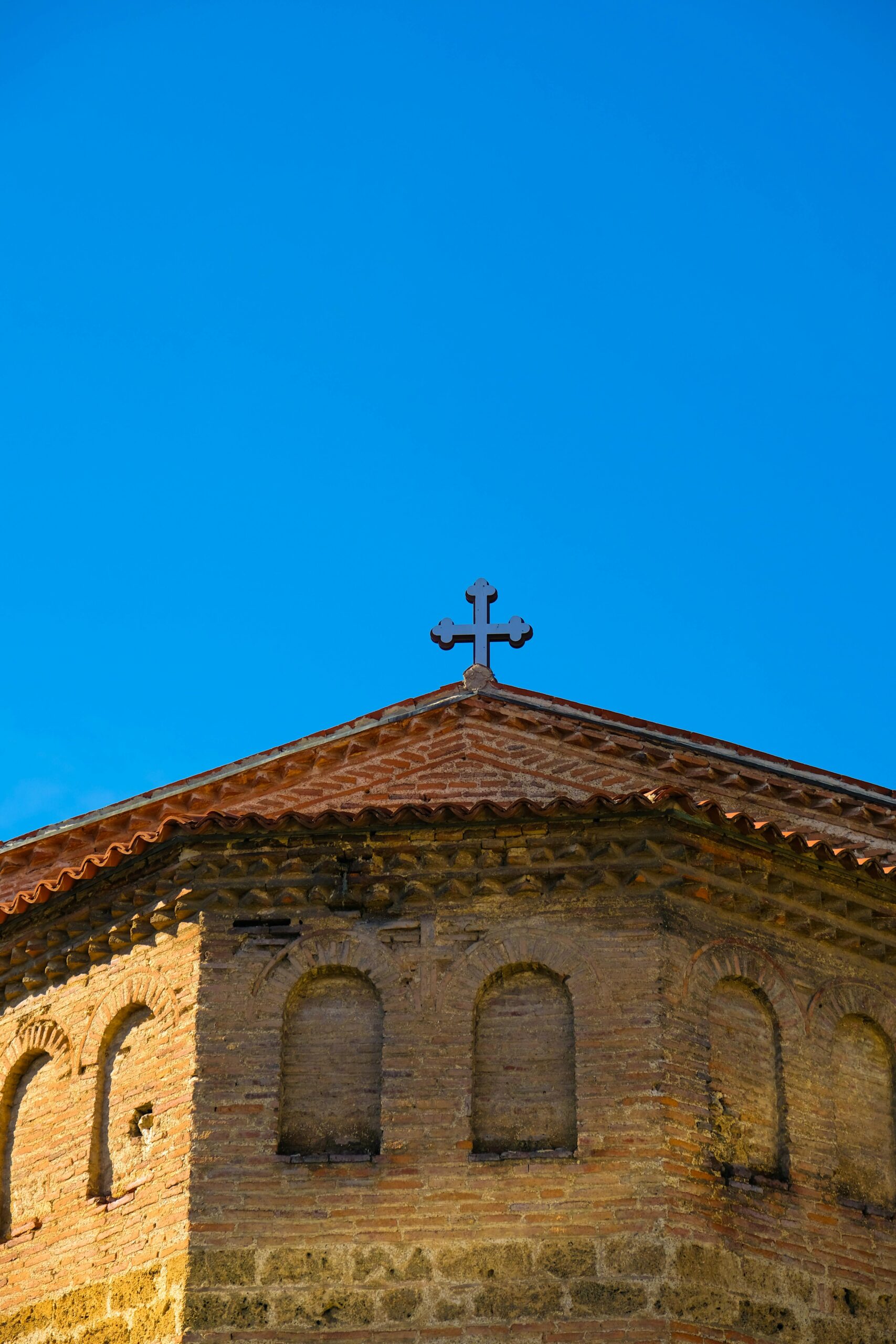
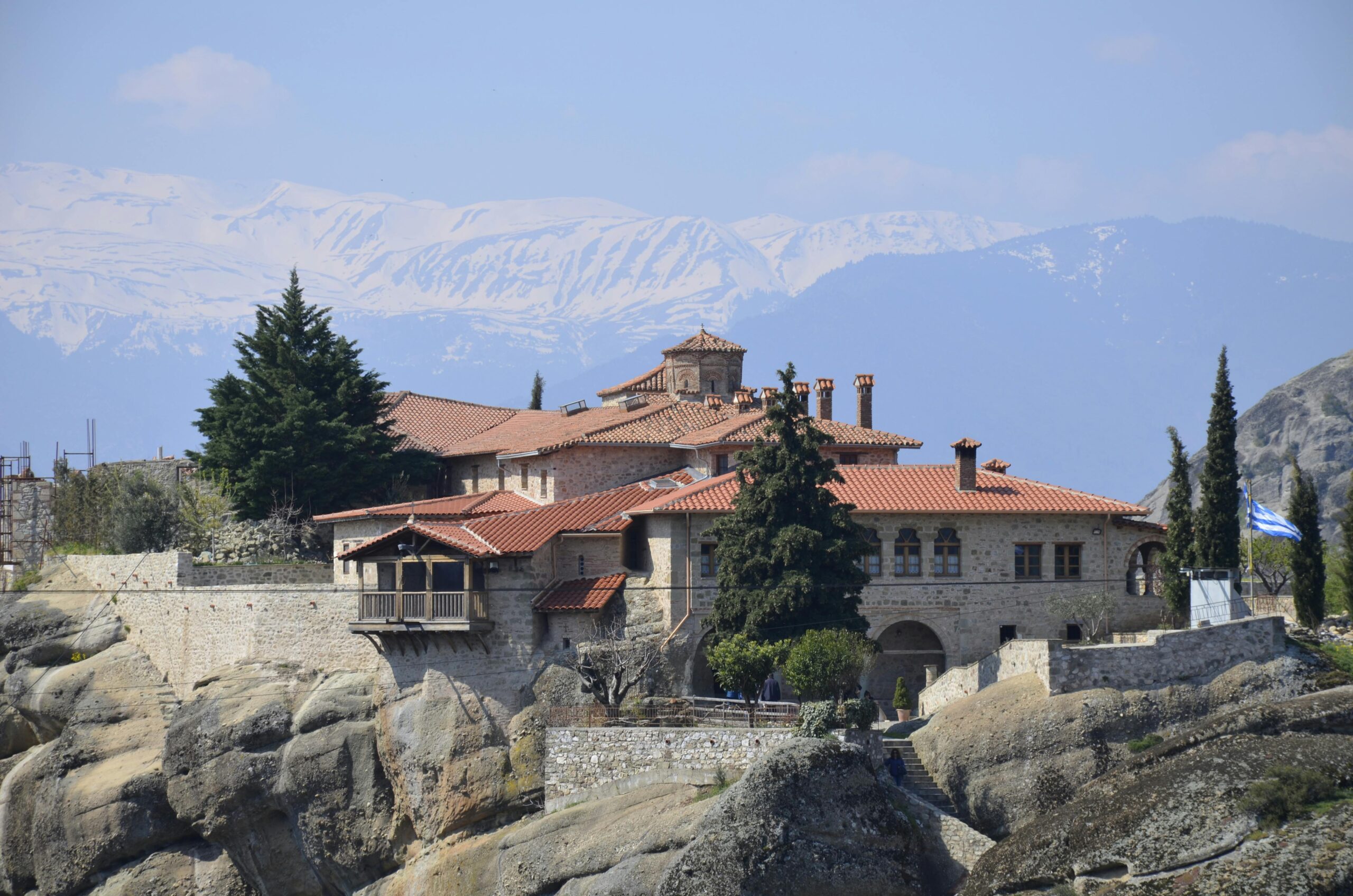
Why Planning a Trip to Meteora Without a Guide Is a Recipe for Frustration
Common Misconceptions That Cause Problems
Travelers often assume all Meteora monasteries are open year-round, only to find several closed on specific weekdays or religious holidays. Another frequent error is underestimating the physical demands of hiking the remote trails connecting the rock formations. These are not easy strolls; the terrain is uneven, and signage is minimal outside the main paths.
Key Sites That Require Local Insight
Understanding the distinct characteristics of sites like the Great Meteoron, Varlaam, Rousanou, and Agios Nikolaos Anapafsas monasteries is essential. Each has different opening hours and dress codes that are strictly enforced. Nearby areas such as Kastraki village provide practical bases but come with their own logistical challenges for accommodation and dining.
Why Planning a Trip to Meteora Without a Guide Is a Recipe for Frustration: Timing and Access Restrictions
The monasteries limit daily visitor numbers, and this quota is often reached early in the day. Independent travelers who arrive late face long waits or outright denial of entry. A guide ensures priority access and helps sequence visits efficiently to avoid backtracking. This is particularly critical during shoulder seasons when unpredictable closures occur.
Who This Suits—and Who It Doesn’t
Meteora is ideal for travelers comfortable with moderate physical activity and those who value cultural context. Independent explorers unfamiliar with Greek Orthodox customs or those expecting casual sightseeing may find the experience frustrating. If you prefer a relaxed pace without managing timing and access nuances, guided tours are indispensable.
A Counterintuitive Observation: More Freedom, More Confusion
It might seem that skipping a guide grants more freedom, but in Meteora, it often results in confusion and missed opportunities. The site’s complex layout and rules mean that self-guided travelers frequently waste time figuring out routes or end up confined to the most popular spots, missing less-visited but equally significant monasteries.
Trade-Offs: What You Gain and What You Give Up
Using a guide means surrendering some independence but gaining access to insider knowledge on lesser-known trails, historical context, and time-saving logistics. Without a guide, you save money but face the risk of long waits, closures, and missing the full scope of Meteora’s cultural and natural offerings.
For further understanding of Greece’s cultural regulations, refer to the official
Ministry of Culture. For broader travel preparation, the Discover Greece official portal provides valuable resources.
Conclusion
Most Greece trips follow the same tired script. The ones that don’t — the ones travelers still talk about years later — were built around a real understanding of how this country works. That kind of understanding takes time, or it takes someone who already has it.
Recommended experiences
Some experiences mentioned here are curated and managed by Elite Greece Travels.
- Greece 7 Day Itinerary Athens Delphi Meteora Santorini — Itinerary (managed by Elite Greece Travels).
- Athens Meteora Olympia Delphi Itinerary 7 Days — Itinerary (managed by Elite Greece Travels).
- Athens Meteora Santorini Itinerary 7 Days — Itinerary (managed by Elite Greece Travels).
Frequently asked questions
Can I visit Meteora monasteries without a guide?
Yes, but many monasteries have strict opening hours, visitor limits, and dress codes that are easier to navigate with a guide. Without one, you risk missing access or spending excessive time waiting.
Are the hiking trails around Meteora suitable for all fitness levels?
No. Many trails are steep, uneven, and sometimes poorly marked. Travelers unfamiliar with hiking should be cautious and consider guided tours for safety and orientation.
Is there an off-season to visit Meteora to avoid crowds?
Visiting outside summer months helps avoid crowds but increases the chance of unexpected monastery closures due to religious observances or weather. Guides can help navigate these variables.
What cultural rules should visitors know before going to Meteora monasteries?
Modest clothing is mandatory; shoulders and knees must be covered. Photography inside monasteries is often prohibited. Understanding these rules beforehand prevents embarrassment and denied entry.
Are there accommodation options close to Meteora monasteries?
Most visitors stay in nearby towns like Kalambaka or Kastraki. While convenient, these areas can get crowded in peak season, and rooms fill quickly. Booking with local insight ensures better location choices.
Does using a guide add significant cost to a Meteora trip?
Guides add to upfront costs but often save money by optimizing your itinerary, avoiding queues, and providing access to less touristy sites, which can make the experience more valuable overall.
Is it possible to visit all Meteora monasteries in one day independently?
Realistically, no. Visiting all monasteries requires careful timing and physical stamina. Without a guide, you may have to skip some due to closures or exhaustion.