

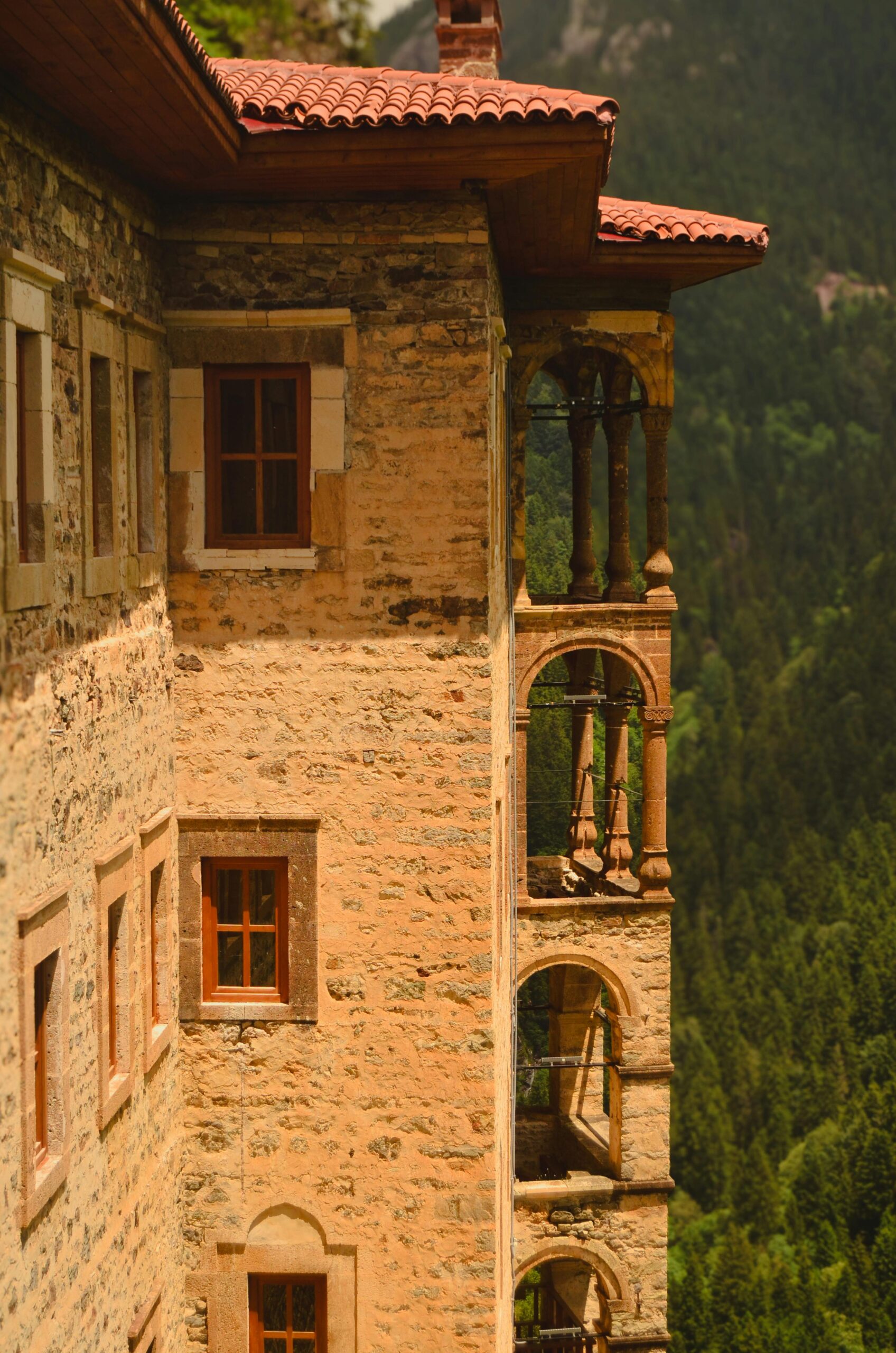
Why Most Visitors to Meteora Miss the Spiritual Weight of the Monasteries is a question rooted in traveler assumptions about what a visit should be. Many arrive expecting a visual spectacle, unaware that without context the profound monastic history and spiritual gravity remain invisible. This gap between expectation and reality creates a common pattern of superficial engagement that leaves visitors unfulfilled.
Why Most Visitors to Meteora Miss the Spiritual Weight of the Monasteries
The Psychological Pattern: Visual Consumption Over Contextual Engagement
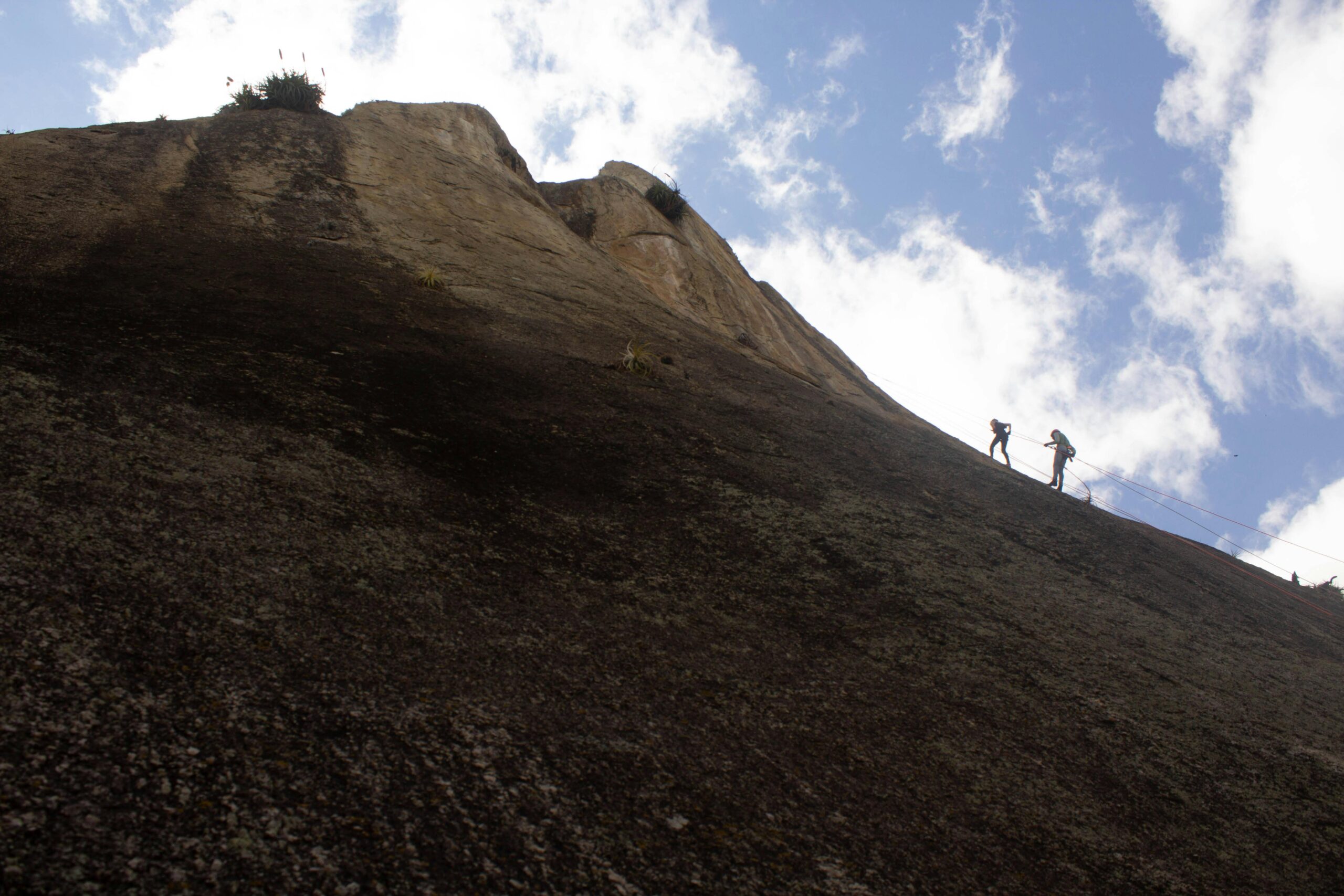
Visitors to Meteora often treat the monasteries as photo opportunities rather than places with living spiritual significance. This pattern stems from a broader travel mentality: prioritizing visual highlights over deeper meaning. The dramatic cliffs and monastery silhouettes dominate Instagram feeds, conditioning travelers to focus on the image rather than the experience beneath it.
Why Travelers Choose the Surface Experience
The rush to capture iconic shots is driven by a cultural shift toward quick, consumable travel moments. Most visitors allot limited time for Meteora, turning it into a checklist destination. The assumption is that the monasteries’ importance lies in their architecture and location, not the centuries of monastic practice, asceticism, and religious devotion that define their essence.
The Emotional Gap: Expectation vs Reality
The emotional gap opens when visitors realize the visit is more than a scenic stop but feel unprepared to engage with the spiritual history. Instead of awe or reflection, they often experience confusion or indifference. This gap widens when tourists encounter monastery rules and solemnity, which clash with their casual sightseeing expectations.
The Moment of Disappointment
Disappointment usually hits when a traveler, having rushed through the site, finds the monasteries closed for religious reasons or restricted by strict visitor guidelines. At that moment, the realization dawns: Meteora isn’t just a backdrop for photos but a living religious community. The lack of preparation for this reality turns what could be a meaningful encounter into frustration.
Traveler Types Most Prone to This Pattern
Day-trippers and social media-driven travelers are the most susceptible. They often arrive without deeper research or respect for the site’s spiritual dimension. Group tours with tight schedules exacerbate this, leaving little room for reflection or understanding. Those seeking a quick tick on their Greece itinerary are unlikely to connect beyond the surface.
Why Most Visitors to Meteora Miss the Spiritual Weight of the Monasteries: A Necessary Reframe
The key to avoiding this common trap is shifting from a visual checklist mindset to one of contextual curiosity. Recognizing that Meteora’s monasteries are active religious sites with centuries-old traditions changes the approach entirely. This means setting aside time to understand the monastic lifestyle, local religious history, and the significance of the site within Orthodox Christianity. That preparation transforms the visit from a snapshot stop to an encounter with living history.
For those interested in deepening their understanding, official resources like the
Greek Ministry of Culture provide valuable background. Moreover, connecting the experience with broader Greek heritage, such as what is presented at the Acropolis Museum, helps situate Meteora within the spiritual landscape of Greece. This framework is what separates a meaningful visit from a missed opportunity.
Conclusion
Greece doesn’t punish inexperience. It punishes unexamined assumptions. The travelers who leave disappointed rarely lacked information — they lacked a framework for using it.
Frequently asked questions
Why do many visitors only see Meteora as a photo opportunity?
Most visitors approach Meteora with the goal of capturing iconic images, influenced by social media and limited time. This focus on visuals overshadows the deeper spiritual and historical context of the monasteries.
What makes the monasteries at Meteora spiritually significant?
The monasteries are active religious communities with centuries of ascetic practice and Orthodox Christian tradition, making them living symbols of spiritual endurance rather than just architectural landmarks.
When do visitors usually realize they misunderstood Meteora’s significance?
Disappointment often occurs upon encountering monastery access restrictions or when rushing through without understanding the site’s religious importance, highlighting the gap between expectation and reality.
Which traveler profiles are most likely to miss the spiritual weight of Meteora?
Day-trippers, travelers on tight schedules, and those influenced primarily by social media imagery tend to miss the deeper experience because they prioritize convenience and visuals over context.
How can I prepare to experience Meteora’s spiritual dimension properly?
Allocate sufficient time, research the monastic history beforehand, respect visitor rules, and consider reading materials or official resources like those from the Greek Ministry of Culture to build a framework for understanding.
Are there guided tours that focus on the spiritual history of Meteora?
Yes, some specialized guided tours emphasize the religious and historical context rather than just sightseeing, offering a more comprehensive and respectful experience.
Does visiting Meteora outside peak tourist times help with the spiritual experience?
Visiting during off-peak hours or seasons reduces crowds and noise, allowing for more reflection and a quieter atmosphere that better aligns with the monasteries’ spiritual nature.