

Why Planning a Trip to Meteora Without a Local Expert Is a Massive Mistake is something too many visitors learn the hard way. Meteora’s unique landscape and deep spiritual heritage create complexities that only local insight can navigate without wasting time or missing critical experiences.
Ignoring expert guidance often results in poorly sequenced visits and overlooks the nuances that define Meteora beyond the usual tourist checklist.
Why Planning a Trip to Meteora Without a Local Expert Is a Massive Mistake
Common Misconceptions That Undermine Your Meteora Experience
Travelers often assume Meteora is simply a collection of monasteries perched on rocks and that any guide or map will suffice. The reality is that the monasteries vary drastically in access, opening hours, and spiritual atmosphere. Many visitors waste hours lining up at sites they don’t connect with, ignoring lesser-known monasteries that offer a more authentic experience.
Another mistake is underestimating the terrain. Meteora’s geography is challenging, with steep paths and uneven surfaces that require more than casual planning. Those without local advice frequently schedule too many visits in one day, leading to exhaustion and superficial visits.
Key Sites and Neighborhoods You Must Know
Meteora is not a monolith. The villages of Kalambaka and Kastraki serve as gateways but offer very different atmospheres. Kalambaka is more commercial and congested, while Kastraki maintains a quieter, more traditional feel.
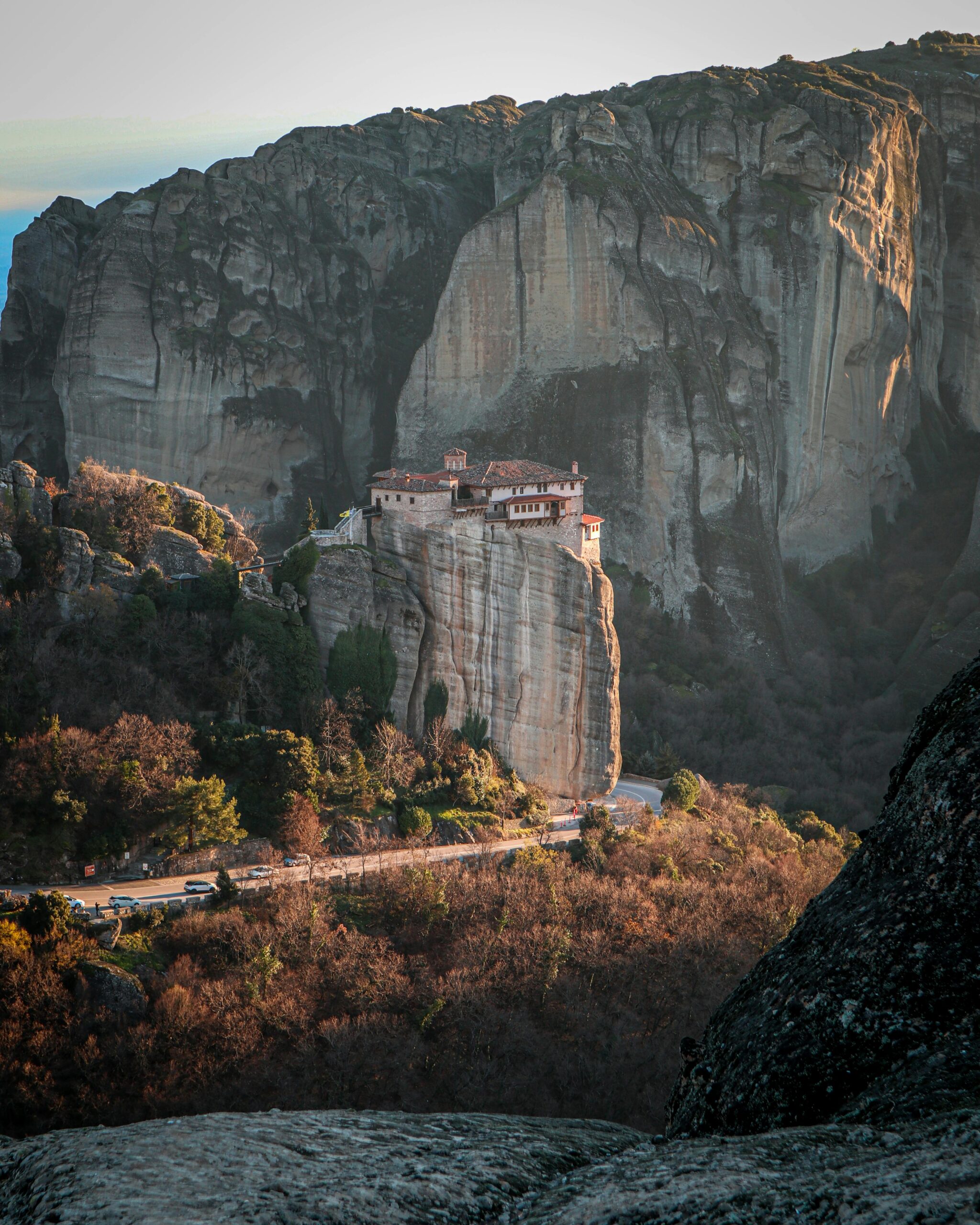
The main monasteries include Great Meteoron, Varlaam, Roussanou, St. Nicholas Anapausas, and Holy Trinity. Each one requires a distinct approach: Great Meteoron demands early arrival to avoid crowds; Varlaam has a steep climb that many underestimate; Roussanou is more accessible but less spiritually intense; Holy Trinity is remote and requires careful timing. Without a local expert’s insight, travelers often pick the wrong monasteries for their interests and physical fitness.
Who This Suits — And Who Should Look Elsewhere
Meteora suits travelers with moderate physical fitness, a genuine interest in Orthodox spirituality or geology, and a preference for slow, deliberate travel. It is not suitable for those seeking a simple day-trip checklist or luxury comfort without compromise. Families with very young children or travelers with mobility issues will find the terrain and monastery access challenging unless they have specialized support.
A Counterintuitive Reality: More Monasteries, More Confusion
Most visitors believe that visiting more monasteries equals a richer experience. The truth is the opposite. Meteora’s spiritual depth comes from quiet reflection and understanding the history behind each site. Trying to cover all six active monasteries in a single day leaves no time for meaningful engagement. Local experts will advise you to focus on two or three monasteries that align with your interests, maximizing the quality of your visit rather than the quantity.
Why Planning a Trip to Meteora Without a Local Expert Is a Massive Mistake: The Planning Perspective
Only a local expert can align your schedule with monastery opening hours, which shift seasonally and can be affected by religious holidays. Misjudging these timings leads to locked gates and wasted travel time. Additionally, understanding the optimal sequence of visits reduces backtracking through steep terrain, a frequent complaint among independent travelers.
Local experts also provide insight into lesser-known trails and viewpoints that most tourists miss but which offer the best perspective on Meteora’s geology and history. Without this guidance, visitors gravitate toward overcrowded spots, diminishing the experience.
Trade-Offs: What You Gain and What You Give Up
Using a local expert means you gain efficient navigation of Meteora’s complex geography, insider access to cultural insights, and tailored recommendations that respect your physical limits and interests. The trade-off is relinquishing some spontaneity and the freedom to improvise, which can be frustrating for travelers used to independent exploration.
Conversely, traveling without expert help offers complete control but often results in inefficient itineraries, missed spiritual depth, and physical exhaustion. Most travelers underestimate how much time and patience Meteora requires, leading to a trip that feels rushed and superficial.
Understanding Meteora in Context
Meteora’s spiritual sites are part of a living religious tradition overseen by the Greek Ministry of Culture. For official information on monastery preservation and religious events, the
Ministry of Culture provides authoritative resources. Additionally, for broader context on Greece’s heritage, Visit Greece offers insights that help frame Meteora within the country’s cultural landscape.
Conclusion
Greece rewards travelers who arrive with a plan built around how they actually travel — not a generic template. The difference between a frustrating trip and a remarkable one often comes down to sequence, timing, and knowing which trade-offs matter for your situation.
Recommended experiences
Some experiences mentioned here are curated and managed by Elite Greece Travels.
- Greece 7 Day Itinerary Athens Delphi Meteora Santorini — Itinerary (managed by Elite Greece Travels).
- Athens Meteora Olympia Delphi Itinerary 7 Days — Itinerary (managed by Elite Greece Travels).
- Athens Meteora Santorini Itinerary 7 Days — Itinerary (managed by Elite Greece Travels).
Frequently asked questions
Can I visit Meteora monasteries without a guide?
You can visit independently, but without local guidance, many travelers struggle with timing, access restrictions, and understanding the site’s significance, which reduces the quality of the experience.
What is the best time of year to visit Meteora?
Spring and early autumn offer mild weather and fewer crowds. Summer can be hot and crowded, while some monasteries close or limit hours during religious holidays.
Are all Meteora monasteries open every day?
No, each monastery has specific opening days and hours that vary seasonally and religiously. Local experts track these details to prevent wasted visits.
Is Meteora suitable for travelers with mobility issues?
Most monasteries require climbing steps and navigating steep paths, making access difficult without assistance. Specialized tours can sometimes accommodate these needs.
Why do some travelers feel rushed when visiting Meteora?
Trying to visit too many monasteries in one day, ignoring terrain challenges and opening hours, leads to a rushed and tiring experience without meaningful engagement.
How does local expertise improve the Meteora experience?
Local experts optimize your itinerary for timing, physical demands, and spiritual interests, and introduce you to viewpoints and lesser-known sites that enrich your visit.
Are there alternative activities around Meteora besides monastery visits?
Yes, hiking trails, rock climbing, and exploring the villages of Kalambaka and Kastraki offer cultural and natural experiences that complement the monasteries.