


Why First-Time Visitors to Peloponnese Get Its Scale and History All Wrong is no accident. Many travelers expect a compact, easily digestible region but instead face sprawling archaeological sites and diverse landscapes that demand more time and effort.
Understanding Peloponnese’s true scale and historical complexity is essential to avoid wasted days and mismatched expectations. This article breaks down the realities behind the common misconceptions.
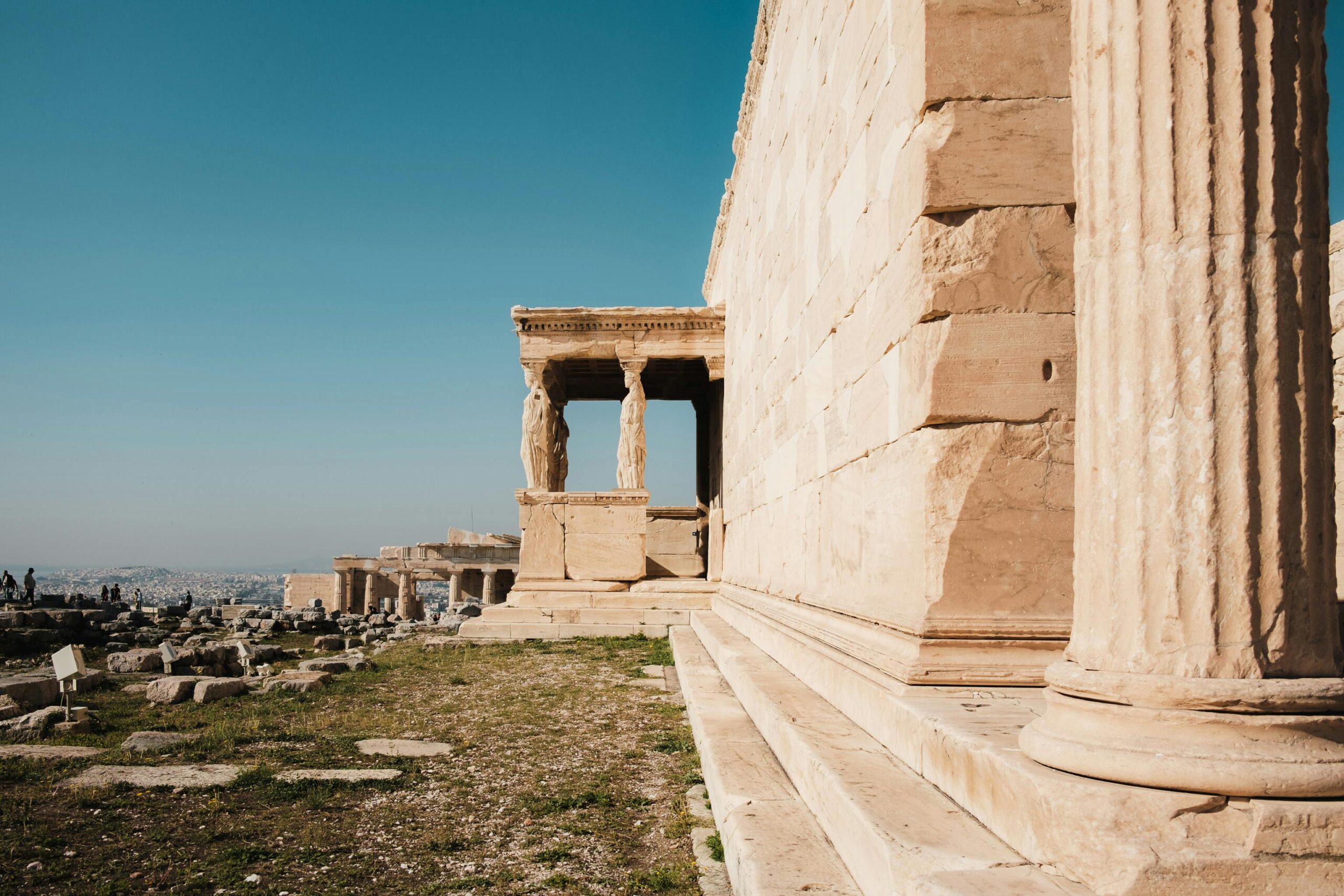
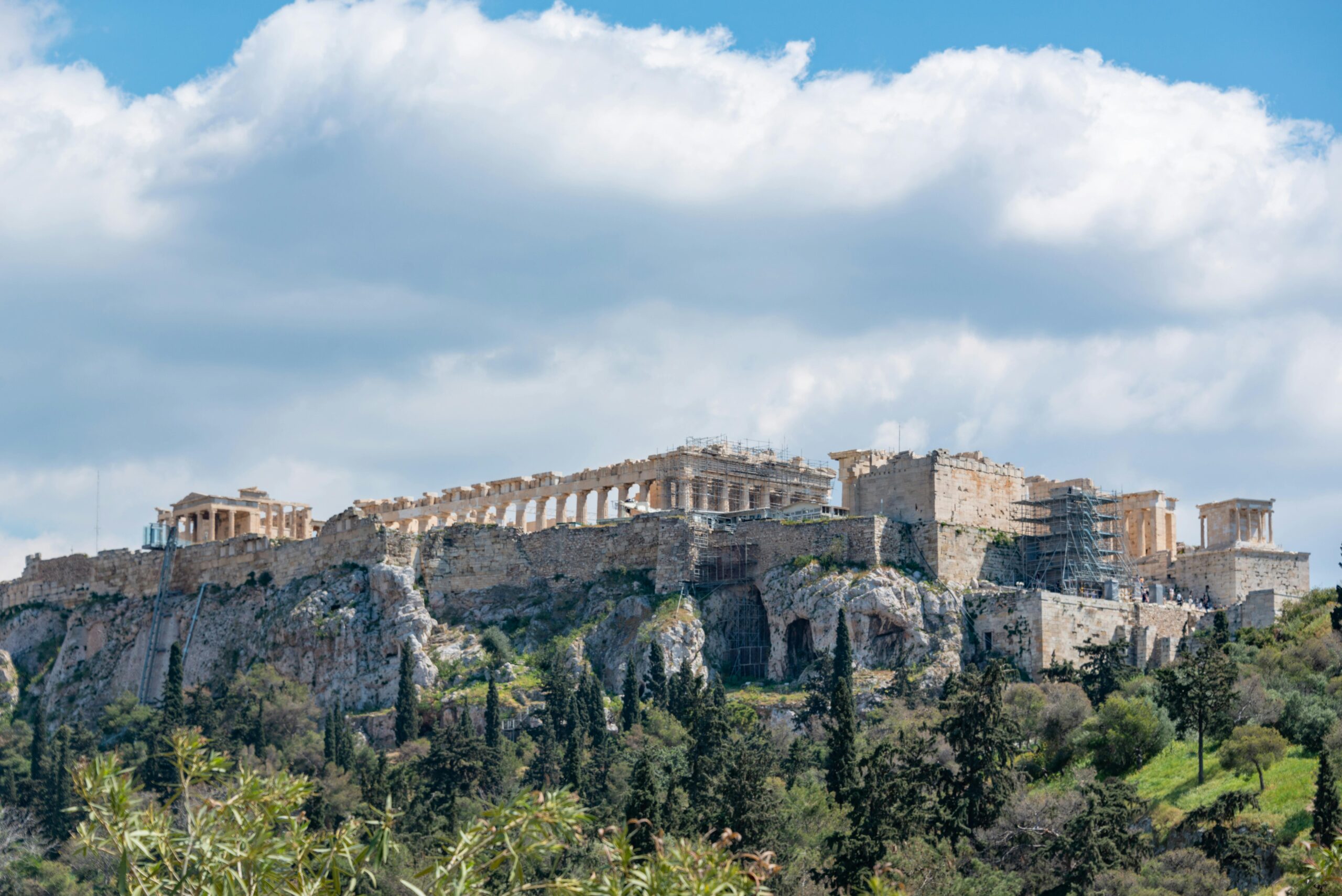
Why First-Time Visitors to Peloponnese Get Its Scale and History All Wrong
Direct Answer: The Peloponnese Is Vast and Historically Layered Beyond First Impressions
First-time visitors often mistake the Peloponnese for a single, easily traversable island with a uniform historical narrative. In reality, it is a peninsula roughly the size of Belgium with multiple distinct regions, each with its own archaeological sites, historical periods, and cultural identities. Expecting to see its most significant landmarks in a few days leads to superficial visits and missed context.
Decision Logic: When to Choose Peloponnese and When Not To
Choose Peloponnese if you have at least a week and want an immersive dive into ancient Greek history beyond Athens and Crete. It rewards travelers interested in Classical, Byzantine, and Ottoman layers, combined with varied landscapes from mountains to coastline. Avoid Peloponnese if your schedule is tight or if you prefer a single-type experience like just beaches or just ancient ruins. The distances between major sites and towns require careful time allocation.
Trade-Off Matrix: How Travel Style, Season, and Interests Affect Your Experience
Season matters. Summer crowds concentrate around coastal towns, but inland archaeological sites remain quieter off-season — though some sites have reduced opening hours. Independent travelers who drive gain flexibility but must prepare for challenging rural roads. Group tours often rush through multiple sites, glossing over the historical depth that deserves days. History buffs should prioritize fewer regions deeply, while casual visitors may prefer focusing on one area to avoid fatigue.
Most Travelers Assume Peloponnese Is a Compact Historical Area, But Actually It Spans Thousands of Years and Hundreds of Kilometers
Many first-timers underestimate the peninsula’s scale and the diversity of its historical periods. From Mycenaean fortresses to Byzantine castles and Ottoman-era towns, Peloponnese is not a single story but a patchwork of timelines and geographies. This misconception causes travelers to cram too much into brief visits, leaving them with fragmented impressions rather than a coherent understanding.
Why First-Time Visitors to Peloponnese Get Its Scale and History All Wrong: Common Friction Points
Travelers often waste precious time underestimating travel distances between sites like Epidaurus, Mycenae, and Olympia. Public transport options are limited, so attempts to rely on buses can mean full days lost. Rushing through multiple archaeological sites yields little insight because each requires dedicated time to appreciate its significance fully. Additionally, the region’s landscape variability—from mountainous interiors to coastal plains—means climate and accessibility can shift dramatically, complicating logistics.
Strategic Tips for Common Traveler Scenarios
If you are a history-focused visitor with a flexible schedule, allocate at least three days to the northern Argolid alone, and another two days to Messenia or Laconia for a balanced experience. For travelers on a week-long trip combining beach and culture, focus on one or two adjacent regions rather than trying to cover the whole peninsula. Families and casual tourists should temper expectations about seeing ‘all the ruins’ and prioritize accessible sites with visitor facilities.
Additional Context: Official Resources to Deepen Understanding
To prepare adequately, consult reliable sources like the
Hellenic Ministry of Culture for site-specific information and updates. The official tourism portal provides practical details on regional events and transportation, which can affect your itinerary planning.
Conclusion
Greece has a way of rewarding travelers who ask the right questions before they arrive. The travelers who leave disappointed usually asked the wrong ones — or didn’t ask at all.
Frequently asked questions
Is the Peloponnese easy to explore in just two or three days?
No. The Peloponnese is large and its key historical sites are spread out. Two to three days only allow for a superficial visit to a small area, missing much of the region’s complexity.
What is the best time of year to visit the Peloponnese for history and culture?
Spring and autumn offer the best balance of pleasant weather and fewer crowds, allowing more comfortable exploration of archaeological sites and towns.
Can I rely on public transportation to visit major archaeological sites in the Peloponnese?
Public transport is limited and often infrequent, especially to remote sites. Renting a car is strongly recommended for flexible and efficient travel.
Are the archaeological sites in Peloponnese suitable for families with children?
Some sites have uneven terrain and minimal facilities, which can be challenging for families with young children. Selecting well-maintained locations with visitor centers is advisable.
Is it better to visit all regions of the Peloponnese or focus on just one or two?
Focusing on one or two regions allows a deeper experience. Trying to cover the entire peninsula in one trip often results in rushed visits without meaningful insight.
Does the Peloponnese offer more than ancient ruins for visitors interested in culture?
Yes. The region includes Byzantine churches, Ottoman towns, local culinary traditions, and diverse landscapes that enrich the cultural context beyond classical antiquity.
Where can I find official and updated information about Peloponnese sites?
The Hellenic Ministry of Culture website (https://culture.gov.gr/en/) and the official Greek tourism site (https://visitgreece.gr/) provide reliable updates on opening hours, events, and travel advice.