

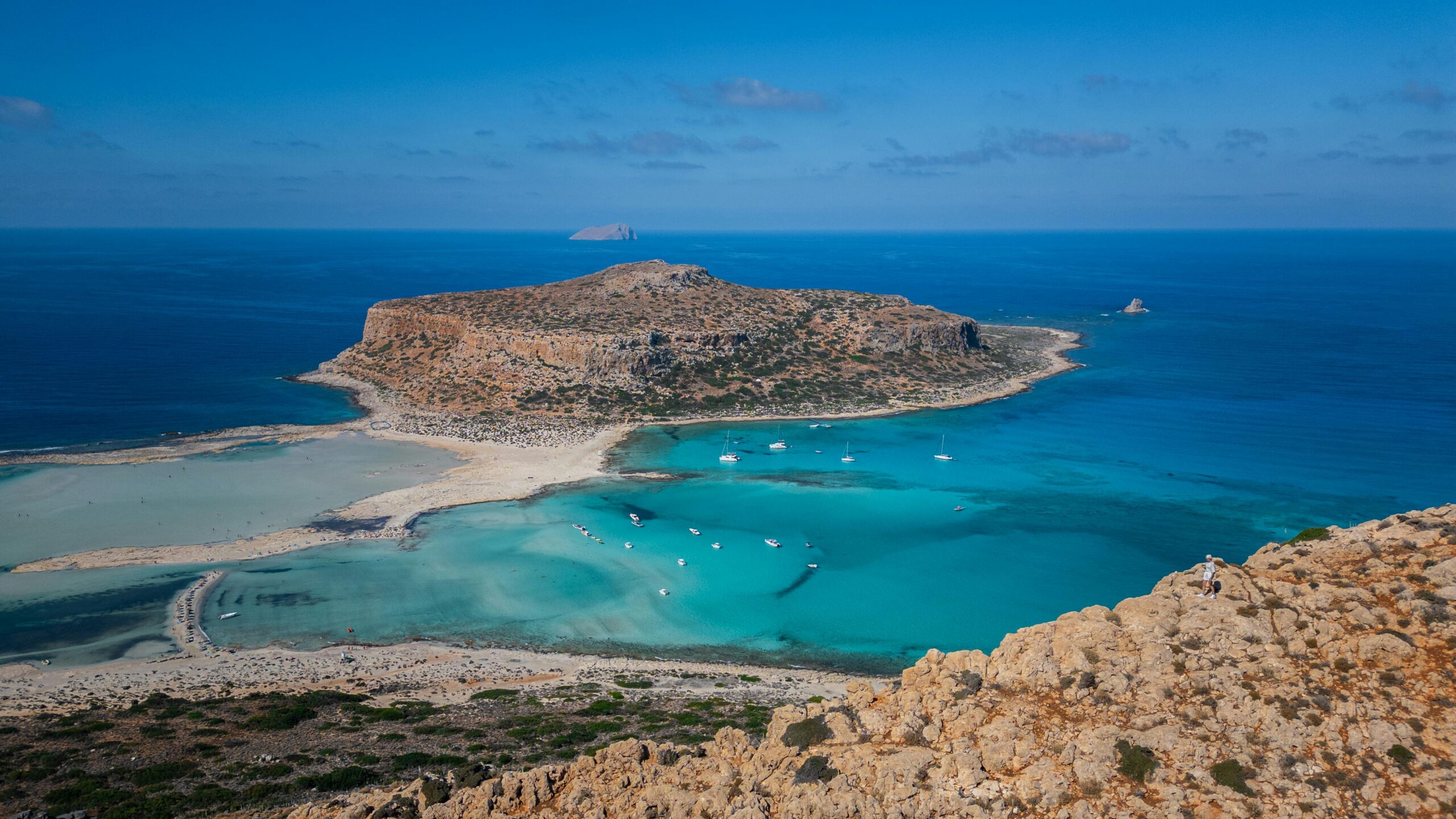
Why Crete’s Wild South Coast Defies Tourist Expectations—and Demands Local Guidance is a question many travelers face when venturing beyond the island’s polished north. This region offers raw landscapes and unfiltered experiences that do not conform to the usual easy-access tourist model. Without local insight, visitors risk frustration, missed opportunities, and logistical headaches.
Why Crete’s Wild South Coast Defies Tourist Expectations—and Demands Local Guidance
Understanding the Harsh Realities Behind the Wild South Coast
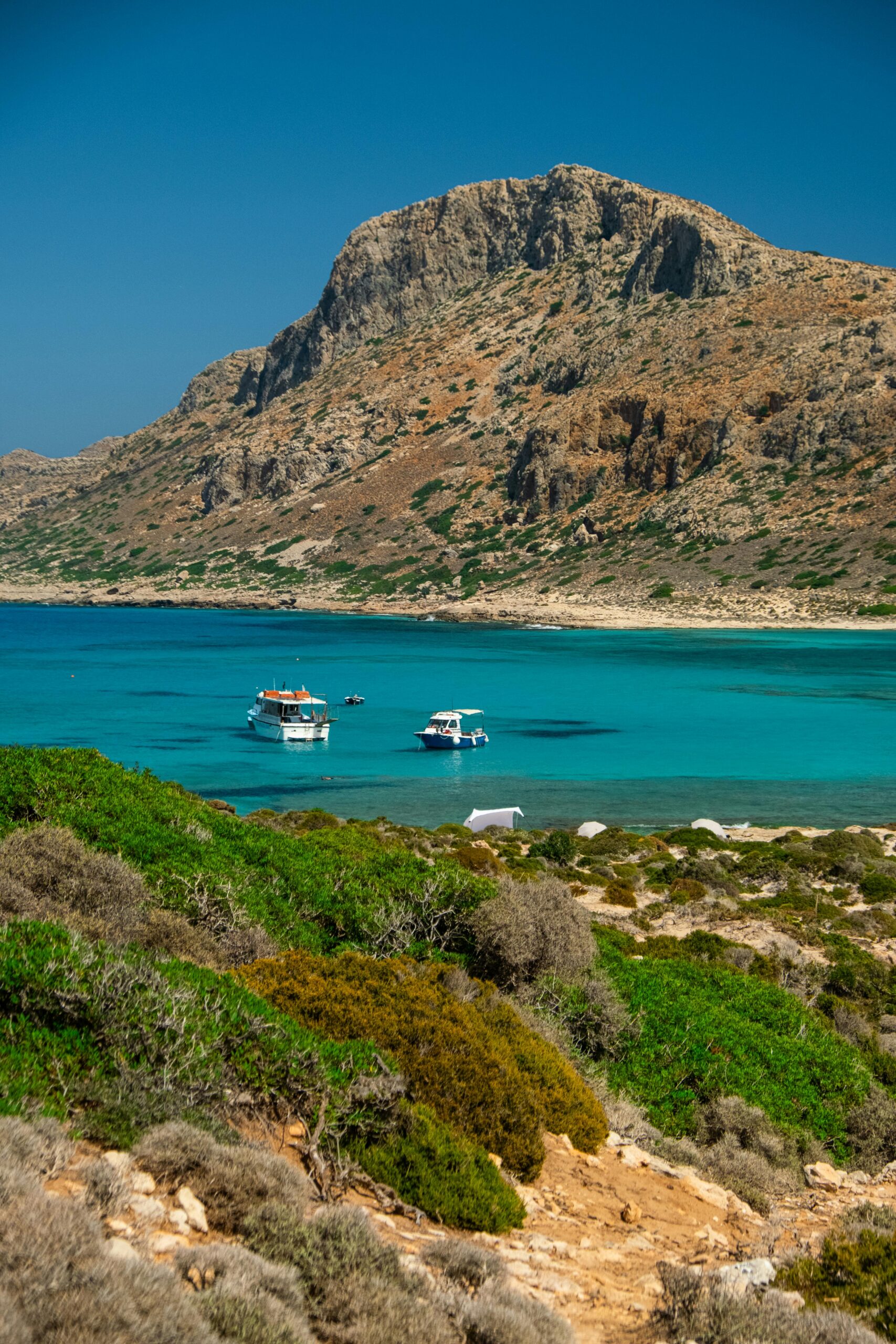
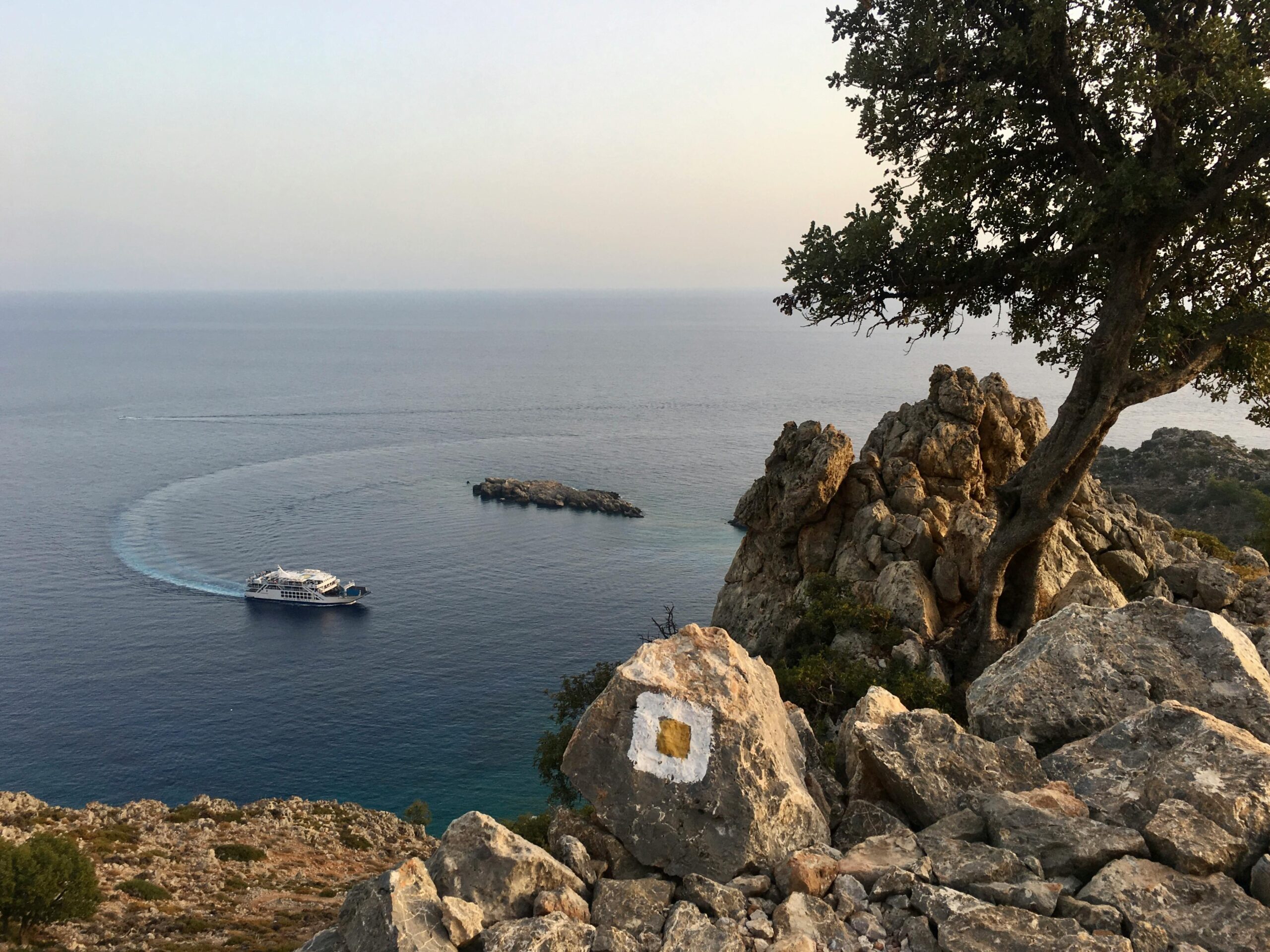
The south coast of Crete is not like the well-trodden north. Roads are narrow, often unpaved, and services sparse. Many travelers assume they can navigate this area with the same ease as the main tourist hubs, but this misjudgment leads to wasted time and discomfort. The coastline is rugged, with dramatic cliffs, secluded beaches, and small villages that have not adapted to mass tourism. This is an environment where local knowledge is not a luxury but a necessity.
When to Choose Crete’s Wild South Coast—and When to Avoid It
Choose the south coast if you want an authentic, off-the-grid experience and are prepared for infrastructure challenges. It suits travelers who value natural landscapes over amenities and are comfortable with limited services and rough roads. Avoid this region if your trip prioritizes convenience, luxury accommodations, or easy access to nightlife and organized tours. The south coast is not designed for casual sightseers or families with young children who need predictable logistics.
Trade-Offs by Traveler Type, Season, and Travel Style
Travelers expecting polished beaches and straightforward access will find the south coast demanding. Summer months bring heat and occasional tourist influx, but even then, facilities remain basic. Off-season visits expose travelers to unpredictable weather and fewer open businesses. Independent travelers with experience driving in challenging terrain benefit most. Group travelers or those relying on public transport will encounter frustrating delays and limited options.
Most Travelers Assume Easy Access Means Easy Experience—They’re Wrong
Many believe that because Crete is a popular island, its south coast will be similarly accessible. The truth is that the south coast’s remoteness and lack of development translate into real travel obstacles. Roads can be impassable after rain, and mobile coverage is spotty. Without local guidance or a driver familiar with the terrain, visitors risk missing key sites or spending hours on detours. This is a place where informed planning can be the difference between a memorable day and a wasted one.
The Critical Role of Local Guidance on Crete’s Wild South Coast
Local guides and drivers provide more than directions; they offer access to hidden spots, context about the area’s cultural and natural history, and practical advice on timing and safety. Their knowledge turns a potentially frustrating journey into a rewarding experience. For example, knowing which village tavern is open only certain days or which beach is reachable only at low tide can transform your visit. The Ministry of Culture’s website offers official insights but cannot replace boots-on-the-ground experience.
Balancing Expectations: What You Gain and What You Sacrifice
Travelers who commit to the south coast’s challenges gain solitude, authentic culture, and landscapes untouched by mass tourism. The trade-off is lower comfort and more complex logistics. This area is not about convenience but about discovery. For those unwilling to accept these trade-offs, the north coast remains a safer bet. For those who want to push beyond, partnering with local experts is essential.
Final Considerations for Different Traveler Scenarios
Solo travelers experienced in rugged environments will find the south coast rewarding but should still consider local advice. Families with children or travelers on tight schedules should reconsider this region to avoid undue stress. Couples looking for privacy and natural beauty can benefit greatly from guided tours. Planning with a trusted local partner ensures your trip aligns with the realities on the ground, avoiding common pitfalls and enabling you to enjoy the authentic Crete that the south coast offers. For additional official travel guidelines and updates,
Visit Greece is a reliable resource.
Conclusion
Greece has a way of rewarding travelers who ask the right questions before they arrive. The travelers who leave disappointed usually asked the wrong ones — or didn’t ask at all.
Frequently asked questions
Is the south coast of Crete accessible by public transportation?
Public transportation on Crete’s south coast is extremely limited and infrequent. Most travelers rely on private vehicles or local guides to navigate this area effectively.
Are there luxury accommodations on Crete’s wild south coast?
Luxury options are scarce on the south coast. Expect basic lodging and guesthouses rather than upscale hotels, reflecting the region’s undeveloped nature.
Can I explore the south coast independently without a guide?
While possible, independent exploration often results in logistical difficulties and missed opportunities due to poor road conditions and lack of signage. Local guidance is strongly recommended.
What time of year is best to visit the south coast?
Late spring and early autumn offer the best balance of weather and reduced crowds. Summer can be very hot with some influx of tourists but still limited infrastructure.
Are the beaches on Crete’s south coast suitable for families with children?
Many beaches are remote with rough terrain and limited facilities, making them less suitable for families with young children seeking convenience and amenities.
What are common misconceptions about Crete’s south coast?
Many assume it is as accessible and tourist-friendly as the north, but the south coast is rugged, less developed, and requires preparation and local insight to navigate successfully.
How does local guidance enhance the experience on the south coast?
Local guides provide critical knowledge of hidden spots, safety considerations, and cultural context that transforms a challenging trip into a rewarding one.