


Crete Is Not One Island Experience, and Planning It Like One Is a Mistake is the first thing I tell people who want to “see Crete” in a single trip. Crete is not a compact island you can treat as one neat base with a few day trips. It is a large, uneven place with very different coastlines, cities, food cultures, and pacing, and if you plan it like a small island, you usually end up with too much driving, too little time in the right places, and a trip that feels fragmented.
The mistake is not wanting variety. The mistake is assuming all of Crete delivers the same kind of experience. It does not, and that is exactly why Crete Is Not One Island Experience, and Planning It Like One Is a Mistake matters for anyone who wants the trip to feel coherent rather than improvised.
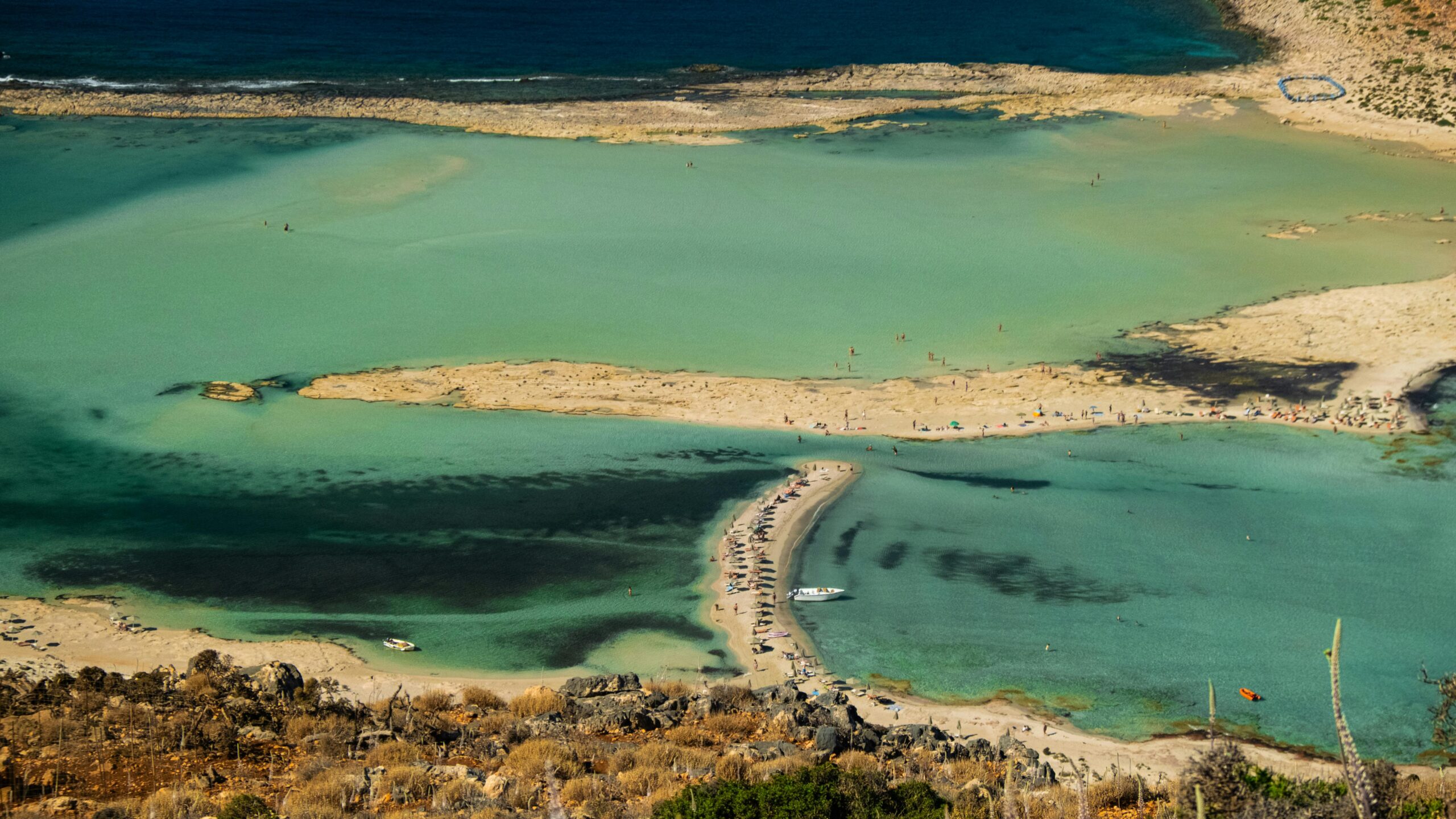
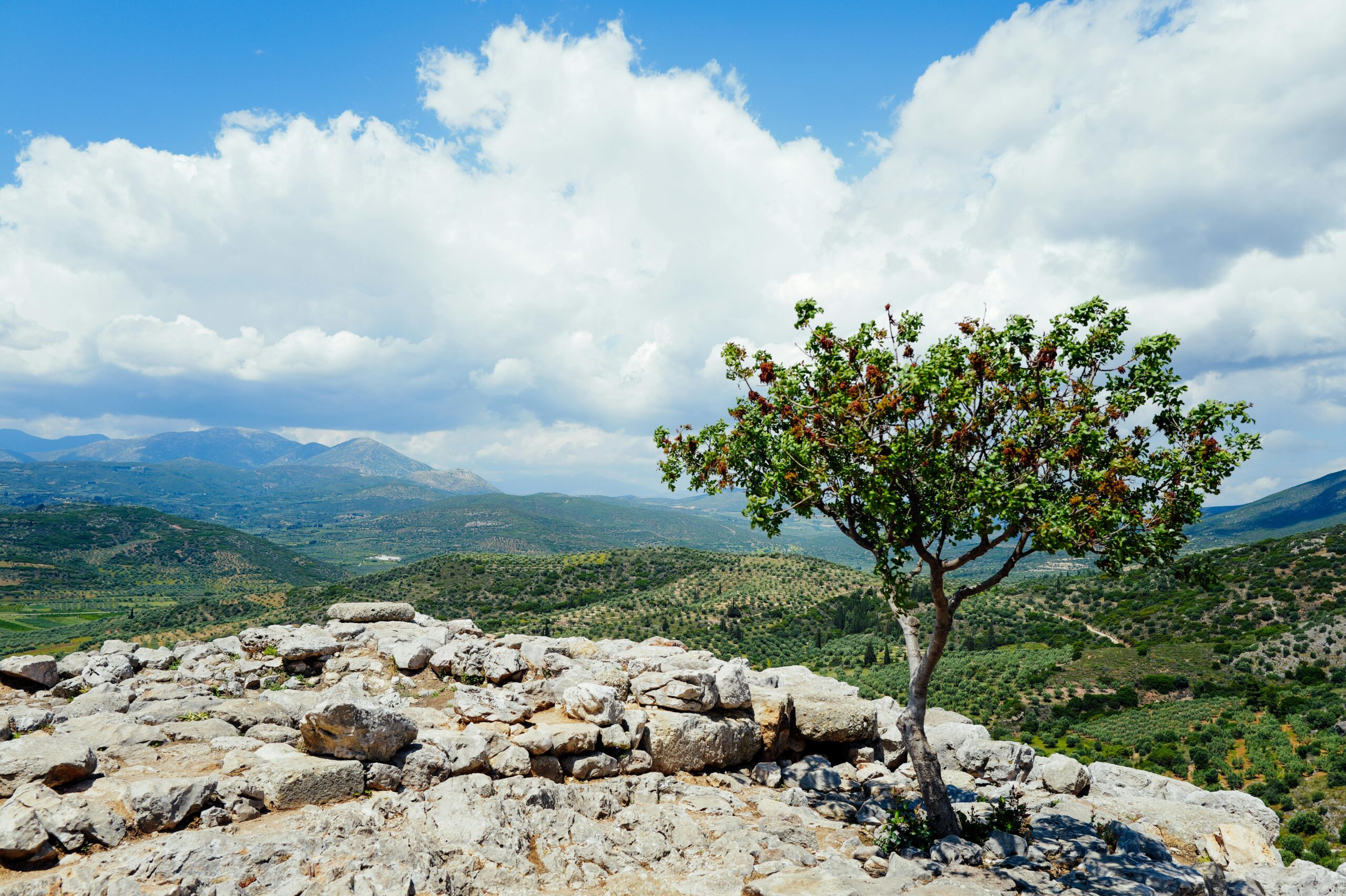
Crete Is Not One Island Experience, and Planning It Like One Is a Mistake
Crete is the kind of destination that punishes lazy planning. People arrive with one mental image of the island, then discover that Chania, Rethymno, Heraklion, and the south coast are not interchangeable in feel, pace, or appeal. If you want a trip that works, you need to choose a side of Crete, not just a hotel.
Crete Is Not One Island Experience, and Planning It Like One Is a Mistake
This is not a slogan. It is the practical reality of a place where distance matters, road time matters, and the quality of your trip changes fast depending on where you stay. A traveler who wants old-town atmosphere, food, and easy evenings will not be happy making a base decision the same way as someone chasing beaches, hiking, or a more local-feeling coast.
Crete Is Not One Island Experience, and Planning It Like One Is a Mistake because the island is broad enough to create real regional differences. Western Crete feels different from eastern Crete. The north coast does not behave like the south coast. Even within the same town, the experience shifts depending on whether you are in the center, on the waterfront, or in a resort strip built for package travel.
What travelers consistently get wrong
The first mistake is trying to “do Crete” with too many stops. People see names on a map and assume each one deserves a night or two. In practice, that often creates a trip spent checking in, checking out, and moving luggage instead of actually living anywhere.
The second mistake is choosing a base for the wrong reasons. Travelers book a place because it looks pleasant online, then realize they are too far from the kind of evening they wanted. A polished resort area can be useful for a beach-forward holiday, but if you wanted walkable streets, good dining, and a sense of place, you may end up in the wrong part of the island entirely.
The third mistake is underestimating how much the island’s scale changes the planning math. Crete is not a place where you casually “pop over” to see the other side of the island for lunch and be back in time for a relaxed evening. That assumption creates rushed days, bad timing, and a trip that feels like a series of obligations.
Where Crete actually feels different
Chania Old Town is the obvious starting point for travelers who want atmosphere, dining, and a strong sense of place. It is also one of the easiest places to overbook, because people assume the old town alone is enough for a full week. It is not, unless your trip is deliberately slow and centered on food, waterfront evenings, and short excursions.
Rethymno tends to suit travelers who want a more balanced base. It is less polished than some people expect and more practical than the glossy photos suggest. That is a good thing if you want a town that feels lived in rather than curated for visitors.
Heraklion is often dismissed too quickly, which is a mistake. It is not the prettiest base on the island, but it is useful for travelers who care more about museums, urban energy, and access to serious cultural sites than about postcard streets. If you want a trip with substance, not just scenery, Heraklion deserves more respect than it gets.
Elounda is for a very specific kind of traveler: one who wants comfort, polish, and a quieter luxury setting. People who choose it for “Crete in general” can be underwhelmed, because the appeal here is controlled and resort-led. That is not a flaw if you know what you are buying.
Matala and the south coast attract travelers who want a looser, less packaged feel. The trade-off is simple: you gain a more relaxed atmosphere and a different coastline, but you give up convenience and easy variety. If you want to stay in one place and still feel the island changing around you, this is one of the few areas where that can happen without the trip becoming chaotic.
Agios Nikolaos works for travelers who like a neat, compact waterfront town with a calmer pace. It is not the right choice for everyone, and that is the point. Crete is not one island experience, and planning it like one is a mistake because each of these places serves a different type of holiday.
The counterintuitive truth about Crete
The surprising thing is that a shorter, better-placed Crete trip often feels richer than a longer, overextended one. Travelers assume more nights automatically mean more of the island, so they scatter themselves across too many bases. In reality, one well-chosen region can give you a stronger experience than trying to sample every corner and ending up tired, boxed in by timing, and detached from any real rhythm.
This is where expert itinerary design matters. The right plan is not about squeezing in more names; it is about deciding what kind of Crete you actually want. If that means skipping famous places that do not fit your style, that is not a loss. It is the difference between a coherent trip and a noisy one.
Who this suits
Crete suits travelers who like variety but do not need constant novelty. It works well for couples, food-focused travelers, repeat Greece visitors, and anyone who wants a destination with real regional character rather than one uniform resort mood. It also suits people who are comfortable making a clear choice about their base instead of expecting one hotel to solve everything.
- Best for: travelers who want culture, food, beaches, and a sense of scale
- Best for: couples and adults who can appreciate different pacing by region
- Best for: repeat visitors to Greece who want something more layered than a simple island break
- Not ideal for: travelers who dislike moving beyond one walkable area
- Not ideal for: families who want very short, simple logistics and minimal planning
- Not ideal for: first-timers who want a tiny-island feel with everything close together
If you want one base, one beach, and zero decision fatigue, Crete can frustrate you. If you want a destination with enough range to build a trip around your actual travel style, it can be excellent. The wrong expectation is what causes disappointment, not the island itself.
What you gain, and what you give up
The gain is obvious: depth, range, and the chance to build a trip that feels substantial. Crete can give you old towns, serious food, strong cultural sites, and different coastal moods in one island. That is a real advantage for travelers who want more than a simple beach stay.
The trade-off is equally real: you give up simplicity. Crete asks for decisions, and bad decisions are expensive in time. If you ignore that, you end up with a plan that looks efficient on paper and feels scattered in practice.
For travelers who want to understand the island properly, a little research goes a long way. Cultural context matters here, and official sources such as
Visit Greece and the Hellenic Ministry of Culture can help you separate the meaningful places from the ones that only look good in a search result.
How to think about Crete before you book
Start by deciding what kind of trip you want to have, not which places sound familiar. A beach-led holiday, a culture-led trip, and a food-and-town trip will not use Crete in the same way. That is why generic planning so often fails here.
Crete Is Not One Island Experience, and Planning It Like One Is a Mistake because the island rewards clear priorities. Choose the region that fits your style, accept the trade-offs, and stop trying to force every famous name into the same itinerary. That is how the trip becomes coherent instead of rushed.
Greece rewards travelers who arrive with a plan built around how they actually travel — not a generic template. The difference between a frustrating trip and a remarkable one often comes down to sequence, timing, and knowing which trade-offs matter for your situation.
FAQ
Recommended experiences
Some experiences mentioned here are curated and managed by Elite Greece Travels.
- Best Of Greece Athens Paros Crete 7 Day Itinerary 6 Nights — Itinerary (managed by Elite Greece Travels).
- Athens Mykonos Santorini Crete Itinerary 9 Days — Itinerary (managed by Elite Greece Travels).
- Athens Santorini Crete Itinerary 7 Days — Itinerary (managed by Elite Greece Travels).
Frequently asked questions
Is Crete too large to visit on one trip?
No, but it is large enough that you need to choose a side or a clear focus. Trying to treat the whole island as one compact destination usually creates rushed days and weak base choices.
What do travelers get wrong most often about Crete?
They overpack the itinerary and choose accommodation without thinking about the kind of holiday they actually want. That leads to too much movement and not enough time in the right place.
Which part of Crete is best for a first-time visitor?
For many first-timers, Chania or Rethymno works best because both offer a strong town base and enough nearby variety. The better choice depends on whether you want more atmosphere or a more balanced, practical feel.
Is Heraklion worth staying in?
Yes, if your priorities include culture, museums, and a more urban setting. No, if you want a pretty old-town base and a slow waterfront mood.
Can you do Crete as a beach holiday only?
Yes, but that is a narrow way to use the island. Crete gives you more than beaches, and if you ignore that, you may miss the part that makes the trip feel substantial.
Why does expert itinerary planning matter so much in Crete?
Because the island’s scale and regional differences make generic planning unreliable. A good plan reduces wasted movement and keeps the trip aligned with how you actually want to travel.