

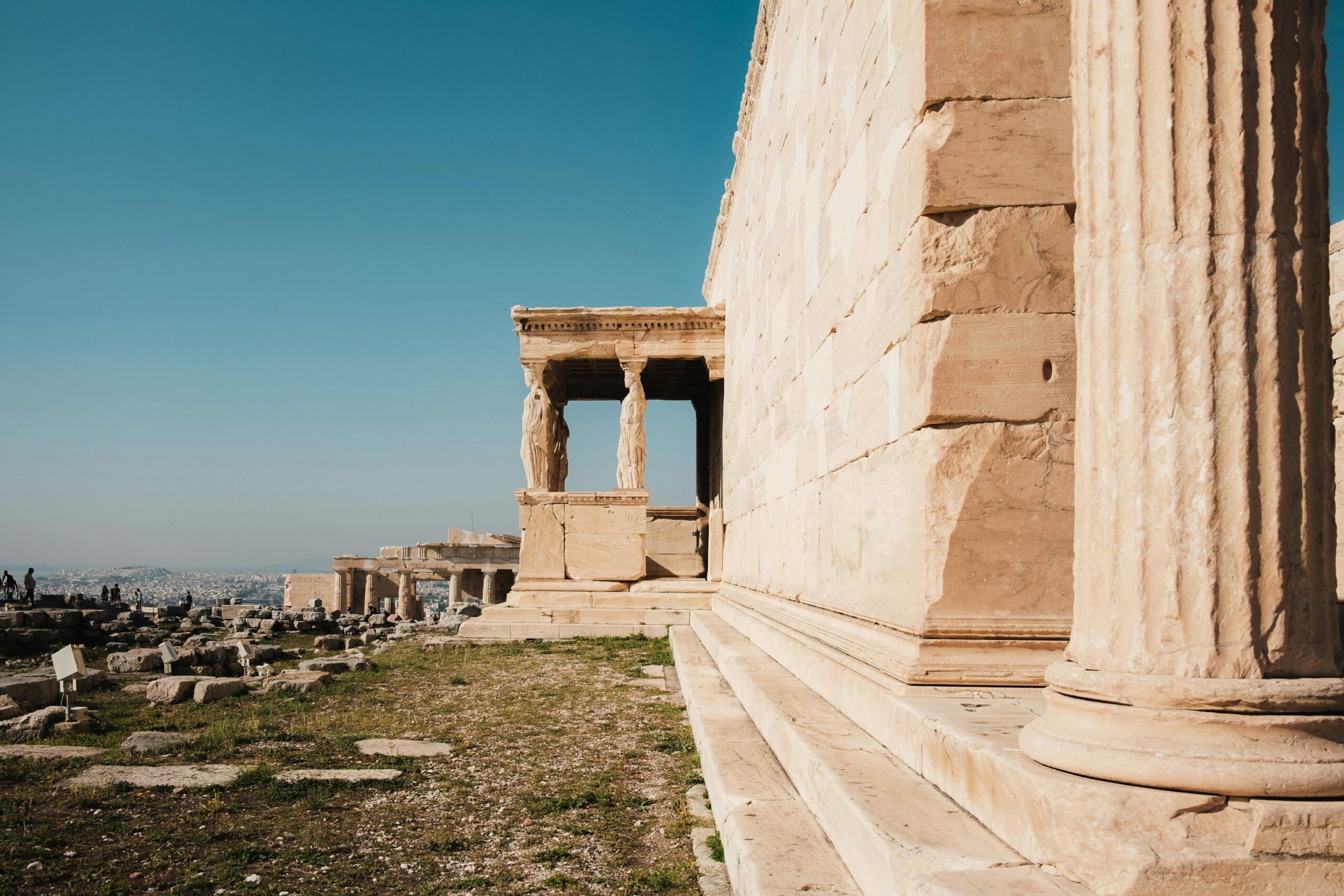
Why the Peloponnese Is Where Greece Trips Become Complicated is not a marketing line; it is the reality of planning here. This is one of the richest regions in Greece, but it punishes lazy trip design because the distances, regional identities, and traveler priorities do not line up neatly.
People come here expecting a simple “Peloponnese loop” and end up trying to force too much into too little time. The result is usually a trip that feels rushed in Nafplio, underused in Mani, and badly balanced around the places that actually matter.
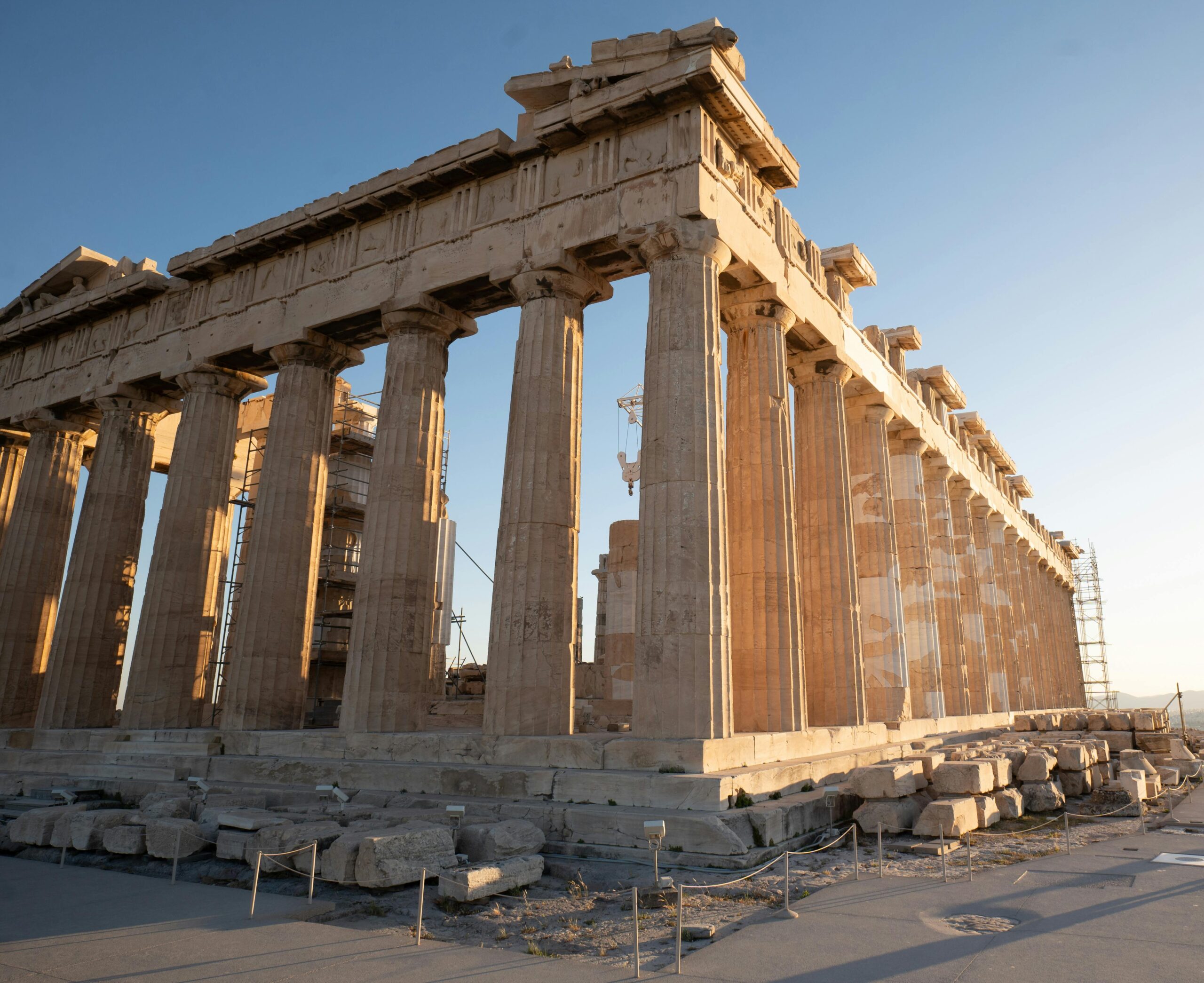

Why the Peloponnese Is Where Greece Trips Become Complicated
I say this plainly: the Peloponnese is not a region for vague planning. It is one of the few parts of mainland Greece where a smart sequence matters as much as the destinations themselves, and bad sequencing creates real friction in the trip.
Why the Peloponnese Is Where Greece Trips Become Complicated is because people keep treating it like a compact weekend add-on. It is not compact, and it is not one thing; Nafplio, Monemvasia, Mani, Kalamata, Olympia, and the Arcadia mountain villages each serve a different kind of traveler.
Why the Peloponnese Is Where Greece Trips Become Complicated in practice
The first mistake is assuming the region works like an easy coastal circuit. It does not. The Peloponnese is a patchwork of historic towns, inland mountain country, and long stretches where the scenery changes but the pace does not get easier.
The second mistake is overcommitting to “seeing everything.” Travelers cram in Nafplio, Mycenae, Epidaurus, Monemvasia, Mani, and Olympia, then wonder why the trip feels like a series of checkboxes. The region rewards selective depth, not coverage for its own sake.
Another thing people miss: the best base is not always the most famous town. Nafplio is the safest all-round choice for first-timers, but if your trip is about serious coastal character and fewer polished edges, Areopoli or Kardamyli will feel more honest. If you want ancient sites and a more organized cultural stay, Olympia and the Argolis side make more sense than trying to force everything from one base.
What travelers consistently get wrong here
They underestimate how much the Peloponnese pulls in different directions. A couple interested in food and small-town atmosphere will not want the same structure as a family chasing beaches, and neither will want the same plan as someone focused on ruins and museums. That sounds obvious, but it is where most bad trips start.
They also misread accommodation location. In places like Nafplio, the difference between staying in the old town and staying on the edge of town is not cosmetic; it changes whether the trip feels walkable and relaxed or oddly fragmented. In Mani, choosing the wrong base can leave you spending too much time moving between villages instead of actually living in one area.
One practical consequence gets ignored all the time: if you overpack the itinerary, the Peloponnese becomes the place where your trip starts losing its best hours. You end up arriving tired, seeing major sites at poor times of day, and missing the slower meals and evening atmosphere that make the region worth the effort.
Places that matter, and what each one is really for
Nafplio is the polished entry point, and I mean that in a useful sense. It works for travelers who want a strong base, good dining, and easy access to major historical sites without having to improvise every day.
Monemvasia is for people who value character and are willing to accept a more constrained experience. It is not a place for travelers who need constant variety or easy flexibility; it is a place for staying put and letting the setting do its work.
Areopoli and Kardamyli represent two different versions of Mani, and people often confuse them. Areopoli gives you a stronger sense of regional grit and old stone-town atmosphere, while Kardamyli suits travelers who want a more composed coastal stay with easier access to the western Mani.
Kalamata is often underestimated because people treat it as a transit point. That is a mistake. For the right traveler, it is a practical base with real food value, better services, and a more grounded city feel than many visitors expect.
Olympia is essential for travelers who care about classical Greece, but it should be treated as a focused cultural stop, not a place to build an entire region-wide plan around. Arcadia villages such as Dimitsana and Stemnitsa suit a different mood entirely: cooler air, mountain character, and a slower pace that works best when the trip is already designed around contrast.
Who this suits
This region suits travelers who want substance more than convenience. It works well for couples, culture-focused visitors, repeat Greece travelers, and families who can tolerate a plan with some drive time in exchange for better variety.
It does not suit travelers who want one base to solve everything, or people who get anxious when a region requires decisions. If you are looking for a simple beach holiday with occasional sightseeing, the Peloponnese can feel overbuilt for your needs and under-delivering on easy resort comfort.
- Best for: culture-first travelers, self-directed couples, food travelers, repeat visitors to Greece, and travelers who like varied landscapes.
- Not ideal for: first-timers who want a very simple Greece trip, travelers with little patience for planning, or anyone trying to cover too much ground in a short stay.
A counterintuitive truth about the Peloponnese
The surprising thing is that the Peloponnese often works better when you see less of it. That sounds wrong to travelers who equate value with coverage, but in this region, restraint usually produces a better trip than ambition.
Why? Because the region’s strength is not one headline attraction. It is the combination of place, pace, and local character, and you only feel that when the trip is not constantly resetting itself. This is exactly why the Peloponnese is where Greece trips become complicated: the more you try to simplify it into a standard route, the more you flatten what makes it worth visiting.
For travelers who want a deeper reference point on Greece’s broader cultural context, the Ministry of Culture is useful for understanding why certain sites and regions matter beyond the usual tourist framing.
The real trade-offs: what you gain and what you give up
You gain range, depth, and a more complete picture of Greece than most island-only trips can provide. You also gain access to places that still feel locally grounded rather than built entirely around tourism.
You give up convenience, and you should accept that early. The Peloponnese asks for clearer priorities, more realistic pacing, and a willingness to choose between equally good options.
That trade-off is exactly why well-designed trips here age better in memory. The people who enjoy the Peloponnese most are usually the ones who stop trying to make it behave like a lightweight add-on and start treating it as a serious region with competing strengths. For travelers who want a wider Greece planning view,
Visit Greece is a useful starting point, but the region still needs a plan shaped around how you actually travel.
Why the Peloponnese Is Where Greece Trips Become Complicated is not a warning to avoid it. It is a warning to respect it. If you get the structure right, the region gives back far more than it asks.
Greece rewards travelers who arrive with a plan built around how they actually travel — not a generic template. The difference between a frustrating trip and a remarkable one often comes down to sequence, timing, and knowing which trade-offs matter for your situation.
Frequently asked questions
Why is the Peloponnese harder to plan than many other parts of Greece?
Because it is not a single-purpose destination. It combines historic towns, mountain areas, coastal villages, and major archaeological sites, so a good trip depends on choosing the right regions instead of trying to cover everything.
What do travelers most often get wrong about the Peloponnese?
They try to do too much. The most common mistake is building a route that looks efficient on paper but feels rushed in real life, especially when people mix Nafplio, Mani, Monemvasia, and Olympia without enough breathing room.
Is the Peloponnese better for first-time visitors or repeat travelers?
Repeat travelers usually get more out of it, because they already know how to pace a Greece trip. First-timers can still enjoy it, but only if they accept that the region needs more deliberate planning than a simple island stay.
Which areas are the best bases in the Peloponnese?
Nafplio is the strongest all-round base for first-timers. Mani suits travelers who want more regional character, Kalamata works well for practical comfort, and Olympia is best for a focused cultural stay.
What kind of traveler does not usually enjoy the Peloponnese?
Travelers who want one easy base, minimal planning, and a very resort-style experience often find it frustrating. It is also a poor fit for people who dislike moving between different types of scenery and town styles.
What is the biggest planning consequence of getting the Peloponnese wrong?
The trip starts feeling fragmented. People lose their best time to unnecessary movement, arrive at major sites tired, and miss the slower meals and evening atmosphere that make the region worthwhile.