

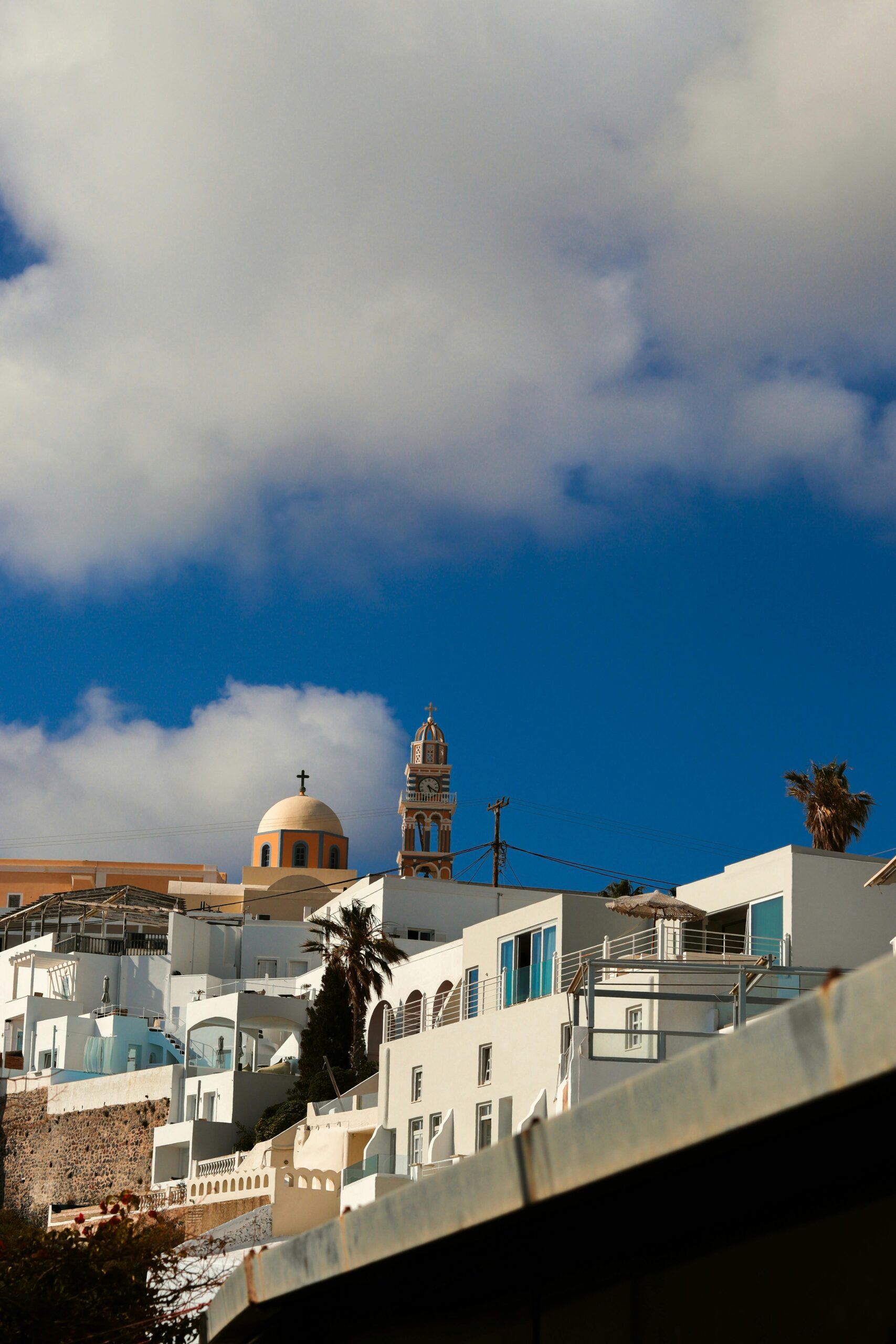
Why Most First-Timers to Santorini Leave Slightly Disappointed usually has less to do with the island itself than with the fantasy travelers bring to it. People arrive expecting a polished version of Greece that feels private, effortless, and emotionally neat. Santorini is none of those things in peak season.
The pattern is simple: travelers confuse a famous image with a usable travel experience. That mistake creates a very specific kind of letdown — not a disaster, just a steady sense that the island is not delivering the feeling they were promised.
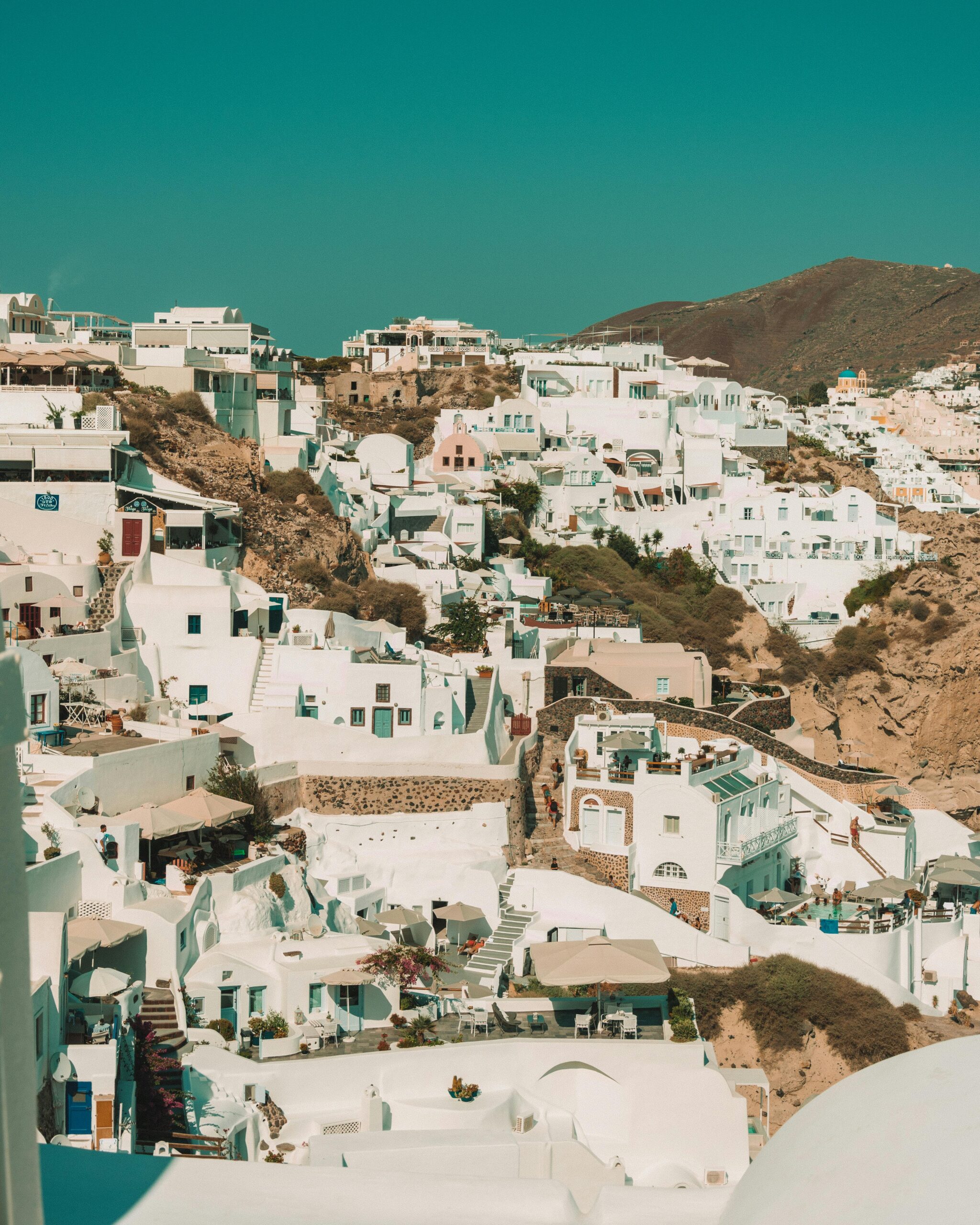
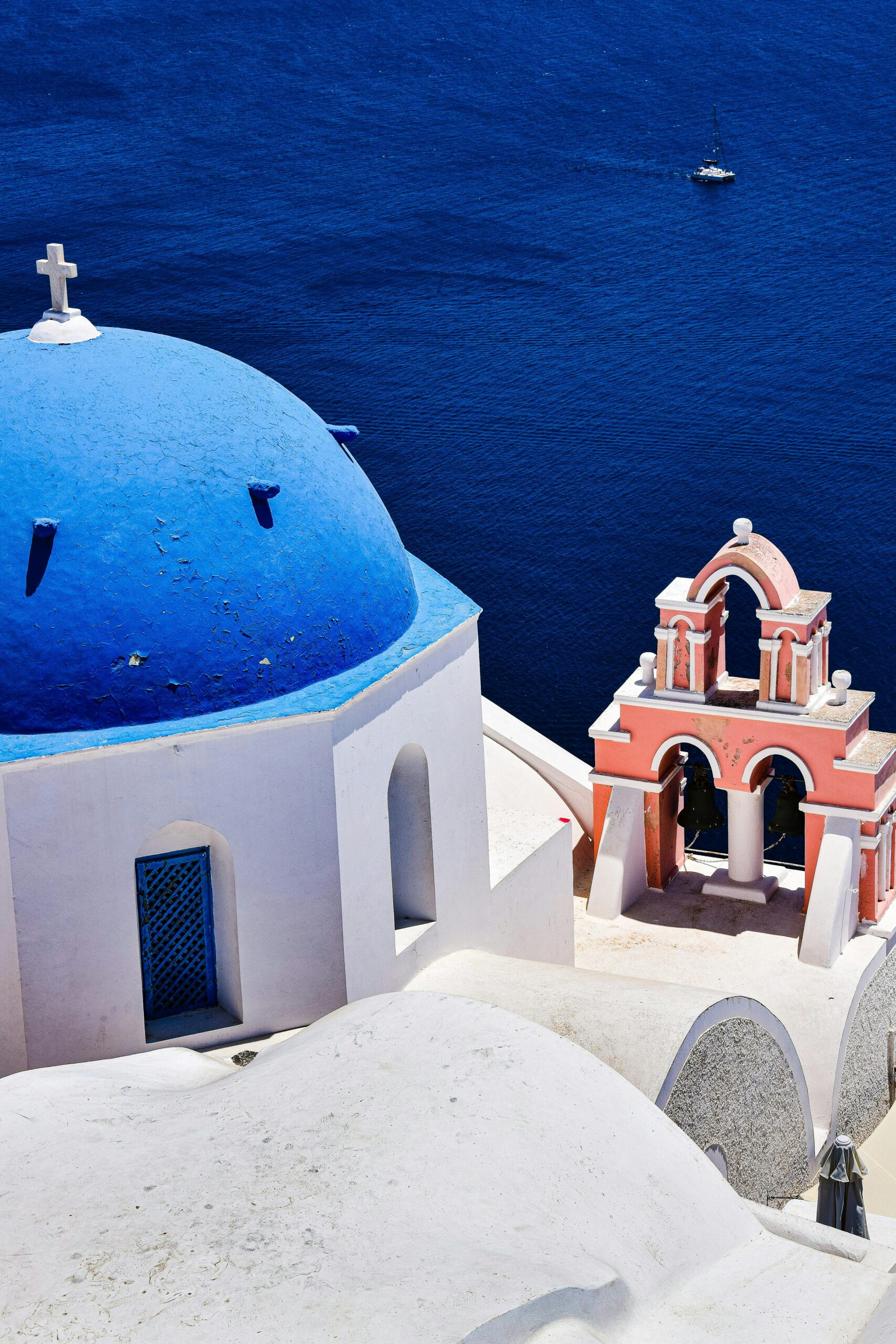
Why Most First-Timers to Santorini Leave Slightly Disappointed
The real problem is not Santorini. It is the story travelers tell themselves before they arrive.
Most first-timers do not choose Santorini because they studied the island carefully. They choose it because it sits at the center of the Greece fantasy: white buildings, caldera views, blue domes, and the idea that a famous place must feel special in a way that justifies the expense. That is not a practical decision. It is an emotional one.
People also tend to book Santorini as a kind of proof. It is the island friends recognize, the one social media has trained them to want, and the one that feels safe because it is familiar. Familiarity lowers anxiety before the trip, but it also raises expectations in a way that is hard to recover from once the reality is crowded, expensive, and highly managed.
Why Most First-Timers to Santorini Leave Slightly Disappointed in peak season
Peak season is where the mismatch becomes obvious. Travelers expect a romantic island atmosphere and instead run into queues, noise, packed viewpoints, inflated prices, and a constant sense that the island is performing for visitors rather than living for them. Santorini is not broken in summer; it is overused in summer.
The emotional gap is the point. People expect ease, intimacy, and a feeling of exclusivity. What they usually get is high friction wrapped in a beautiful setting, which is why the disappointment is so often subtle rather than dramatic. The island still looks like the photos, but the experience underneath the photos feels thinner than expected.
Here is the counterintuitive part: the more someone has seen Santorini online, the more likely they are to feel underwhelmed in person. That is not because the island is fake. It is because repeated exposure builds a mental version that is cleaner, quieter, and more controllable than the real place ever can be.
The moment disappointment usually hits
For many travelers, the shift happens at the first major crowd pinch point. It is the moment they realize that the famous view is shared, the sunset is scheduled by everyone else’s expectations, and the island’s most photographed areas are not designed for comfort. That is when the emotional bill comes due.
Another common trigger is the accommodation reveal. Travelers often spend heavily expecting the room itself to deliver the experience, then discover that the real value is not luxury but positioning, and that “calm” is hard to buy in the busiest parts of the island. Once that sinks in, the trip starts to feel more transactional than romantic.
If you want a broader sense of how Greece’s cultural and tourism systems shape visitor experience, the official
Visit Greece site is useful for context. It will not solve the expectation problem for you, but it does remind you that Santorini is part of a much bigger country, not a standalone fantasy product.
The traveler types most prone to this pattern
Three groups consistently run into this disappointment. The first is the once-in-a-lifetime honeymooner who expects the island to do the emotional work for them. The second is the first-time Greece visitor who wants Santorini because it feels like the safest possible choice. The third is the luxury traveler who assumes price will automatically buy serenity.
These travelers share one thing: they are not just buying a destination, they are buying reassurance. They want the trip to confirm that they made the right choice, spent the money well, and selected the iconic place everyone told them to see. When Santorini feels crowded or overmanaged, that reassurance disappears fast.
- Honeymooners who want privacy but book the most visible parts of the island
- First-time visitors who treat Santorini as the default Greece answer
- Luxury travelers who assume higher spend means lower friction
What travelers expect versus what they actually experience
Expectation says: a graceful island with dramatic views, long meals, and a sense of effortless romance. Reality says: you will still need patience, you will still be sharing space, and you may spend more time managing the experience than sinking into it. That gap is why the trip can feel expensive in both money and attention.
People also underestimate how much of Santorini is visual rather than experiential. It photographs exceptionally well, which is exactly why some travelers feel let down after arrival. The island gives you the image immediately, but the comfort, pace, and privacy many visitors want are much harder to secure.
For travelers who care about the cultural side of Greece, it is worth remembering that the country is deeper than any one island. The Acropolis Museum is a useful reminder of that broader context: Greece is not only about scenery, but also about layers, history, and substance. Santorini can feel shallow when you approach it only as a visual object.
What a better approach looks like
Clear-eyed travelers stop asking whether Santorini is “worth it” in some abstract sense and start asking what role it should play in the trip. If you want a famous caldera view and accept the trade-offs, Santorini can do its job. If you want calm, privacy, and a sense of discovery, this is a poor primary choice in peak season.
This is where Greece rewards travelers who arrive with a plan. Not a rigid schedule, but a hierarchy of priorities: what you need from the island, what you can tolerate, and what would make the trip feel successful. Once you do that, Santorini becomes a deliberate choice instead of a reflex.
And that is the real reframe. Santorini is not disappointing because it fails to be beautiful. It is disappointing because too many first-timers arrive expecting beauty to solve the practical and emotional problems of travel. It does not.
Conclusion
The best way to avoid the classic Santorini letdown is to stop treating the island like a universal Greece answer. It is a high-demand, high-visibility destination that works best for travelers who understand its trade-offs before they book. If you want the image, go in with your eyes open. If you want ease, choose differently.
Greece doesn’t punish inexperience. It punishes unexamined assumptions. The travelers who leave disappointed rarely lacked information — they lacked a framework for using it.
Frequently asked questions
Why do so many first-time visitors feel underwhelmed in Santorini?
Because they arrive with a polished mental image that peak-season reality cannot match. The island is famous for a reason, but fame brings crowds, higher prices, and more friction than many first-timers expect.
Is Santorini actually disappointing, or are expectations the problem?
The expectations are usually the problem. Santorini can be an excellent choice for the right traveler, but it is a poor fit for people who want privacy, ease, and a low-friction luxury experience in the busiest months.
What is the biggest mistake first-timers make with Santorini?
They assume the island’s beauty will automatically translate into a satisfying trip. In practice, the experience depends on season, crowd tolerance, and whether the visitor understands what Santorini is optimized to deliver.
Who is most likely to leave Santorini disappointed?
Honeymooners expecting perfect romance, first-time Greece visitors using Santorini as a default choice, and luxury travelers who assume a higher budget guarantees a calmer experience.
When does the disappointment usually start?
Usually when the crowds, pricing, or accommodation realities become impossible to ignore. For many travelers, it happens at the first major viewpoint or once they realize the island is highly shared, not privately experienced.
How should I think about Santorini differently before booking?
Treat it as a specific, high-demand destination with trade-offs, not as the standard model for Greece. Decide whether you want the famous view badly enough to accept the friction that comes with it.