

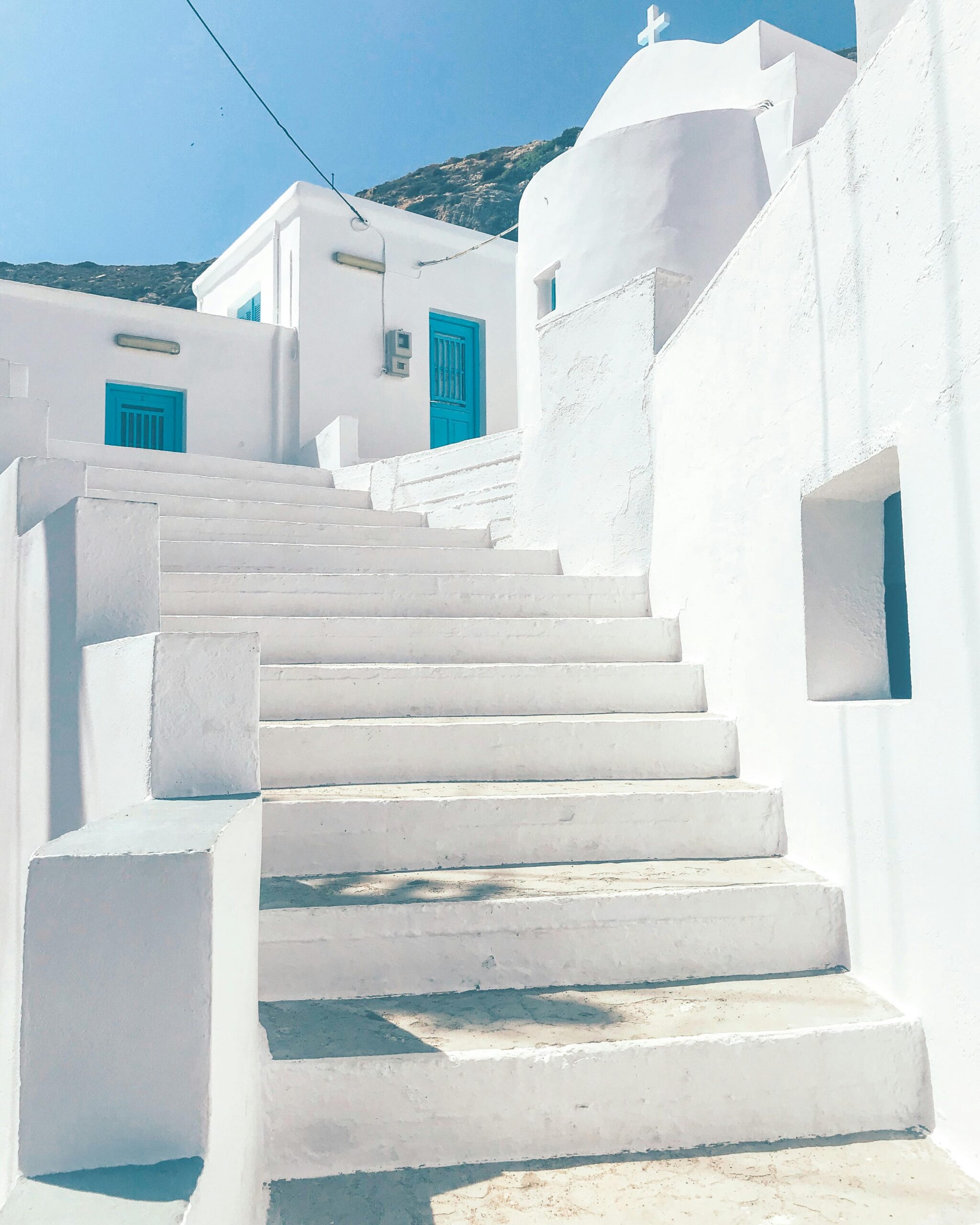
Why Most First-Timers to Santorini Leave Slightly Disappointed usually starts with one simple assumption: that the island will feel like the image they have seen online, only better. That is a psychological trap, not a destination problem. Santorini is still worth visiting, but first-timers often arrive carrying a fantasy that cannot survive peak-season reality.
The disappointment is rarely dramatic. It is more often a slow realization that the island is busier, more expensive, and more managed than expected. Once you see that clearly, the trip stops being a letdown and starts becoming a planning problem you can actually solve.
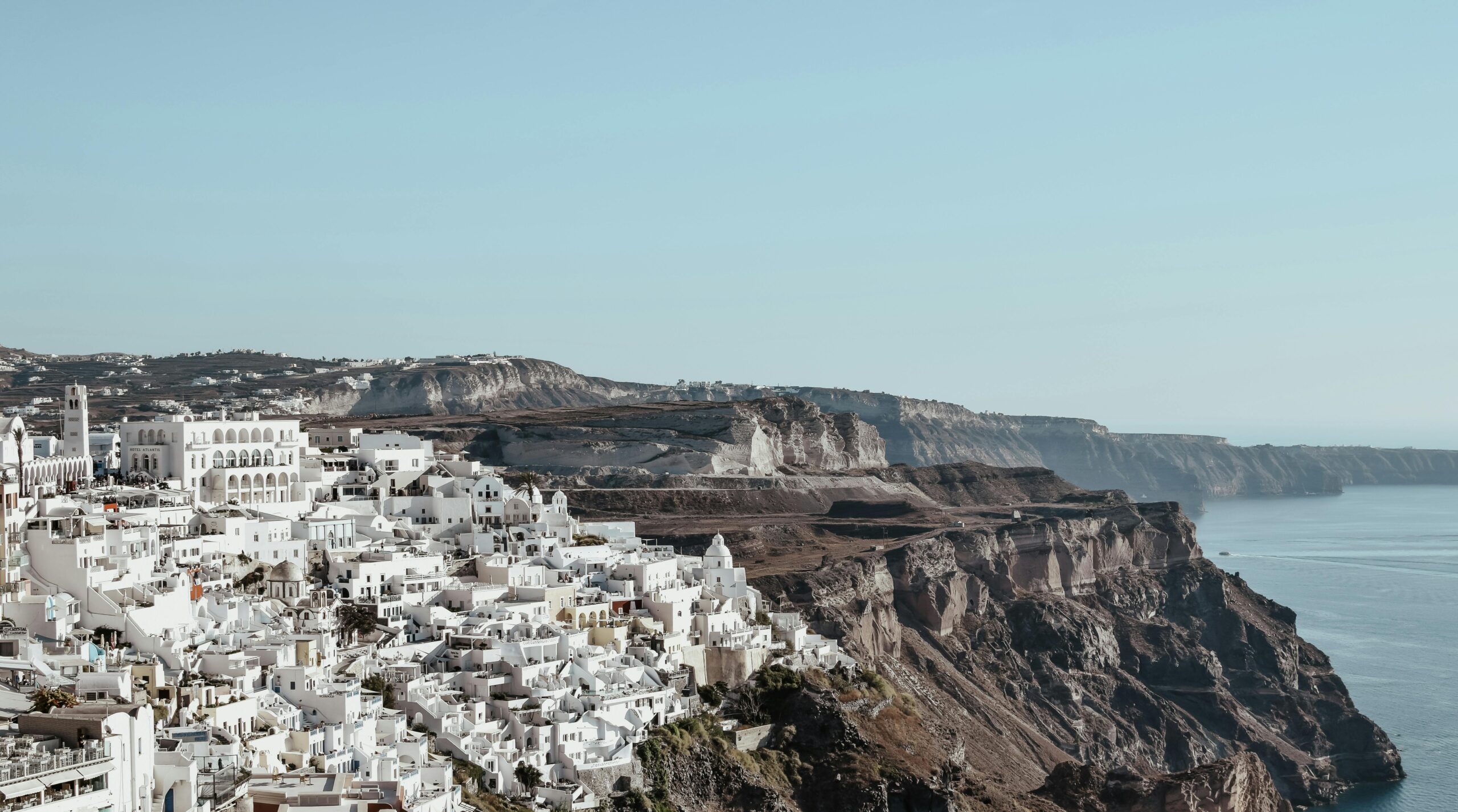
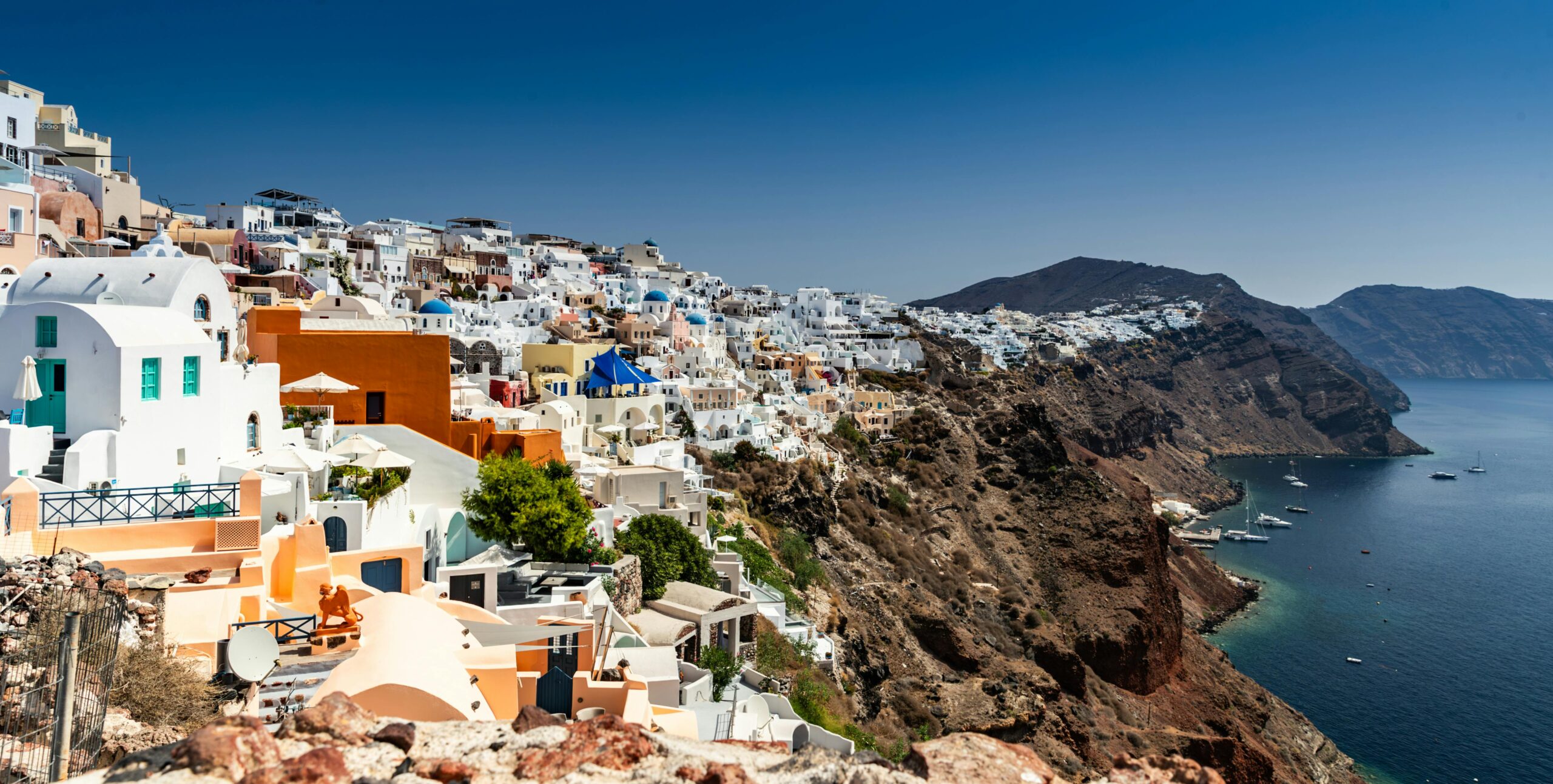
Why Most First-Timers to Santorini Leave Slightly Disappointed
The core mistake is projection. Travelers do not just book Santorini; they project a version of themselves onto it — relaxed, romantic, unhurried, and somehow untouched by crowds. That is why Why Most First-Timers to Santorini Leave Slightly Disappointed is such a consistent pattern. The island is not failing to meet a realistic expectation; it is failing to meet an emotional script.
People choose Santorini because it feels like a safe first Greece choice. It is familiar, easy to recognize, and heavily validated by social media, magazines, and wedding marketing. For a first trip, that matters more than travelers admit. They are not only buying a place; they are buying reassurance that they picked “the right Greece.”
The image is doing more work than the destination
Santorini is one of the few places where the expectation often arrives before the traveler does. By the time they land, they have already seen the same angles, the same terraces, the same sunset framing, and the same white-and-blue shorthand repeated until it feels like truth. The problem is that repetition creates certainty, and certainty creates disappointment when reality is more ordinary.
That is why Why Most First-Timers to Santorini Leave Slightly Disappointed is less about the island and more about the mental contract travelers sign before arriving. They expect an easy emotional payoff. Instead, they find a place that asks for patience, spending power, and tolerance for crowds — especially in peak season.
Why Most First-Timers to Santorini Leave Slightly Disappointed in peak season
Peak season changes the whole emotional texture of the island. The same views that look serene in photos can feel crowded, managed, and time-sensitive in real life. You are not experiencing emptiness; you are sharing a very small, very famous place with a lot of other people who also came to “have the moment.”
Here is the counterintuitive part: the disappointment is often stronger for travelers who care the most. People who are detail-oriented, romantic, or highly visual tend to be hit hardest because they notice the friction immediately. They see the queues, the noise, the inflated prices, and the constant performance around them. The island is not subtle in high season, and subtlety is exactly what many first-timers think they are buying.
If you want a clearer picture of how Greece positions its major destinations, the national tourism materials at
visitgreece.gr are useful as a baseline. They show you the official version. The real question is whether you are prepared for the version that exists between the marketing and the crowds.
The moment disappointment usually hits
For most travelers, the letdown does not happen at arrival. It happens when the island stops feeling cinematic and starts feeling operational. That moment is usually tied to the first sunset rush, the first crowded viewpoint, or the first meal where the setting is better than the food and the bill is higher than expected.
That is the emotional break point: the traveler realizes they are participating in a very expensive shared experience, not discovering a private one. Why Most First-Timers to Santorini Leave Slightly Disappointed often comes down to this exact shift. The image promised intimacy, but the reality is choreography.
And once that shift happens, people start judging everything more harshly. The view is still there, but now they are noticing the noise, the pace, and the fact that every “special” moment has a line behind it.
Traveler types most prone to this pattern
Not every first-timer is equally vulnerable. The most prone are the travelers who want Santorini to validate a milestone: honeymooners, anniversary travelers, and people making a long-awaited Greece debut. They arrive with emotional weight on the trip, which makes any friction feel personal.
Another high-risk group is the traveler who prefers calm but books Santorini because they feel they “should.” That is a bad decision disguised as a smart one. They are often the most disappointed because they never actually wanted a busy, high-profile island in the first place.
- Romantic milestone travelers expecting privacy and ease
- First-time Greece visitors using Santorini as their default choice
- Social-media-led planners chasing the same visual references
- Travelers who dislike crowds but underestimate peak-season intensity
If you are in one of those groups, the issue is not that Santorini is wrong for everyone. It is that your emotional expectation is probably larger than the island can comfortably support in high season.
Why the wrong assumption creates a real problem
The real planning failure is sequence. Travelers often put Santorini first because it feels like the strongest opening act. That sounds logical, but it can set the wrong emotional baseline for the rest of the trip. Once you start with the most photographed place, everything else can feel quieter, less polished, or unfairly compared.
That is one reason Why Most First-Timers to Santorini Leave Slightly Disappointed keeps repeating across seasons. The traveler is not just reacting to Santorini; they are reacting to the way they framed the entire trip around it. If the island is meant to be the peak, any friction feels like a flaw instead of a trade-off.
For travelers who want the broader Greek context, the Ministry of Culture is a useful reminder that Greece is not a single-island aesthetic. It is a country with depth, pressure, history, and a lot more range than the Santorini brand suggests.
What travelers consistently underestimate
They underestimate how much the island has been optimized for attention. Santorini is not a casual place in high season. It is a high-demand destination with all the usual consequences: premium pricing, crowd concentration, and a constant sense that you are sharing every good viewpoint with everyone else.
They also underestimate how much they personally need breathing room to enjoy a place. Some travelers think they want intensity until they are inside it. Then they discover they are better suited to destinations that feel less staged and less compressed. Why Most First-Timers to Santorini Leave Slightly Disappointed is often a mismatch between personality and place, not taste and quality.
That is the surprising truth: many people do not actually want Santorini as much as they want the feeling of having chosen Santorini. Those are not the same thing.
How to approach Santorini differently
The better approach is not to lower your standards. It is to stop asking Santorini to do a job it was never built to do in peak season. If you want a polished, high-visibility, heavily shared Greek experience, then go in knowing exactly what you are buying. If you want calm, spontaneity, and room to breathe, Santorini should not be your emotional centerpiece.
That is the reframe: treat the island as a specific kind of experience, not a universal one. Once you stop expecting it to be everything, the trip gets better immediately. Greece rewards travelers who arrive with a plan, but more importantly, it rewards travelers who know what kind of trip they are actually trying to have.
Why Most First-Timers to Santorini Leave Slightly Disappointed is not a warning to avoid the island. It is a warning to stop confusing a famous place with a personally suitable one.
Recognizing the pattern is the first step. The second is building a trip around how you actually travel — not the traveler you imagine yourself to be. Most great Greece experiences start with that honesty.
Frequently asked questions
Why do first-time visitors expect Santorini to feel more special than it often does?
Because the island is marketed through a narrow visual script. Travelers arrive expecting private, effortless romance, then meet crowds, queues, and high prices instead.
Is Santorini disappointing for everyone in peak season?
No. Travelers who want a highly polished, busy, image-driven experience may enjoy it. The disappointment usually comes from expecting calm or intimacy in a place that is heavily shared.
What is the biggest psychological mistake first-timers make?
They project a fantasy onto the island before they arrive. That fantasy is often based on photos, social media, and milestone expectations rather than the reality of peak-season travel.
Which travelers are most likely to feel let down?
Honeymooners, anniversary travelers, first-time Greece visitors, and people who dislike crowds but choose Santorini anyway. They tend to arrive with the biggest gap between expectation and reality.
When does the disappointment usually start?
Usually when the island shifts from visual fantasy to real-world logistics and crowds. For many travelers, that is the first sunset rush or the first moment they realize how shared the experience is.
How should someone think about Santorini if they still want to go?
Think of it as a specific high-demand island experience, not the definition of Greece. That mindset makes the visit more accurate and less likely to feel like a letdown.