


Why a Greece Trip Falls Apart When You Treat the Islands Like Easy Add-Ons is simple to explain: summer Greece looks compact on a map, but the country does not run on map logic. Travelers see Athens, a few islands, and a ferry network, then assume they can stitch everything together without much friction. That is how good trips get made unnecessarily hard.
The problem is not that Greece is difficult. The problem is that timing, crowd pressure, and island scale quietly control the experience, and most first-time visitors only notice that after they have already committed to the wrong sequence. Why a Greece Trip Falls Apart When You Treat the Islands Like Easy Add-Ons is really a warning about treating the islands as side notes instead of the main structure of the trip.

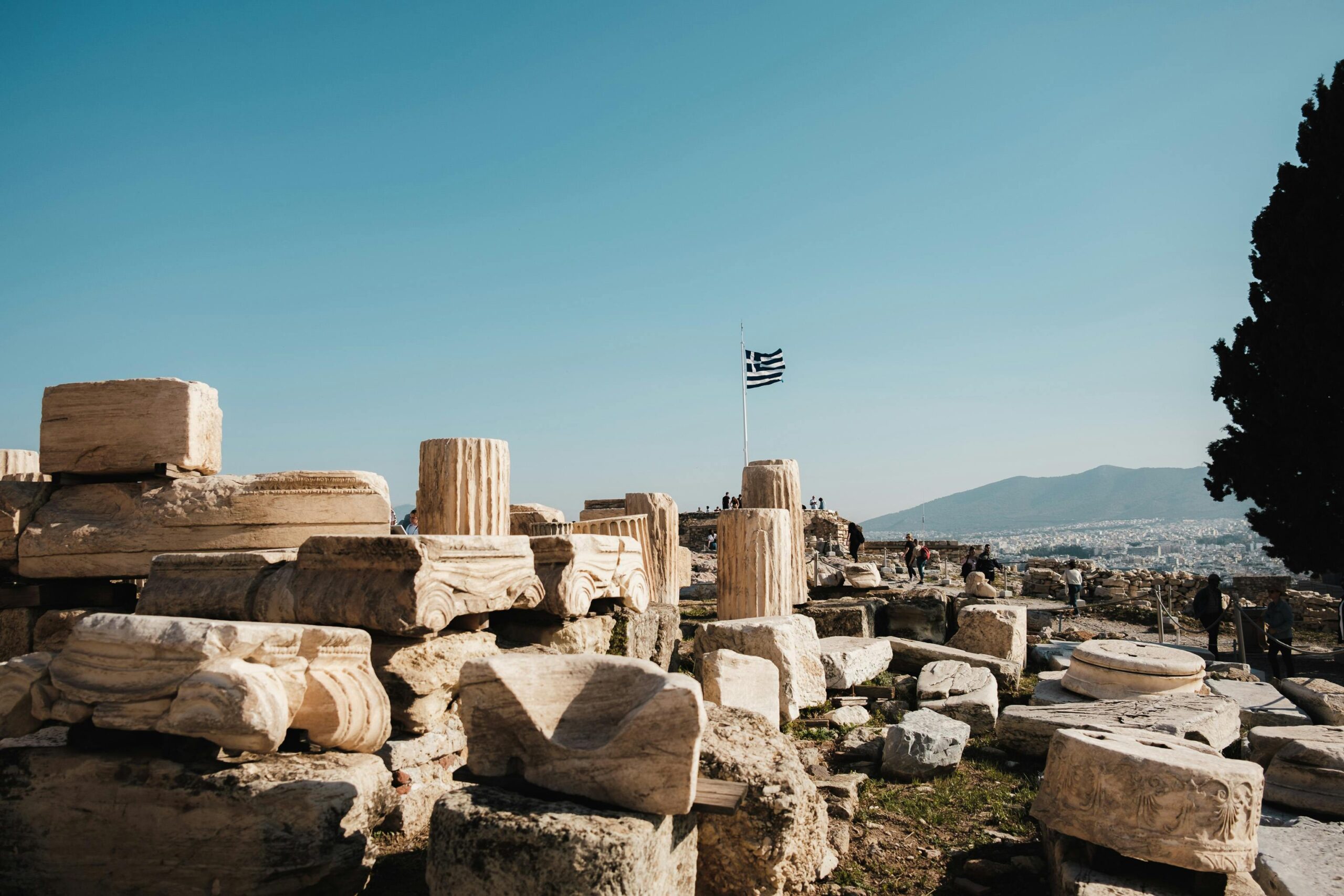
Why a Greece Trip Falls Apart When You Treat the Islands Like Easy Add-Ons
Summer in Greece is not a loose collection of easy extras attached to Athens. It is a system with pressure points, and the people who ignore those pressure points usually spend more time recovering from their choices than enjoying the trip. That is the part glossy travel content skips.
Why a Greece Trip Falls Apart When You Treat the Islands Like Easy Add-Ons: the ferry problem is not just the ferry
Travelers talk about ferries as if they are simple public transport. In July and August, they are more like a moving bottleneck that shapes your whole schedule. A missed departure, a late arrival into Piraeus or Rafina, or a connection that looked fine on paper can turn an easy island pairing into a day of stress.
The real issue is not only delay. It is the accumulation of uncertainty: luggage handling, port congestion, weather disruption, and the fact that high-season sailings are packed with everyone trying to do the same obvious routes. Santorini, Mykonos, Paros, Naxos, and Crete all sit inside that pressure system, and the popular sequences are popular for a reason: everyone else chose them too.
What surprises people most is that a “short” island hop can feel more draining than a long flight. You lose a morning, then half a day, then your patience. By the time you arrive, the trip does not feel broken in a dramatic way; it feels frayed, which is worse because it keeps happening quietly.
Island sequencing matters more than hotel quality
Most travelers obsess over where they stay and underthink the order of the trip. That is backwards. In summer, the wrong sequence creates more friction than a mediocre room ever will, especially when you try to combine a city stay, a famous island, and a larger island in one short trip.
A classic mistake is treating Athens, Santorini, and Mykonos as interchangeable add-ons because they are all famous and all “easy” to sell. They are not interchangeable. Santorini can be punishing in peak season if you are arriving late in the day and trying to squeeze in a short stay, while Mykonos can feel efficient only if your accommodation and beach choices are aligned with how you actually want to move around.
Crete is where many itineraries collapse completely. It is too large to treat as a casual stop, and three days there without a car or a very disciplined plan usually means spending more time in transit than in the places you thought you were visiting. That is not a theory; it is a recurring mistake.
Accommodation that sounds central often is not
Mykonos is the clearest example of this trap. A place can be described as “close to town” or “near everything” and still leave you dependent on transfers, steep walks, or road segments that are not pleasant in August heat. Travelers arrive expecting convenience and discover that “central” in island terms is often marketing language, not lived reality.
The same issue shows up in Santorini, where staying in one of the caldera villages can look ideal until you realize how much foot traffic, slope, and crowd compression you are accepting. If you want quiet, your room may be farther from what you assumed. If you want views, you pay for access and accept the inconvenience that comes with it.
This is why Why a Greece Trip Falls Apart When You Treat the Islands Like Easy Add-Ons is not just about transport. It is about assuming the island is small enough that location barely matters. In summer, location matters a lot, because every extra minute becomes more expensive in heat, crowding, and fatigue.
The crowd patterns are predictable, but travelers act surprised anyway
August in Greece is not just busy; it is structurally busy. Athens fills, ferry terminals fill, the famous islands fill, and the same narrow windows get hit by everyone at once. If you arrive expecting a relaxed, spontaneous flow, you are already behind.
Here is the counterintuitive part: the hardest moments are often not the headline attractions. They are the transitions between them. The transfer from airport to port, the wait before check-in, the gap between arriving on an island and actually feeling settled, the afternoon when everything is crowded and you still need to make one more move. Those are the moments that make travelers feel like the trip is working against them.
People rarely talk about the emotional cost of that kind of friction. You start second-guessing every decision. A trip that looked premium on paper starts to feel improvised, and once that feeling sets in, even good meals and good views do not fully reset it.
Who gets hit hardest by this complexity
First-time visitors are the obvious group, but not the only one. Families get hit hard because every delay multiplies when you are moving with children, luggage, and multiple room changes. Couples on short trips also struggle because they try to fit too many islands into too few nights, then spend the whole holiday in motion.
Independent travelers are not immune. In fact, they can be more exposed because they assume flexibility will save them. Flexibility is useful only when the underlying structure is realistic, and in summer Greece, unrealistic structure punishes even experienced travelers.
- Travelers with 5-7 total nights who want Athens plus multiple islands
- Families needing low-friction movement and stable sleeping patterns
- Travelers who dislike crowds but still choose peak August dates
- Anyone trying to combine “iconic” islands without understanding timing
What people consistently underestimate about summer Greece
They underestimate how much energy is lost to moving, waiting, and resetting. A day that looks open on a calendar is not actually open if it includes a port transfer, a late check-in, or an arrival into a crowded island where your first few hours are spent sorting basics. That is why short island-hopping trips often feel more expensive than they looked.
They also underestimate how different the islands are from one another in practical terms. Naxos and Paros are not the same kind of stop. Santorini is not a casual beach add-on. Crete is not a “quick island sample.” If you treat them as visually similar, the trip will punish you for it.
For a broader sense of how Greece’s summer season is structured, the official tourism information at
Visit Greece is useful, but it will not tell you where travelers usually misjudge the flow of a trip. That part comes from experience.
What intelligent planning looks like instead of reactive planning
Intelligent planning starts by accepting that the islands are the trip, not an add-on to the trip. That means fewer transitions, more realistic spacing, and a sequence built around how Greece actually works in summer rather than how it looks in a brochure. It also means choosing fewer places with more intention.
Reactive planning is what happens when travelers stack famous names and assume the country will absorb the pressure for them. Greece does not do that. The better approach is to respect the friction before it shows up, because once the trip is underway, the cost of bad sequencing is time, energy, and mood.
If you want a deeper reference point for the cultural side of the country, the Hellenic Ministry of Culture is a solid starting place, but culture alone will not save a badly structured summer itinerary. The practical reality still governs the experience.
Why a Greece Trip Falls Apart When You Treat the Islands Like Easy Add-Ons is ultimately a planning lesson, not a warning to avoid the islands. The islands are worth doing. They just need to be handled as the main event, with their own timing, limits, and trade-offs respected from the start. Greece is manageable. But it’s not simple. The travelers who have the best experiences aren’t the ones who avoided the complexity — they’re the ones who planned around it intelligently.
Frequently asked questions
Why do Greece island trips fall apart so often in summer?
Because travelers underestimate how much timing, crowding, and sequencing matter. In peak season, small delays stack quickly, and what looked efficient on a map can become a tiring series of transitions.
Is it a mistake to combine Athens with multiple islands in one summer trip?
Not automatically, but it becomes a mistake when the trip is too short or the island order is sloppy. Athens plus two or three islands can work only when the structure is realistic.
Which islands are most commonly misjudged by first-time visitors?
Santorini, Mykonos, and Crete are the biggest sources of misjudgment. Santorini is more pressure-filled than many expect, Mykonos accommodation can be less central than it sounds, and Crete is too large to treat casually.
Why does Mykonos feel less convenient than people expect?
Because “close to town” or “central” often does not mean easy on the ground. Distances, road access, and summer traffic can make a property feel much less convenient than the listing suggests.
Can you do Crete in just a few days?
You can visit Crete in a few days, but you should not expect to cover it broadly or casually. It is a large island, and short stays without a car or a very tight focus usually feel rushed.
What is the biggest mistake travelers make with ferries?
They treat ferries like simple point-to-point transport and ignore the full chain around them: port timing, luggage, crowds, and the possibility of disruption. The ferry itself is only part of the problem.
How do you avoid reactive planning in Greece?
By reducing the number of moves, respecting island size, and building the trip around realistic timing rather than wishful sequencing. That is where expert planning makes a visible difference.