

Why Most First-Timers to Santorini Leave Slightly Disappointed usually starts with one assumption: that the island will feel like the version they have seen online. That assumption is understandable, but it is also the root of most bad decisions people make about Santorini.
The disappointment is rarely about the island being “bad.” It is about arriving with a fantasy built for a different season, a different pace, and sometimes a different kind of traveler altogether. Once you see that pattern clearly, the whole trip becomes easier to judge honestly.
Why Most First-Timers to Santorini Leave Slightly Disappointed
The first mistake is emotional, not practical. People do not choose Santorini because they have studied the island carefully; they choose it because it already means something to them before they arrive. For many first-timers, Santorini is less a destination than a proof point: a place they want to say they have seen, photographed, and checked off.
That is exactly why Why Most First-Timers to Santorini Leave Slightly Disappointed is such a common pattern. The trip begins with an image in the mind, and the real island has to compete with that image from the first hour.
The fantasy is usually stronger than the destination
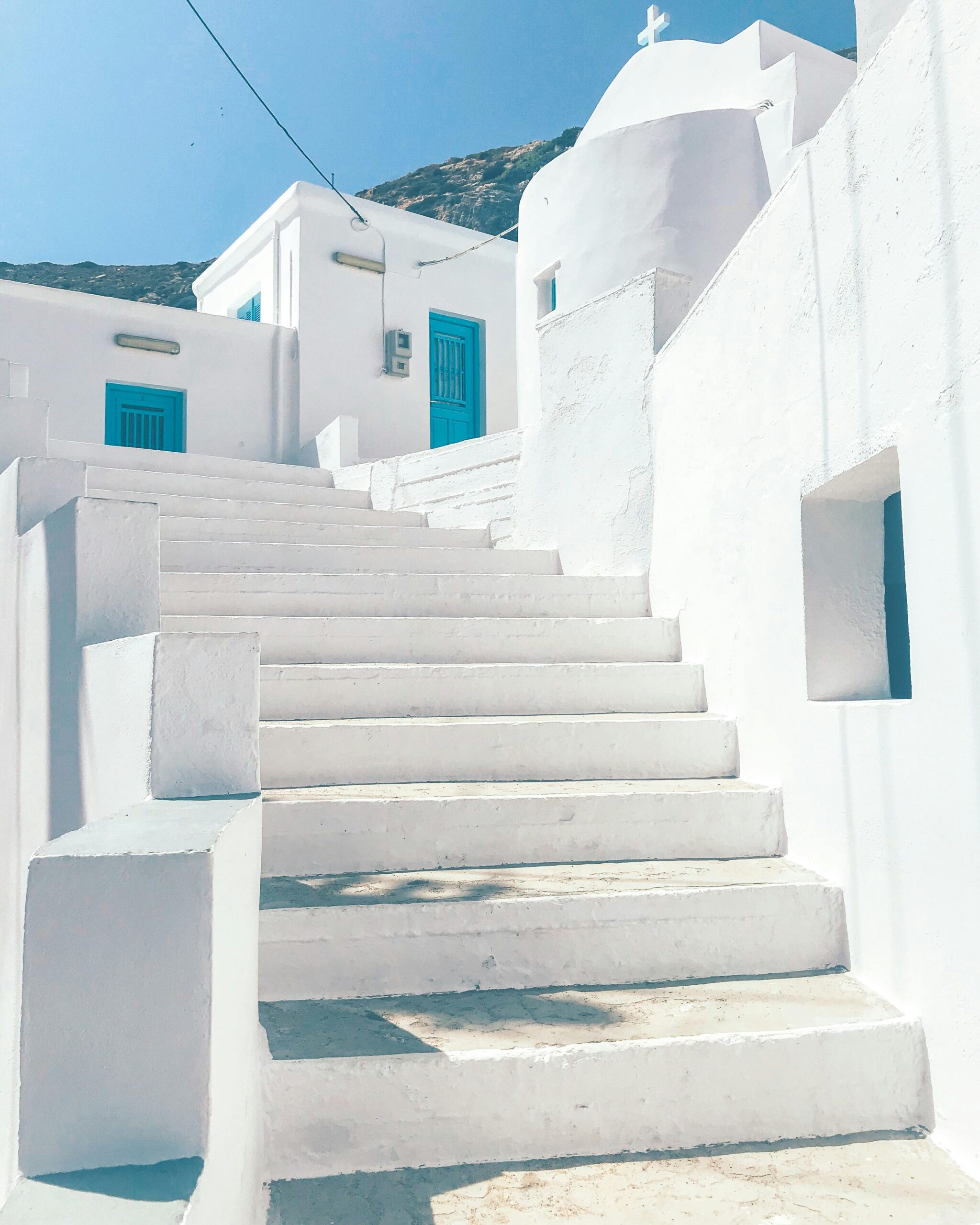
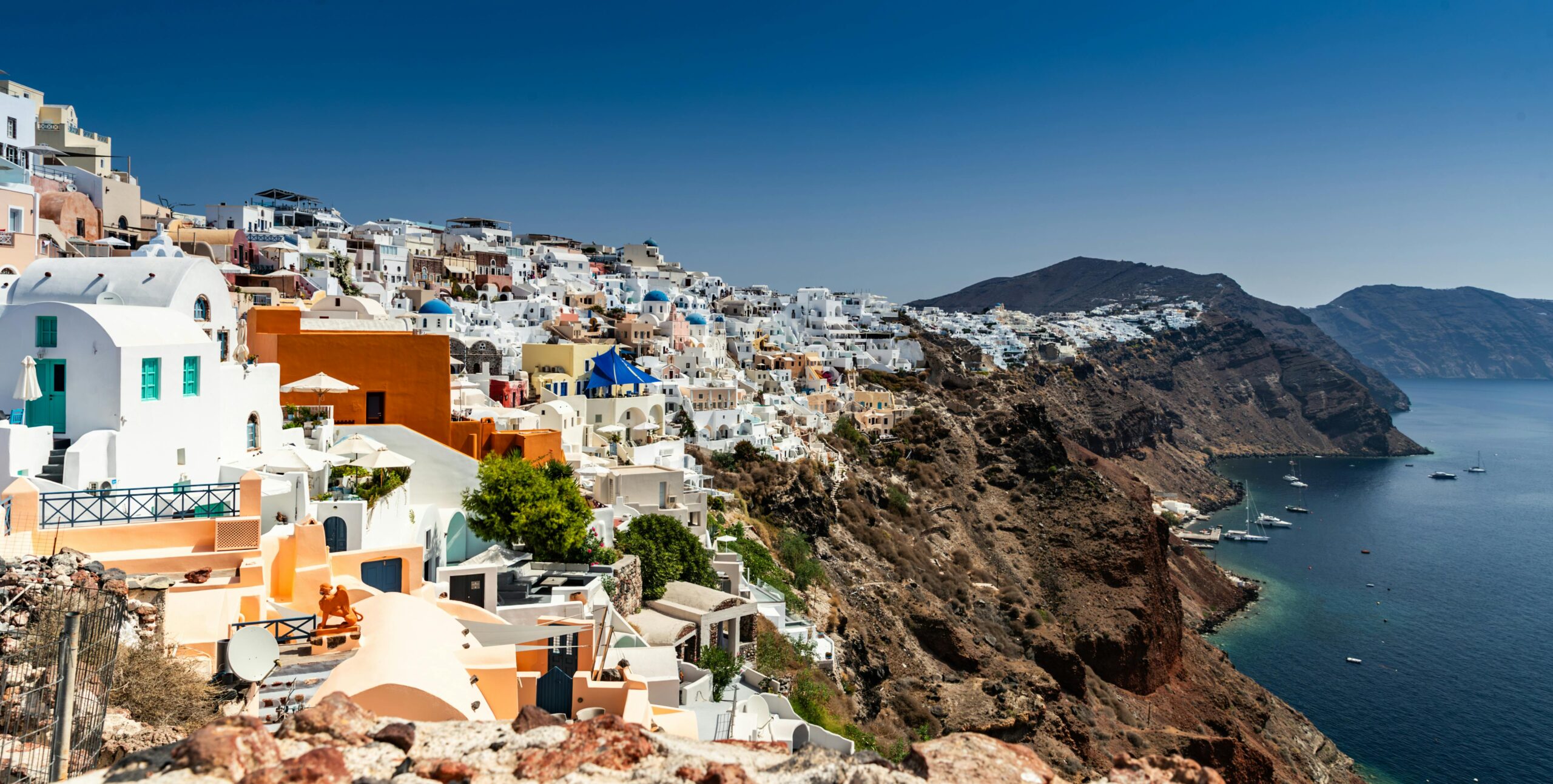
Most first-time visitors are not chasing Santorini itself. They are chasing a compressed version of it: white walls, blue domes, sunset views, and a sense that every moment will feel elevated. That is a very specific emotional promise, and it is easy to overpay for it in both money and expectation.
The problem is that Santorini is not a private stage set. It is a real island with crowd pressure, seasonal strain, and a lot of visitors who want the same few viewpoints at the same few hours. When the fantasy is built around exclusivity, the reality of sharing the place with everyone else lands harder than people expect.
Why travelers keep making this choice
People choose Santorini because it feels safe. It is familiar, easy to explain to friends, and heavily validated by social media and wedding culture. For first-timers to Greece, that kind of external approval matters more than they admit.
There is also a status element that people rarely say out loud. Santorini signals that a trip was “worth it,” especially for travelers who may only visit Greece once. That pressure creates a bad planning habit: they optimize for recognition instead of fit.
For a broader sense of how Greece is marketed versus how it actually works on the ground, the official tourism site
Visit Greece is useful as a baseline, but it will not tell you where your own expectations are doing the damage.
The moment disappointment usually hits
It usually hits when the first emotional payoff is delayed. Not when the plane lands, and not even when the view first appears. It hits when the traveler realizes that the famous scene is not private, not quiet, and not available on demand.
That moment often comes in peak season, when the island is working at full capacity and the visitor is still expecting a clean, cinematic experience. The gap between “I’m here” and “this feels special” becomes obvious very quickly. That is the moment Why Most First-Timers to Santorini Leave Slightly Disappointed stops being a theory and becomes a feeling.
Here is the counterintuitive part: the people most likely to be let down are often the ones who planned the most carefully. They booked the right category of hotel, read the right lists, and still missed the main issue. They planned around the island’s image, not around the emotional cost of visiting it when everyone else is there too.
Why peak season changes the emotional math
Peak season does not just mean more people. It changes the way the island is experienced. Waiting, crowding, noise, and constant competition for the same views all chip away at the sense of ease that first-timers think they are buying.
That matters because Santorini is often chosen as a reward trip. People arrive tired, excited, and primed for relief. When the island asks for patience instead of giving instant satisfaction, the emotional mismatch is sharper than it would be on a less loaded trip.
Greece rewards travelers who arrive with a plan, but Santorini punishes travelers who assume the island will organize itself around their mood.
The traveler types most prone to this pattern
Some travelers are simply more vulnerable to disappointment here. The first group is the once-in-a-lifetime visitor, especially couples on a milestone trip. They are not just traveling; they are trying to make the trip mean something, which raises the stakes before they even arrive.
The second group is the social-media-led traveler. They are not necessarily shallow, but they are highly exposed to a narrow visual version of Santorini. When the real place includes queues, heat, and crowds, the contrast feels like a letdown rather than a normal trade-off.
The third group is the luxury traveler who equates high spend with high control. Santorini is expensive, yes, but expense does not buy immunity from congestion or seasonality. That is where frustration sets in: people feel they paid for a smoother experience than the island can actually deliver in peak months.
- Milestone-trip couples who want the island to carry the emotional weight of the occasion
- First-time Greece visitors who want the most recognizable name, not the best fit
- Travelers who rely on online imagery more than seasonal context
What people underestimate about Santorini in peak season
They underestimate how much the island’s appeal depends on timing and tolerance. Santorini can still be worth visiting, but in peak season it becomes less about serenity and more about managing friction. That is not a small distinction; it changes the whole experience.
They also underestimate how quickly a beautiful view can stop feeling special when it is crowded, repeated, and treated like a production line. The island’s most famous moments are not ruined by ugliness. They are diluted by overuse.
For travelers who want a broader cultural frame before choosing where Santorini fits in a Greece trip, the Acropolis Museum is a good reminder that Greece is not one-note; the country’s value is in range, not in repeating one image until it loses meaning.
What a better approach looks like
The better approach is not to lower your standards. It is to stop asking Santorini to do a job it was never designed to do in peak season. If you want a polished, famous, highly photographed island experience, say that plainly and accept the trade-offs that come with it.
If you want calm, ease, and a sense of discovery, Santorini is often the wrong first choice. That is not a criticism of the island. It is a criticism of the habit of choosing it for the wrong emotional reason.
Why Most First-Timers to Santorini Leave Slightly Disappointed is really a warning about expectation management. The travelers who enjoy it most are usually the ones who understand that fame is not the same thing as fit.
Conclusion
Greece doesn’t punish inexperience. It punishes unexamined assumptions. The travelers who leave disappointed rarely lacked information — they lacked a framework for using it.
Frequently asked questions
Why do first-time visitors to Santorini often feel disappointed?
Because they arrive expecting the island to match its online image exactly. In peak season, the crowds, heat, and constant demand for the same views make that expectation hard to sustain.
Is Santorini overrated for first-time Greece travelers?
Not overrated in absolute terms, but often mischosen. It is a strong fit for travelers who want a famous, high-visibility experience and a poor fit for those expecting calm or privacy.
What is the biggest mistake people make when planning Santorini?
They plan around the island’s reputation instead of their own tolerance for crowds, cost, and seasonal pressure. That is how a trip that looks perfect on paper feels flat in practice.
Who is most likely to be disappointed by Santorini?
Milestone-trip couples, social-media-driven travelers, and first-time visitors who expect a polished, low-friction experience are the most vulnerable to disappointment.
Does visiting Santorini in peak season make a big difference?
Yes. Peak season changes the island’s emotional feel more than most first-timers expect. The same famous views can feel far less rewarding when they are crowded and heavily managed.
How should I think about Santorini differently before booking?
Treat it as a famous, high-demand island with real trade-offs, not as a guaranteed dream setting. If you choose it for the right reason, you are much less likely to feel let down.