

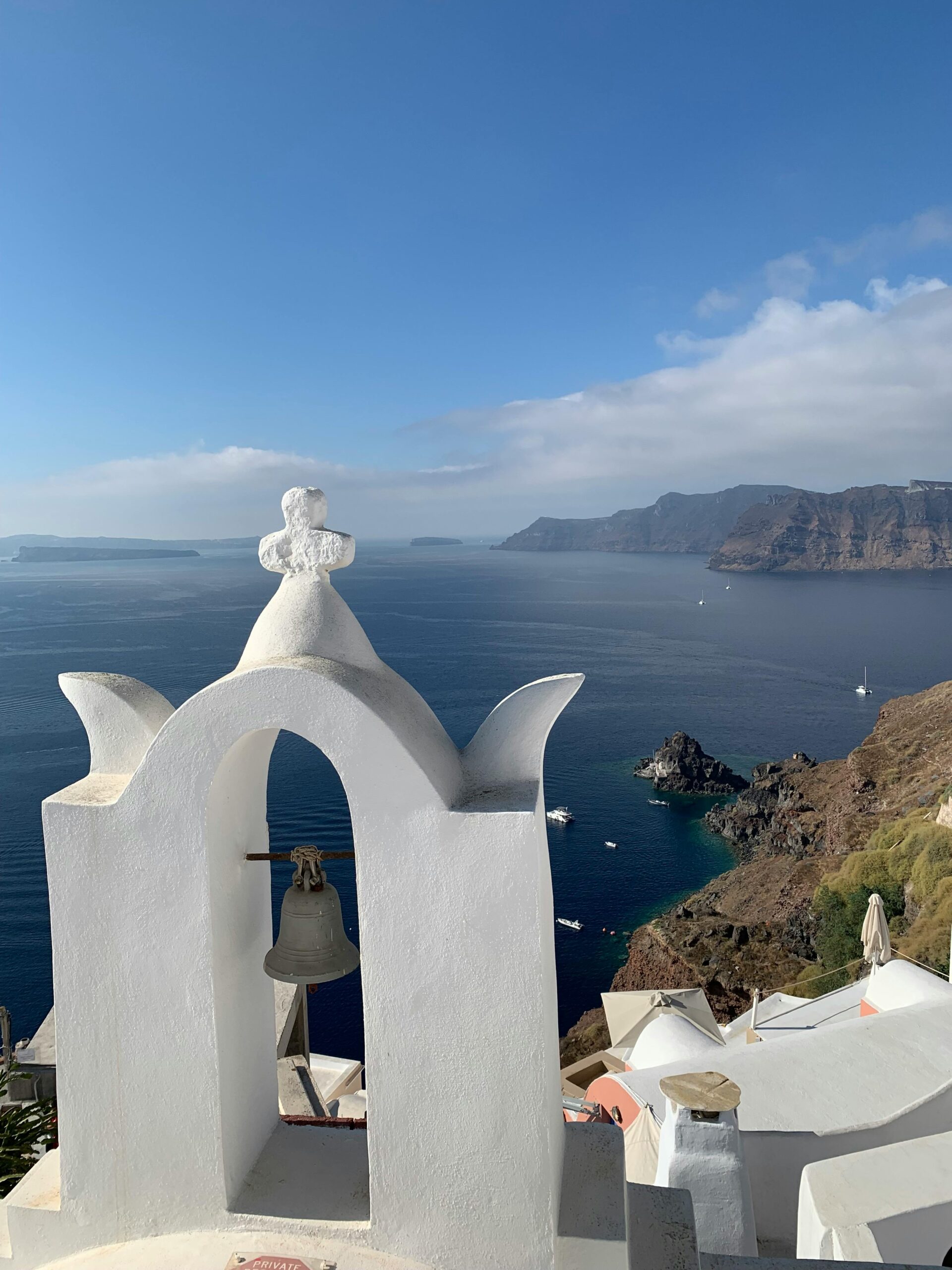
Why Most First-Timers to Santorini Leave Slightly Disappointed usually starts with a simple mental trap: people arrive expecting the island to behave like the version they have seen online. They are not wrong to want the famous caldera views, but they are often wrong about how much crowding, heat, and friction sit underneath that image.
The disappointment is rarely about Santorini being bad. It is about the gap between a highly edited expectation and the actual experience of visiting in peak season, when the island is working at full pressure and every decision feels more expensive, slower, and less private than people imagined.
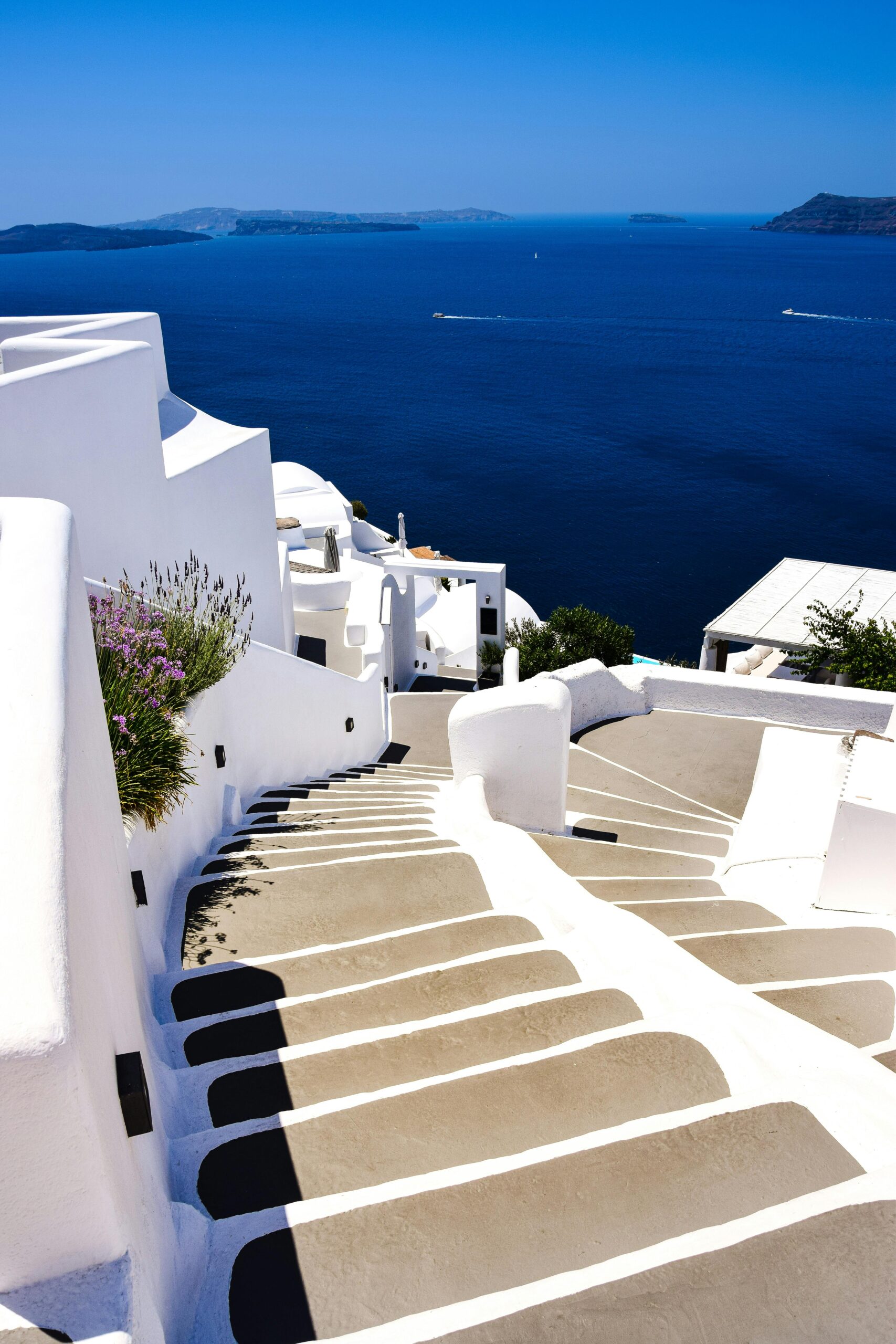
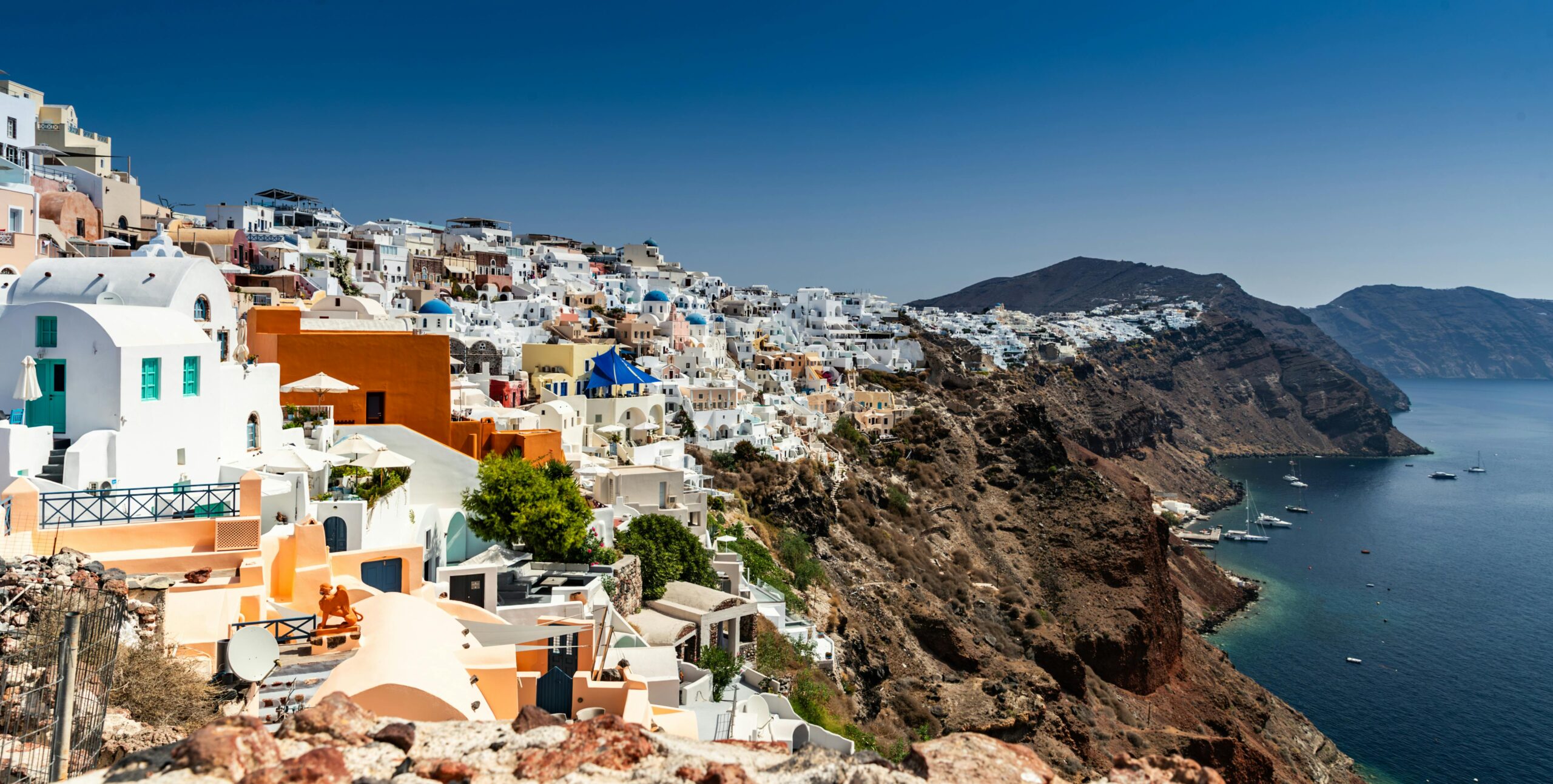
Why Most First-Timers to Santorini Leave Slightly Disappointed
Why Most First-Timers to Santorini Leave Slightly Disappointed is not a mystery to anyone who has watched the island absorb peak-season demand for years. The pattern is predictable: travelers build a fantasy around a place they have mostly seen in short-form images, then arrive expecting the island to deliver that feeling all day, every day. Santorini can deliver moments like that, but it is not built to sustain them for a week without friction.
The assumption behind the disappointment
The core assumption is that Santorini is a mood, not a place with limits. People think they are booking beauty, romance, and ease in one package, and they underestimate how much logistics, crowding, and timing shape the experience. That is why Why Most First-Timers to Santorini Leave Slightly Disappointed is really a story about expectation management, not destination quality.
There is also a status element that people do not like to admit. Santorini is often chosen because it feels like a milestone trip, a place that signals taste, success, or a long-awaited celebration. When a destination carries that much emotional weight, even small inconveniences feel bigger than they should.
Why travelers choose Santorini anyway
People choose Santorini because it is easy to understand quickly. It has a clear visual identity, strong name recognition, and a reputation that feels safe for a first Greece trip. For travelers who do not know the country well, that certainty is comforting.
There is also a fear of choosing wrong. Many first-timers worry that if they skip Santorini, they will miss the “real” Greece experience everyone talks about. That fear pushes them toward the most famous option, even when their actual travel style is better suited to a quieter island or a less compressed itinerary.
In practice, this is where Why Most First-Timers to Santorini Leave Slightly Disappointed begins: the decision is often made to reduce anxiety, not to match the trip to the traveler.
The gap between the image and the reality
The image is clean, calm, and controlled. The reality in peak season is more crowded, more expensive, and more exposed to the stress of everyone else making the same choice at the same time. That gap is what first-timers feel in their body before they can explain it logically.
The most common surprise is that the island can feel busy in ways that are hard to escape. Even travelers who booked a premium stay often discover that the public-facing parts of the island are shared with a lot of other people chasing the same view, the same dinner slot, and the same sunset window. If you want a broader view of how Greece presents itself to visitors, the official
Visit Greece site is useful, but it will not prepare you for the emotional effect of peak-season compression.
My position is simple: if you are going to Santorini in peak season and expecting privacy, calm, and effortless movement, you are setting yourself up for disappointment. Santorini is not the wrong choice for everyone, but it is the wrong choice for travelers who confuse famous with easy.
The moment disappointment usually hits
It usually hits when the traveler realizes the island is not giving them uninterrupted access to the version they imagined. That can be the first crowded sunset, the first meal that feels overpriced for the level of service, or the first time they notice how much of the day is spent navigating people rather than enjoying the place.
The emotional shift is sharp because the trip has often been built around anticipation. Once the fantasy cracks, travelers start scanning for proof that they made a mistake. That is the moment when Why Most First-Timers to Santorini Leave Slightly Disappointed stops being a theory and becomes a feeling.
One counterintuitive truth: many people are not disappointed by the island itself, but by how much they wanted it to validate the trip they had imagined. Santorini is one of the few places where the pressure to “have the right experience” can become the main source of stress.
Traveler types most prone to this pattern
Some travelers are simply more vulnerable to this disappointment than others. The common thread is not budget, age, or experience level. It is the kind of emotional script they bring with them.
- First-time Greece visitors who want one iconic stop and assume the famous choice must be the safest choice.
- Couples on a milestone trip who are expecting the island to carry the romance for them.
- Travelers who are highly influenced by social media and have not done much comparison shopping across Greek islands.
- People who dislike crowds but still book peak season because that is when their schedule allows travel.
These travelers are not making a foolish decision. They are making an emotionally understandable one. The problem is that Santorini punishes emotional shortcuts more than most destinations do.
What first-timers underestimate about peak season
They underestimate how much peak season changes the island’s personality. A place that feels composed in shoulder season can feel overworked in summer, and the difference is not subtle. The island does not become less beautiful; it becomes less forgiving.
They also underestimate how much their own mood is affected by friction. Heat, waiting, noise, and constant movement wear people down faster than they expect, especially when they have paid a premium and expected relief. That is why the same traveler who would tolerate a busy city can feel oddly let down in Santorini.
For a deeper sense of Greece beyond the postcard version, the Ministry of Culture is a useful reminder that the country is much larger than one famous island. That matters, because many first-timers choose Santorini as if it were the definition of Greece rather than one very specific experience.
What a better approach looks like
A better approach starts with admitting what you actually want from the trip. If you want visual drama and a famous name, Santorini can still make sense. If you want ease, space, and a feeling of discovery, you should be more cautious about making it your first or only island.
The real reframe is to stop asking whether Santorini is worth it in the abstract and start asking whether your expectations match the conditions you are willing to accept. That is a much more useful question, and it leads to better decisions. Greece rewards travelers who arrive with a plan, but only when that plan is honest about the kind of experience they are trying to buy.
When travelers approach Santorini as a place with trade-offs instead of a guaranteed emotional payoff, the trip usually improves immediately. The island stops being a test of whether reality can match the image, and starts being what it actually is: a high-demand destination with a very specific appeal.
Recognizing the pattern is the first step. The second is building a trip around how you actually travel — not the traveler you imagine yourself to be. Most great Greece experiences start with that honesty.
Frequently asked questions
Why do first-time visitors to Santorini often feel disappointed?
Because they arrive expecting a polished, low-friction version of the island and run into peak-season crowding, higher prices, and less privacy than they imagined.
Is Santorini actually overrated?
Not exactly. It is over-idealized. The island delivers on its visual reputation, but many first-timers expect that same feeling to extend across the whole trip.
What is the biggest mistake people make when planning Santorini?
Choosing it for the image rather than for the way they actually like to travel. That mismatch is what creates most of the disappointment.
When does the disappointment usually show up?
Usually at the first crowded sunset, the first overpriced meal, or the first moment they realize the island feels busier and less private than expected.
Who is most likely to be let down by Santorini?
Travelers who dislike crowds, couples expecting the island to carry the romance, and first-timers who have only seen Santorini through social media.
Is Santorini better outside peak season?
For many travelers, yes. The island is easier to enjoy when the pressure is lower and the experience feels less compressed.
Should first-time Greece travelers skip Santorini?
Not automatically. But they should choose it deliberately, not by default, and only if they are comfortable with its trade-offs.