

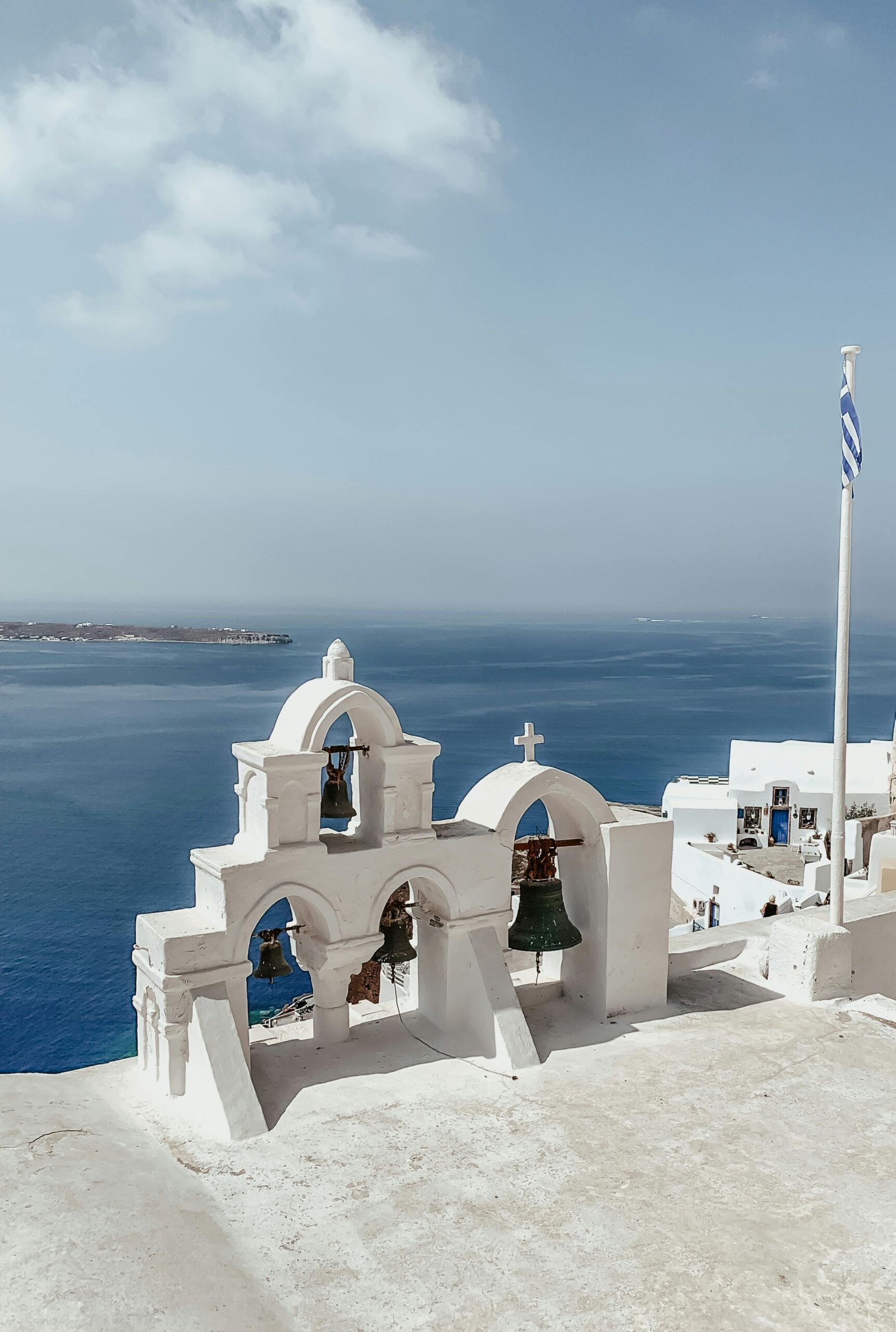
Why Santorini Is Harder to Get Right Than Most Luxury Travelers Expect is simple to explain and difficult to execute well. The island sells itself as an easy luxury choice, but the reality is that the wrong base, the wrong season, or the wrong expectations can turn a high-end trip into a crowded, overpriced exercise in damage control.
The problem is not that Santorini lacks quality. The problem is that too many travelers plan it like a postcard instead of a place with real pressure points: crowd concentration, limited calm areas, and a narrow window where the island feels worth the rate you are paying.
Why Santorini Is Harder to Get Right Than Most Luxury Travelers Expect
Santorini is not a difficult destination because it is low quality. It is difficult because the island’s reputation is so strong that people assume any expensive booking will produce a good result. That is false. Why Santorini Is Harder to Get Right Than Most Luxury Travelers Expect comes down to one thing: the island punishes vague planning and rewards travelers who know exactly what kind of experience they want.
Most luxury travelers get two things wrong here. First, they confuse famous with well-suited, and book the most recognizable areas without asking whether they actually want noise, foot traffic, or constant exposure to the island’s busiest viewpoints. Second, they underestimate how quickly Santorini can feel overmanaged by crowds, especially in peak months when the same places are being used by day visitors, cruise passengers, and high-spend guests all at once.
Why Santorini Is Harder to Get Right Than Most Luxury Travelers Expect in practice
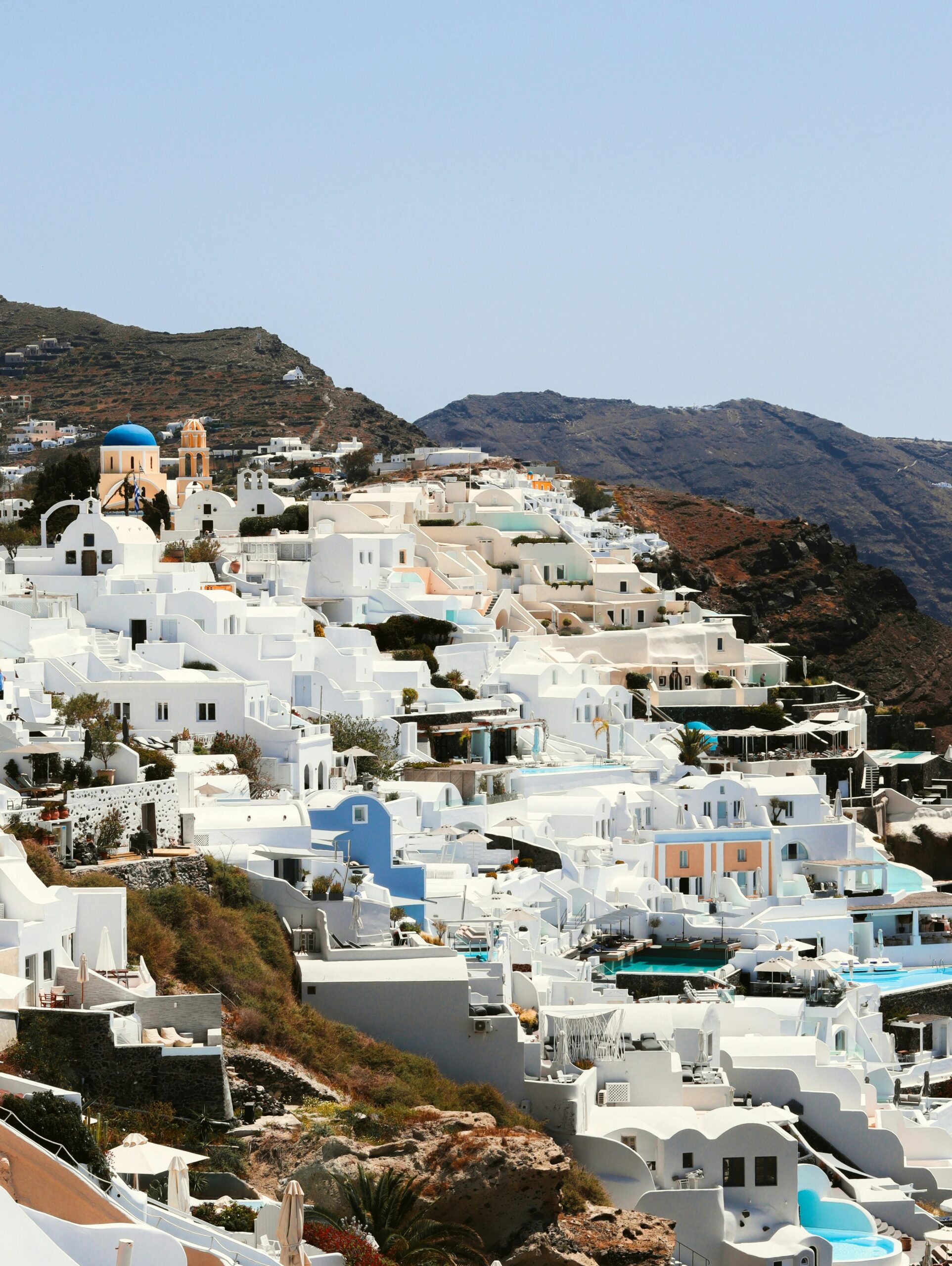
The island is small, but the experience is not uniform. Oia, Fira, Imerovigli, Firostefani, Akrotiri, and Pyrgos each solve a different problem, and travelers who treat them as interchangeable usually regret it. Oia gives you the classic caldera setting and the highest concentration of polished hotels, but it also carries the heaviest crowd pressure and the least sense of privacy at the obvious viewpoints.
Imerovigli is the smartest choice for many luxury travelers because it usually gives better balance: strong views, less chaos, and a more controlled atmosphere. Firostefani sits in a useful middle ground, while Pyrgos works better for travelers who care more about space and a quieter base than about being in the center of the action. Akrotiri is often overlooked by people chasing the obvious names, yet it can make sense for travelers who want a calmer, more grounded stay and do not need to be in the thick of the caldera scene every hour.
That is the first real lesson in Why Santorini Is Harder to Get Right Than Most Luxury Travelers Expect: the island is not one luxury product. It is several different products with very different trade-offs.
The two mistakes that cause most bad Santorini trips
The first mistake is booking for the view alone. A caldera-facing room can be excellent, but if the property is exposed to foot traffic, lacks privacy, or sits in a section that gets overrun at peak viewing hours, the room rate stops feeling justified very quickly. Travelers often discover that they paid for a famous outlook and got very little actual calm.
The second mistake is assuming Santorini is best when it is busiest. That is exactly backwards for many luxury travelers. In high season, the island can feel compressed and transactional, and the premium you pay often buys access to a more crowded version of the same experience. If you want the island to feel special rather than merely expensive, timing matters more than most people want to admit.
One practical consequence is simple: travelers who ignore this end up staying in the right island, but the wrong part of it. That usually means more noise, less privacy, and a stronger sense that they are sharing every good angle with everyone else.
Where the island actually works for different luxury styles
Oia is for travelers who want the classic Santorini image and are willing to pay for it in crowd exposure and higher rates. It suits first-timers who care about the visual identity of the island more than they care about quiet. It is not the best choice for travelers who dislike being near the most photographed corners of the island.
Imerovigli is the strongest all-around base for many couples and design-conscious travelers. It tends to offer a more refined atmosphere without the same level of public pressure as Oia. Firostefani is often overlooked because it is less famous, which is exactly why it can work so well for people who want access to the caldera feel without living inside a constant viewing platform.
Pyrgos is the better answer for travelers who value space, a more local-feeling setting, and less visual noise. Akrotiri suits people who want a quieter, more deliberate pace and are less interested in the island’s headline scenery every minute of the day. For broader planning context, the official tourism site at
Visit Greece is useful for understanding the island’s seasonal profile, but it will not tell you which areas actually fit your travel style.
A genuinely counterintuitive truth about Santorini
The most expensive part of Santorini is not always the best part of Santorini. That sounds obvious until you see how many travelers pay top rates for the most recognizable addresses and then spend half their stay trying to avoid the very areas they paid to be near. In practice, some of the most satisfying stays are in places that are slightly less famous but far better controlled.
This is where Why Santorini Is Harder to Get Right Than Most Luxury Travelers Expect becomes more than a headline. The island often rewards restraint, not maximalism. A traveler who chooses a quieter base with strong standards can have a better experience than someone who chases the most famous address and ends up negotiating crowds, visibility, and constant movement around the property.
That is the part most luxury travelers miss: on Santorini, prestige and comfort are not always aligned.
Who this suits
Santorini suits couples who want a high-end setting and are comfortable making trade-offs for atmosphere and views. It also suits travelers who are selective about where they stay and are willing to pay for a property that is genuinely well placed rather than merely famous. Design-focused travelers, honeymooners, and repeat Greece visitors often do well here because they know how to filter out the noise.
It does not suit travelers who want a relaxed beach-first holiday, people who dislike crowds, or anyone who expects a luxury island to feel effortless without careful choice. Families can enjoy Santorini, but only if they are realistic about the island’s pace and the fact that some of the most desirable areas are not built for easy, low-friction movement. If your idea of luxury is space, quiet, and simplicity, Santorini may frustrate you more than it impresses you.
What you gain, and what you give up
What you gain is a very specific kind of high-end Greek island experience: dramatic caldera settings, polished hospitality, and a sense of occasion that few places in the country can match. When Santorini is done well, it feels deliberate and memorable rather than generic. That is why people keep returning, even after a difficult first trip.
What you give up is flexibility. You are not getting a loose, easygoing island where every area works equally well and every season feels forgiving. You give up some spontaneity, some privacy, and sometimes some value. That trade-off is acceptable for the right traveler and irritating for the wrong one.
If you want a trip that feels genuinely special, the planning has to be sharper than the average luxury booking. That is exactly why Why Santorini Is Harder to Get Right Than Most Luxury Travelers Expect remains true year after year.
For travelers who want a more grounded sense of the island’s cultural context and current visitor priorities, the Greek Ministry of Culture’s official site at culture.gov.gr/en/ is a better reference point than social media noise or generic hotel marketing.
Greece rewards travelers who arrive with a plan built around how they actually travel — not a generic template. The difference between a frustrating trip and a remarkable one often comes down to sequence, timing, and knowing which trade-offs matter for your situation.
Recommended experiences
Some experiences mentioned here are curated and managed by Elite Greece Travels.
- Athens Milos Santorini Itinerary 9 Days — Itinerary (managed by Elite Greece Travels).
- Greece 7 Day Itinerary Athens Delphi Meteora Santorini — Itinerary (managed by Elite Greece Travels).
- Santorini Sunset Cruise With Dinner In The Caldera — Cruise (managed by Elite Greece Travels).
Frequently asked questions
Is Santorini worth it for luxury travelers?
Yes, but only if you choose the right base and accept that the island is not a low-friction destination. The value is in the setting and the level of polish, not in ease or space.
Which area is best for a quieter luxury stay?
Imerovigli is usually the strongest balance of views and calm. Pyrgos and parts of Akrotiri can also work well for travelers who care more about privacy than being in the most famous zone.
What do travelers most often get wrong about Santorini?
They book for the view alone and ignore crowd pressure, privacy, and the character of the neighborhood. They also assume peak season is the best time to experience the island, which is often not true.
Is Oia always the best choice?
No. Oia is the most recognizable choice, not automatically the best one. It works for travelers who want the classic image and accept heavier crowds.
Who should avoid Santorini?
Travelers who want a relaxed beach holiday, dislike crowds, or want a very easy, low-decision island experience often end up disappointed. Santorini asks for more planning than many luxury travelers expect.
What is the biggest planning mistake that affects the trip?
Choosing the wrong base. That mistake affects privacy, atmosphere, and how much of the island feels enjoyable versus overrun.