

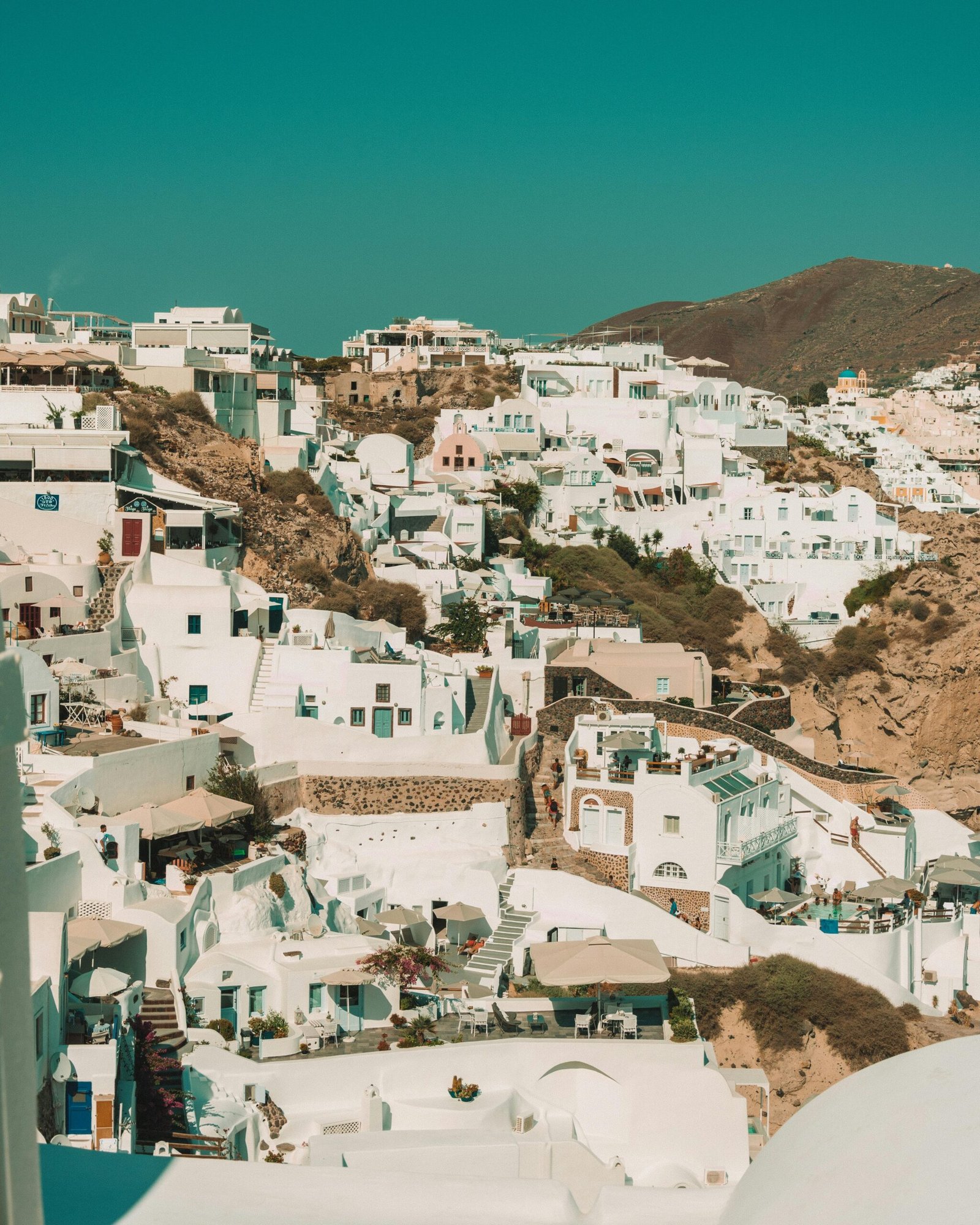
Why Most First-Timers to Santorini Leave Slightly Disappointed is usually a story about expectation, not the island itself. People arrive carrying a very specific image: quiet caldera views, easy romance, and a place that feels curated for them. In peak season, Santorini is a much more crowded, expensive, and socially pressured experience than that image suggests.
The real issue is psychological. Travelers do not just choose Santorini for a vacation; they choose it to confirm a feeling they already have about what a Greece trip should be. When the island does not match that script, the disappointment feels personal, even when the problem was built into the expectation from the start.
Why Most First-Timers to Santorini Leave Slightly Disappointed
Why Most First-Timers to Santorini Leave Slightly Disappointed is not a complaint about Santorini’s quality. It is a warning about the gap between the island people picture and the island they actually meet in peak season. That gap is where a lot of good trips turn into mildly resentful ones.
The fantasy is usually cleaner than the reality
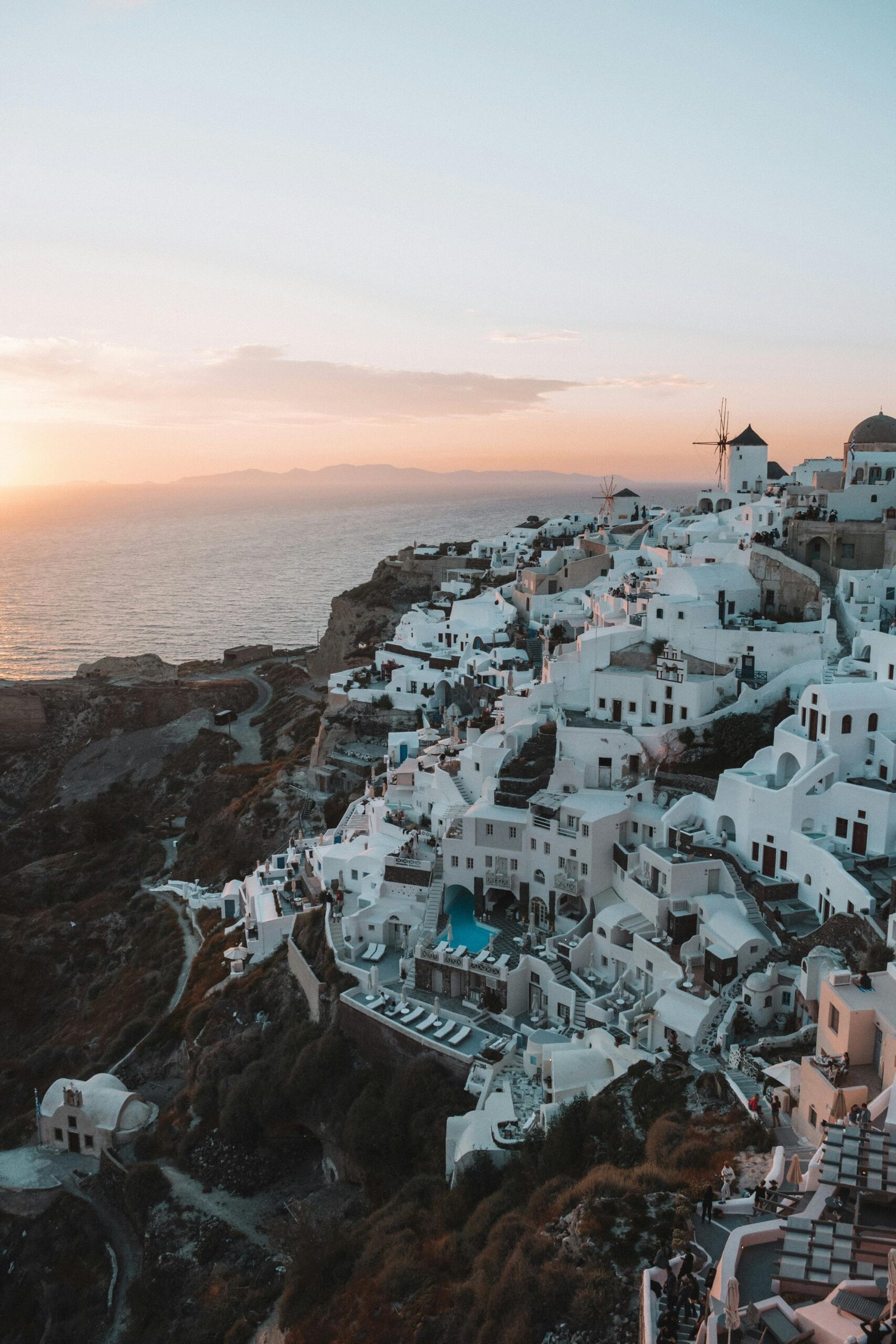
Most first-timers are not chasing a destination. They are chasing a visual promise they have seen repeated so often that it starts to feel like a guarantee. White buildings, blue domes, private-feeling terraces, and a sunset that belongs to them alone all sound simple enough until they arrive and realize they are sharing the same moment with hundreds of other people.
This is where Why Most First-Timers to Santorini Leave Slightly Disappointed starts to make sense. The island is not fake; it is just heavily interpreted before you get there. People are often less upset by the crowds than by the fact that the crowds interrupt the mental movie they were already playing in their heads.
Why travelers choose Santorini anyway
They choose it because Santorini feels like a safe first Greece decision. It is familiar from photos, easy to explain to friends, and loaded with social proof. For many travelers, that matters more than variety, which is why the island keeps winning even when another place might fit their actual travel style better.
There is also an emotional shortcut at work. Santorini promises instant payoff, and a lot of first-timers are tired of planning a trip that feels uncertain. They want a place that seems to remove doubt, which is exactly why they overlook the most important question: do they want a beautiful setting, or do they want a relaxed travel experience?
The moment disappointment usually hits
The letdown usually does not happen when people first arrive. It hits when they realize the island requires more effort than they expected just to access the version they pictured. That can mean crowded viewpoints, expensive meals that feel engineered for turnover, or a constant sense that they are paying for the privilege of being in someone else’s photo.
For many travelers, the sharpest moment comes at sunset. They expected a calm, intimate, almost private experience and instead find a compressed public event with everyone trying to stand in the same place at the same time. That is the point where Why Most First-Timers to Santorini Leave Slightly Disappointed stops being a search phrase and becomes a real feeling.
Why peak season makes the emotional gap worse
Peak season does not just add crowds. It changes the emotional tone of the island. What looks elegant in photos can feel tense in practice when every viewpoint, restaurant terrace, and narrow lane is under pressure from volume.
The surprising part is that many travelers do not mind busy places. What bothers them is not the density itself, but the mismatch between density and expectation. Santorini is often sold and imagined as a place of ease, so the friction feels more offensive than it would in a destination where crowds are already part of the mental picture.
Greece rewards travelers who arrive with a plan, but Santorini especially punishes people who assume the island will organize itself around their mood. It will not. If you want a quieter emotional experience, the island needs to be chosen for that reason, not for the image alone.
Who is most likely to feel let down
First-time visitors who are most prone to disappointment usually fall into a few patterns:
- Travelers booking Santorini as the centerpiece of a Greece trip without caring much about island texture or daily pace.
- Couples expecting privacy because the island is marketed so heavily as romantic.
- Photo-driven travelers who care more about the look of the place than the feel of being there.
- People who dislike friction but still choose the most famous option because it feels like the “right” first trip.
The common thread is not bad taste. It is overidentification with the idea of a destination. These travelers are not really asking, “Will I enjoy Santorini?” They are asking, “Will this trip validate the version of Greece I already want to believe in?”
What travelers usually underestimate before they book
They underestimate how much atmosphere matters once the novelty wears off. A place can be objectively beautiful and still feel tiring if the social pressure is constant. Santorini’s problem is not that it fails to deliver views; it is that the view becomes the whole transaction for many visitors.
They also underestimate how quickly premium pricing changes the mood of a trip. When every decision feels expensive, people become more sensitive to inconvenience. That sensitivity is often what turns a normal travel annoyance into a deeper sense of regret.
If you want a useful comparison, look at how travelers approach places with cultural density, such as the Acropolis Museum. They expect a focused, high-value experience and plan accordingly. Santorini is often booked with the same seriousness but judged as if it should feel effortless, which is where the mismatch begins.
A better way to think about Santorini
The right reframe is simple: Santorini is not a universal first-time Greece island. It is a high-demand, high-expectation destination that works best for travelers who know exactly what they are buying. If you want romance, drama, and a very specific visual payoff, it can still be the right choice.
If you want ease, space, and a sense that the island is living on its own terms, you may be setting yourself up for frustration. That is the honest trade-off most blogs avoid saying plainly. Why Most First-Timers to Santorini Leave Slightly Disappointed is often because they chose a symbol of Greece instead of a place that matched their actual temperament.
For travelers who want a broader sense of what Greece can offer beyond the headline destinations, the national tourism resources at
Visit Greece are a better starting point than a single iconic image. The point is not to avoid Santorini. The point is to stop treating it like the default answer.
Recognizing the pattern is the first step. The second is building a trip around how you actually travel — not the traveler you imagine yourself to be. Most great Greece experiences start with that honesty.
Frequently asked questions
Why do so many first-time visitors feel disappointed in Santorini?
Because they arrive expecting a calm, private, picture-perfect island and find a much busier, more expensive, and more performance-driven place than they imagined.
Is Santorini still worth visiting for a first trip to Greece?
Yes, if you want a highly visual, high-demand destination and understand the trade-offs. No, if you want a relaxed first introduction to Greece with less pressure.
What is the biggest mistake first-timers make with Santorini?
They book it for the image, not for the experience. That usually means they underestimate crowds, pricing, and how much the island is built around peak-season demand.
When does disappointment usually show up?
Usually when the traveler realizes that the famous views are shared with everyone else and that the island requires more effort, money, and patience than expected.
Who is most likely to love Santorini?
Travelers who want a dramatic setting, are comfortable with crowds, and are not expecting privacy or a slow, local-feeling island experience.
How should I think about Santorini differently?
Treat it as a specific kind of destination with clear strengths and clear limits, not as the standard for what Greece should feel like.